Badger Sport Sunscreen SPF 40 for oily acne-prone skin

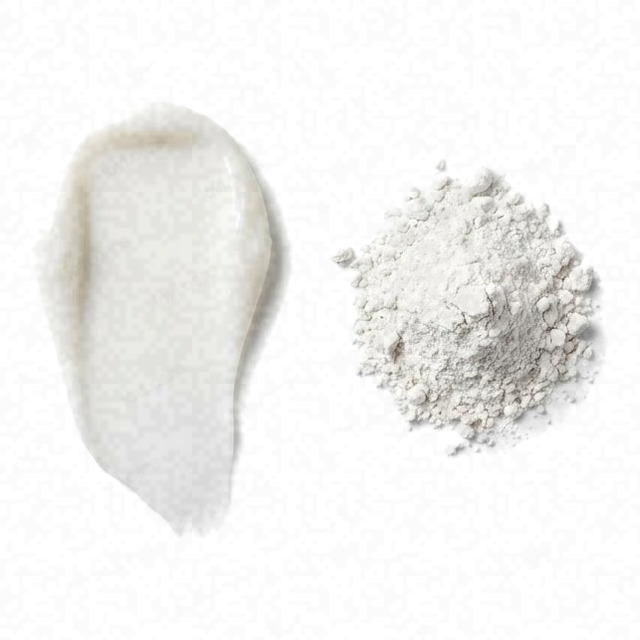 Uncoated Clear Zinc Oxide
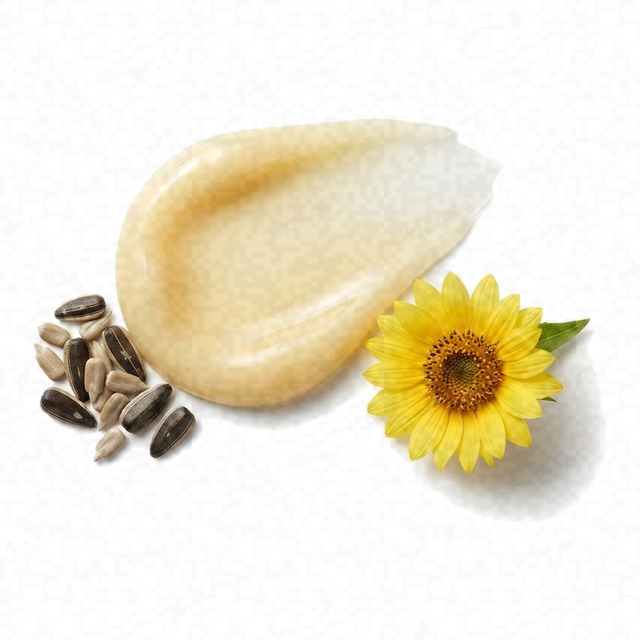 Sunflower Oil
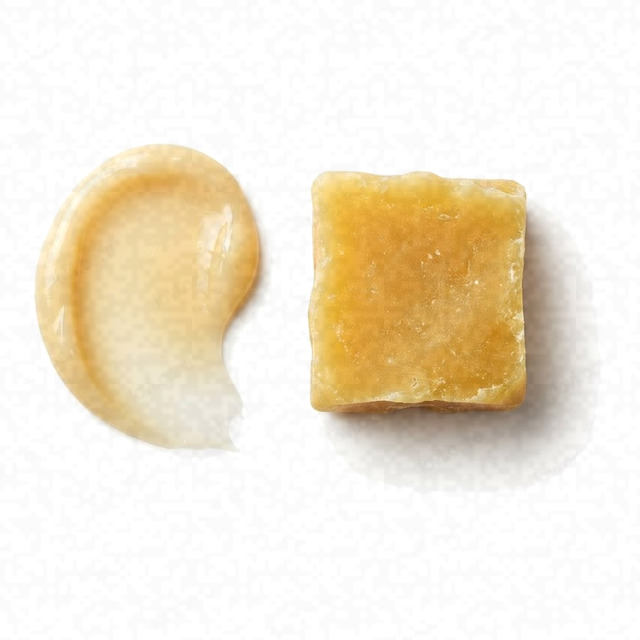 Beeswax
 Vitamin E
Average
- AverageOily Skin Fit
- AverageEffectiveness
- HighSafety
Works for oily acne-prone skin; other sunscreens fit it better.
This fit is calculated for the concerns frequently associated with oily acne-prone skin: shine, breakouts, blemishes, and enlarged pores. For scores and recommendations based on your full skin profile, including your 12D face scan results and any goals or preferences you have, please use the Lovi app.
Page built Nov 8, 2026How the Fit score works
Lovi Assistant explains
- Offers moderate suitability for oily skin as sunflower oil provides emollient action, but it lacks sufficient ingredients for optimal oil control, which is a primary concern for your acne, blemishes, and breakouts.
- While Vitamin E and sunflower oil offer general skincare benefits like hydration and soothing, they are not directly relevant to managing your specific concerns of acne and oiliness.
- The product is safe for your oily skin, with no risks of irritation due to the absence of prohibited or harsh ingredients.
How to apply
- Apply this sunscreen AM as the final step of your morning skincare routine. Reapply every two hours when exposed to the sun for continuous protection.
- Apply after your moisturizer as the last step before makeup. Do not apply anything on top of your sunscreen.
- Gently spread a coin-sized amount evenly across your face and neck. Avoid harsh rubbing to prevent disturbing the protective layer.
- Apply on completely dry skin after your moisturizer has fully absorbed. This ensures the sunscreen forms an even, protective barrier.
- Avoid direct contact with your eyes during application. Do a patch test before first use to ensure no irritation occurs.
People Say
★4.6Overall rating based on 2.2k+ reviewsBased on a very large amount of data, users consistently praise this sunscreen for its incredibly simple, organic ingredient list and reliable protection during water sports, making it a top choice for eco-conscious consumers and those with sensitive skin. The trade-off is a very thick, heavy texture that requires significant effort to rub in and often leaves a noticeable white cast, particularly on darker skin tones.
Highlights
Clean ingredients Mostly Mentioned
- “only 4 ingredients”
- “peace of mind”
- “no harmful chemicals”
- “great for sensitive skin”
Eco-friendly & reef safe Often Mentioned
- “safe for coral”
- “truly reef friendly”
- “love the tin”
- “environmentally responsible”
Effective protection Often Mentioned
- “didn't get burned”
- “lasts in water”
- “great for surfing”
- “heavy duty protection”
Thick & greasy Often Mentioned
- “like spreading butter”
- “very greasy”
- “thick paste”
- “sticky feeling”
Visible white cast Often Mentioned
- “purple/white cast”
- “looks like clown makeup”
- “very whitening”
- “visible on skin”
Moisturizing & gentle Sometimes Noted
- “doesn't sting eyes”
- “moisturizing base”
- “hypoallergenic”
Difficult application Sometimes Noted
- “hard to rub in”
- “takes effort”
- “tugs at skin”
- “stiff from tube”
Small quantity Rarely Noted
- “tiny tube”
- “expensive per ounce”
- “runs out fast”
- “small amount”
Sources: lovi.care, iherb.com, expertvoice.com, kitchenstewardship.com, youtube.com, walmart.com, and more
Questions and answers
How well does Badger Sport Sunscreen SPF 40 work for oily acne-prone skin?
Badger Sport Sunscreen SPF 40 works reasonably well for your skin by providing safe sun protection without causing irritation or worsening breakouts, though it may feel a bit heavy. It offers moderate suitability because its rich oils provide hydration and soothing benefits, but it lacks the oil-controlling agents needed to manage excess shine. A sunscreen for oily acne-prone skin needs lightweight, oil-free ingredients and mattifying agents to keep excess oil under control.
Which ingredients make this cream a good fit for oily acne-prone skin?
Uncoated Clear Zinc Oxide, Sunflower Oil, Beeswax, and Vitamin E make this cream safe and soothing for your skin, though it is a bit heavy and lacks oil-controlling ingredients. A product of this type needs lightweight, oil-free ingredients and mattifying agents to properly manage oil and prevent breakouts.
What does Zinc Oxide do for oily acne-prone skin?
Zinc oxide helps calm oily, acne-prone skin by reducing pimples, redness, and excess oil. Studies show it has strong antibacterial properties that target acne-causing bacteria safely and effectively without causing irritation.
Journal of Controlled Release, 2025Journal of Drugs in Dermatology, 2013
What does Sunflower Oil do for oily acne-prone skin?
Sunflower seed oil helps preserve skin integrity, does not cause redness, and improves hydration for oily and acne-prone skin. It is a gentle choice that supports the skin barrier without the damage associated with some other oils.
Where does it go in a skincare routine for oily acne-prone skin?
This sunscreen goes as the last step in your morning routine after applying your cleanser, hydrating toner, and moisturizer. It works for your skin, but an ideal sunscreen for oily and acne-prone skin also needs ingredients that help control oil and target breakouts.
Can I use this cream with retinol, and in what order?
You can use this sunscreen in the morning as the final step before sun exposure, well after applying your evening retinol. While this product is safe and unlikely to irritate your skin, a sunscreen for oily acne-prone skin works best when it also includes oil-controlling ingredients to manage breakouts.
How often should I use it?
You can use this sunscreen every morning as the final step in your daytime routine. It is safe for your skin with no risk of irritation, but an oily and acne-prone skin type needs oil-controlling ingredients to manage breakouts.
Can this cream clog pores, cause breakouts or purging for oily acne-prone skin?
This sunscreen is safe for oily skin and is unlikely to cause irritation, but because it feels thick and greasy, it lacks the oil control needed for acne and breakouts. A product for this skin type needs lightweight, oil-balancing ingredients that help clear blemishes without heavy oils.
What the research says
Alpha-tocopherol loaded nanostructured lipid carrier gel provided enhanced moisturizing and anti-aging properties in human volunteers over 12 weeks.
Journal of Cosmetic Dermatology, 2020A topical antioxidant serum significantly reduced air pollution-induced skin pigmentation and proinflammatory gene expression ex vivo, and improved skin aging signs in 40 healthy adult females after 90 days of daily use.
Journal of Cosmetic Dermatology, 2022Topical 0.5% hyaluronic-ZnO nanogel applied twice daily reduced inflammatory-lesion counts by 58% at week four in human subjects compared to baseline without causing erythema.
Biomedicines, 2025Nels cream achieved a similar reduction in inflammatory and noninflammatory lesion counts compared to 5% benzoyl peroxide in acne vulgaris patients, but caused significantly fewer side-effects such as peeling and dryness.
Clinical and Experimental Dermatology, 2000Topically applied coated and uncoated zinc oxide nanoparticles under flexing and massage are retained in the stratum corneum with no significant penetration into the viable epidermis and no cellular toxicity in human skin.
Nanomedicine, 2016Topical application of a honey, olive oil, and beeswax mixture three times daily for up to 4 weeks resulted in clinical responses in 86% of patients with pityriasis versicolor, 78% with tinea cruris, and 75% with tinea corporis.
Complementary Therapies in Medicine, 2004A prototype body cream containing bee venom, propolis, honey, beeswax, and royal jelly demonstrated stability for 90 days, high antioxidant capacity of 85.45%, lack of cytotoxicity with over 70% cell viability, and no irritation or allergic reaction in dermatological analysis, while improving skin parameters in a panel test.
Journal of Cosmetic Dermatology, 2022MUD1 protected human dermal fibroblasts against AAPH-induced oxidative stress by increasing cell viability, reducing oxidative damage, improving mitochondrial functionality, and enhancing wound healing capacities.
International Journal of Molecular Sciences, 2018Topical application of an antioxidant serum containing 15% ascorbic acid, 0.5% ferulic acid, and 1% tocopherol prevented particulate matter-induced degradation of extracellular matrix components, inflammation, and oxidative stress in the skin of 15 female volunteers compared to untreated controls.
Journal of Cosmetic Dermatology, 2025Dermatological products containing d-alpha tocopheryl acetate showed non-comedogenic potential with less than a 50% increase in microcomedones in 12 healthy male subjects compared to octyl palmitate.
Contemporary Clinical Trials Communications, 2021Topical application of an antioxidant mix containing 15% ascorbic acid, 0.5% ferulic acid, and 1% tocopherol prevented PM and UV-induced skin barrier perturbation, lipid peroxidation, inflammatory markers, MMP9 activation, and Type I collagen loss in 15 healthy females compared to untreated exposed skin.
Journal of Cosmetic Dermatology, 2024
Ingredients
Uncoated Clear Zinc Oxide, Sunflower Oil, Beeswax, Vitamin E
Behind this fit score
Lovi calculates every fit score from the full ingredient list with brand-independent rules our dermatologists and cosmetic chemists build and review, and personalizes every pick with AI trained on the real results of millions of users. Lovi trains its fit score models on a proprietary dataset built from more than 10,000 expert-labeled products and more than 100,000 simulated examples, following an internally consistent methodology presented at Cosmoprof, AMWC, and Skin of Color Update.
-

Co-founder, Medical Director
Cosmetic chemist, cosmetologist, aesthetic products developer
-

Co-founder, CEO and CTO
PhD in computer science, 3x US patent holder, ex-Google, ex-Yandex
-

Dr. Sofía Perea Pérez, MD, MSc
Medical Board
Aesthetic medicine practitioner, MSc in Longevity and Anti-Aging Medicine
-

Medical Board
Specialist dermatologist, MBBS, MD, IFAAD
-

Medical Board
Cosmetic chemist, SCS, IFSCC member
-

Medical Board, Medical Advisor
Dermatology MD
-

Elina Nazarenko, MD
Medical Board
Dermatology and diagnostic consultant
-

Victoria Derkova, MS
Medical Board
Cosmetic chemist, cosmetic development technologist


How does it fit your skin?
Scan your face, then any product: Lovi shows how well it fits you and what fits even better.