
Augustinus Bader The Exfoliating Toner

 Tfc8 Trigger Factor Complex 8
 Salicylic Acid
 Gluconolactone
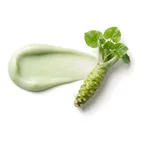 Lactobacillus Wasabia Japonica Extract Root Ferment
 Sodium Hyaluronate
Salicylic acid and gluconolactone exfoliate and smooth, so it suits most skin types. Where to buy in the Netherlands: Amazon.nl, €129.90.
Each fit is calculated for the concerns frequently associated with that skin type. For scores and recommendations based on your full skin profile, including your 12D face scan results and goals, use the Lovi app.
Updated How the Fit score works
Where it fits best and least
Best fit High
Oily Skin, Combination Skin, Sensitive Skin, Acne-Prone Skin, Skin with Dark Spots, Mature Skin
A great choice for oily skin; a few toners fit it even better.
- Excellent suitability for your oily skin is provided by salicylic acid and gluconolactone, which offer effective keratolytic action and seboregulation, complemented by sodium hyaluronate for humectant action.
Lowest fit Average
Dry Skin, Dry Sensitive Skin, Oily Acne-Prone Skin
Works for dry skin; other toners fit it better.
- Offers moderate exfoliation for your dry skin due to gluconolactone and salicylic acid, which promote skin renewal and smoothing. Glycerin and sodium hyaluronate provide hydration, but the formula lacks sufficient emollients for optimal moisture retention on dry or flaky skin.
Buy online

Prices checked 22 Nov 2026
The Lovi Fit is the same in every country; only the stores and prices differ, and the ones here are for the Netherlands.
How to apply
- Use this exfoliating toner once a week at first, then increase frequency only if your skin feels fine.
- Apply the exfoliating toner after cleansing and before your moisturizer or SPF.
- Avoid the eye area and always use sunscreen during the day.
People Say
★4.2Overall rating based on 200+ reviewsThis 3-in-1 toner is frequently described as a gentle yet effective treatment for achieving smoother, more radiant skin, often referred to as 'glass skin.' While many users with mature or dull complexions report a visible glow and refined pores, a portion of users with sensitive skin experienced irritation, and some found the results subtle for the high price.
Highlights
Smoother texture Mostly Mentioned
- “Made my skin incredibly soft and supple”
- “texture is noticeably smoother”
- “sweeps away dead surface cells”
Expensive product Mostly Mentioned
- “Not worth the price tag”
- “nice but overpriced”
- “can't justify the cost for a toner”
Boosts radiance Often Mentioned
- “Noticeable glow in the morning”
- “dull skin is left glowing”
- “gives a healthy radiance”
Gentle exfoliation Sometimes Noted
- “No issues with sensitivity”
- “gentle enough for daily use”
- “doesn't dry the skin out”
Refines pores Sometimes Noted
- “Really refines your pores”
- “clogged pores feel clarified”
- “gets rid of blackheads”
Caused irritation Sometimes Noted
- “Face turned very red and itchy”
- “broke me out bad”
- “caused severe reactions”
Subtle results Rarely Noted
- “Noticed no difference”
- “results were meh”
- “didn't do much for my skin”
Sources: lovi.care, bloomingdales.com, bluemercury.com, spacenk.com, sephora.my, cultbeauty.co.uk, and more
Questions and answers
What makes Augustinus Bader The Exfoliating Toner a great fit for oily skin?
This toner is a great fit for your oily skin because salicylic acid and gluconolactone clear away dead skin cells and help balance oil, while sodium hyaluronate keeps your skin comfortable and hydrated. It also avoids harsh ingredients, which helps keep irritation low for your skin type.
The Australasian Journal of Dermatology, 1992Journal of Cosmetic Dermatology, 2024
How well does Augustinus Bader The Exfoliating Toner work for dry skin?
Augustinus Bader The Exfoliating Toner works moderately well for dry skin, providing gentle smoothing along with some hydration, though it lacks enough rich moisturizers to keep dry skin fully comfortable. A product of this type for dry skin needs rich moisturizing ingredients and soothing elements to lock in moisture and prevent flakiness.
Clinical, Cosmetic and Investigational Dermatology, 2017Skin Research and Technology, 2023
Can I use this toner with retinol, and in what order?
Yes, you can use this toner with retinol by applying the toner first and waiting for it to dry before adding your retinol. Since this product contains salicylic acid and gluconolactone, it helps clear oil and smooth the skin while keeping irritation risks low.
The Australasian Journal of Dermatology, 1992Journal of Cosmetic Dermatology, 2024
Is this toner fragrance-free and alcohol-free?
Yes, it has no fragrance and no drying alcohol.
What makes Augustinus Bader The Exfoliating Toner a great fit for combination skin?
This toner is a great fit because salicylic acid and gluconolactone smooth texture and clear clogged pores to reduce oily shine. Papain and hydrolyzed rice protein help renew skin while keeping it hydrated. The formula is safe for your skin, with no harsh ingredients to cause irritation.
The Australasian Journal of Dermatology, 1992Journal of Cosmetic Dermatology, 2024
How well does Augustinus Bader The Exfoliating Toner work for dry sensitive skin?
Augustinus Bader The Exfoliating Toner works moderately well for dry sensitive skin, providing basic hydration and gentle smoothing through ingredients like glycerin and salicylic acid, though it lacks enough richness to fully address dry skin. A product of this type needs rich moisturizing agents and softening ingredients to boost moisture retention and strengthen the skin barrier without causing irritation.
What makes Augustinus Bader The Exfoliating Toner a great fit for sensitive skin?
Augustinus Bader The Exfoliating Toner is a great fit for sensitive skin because it uses gluconolactone and salicylic acid to gently refine the surface while soothing extracts help keep redness and irritation calm. It is a safe formula that supports hydration and barrier strength, making it unlikely to trigger discomfort.
The British Journal of Dermatology, 1997Skin Research and Technology, 2023
How well does Augustinus Bader The Exfoliating Toner work for oily acne-prone skin?
Augustinus Bader The Exfoliating Toner works moderately well for oily acne-prone skin, as its salicylic acid and gluconolactone help manage oiliness and clear blemishes without causing irritation. Oily acne-prone skin needs products with targeted exfoliating acids and calming ingredients to effectively control excess oil and refine texture.
The Australasian Journal of Dermatology, 1992Skin Research and Technology, 2023
What makes Augustinus Bader The Exfoliating Toner a great fit for acne-prone skin?
Augustinus Bader The Exfoliating Toner is a great fit because salicylic acid and gluconolactone gently clear breakouts while keeping your skin calm. Glycerin and sodium hyaluronate add essential moisture so your face stays soft and comfortable.
The Australasian Journal of Dermatology, 1992Journal of Cosmetic Dermatology, 2024
What makes Augustinus Bader The Exfoliating Toner a great fit for skin with dark spots?
Augustinus Bader The Exfoliating Toner is a great fit for skin with dark spots because it features gluconolactone and salicylic acid to effectively promote skin renewal for fading dark spots and clearing pores. Papain and sodium hyaluronate further support smooth texture and lasting hydration, while the absence of harsh ingredients helps keep irritation at bay.
The British Journal of Dermatology, 1997International Journal of Biological Macromolecules, 2023
What makes Augustinus Bader The Exfoliating Toner a great fit for mature skin?
This toner is a great fit for mature skin because it uses gluconolactone and salicylic acid to smooth wrinkles and fine lines by encouraging cell turnover. It also provides essential hydration with glycerin and sodium hyaluronate to keep your skin plump and moisturized.
Clinical, Cosmetic and Investigational Dermatology, 2017Dermatologic Therapy, 2022
What the research says
Gluconolactone 14% solution significantly improved mild to moderate acne by reducing inflamed and non-inflamed lesions similarly to 5% benzoyl peroxide, but with fewer side-effects in 150 patients.
The Australasian Journal of Dermatology, 1992A moisturizer containing licochalcone A, 1,2-decanediol, L-carnitine, and salicylic acid significantly reduced noninflammatory, inflammatory, and total acne lesion counts compared to a vehicle control in Thai patients during a 12-week maintenance phase.
BioMed Research International, 2020Treatment with 2% supramolecular salicylic acid hydrogel resulted in a regression and markedly improvement rate of 51.01% compared to 43.10% for Adapaline gel in patients with mild to moderate facial acne vulgaris, showing no significant difference in efficacy.
Journal of Cosmetic Dermatology, 2024Topical 5% benzoyl peroxide plus salicylic acid achieved the greatest lesion reduction at early 2 to 4 week time points compared to benzoyl peroxide, clindamycin, and combination benzoyl peroxide/clindamycin, while 5% benzoyl peroxide plus salicylic acid and combination benzoyl peroxide/clindamycin showed similar efficacy at 10 to 12 weeks in acne patients.
Journal of the American Academy of Dermatology, 2010Glycolic acid, salicylic acid, gluconolactone, and licochalcone A combined with 0.1% adapalene showed no hindrance compared to adapalene monotherapy and provided benefits in reducing complications in 25 subjects with mild-to-moderate acne vulgaris.
Clinical, Cosmetic and Investigational Dermatology, 2019Gluconolactone and tartaric acid significantly lower transepidermal water loss and erythema after sodium lauryl sulphate challenge compared to vehicle, untreated control, and glycolic acid in healthy subjects.
The British Journal of Dermatology, 1997Isosaponarin isolated from wasabi leaf increased type I collagen production in human fibroblasts by up-regulating TbetaR-II and P4H expression.
Journal of Natural Medicines, 2010Topical application of 0.1% hyaluronic acid formulations of different molecular weights led to significant improvements in skin hydration and elasticity, with low-molecular-weight formulations also significantly reducing wrinkle depth in seventy-six female subjects compared to a vehicle control.
Journal of Drugs in Dermatology, 2011Topical hyaluronic acid serum used twice daily by 40 females with facial photoaging produced an immediate 134% increase in skin hydration, a sustained 55% increase at week 6, and significant improvements in smoothness, plumping, fine lines, wrinkles, and global appearance without causing irritation.
Dermatology and Therapy, 2021A topical antioxidant serum significantly reduced air pollution-induced skin pigmentation and proinflammatory gene expression ex vivo, and improved skin aging signs in 40 healthy adult females after 90 days of daily use.
Journal of Cosmetic Dermatology, 2022Combining 10% gluconolactone chemical peeling with oxybrasion or microneedle mesotherapy increased skin hydration and decreased sebum, pH, and TEWL in twenty-one Caucasian women, with no significant differences between the two methods.
Skin Research and Technology, 2023Gluconolactone treatment significantly increased facial skin hydration in 16 healthy women, with no significant differences between 10% and 30% solutions.
Skin Research and Technology, 2021A single application of a moisturizing fluid containing hyaluronic acid 1%, glycerin 5%, and Centella asiatica stem cells extract significantly increased skin hydration by 29% and reduced transepidermal water loss at 24 hours compared to baseline and an untreated control site in twenty healthy women.
Clinical, Cosmetic and Investigational Dermatology, 2017Twice daily application of a multitargeted dermocosmetic cream provided comparable efficacy to benzoyl peroxide 5% gel in reducing inflammatory, non-inflammatory, and total lesions in 150 Caucasian subjects with mild-to-moderate acne over 56 days, while demonstrating superior skin tolerability.
Journal of Cosmetic Dermatology, 2024Hyaluronic acid-based formulations exhibit remarkable anti-wrinkle, anti-aging, and skin rejuvenating effects via soft tissue augmentation, improved skin hydration, and face volume restoration.
International Journal of Biological Macromolecules, 2018Incorporating 1, 2, and 5 percent papain into starch- and carboxymethyl cellulose-based films preserved proteolytic and skin exfoliation activity while improving mechanical properties and water solubility compared to control films, with immobilized enzyme maintaining stability for up to 90 days.
International Journal of Biological Macromolecules, 2023Treatment with 45% mandelic acid peel showed nearly equal overall efficacy as 30% salicylic acid peel in patients with mild-to-moderate facial acne vulgaris, but with fewer adverse effects.
Journal of Cosmetic Dermatology, 2020A fixed combination of hydroxypinacolone retinoate, retinol glycospheres, and papain glycospheres in aqueous gel applied once daily for 12 weeks achieved a 41% mean reduction in GAGS score and a 40.8% mean reduction in total lesions, with 15.3% of patients experiencing mild to moderate local side effects, in 94 evaluable patients with comedonal-papular, mild to moderate acne of the face.
Giornale Italiano Di Dermatologia E Venereologia, 2015Topical application of Low-Peony PDRN enhanced barrier recovery and improved periorbital skin elasticity in human subjects.
International Journal of Molecular Sciences, 2025Topical low-dose green tea extract reduces UVB-induced p53 expression and apoptosis in human skin keratinocytes compared to placebo.
Experimental Dermatology, 2009The use of a salicylic acid-based dermocosmetic significantly reduces the needed quantity of benzoyl peroxide without impacting efficacy in mild to moderate acne, and as maintenance post-benzoyl peroxide allows a significant reduction of acne relapse compared to vehicle.
Journal of Drugs in Dermatology, 2023Post-peel application of either topical tretinoin (0.25%) or retinol (0.25%) after a 30% salicylic acid peel effectively improves signs of photodamage compared to baseline in female subjects, with tretinoin performing slightly better than retinol in texture, roughness, and overall appearance at week 4.
Journal of Drugs in Dermatology, 2016Topical hyaluronic acid filler serum combined with Botulinum toxin type A lengthened the duration of the toxin's effect in reducing wrinkles compared to Botulinum toxin type A alone.
Dermatologic Therapy, 2022
Ingredients
Water, Glycerin, Gluconolactone, Lactobacillus Wasabia Japonica Extract Root Ferment, Phytic Acid, Sodium Hydroxide, Potassium Sorbate, Xanthan Gum, Sodium Benzoate, Salicylic Acid, Caesalpinia Spinosa Gum, Paeonia Albiflora Root Extract, Papain, Citric Acid, Sodium Hyaluronate, Hydrolyzed Rice Protein, Maltodextrin, 1,2-Hexanediol, Caprylyl Glycol, Carbomer, N-Hydroxysuccinimide, Camellia Sinensis Leaf Extract, Hydrogenated Lecithin, Tocopheryl Acetate, Algin, Alanyl Glutamine, Arginine, Oligopeptide-177, Phenylalanine, Sisymbrium Irio Seed Oil, Sodium Chloride
Behind these fit scores
Lovi calculates every fit score from the full ingredient list with brand-independent rules our dermatologists and cosmetic chemists build and review, and personalizes every pick with AI trained on the real results of millions of users. Lovi trains its fit score models on a proprietary dataset built from more than 10,000 expert-labeled products and more than 100,000 simulated examples, following an internally consistent methodology presented at Cosmoprof, AMWC, and Skin of Color Update.
-

Co-founder, Medical Director
Cosmetic chemist, cosmetologist, aesthetic products developer
-

Co-founder, CEO and CTO
PhD in computer science, 3x US patent holder, ex-Google, ex-Yandex
-

Dr. Sofía Perea Pérez, MD, MSc
Medical Board
Aesthetic medicine practitioner, MSc in Longevity and Anti-Aging Medicine
-

Medical Board
Specialist dermatologist, MBBS, MD, IFAAD
-

Medical Board
Cosmetic chemist, SCS, IFSCC member
-

Medical Board, Medical Advisor
Dermatology MD
-

Elina Nazarenko, MD
Medical Board
Dermatology and diagnostic consultant
-

Victoria Derkova, MS
Medical Board
Cosmetic chemist, cosmetic development technologist


How does it fit your skin?
Scan your face, then any product: Lovi shows how well it fits you and what fits even better.