ASEA Renu 28 for acne-prone skin

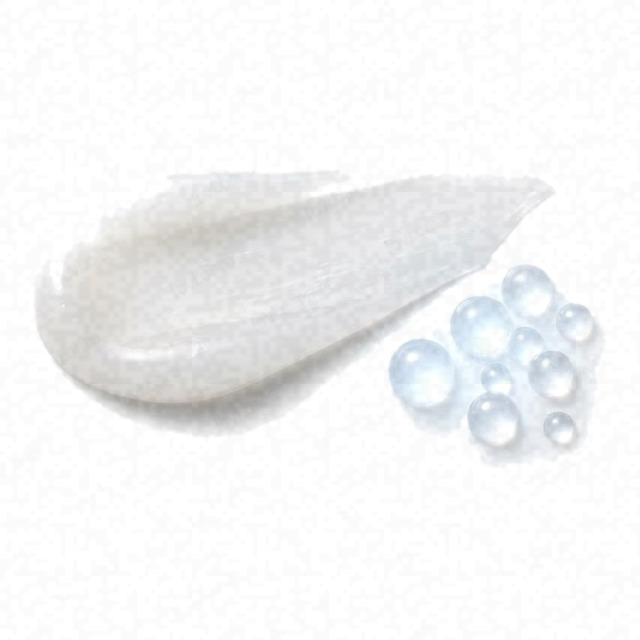 Redox Signaling Molecules
 Aloe Barbadensis
 Vitamin E
 Sodium Hyaluronate
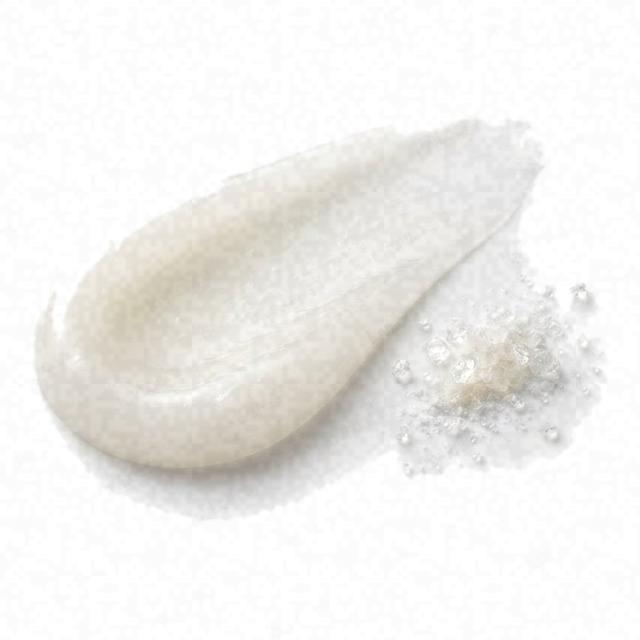 Peptides
High
- HighCombination Skin Fit
- AverageEffectiveness
- HighSafety
One of the best moisturizers for acne-prone skin.
This fit is calculated for the concerns frequently associated with acne-prone skin: breakouts, blackheads, and post-acne marks. For scores and recommendations based on your full skin profile, including your 12D face scan results and any goals or preferences you have, please use the Lovi app.
Page built Nov 8, 2026How the Fit score works
Lovi Assistant explains
- Offers excellent moisturizing treatment for your combination skin, as redox signaling molecules enhance barrier resilience and support cellular function. While beneficial for overall skin health, the formula lacks specialized ingredients to directly target your acne, blemishes, and breakouts.
- The absence of prohibited or harsh ingredients ensures a safe experience with no risk of irritation for your combination skin.
- This product provides general skincare benefits, such as hydration and soothing, which are supportive but not primary for addressing your specific concerns.
How to apply
- Use your moisturizer twice a day in your AM and PM routines. Apply it daily to help keep breakouts under control.
- Apply after your cleanser and toner, and make sure to use your SPF right after in the morning.
- Gently spread a small amount of moisturizer over your face using soft motions. Let it absorb into the skin for a minute before getting dressed or applying makeup.
- Apply on slightly damp skin to help lock in extra moisture. This keeps your combination skin balanced without feeling heavy.
- Avoid the eye area and do a patch test before your first use. Stop using if you feel any irritation.
Questions and answers
What makes ASEA Renu 28 Gel a great fit for acne-prone skin?
ASEA Renu 28 Gel is a great fit for acne-prone skin because redox signaling molecules strengthen your skin barrier and support cellular health. The formula is free from harsh ingredients, which helps keep your skin calm and safe from irritation. It provides supportive hydration, though it works best when paired with specialized acne-fighting ingredients.
Which ingredients make this cream a good fit for acne-prone skin?
Redox signaling molecules, aloe barbadensis, vitamin e, sodium hyaluronate, and peptides make this cream a great fit by providing hydration and soothing benefits. While it helps support overall skin health and barrier strength, it is still missing specialized ingredients to directly target acne and breakouts.
What do Redox Signaling Molecules do for acne-prone skin?
Redox Signaling Molecules help calm angry, acne-prone skin by reducing irritation and managing the oxidative stress that can worsen breakouts. A product of this type needs soothing ingredients and gentle antioxidants that help clear pores without causing extra redness or dryness.
What does Aloe Vera do for acne-prone skin?
Aloe vera helps calm acne-prone skin by reducing redness, swelling, and the number of blemishes. It works well to soothe irritated areas while keeping the skin smooth and comfortable.
Where does this cream go in a skincare routine for acne-prone skin?
This treatment goes in your evening routine after cleansing and before moisturizing, though it can also be used in the morning if preferred. It is safe and soothing for your skin, but because it lacks ingredients to directly target breakouts, acne-prone skin needs a product with specialized blemish-fighting actives.
Can I use it with retinol, and in what order?
You can use this moisturizing treatment with retinol to keep your skin feeling soft and calm while reducing dryness and irritation. Apply the treatment before your retinol product to help strengthen your skin barrier against the potential dryness from retinol.
How often should I use this cream?
You can use this moisturizing treatment twice a day as part of your routine. Regular daily application helps keep your skin soft and hydrated while supporting overall barrier health.
Journal of Cosmetic Dermatology, 2020Health Science Reports, 2021
Can it clog pores, cause breakouts or purging for acne-prone skin?
This product is unlikely to clog pores or cause breakouts on acne-prone skin because it avoids harsh ingredients that typically irritate the skin. However, since it lacks specialized ingredients to directly target blemishes, it will not actively clear breakouts.
Can I use this cream around the eyes or on my body?
Yes, you can use this moisturizing treatment around the eyes and on your body because its safe formula is very unlikely to cause irritation. The ingredients provide gentle hydration and soothing benefits that suit thinner skin areas and the body well.
What the research says
Combinations of isolated grape stem polyphenols with vitamins C and E improved antioxidant capacity in human keratinocytes in vitro by effectively modulating reactive oxygen species, glutathione, and lipid peroxidation compared to individual compounds or complete extracts.
Fitoterapia, 2017Alpha-tocopherol loaded nanostructured lipid carrier gel provided enhanced moisturizing and anti-aging properties in human volunteers over 12 weeks.
Journal of Cosmetic Dermatology, 2020Tocopherol succinate-loaded ethosomal gel increased skin deposition, stability, moisture, and mechanical properties in 13 human subjects compared to a control gel over 12 weeks.
Journal of Cosmetic Dermatology, 2022Topical application of tocopherol succinate ethosomal gel decreased erythema, melanin, and sebum levels while improving moisture content and skin elasticity in 34 human women.
Journal of Cosmetic Dermatology, 2024A cream combining propolis, tea tree oil, and Aloe vera reduced erythema scars, acne severity index, and total lesion count better than erythromycin cream in sixty patients with mild to moderate acne vulgaris compared to placebo.
Clinical Pharmacology, 2018Topical aloe vera gel significantly accelerated split-thickness skin graft donor-site healing compared to placebo in 12 patients, but showed no significant difference in pain relief.
Plastic and Reconstructive Surgery, 2018Topical application of Aloe vera cream reduced postoperative pain at rest and during defecation, accelerated wound healing at two weeks, and decreased analgesic requirements in patients after open hemorrhoidectomy compared to placebo.
Journal of Alternative and Complementary Medicine, 2010Topical application of an antioxidant serum containing 15% ascorbic acid, 0.5% ferulic acid, and 1% tocopherol prevented particulate matter-induced degradation of extracellular matrix components, inflammation, and oxidative stress in the skin of 15 female volunteers compared to untreated controls.
Journal of Cosmetic Dermatology, 2025Dermatological products containing d-alpha tocopheryl acetate showed non-comedogenic potential with less than a 50% increase in microcomedones in 12 healthy male subjects compared to octyl palmitate.
Contemporary Clinical Trials Communications, 2021Topical application of an antioxidant mix containing 15% ascorbic acid, 0.5% ferulic acid, and 1% tocopherol prevented PM and UV-induced skin barrier perturbation, lipid peroxidation, inflammatory markers, MMP9 activation, and Type I collagen loss in 15 healthy females compared to untreated exposed skin.
Journal of Cosmetic Dermatology, 2024Topical application of 0.1% hyaluronic acid formulations of different molecular weights led to significant improvements in skin hydration and elasticity, with low-molecular-weight formulations also significantly reducing wrinkle depth in seventy-six female subjects compared to a vehicle control.
Journal of Drugs in Dermatology, 2011Topical application of hyaluronic acid in conjunction with free gingival graft significantly reduced donor site postoperative pain until day 7 compared to normal saline, with no significant differences in graft dimensions or patient satisfaction.
Clinical Oral Investigations, 2022Treatment with a hyaluronic acid-containing mouth rinse or topical gel led to significant lesion reduction, pain relief, and normalization of lesion color in adult patients with minor recurrent aphthous stomatitis, with the gel formulation showing an earlier healing onset at 3 days.
BMC Oral Health, 2019
Ingredients
Water, Sodium Magnesium Silicate, Sodium Chloride, Disodium Phosphate, Sodium Phosphate, Redox Signaling Molecules
Behind this fit score
Lovi calculates every fit score from the full ingredient list with brand-independent rules our dermatologists and cosmetic chemists build and review, and personalizes every pick with AI trained on the real results of millions of users. Lovi trains its fit score models on a proprietary dataset built from more than 10,000 expert-labeled products and more than 100,000 simulated examples, following an internally consistent methodology presented at Cosmoprof, AMWC, and Skin of Color Update.
-

Co-founder, Medical Director
Cosmetic chemist, cosmetologist, aesthetic products developer
-

Co-founder, CEO and CTO
PhD in computer science, 3x US patent holder, ex-Google, ex-Yandex
-

Dr. Sofía Perea Pérez, MD, MSc
Medical Board
Aesthetic medicine practitioner, MSc in Longevity and Anti-Aging Medicine
-

Medical Board
Specialist dermatologist, MBBS, MD, IFAAD
-

Medical Board
Cosmetic chemist, SCS, IFSCC member
-

Medical Board, Medical Advisor
Dermatology MD
-

Elina Nazarenko, MD
Medical Board
Dermatology and diagnostic consultant
-

Victoria Derkova, MS
Medical Board
Cosmetic chemist, cosmetic development technologist


How does it fit your skin?
Scan your face, then any product: Lovi shows how well it fits you and what fits even better.