Ambi Skincare Fade Cream for combination skin

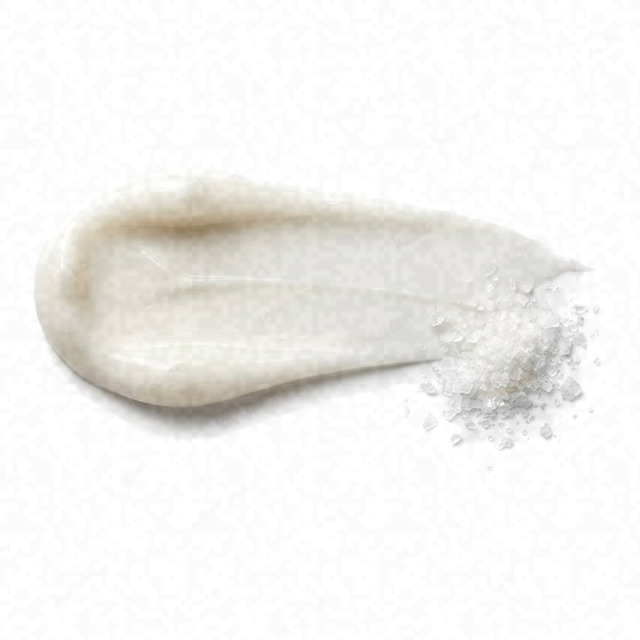 Hydroquinone
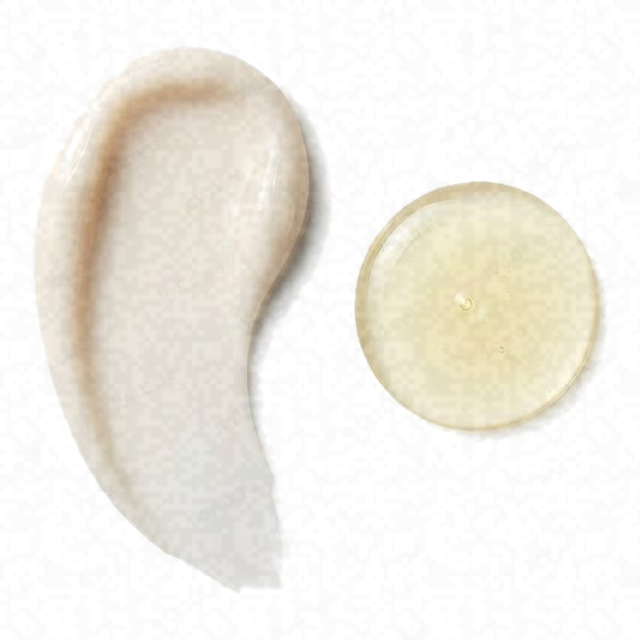 Octinoxate
 Vitamin E
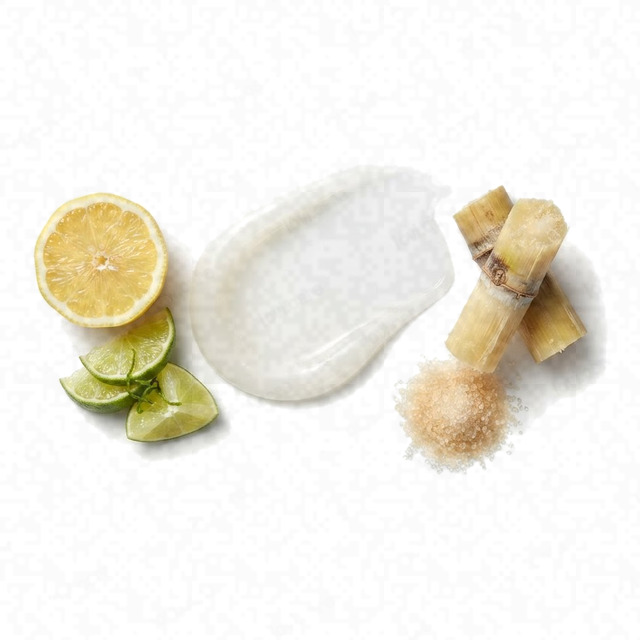 Alpha Hydroxy Acid
 Glycerin
Average
- AverageCombination Skin Fit
- AverageEffectiveness
- HighSafety
Works for combination skin; other serums fit it better.
This fit is calculated for the concerns frequently associated with combination skin: an oily T-zone, enlarged pores, and dry cheeks. For scores and recommendations based on your full skin profile, including your 12D face scan results and any goals or preferences you have, please use the Lovi app.
Page built Nov 8, 2026How the Fit score works
Lovi Assistant explains
- Offers effective skin brightening for you due to hydroquinone and sodium ascorbyl phosphate, which promote evening skin tone, but lacks sufficient ingredients for optimal oil control on your oily areas.
- Glycerin and Hydroxyethyl Urea provide hydration, which is a general skincare benefit, but these are irrelevant for your oily shine and combination skin concerns.
- The product is safe for your combination skin as it lacks prohibited or harsh ingredients, posing no risk of irritation.
How to apply
- Use your serum as part of your PM routine. Start using it 3 times a week and move to daily use if your skin likes it.
- Apply the serum after cleansing and toner, and right before your moisturizer.
- Gently press 2-3 drops of the serum into your skin and wait a minute ⏳for it to soak in.
- Apply the serum on clean and dry skin since your skin is not sensitive.
- Always do a patch test before using the serum for the first time, and avoid the eye area .
People Say
★3.6Overall rating based on 900+ reviewsRecent reviews show a clear division regarding the formula change, with many long-time users finding the new niacinamide-based version ineffective for hyperpigmentation compared to the original hydroquinone formula. New users and those with mild concerns report some success with gradual spot fading and improved skin texture, appreciating the cream's moisturizing feel and pleasant scent.
Highlights
Ineffective new formula Mostly Mentioned
- “new formula does nothing”
- “miss the old hydroquinone version”
- “stopped working after they changed ingredients”
- “waste of money now”
Improves skin texture Often Mentioned
- “leaves my face feeling soft”
- “great moisturizer for dry patches”
- “skin feels smooth after use”
- “helps with texture”
Slow results Often Mentioned
- “been using for months with no change”
- “takes forever to work”
- “much slower than the old tube”
- “requires too much patience”
Affordable price Sometimes Noted
- “great value for the money”
- “very affordable option”
- “good price point”
- “cheap but effective enough”
Gradual spot fading Sometimes Noted
- “faded my acne scars slowly”
- “spots are lighter after a month”
- “works if you are patient”
- “good for mild dark spots”
Pleasant scent & feel Sometimes Noted
- “smells very good”
- “lightweight and not greasy”
- “absorbs quickly into skin”
- “nice light floral scent”
Smaller packaging Sometimes Noted
- “tube is much smaller now”
- “less product for more money”
- “tiny tube runs out fast”
- “shrinkflation at its finest”
Caused breakouts/irritation Rarely Noted
- “broke my face out”
- “caused a rash on my cheeks”
- “burned my skin”
- “made my dark spots darker”
Sources: lovi.care, amazon.com, walmart.com, target.com, walgreens.com, reddit.com, and more
Questions and answers
How well does Ambi Fade Cream work for combination skin?
Ambi Skincare Fade Cream is an average fit for combination skin because it brightens uneven skin tone safely, but it lacks enough ingredients to control oily shine on your oily areas. To work best for this skin type, a treatment needs ingredients like niacinamide, propolis, or zinc PCA that balance moisture and regulate oil without causing irritation.
Which ingredients make this cream a good fit for combination skin?
This cream works for combination skin because hydroquinone and sodium ascorbyl phosphate help even out your skin tone. However, it lacks oil-controlling ingredients for your oily areas, so a treatment of this type needs ingredients like niacinamide, propolis, and zinc PCA to regulate oiliness and balance combination skin.
What does Hydroquinone do for combination skin?
Hydroquinone is a strong skin-lightening ingredient that helps fade stubborn dark spots and uneven patches on combination skin. It works to reduce excess pigment, though products of this type for combination skin also need gentle, balancing ingredients to keep dry areas smooth and oily zones calm without causing irritation.
What does Octinoxate do for combination skin?
Octinoxate protects combination skin from sun damage by absorbing UV rays, and liposomal forms may stay nicely on the surface to boost this defense. It is unlikely to cause breakouts or upset your skin balance, helping you stay protected without feeling heavy or greasy.
International Journal of Nanomedicine, 2013Archives of Dermatological Research, 2024
Where does it go in a skincare routine for combination skin?
This treatment goes in the evening routine after your cleansing toner and before your moisturizer. A product of this type for combination skin needs balancing ingredients that help control oil on oily areas while evening your skin tone.
Can I use this cream with retinol, and in what order?
You can use this cream with retinol by applying your retinol at night and using this treatment carefully, though combination skin also needs lightweight oil-absorbing ingredients to stay balanced.
How often should I use it?
Ambi Skincare Fade Cream can be used in your evening routine, starting at once a week and slowly increasing frequency if your skin tolerates it well. While it helps brighten your skin tone, this type of product for combination skin also needs ingredients that manage excess oil in shiny areas.
Can this cream clog pores, cause breakouts or purging for combination skin?
This cream is unlikely to cause irritation or breakouts on combination skin as it lacks harsh ingredients, though a product of this type still needs targeted oil-control ingredients to properly manage oily areas.
Is it fragrance-free and alcohol-free?
Yes, it has no fragrance and no drying alcohol. Cetyl alcohol is a fatty alcohol, which soften the skin.
What the research says
A single application of a moisturizing fluid containing hyaluronic acid 1%, glycerin 5%, and Centella asiatica stem cells extract significantly increased skin hydration by 29% and reduced transepidermal water loss at 24 hours compared to baseline and an untreated control site in twenty healthy women.
Clinical, Cosmetic and Investigational Dermatology, 2017TFC-1067 and 2% hydroquinone both significantly lightened facial dyschromia after 8 and 12 weeks in 48 healthy female subjects, but only hydroquinone also lightened normal skin.
Journal of Cosmetic Dermatology, 2020Replacing 20% of the chemical UV filter octyl methoxycinnamate with urucum oil in solid lipid nanoparticles maintained the skin protection factor without inducing toxic responses or significant skin penetration in human volunteers.
Skin Pharmacology and Physiology, 2018Liposomal encapsulation of octyl methoxycinnamate increases its safety, skin affinity, and in vivo solar photoprotection factor while slowing its release and enhancing retention in the stratum corneum compared to a conventional formulation.
International Journal of Nanomedicine, 2013Encapsulation of ethylhexyl methoxycinnamate and butyl methoxydibenzoylmethane in lipid microparticles significantly reduced their in vivo human skin penetration compared to nonencapsulated filters.
Skin Pharmacology and Physiology, 2011Topical application of an antioxidant serum containing 15% ascorbic acid, 0.5% ferulic acid, and 1% tocopherol prevented particulate matter-induced degradation of extracellular matrix components, inflammation, and oxidative stress in the skin of 15 female volunteers compared to untreated controls.
Journal of Cosmetic Dermatology, 2025Dermatological products containing d-alpha tocopheryl acetate showed non-comedogenic potential with less than a 50% increase in microcomedones in 12 healthy male subjects compared to octyl palmitate.
Contemporary Clinical Trials Communications, 2021Topical application of an antioxidant mix containing 15% ascorbic acid, 0.5% ferulic acid, and 1% tocopherol prevented PM and UV-induced skin barrier perturbation, lipid peroxidation, inflammatory markers, MMP9 activation, and Type I collagen loss in 15 healthy females compared to untreated exposed skin.
Journal of Cosmetic Dermatology, 2024The emollient V0034CR significantly reduced TEWL compared to vehicle and vehicle plus glycerol, and significantly increased corneometry scores compared to vehicle and vehicle plus petrolatum in healthy volunteers with dry skin, demonstrating combined barrier function improvement from petrolatum and hydration improvement from glycerol.
Journal of Cosmetic Dermatology, 2020Ten days of treatment with a cream containing 20% glycerin significantly increased skin hydration measured by corneometer values in 17 healthy volunteers compared to a placebo cream, but showed no influence on transepidermal water loss or skin sensitivity to an irritating surfactant.
International Journal of Cosmetic Science, 2001Niacinamide/glycerin body moisturizers provided better rapid and prolonged improvement of cosmetic xerosis through functional improvement of stratum corneum barrier function compared to no treatment and conventional moisturizers in female subjects.
Journal of Drugs in Dermatology, 2012
Why other serums fit combination skin better
Niacinamide and ferulic acid incorporated in a stable multiple emulsion successfully reduced melanin, sebum, and skin erythema while improving skin elasticity and hydration in human skin compared to a placebo.
BioMed Research International, 2022A panthenol-enriched mask improved skin hydration, regulated sebum, and reduced redness and TEWL across dry sensitive, oily sensitive, and oily acne skin subgroups with excellent tolerance and no adverse reactions.
Journal of Cosmetic Dermatology, 2024
Ingredients
Hydroquinone, Octinoxate, Water, Glycerin, Isopropyl Myristate, Stearic Acid, Cetyl Alcohol, Betaine, Hydroxyethyl Urea, Glyceryl Stearate, Peg-100 Stearate, Potassium Cetyl Phosphate, Dimethicone Crosspolymer, Sodium Metabisulfite, Pentaerythrityl Tetra-Di-T-Butyl Hydroxyhydrocinnamate, Tocopheryl Acetate, Methylparaben, Disodium Edta, Lactic Acid, Propylparaben, Ethylparaben, Peg-16 Soy Sterol, Sodium Ascorbyl Phosphate, Butylene Glycol, Glycine Soja Protein Soybean Protein
Behind this fit score
Lovi calculates every fit score from the full ingredient list with brand-independent rules our dermatologists and cosmetic chemists build and review, and personalizes every pick with AI trained on the real results of millions of users. Lovi trains its fit score models on a proprietary dataset built from more than 10,000 expert-labeled products and more than 100,000 simulated examples, following an internally consistent methodology presented at Cosmoprof, AMWC, and Skin of Color Update.
-

Co-founder, Medical Director
Cosmetic chemist, cosmetologist, aesthetic products developer
-

Co-founder, CEO and CTO
PhD in computer science, 3x US patent holder, ex-Google, ex-Yandex
-

Dr. Sofía Perea Pérez, MD, MSc
Medical Board
Aesthetic medicine practitioner, MSc in Longevity and Anti-Aging Medicine
-

Medical Board
Specialist dermatologist, MBBS, MD, IFAAD
-

Medical Board
Cosmetic chemist, SCS, IFSCC member
-

Medical Board, Medical Advisor
Dermatology MD
-

Elina Nazarenko, MD
Medical Board
Dermatology and diagnostic consultant
-

Victoria Derkova, MS
Medical Board
Cosmetic chemist, cosmetic development technologist


How does it fit your skin?
Scan your face, then any product: Lovi shows how well it fits you and what fits even better.