Algenist Perfect Clarifying Pore Corrector Mask for dry sensitive skin

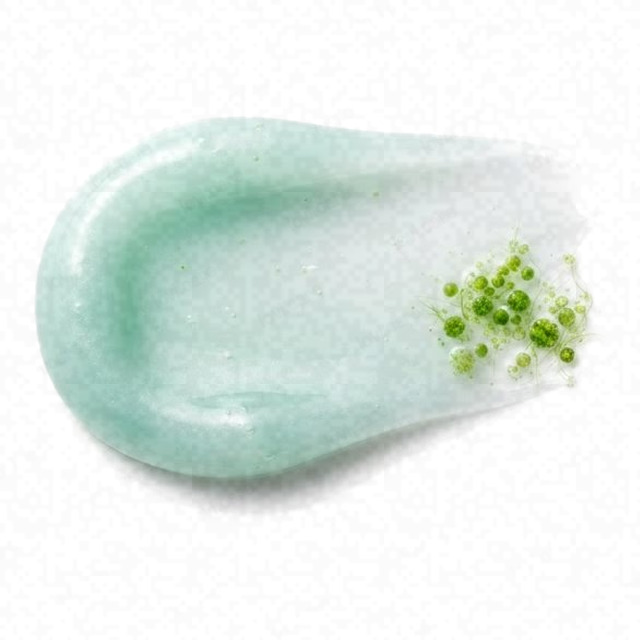 Alguronic Acid
 Salicylic Acid
 Aloe Barbadensis Leaf Juice Powder
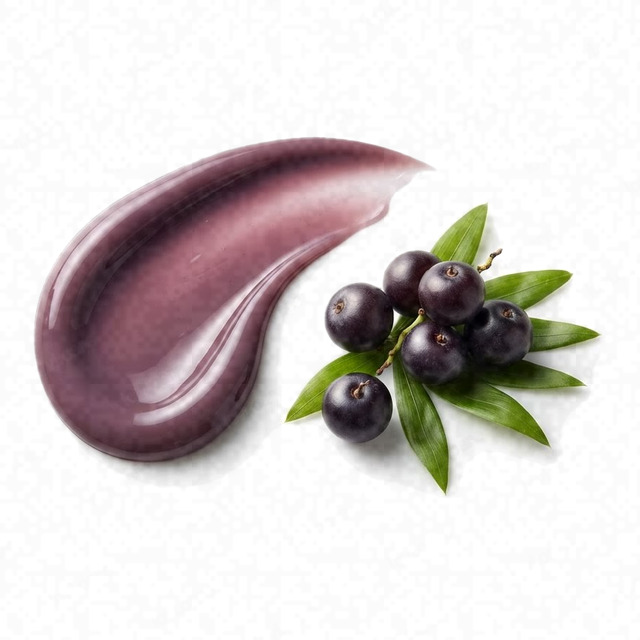 Euterpe Oleracea Pulp Powder
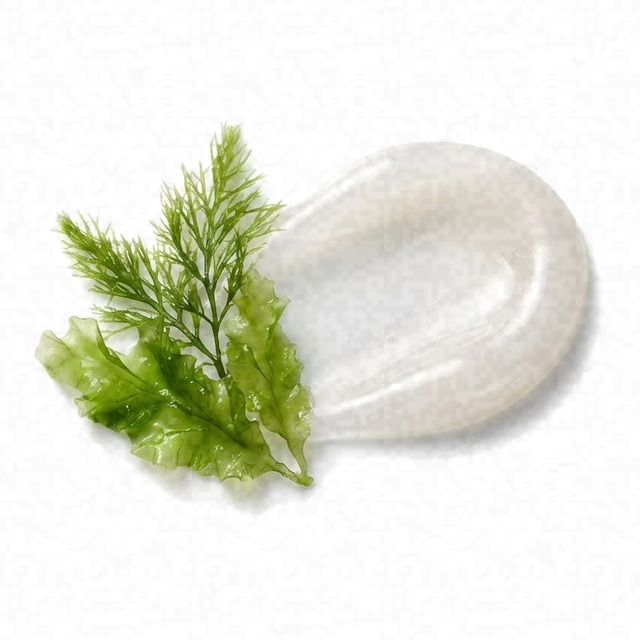 Algae Exopolysaccharides
Caution
- CautionDry Skin Fit
- HighEffectiveness
- RiskySafety
A poor match for dry sensitive skin; the cleansing masks alongside fit it better.
This fit is calculated for the concerns frequently associated with dry sensitive skin: flakiness, tightness, redness, fine lines, and wrinkles. For scores and recommendations based on your full skin profile, including your 12D face scan results and any goals or preferences you have, please use the Lovi app.
Page built Nov 8, 2026How the Fit score works
Lovi Assistant explains
- Offers moderate exfoliation for dry or flaky skin due to the presence of salicylic acid and willow bark extract, which provide mild chemical exfoliation, but is unsuitable for your dry and sensitive skin type as kaolin and salicylic acid can be drying.
- The product offers excellent pore cleansing due to salicylic acid and kaolin, which decongest pores, but these ingredients are more beneficial for oily skin types.
How to apply
- Use your cleansing mask PM once a week as part of your weekly routine, and increase to twice a week if your dry skin tolerates it well.
- Apply the cleansing mask after cleansing and enzyme powder, but before your hydrating toner, serum, and moisturizer.
- Smooth an even layer of the cleansing mask over your face while gently avoiding any unnecessary rubbing.
- Apply the cleansing mask to clean and dry skin to ensure better comfort for your sensitive skin type.
- Always avoid the eye area and do a patch test before using the cleansing mask for the first time.
People Say
★4.6Overall rating based on 100+ reviewsBased on limited data, this mask is highly praised for its ability to deeply clean pores and leave skin feeling exceptionally soft without the dryness typical of clay masks. Users frequently note that the orange-colored formula can stain towels and sinks, and it may cause temporary redness or tingling on sensitive skin.
Highlights
Minimizes pores Mostly Mentioned
- “pores look smaller”
- “gets all the gunk out”
- “clean out my pores”
Softens skin Often Mentioned
- “baby soft skin”
- “skin feels soft”
- “smooth skin”
Stains fabrics Often Mentioned
- “stain your lighter ones”
- “leave sink looking scary”
- “orange clay stains”
Non-drying formula Sometimes Noted
- “feels like a moisturizer”
- “absorbs oil without over-drying”
- “hydrated and refreshed”
Unique texture Sometimes Noted
- “glides over surface”
- “easy to apply”
- “unique sensory experience”
High price point Sometimes Noted
- “little expensive”
- “expensive but worth it”
Temporary redness Sometimes Noted
- “face quite sensitive”
- “redness lasted 20 minutes”
- “mild burning sensation”
Sulfur scent Rarely Noted
- “rotten egg smell”
- “strong nature”
- “scent is ok”
Sources: lovi.care, influenster.com, amazon.com, makeupandbeauty.com, evelienstatus.com, qvc.com, and more
Questions and answers
Why does Lovi advise caution with the Algenist Pore Corrector Mask for dry sensitive skin?
This mask is a poor match because kaolin and salicylic acid can be overly drying for dry and sensitive skin types. A cleansing mask for this skin needs hydrating and nourishing ingredients that provide excellent moisture and support the skin barrier without causing irritation.
Which ingredients make this mask a poor fit for dry sensitive skin?
This cleansing mask is a poor fit because kaolin and salicylic acid can be too drying for dry and sensitive skin. To work well for this skin type, a product of this type needs moisturizing and nourishing ingredients that provide excellent hydration and protect the skin barrier without causing irritation.
What does Alguronic Acid do for dry sensitive skin?
Alguronic Acid helps bring much-needed moisture to dry sensitive skin, keeping it soft and comfortable. Because it is gentle, it is unlikely to cause irritation while deeply boosting hydration.
What does Salicylic Acid do for dry sensitive skin?
Salicylic acid is generally a poor fit for dry, sensitive skin because it is designed to clear out pores by removing excess oil, which can easily leave dry skin irritated. A product of this type needs gentle exfoliating helpers paired with rich, soothing moisturizers and barrier-repairing ingredients to keep dry skin calm and comfortable.
Where does this mask go in a skincare routine for dry sensitive skin?
This cleansing mask is a poor match for dry sensitive skin because ingredients like kaolin and salicylic acid may leave it feeling dry and irritated. A product of this type needs soothing ingredients, gentle hydrators, and nourishing oils to keep this skin soft and comfortable.
Can I use this mask with retinol, and in what order?
Using this mask with retinol is likely to leave dry and sensitive skin too dry, red, and irritated because both ingredients strip moisture. If you still choose to use them together, apply the retinol on a different night or follow the mask with a rich, soothing moisturizer containing ceramides to help restore the skin barrier.
How often should I use this mask?
This mask is a poor match for your dry sensitive skin because ingredients like kaolin and salicylic acid can be overly drying. A cleansing mask for this skin type needs gentle, hydrating ingredients and nourishing plant extracts to keep skin soft and comfortable.
Can this mask clog pores, cause breakouts or purging for dry sensitive skin?
This mask is a poor match for dry sensitive skin because ingredients like salicylic acid and kaolin can be too drying and irritating. A product for this skin needs gentle hydrators and soothing ingredients to keep skin soft and calm without drying it out.
Is this mask fragrance-free and alcohol-free?
Yes, it has no fragrance and no drying alcohol.
What the research says
Twice daily application of a multitargeted dermocosmetic cream provided comparable efficacy to benzoyl peroxide 5% gel in reducing inflammatory, non-inflammatory, and total lesions in 150 Caucasian subjects with mild-to-moderate acne over 56 days, while demonstrating superior skin tolerability.
Journal of Cosmetic Dermatology, 2024The use of a salicylic acid-based dermocosmetic significantly reduces the needed quantity of benzoyl peroxide without impacting efficacy in mild to moderate acne, and as maintenance post-benzoyl peroxide allows a significant reduction of acne relapse compared to vehicle.
Journal of Drugs in Dermatology, 2023A moisturizer containing licochalcone A, 1,2-decanediol, L-carnitine, and salicylic acid significantly reduced noninflammatory, inflammatory, and total acne lesion counts compared to a vehicle control in Thai patients during a 12-week maintenance phase.
BioMed Research International, 2020Cryotherapy with liquid nitrogen achieved a higher cure rate (39%) than salicylic acid (24%) and a wait-and-see approach (16%) for cutaneous warts at 13 weeks in primary care patients.
CMAJ, 2010Treatment with 2% supramolecular salicylic acid hydrogel resulted in a regression and markedly improvement rate of 51.01% compared to 43.10% for Adapaline gel in patients with mild to moderate facial acne vulgaris, showing no significant difference in efficacy.
Journal of Cosmetic Dermatology, 2024Topical 5% benzoyl peroxide plus salicylic acid achieved the greatest lesion reduction at early 2 to 4 week time points compared to benzoyl peroxide, clindamycin, and combination benzoyl peroxide/clindamycin, while 5% benzoyl peroxide plus salicylic acid and combination benzoyl peroxide/clindamycin showed similar efficacy at 10 to 12 weeks in acne patients.
Journal of the American Academy of Dermatology, 2010A cream combining propolis, tea tree oil, and Aloe vera reduced erythema scars, acne severity index, and total lesion count better than erythromycin cream in sixty patients with mild to moderate acne vulgaris compared to placebo.
Clinical Pharmacology, 2018Topical aloe vera gel significantly accelerated split-thickness skin graft donor-site healing compared to placebo in 12 patients, but showed no significant difference in pain relief.
Plastic and Reconstructive Surgery, 2018Topical application of Aloe vera cream reduced postoperative pain at rest and during defecation, accelerated wound healing at two weeks, and decreased analgesic requirements in patients after open hemorrhoidectomy compared to placebo.
Journal of Alternative and Complementary Medicine, 2010An acai oil-based organogel containing hyaluronic acid showed no cytotoxicity and provided a high level of hydration, thermal protection, and hyaluronic acid release after 6 hours of application in in vitro and ex vivo tests.
Pharmaceutics, 2024Phenolic compounds from açai fruit, specifically malvidin and cyanidin derivatives, strongly protect immortalized fibroblasts against UV-A-induced oxidative stress by preventing ROS production, GSH depletion, lipid peroxidation, and stress-pathway protein phosphorylation compared to unprotected irradiated cells.
Journal of Photochemistry and Photobiology. B, Biology, 2017Nanotechnological hydrogels containing desonide nanocapsules and açai oil increased epidermal drug retention and reduced ear edema and inflammatory cell infiltration comparably to a commercial formulation with twice the drug concentration in an animal model of acute skin inflammation.
Pharmaceutical Development and Technology, 2022The exopolysaccharide EPS-229 protected keratinocytes from lipid peroxidation by 28%, demonstrated heavy metal chelating properties, reduced MDA production by 44% in pollution-exposed skin explants, and limited particle adhesion or aided cleansing in volunteers against placebo.
Journal of Cosmetic Science, 2017Paenibacillus macerans TKU029 produces exopolysaccharides and a biosurfactant using squid pen powder, with the biosurfactant exhibiting significant surface tension reduction, thermal and pH stability, and antimicrobial activity, while the exopolysaccharides achieve 37.3 to 44.3 percent human skin hydration over 180 minutes.
Applied Biochemistry and Biotechnology, 2014Exopolysaccharides from Lactobacillus plantarum HY7714 upregulated intestinal tight junction genes in Caco-2 cells and improved UVB-induced cytotoxicity, hydration capacity, metalloproteinases, and reactive oxygen species in HS68 cells.
Molecules, 2021
Ingredients
Water, Kaolin, Glycerin, Ammonium Acryloyldimethyltaurate Vp Copolymer, Magnesium Aluminum Silicate, Polysorbate 20, Euterpe Oleracea Pulp Powder, Algae Exopolysaccharides, Aloe Barbadensis Leaf Juice Powder, Sulfur, Ahnfeltia Concinna Extract, Willow Bark Extract, Salicylic Acid, Pseudoalteromonas Extract Ferment, Maltodextrin, Lens Esculenta Fruit Extract, Calcium Carbonate, Xanthan Gum, Menthyl Lactate, Quartz, Titanium Dioxide, Citric Acid, Sodium Citrate, Eucalyptus Globulus Oil Leaf, Ethylhexylglycerin, Caprylyl Glycol, Hexylene Glycol, Potassium Sorbate, Sodium Salicylate, Phenoxyethanol
Behind this fit score
Lovi calculates every fit score from the full ingredient list with brand-independent rules our dermatologists and cosmetic chemists build and review, and personalizes every pick with AI trained on the real results of millions of users. Lovi trains its fit score models on a proprietary dataset built from more than 10,000 expert-labeled products and more than 100,000 simulated examples, following an internally consistent methodology presented at Cosmoprof, AMWC, and Skin of Color Update.
-

Co-founder, Medical Director
Cosmetic chemist, cosmetologist, aesthetic products developer
-

Co-founder, CEO and CTO
PhD in computer science, 3x US patent holder, ex-Google, ex-Yandex
-

Dr. Sofía Perea Pérez, MD, MSc
Medical Board
Aesthetic medicine practitioner, MSc in Longevity and Anti-Aging Medicine
-

Medical Board
Specialist dermatologist, MBBS, MD, IFAAD
-

Medical Board
Cosmetic chemist, SCS, IFSCC member
-

Medical Board, Medical Advisor
Dermatology MD
-

Elina Nazarenko, MD
Medical Board
Dermatology and diagnostic consultant
-

Victoria Derkova, MS
Medical Board
Cosmetic chemist, cosmetic development technologist


How does it fit your skin?
Scan your face, then any product: Lovi shows how well it fits you and what fits even better.