Thayers Barrier Bestie Ultra Whip Cream for oily skin

 Squalane
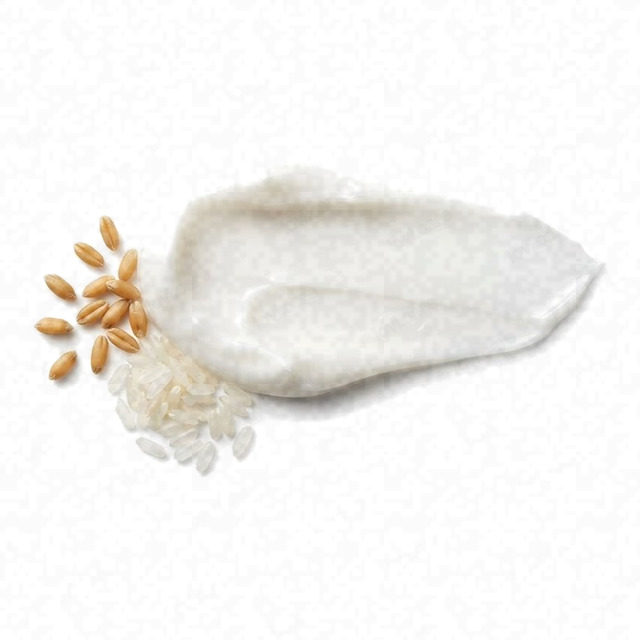 Ceramides
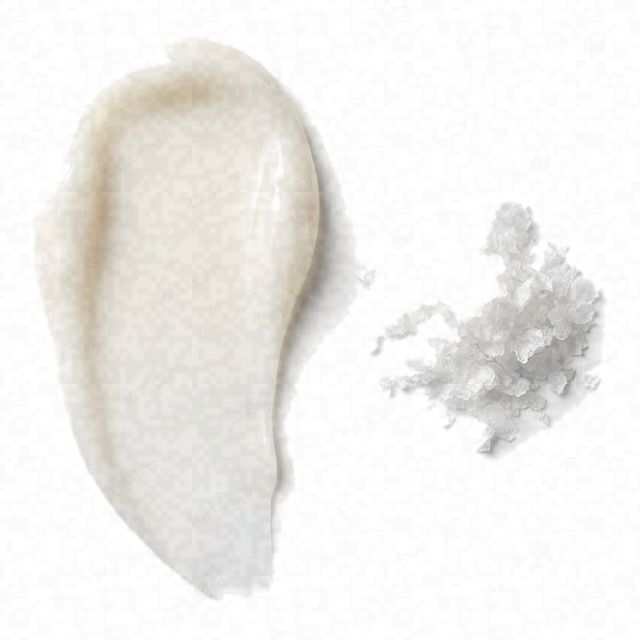 Cholesterol
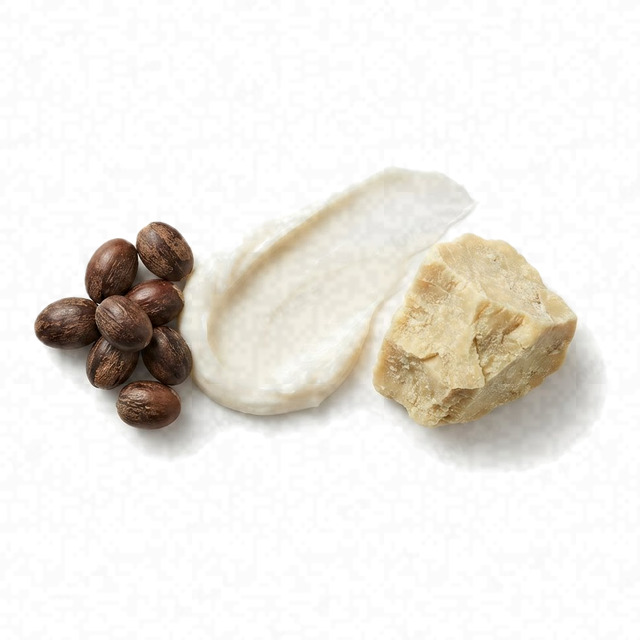 Shea Butter
 Glycerin
Caution
- AverageOily Skin Fit
- HighEffectiveness
- ConcerningSafety
A poor match for oily skin; the moisturizers alongside fit it better.
This fit is calculated for the concerns frequently associated with oily skin: shine, enlarged pores, blackheads, and blemishes. For scores and recommendations based on your full skin profile, including your 12D face scan results and any goals or preferences you have, please use the Lovi app.
Page built Nov 8, 2026How the Fit score works
Lovi Assistant explains
- Offers moderate suitability for oily skin due to the presence of salicylic acid with keratolytic action, but lacks sufficient seboregulating ingredients for optimal results in managing oiliness.
- While ceramides and squalane enhance barrier resilience and provide excellent moisturizing, the concentration of salicylic acid is insufficient to effectively manage oily shine.
How to apply
- Could be used as part of your AM or PM routine every day to keep your face fresh.
- Apply this moisturizer after cleansing and toning, but right before your SPF in the morning.
- Gently press a small amount into your skin and let it absorb fully.
- Apply on clean, slightly dry skin to help control that oily shine.
- Avoid the eye area and do a quick patch test before your first use.
People Say
★4.4Overall rating based on 700+ reviewsThis cream is highly regarded for its ability to provide deep, long-lasting hydration, making it an excellent choice for users with dry, flaky, or sensitive skin. Many users report that the rich, fragrance-free formula effectively repairs the skin barrier and soothes irritation, though some find the thick consistency heavy or potentially pore-clogging.
Highlights
Deeply hydrating Mostly Mentioned
- “Super hydrating and nourishing.”
- “Kept my skin moisturized.”
- “Taken my skin from dry to hydrated.”
Rich texture Often Mentioned
- “Rich and soothing feel.”
- “Thick and creamy texture.”
- “Absorbs well without sticky feeling.”
Soothes irritation Often Mentioned
- “Helped my skin irritation heal.”
- “Helped keep my skin calm.”
- “Reduced the flakes I was experiencing.”
Fragrance-free formula Sometimes Noted
- “Fragrance-free is a big plus.”
- “I like that it doesn't smell.”
- “Great for sensitive skin.”
Too thick/heavy Sometimes Noted
- “Consistency is too thick.”
- “Too thick to apply.”
- “Doesn't feel comfortable.”
Potential pore clogging Rarely Noted
- “I feel like it clogs my pores.”
- “A bit heavy for my skin.”
- “Too rich for daily use.”
Unpleasant scent Rarely Noted
- “I do not love the smell.”
- “Scent is a bit off.”
Sources: lovi.care, iherb.com, influenster.com, walmart.com, skinsort.com, pureformulas.com, and more
Questions and answers
Why does Lovi advise caution with Thayers Ultra Whip Cream for oily skin?
Lovi advises caution because this cream lacks enough oil-controlling ingredients to properly manage oily shine, even though it contains helpful barrier-strengthening lipids. A moisturizer for oily skin needs a lightweight texture with hydrating agents and peptides, avoiding heavy oils so it does not add to excess oiliness.
Which ingredients make this cream a poor fit for oily skin?
This cream is a poor match for oily skin because it lacks enough oil-controlling ingredients to properly manage shine. Oily skin of this type needs lightweight hydrators and peptides that maintain moisture and keep pores clear without heavy oils.
What does Squalane do for oily skin?
Squalane helps keep oily skin soft and smooth without feeling heavy, though oxidized forms may sometimes trigger irritation. To work well for oily skin, this type of product needs lightweight, non-clogging ingredients that balance moisture without adding excess grease.
What do Ceramides do for oily skin?
Ceramides help balance and strengthen oily skin by supporting the natural barrier and keeping moisture locked in without feeling heavy. They may also help calm irritation and reduce blemishes when used as part of a regular daily routine.
Journal of Cosmetic Dermatology, 2024Journal of Cosmetic Dermatology, 2004
Where does this cream go in a skincare routine for oily skin?
This cream is best used as a moisturizer in the morning and evening routine for oily skin, but it is only a moderate fit because it lacks enough oil-controlling ingredients. Oily skin needs a moisturizer with oil-absorbing ingredients and lightweight hydrators like hyaluronic acid or niacinamide to keep shine under control.
Can I use this cream with retinol, and in what order?
You can use this cream with retinol, and it works best applied after your retinol treatment to help keep your skin calm and moisturized. Using a barrier-supporting moisturizer alongside retinol helps reduce dryness and irritation while you treat your skin.
How often should I use this cream?
You can use this moisturizing treatment twice daily to help keep your skin hydrated, though oily skin needs a product with more oil-controlling ingredients and a stronger concentration of salicylic acid to effectively manage shine.
Journal of Cosmetic Dermatology, 2020Health Science Reports, 2021
Can this cream clog pores, cause breakouts or purging for oily skin?
This cream is unlikely to clog pores for most people, but because it feels heavy and lacks strong oil-controlling ingredients, oily skin needs a lighter product packed with oil-balancing ingredients instead.
Can I use this cream around the eyes or on my body?
This cream may be used around the eyes or on the body, though the skin around the eyes is significantly thinner than body skin. While it provides moisture and barrier support with ceramides and squalane, oily skin types generally need lightweight hydration and targeted oil-control ingredients for these areas.
Is this cream fragrance-free and alcohol-free?
It has no fragrance and contains drying alcohol (alcohol denat).
What the research says
A moisturizer containing licochalcone A, 1,2-decanediol, L-carnitine, and salicylic acid significantly reduced noninflammatory, inflammatory, and total acne lesion counts compared to a vehicle control in Thai patients during a 12-week maintenance phase.
BioMed Research International, 2020Twice daily application of a multitargeted dermocosmetic cream provided comparable efficacy to benzoyl peroxide 5% gel in reducing inflammatory, non-inflammatory, and total lesions in 150 Caucasian subjects with mild-to-moderate acne over 56 days, while demonstrating superior skin tolerability.
Journal of Cosmetic Dermatology, 2024The use of a salicylic acid-based dermocosmetic significantly reduces the needed quantity of benzoyl peroxide without impacting efficacy in mild to moderate acne, and as maintenance post-benzoyl peroxide allows a significant reduction of acne relapse compared to vehicle.
Journal of Drugs in Dermatology, 2023Squalane at 0.005-0.015% counteracts UVA-induced oxidative stress, inflammation, and collagen metabolism inhibition while stimulating fibroblast migration in human dermal fibroblasts.
Molecules, 2025Plant-derived squalane protected human dermal fibroblasts against UVA-induced damage by counteracting ROS formation, suppressing apoptosis-related proteins p53, caspase-3, caspase-9, and PARP, and restoring the pro-survival p-Akt/mTOR pathway.
Antioxidants, 2025Botulinum toxin-A encapsulated in phosphatidylcholine/cholesterol nanoliposomes delivered transdermally achieved a diffusion depth of 380 μm and showed a nonsignificant advantage in relieving post-acne scarring compared to hyaluronic acid hydrogel treatment in 12 facial patients.
Journal of Materials Science. Materials in Medicine, 2024Topical application of cholesterol sulfate increases stratum corneum thickness and inhibits protease-induced cell dissociation by competitively inhibiting serine proteases in mice and human stratum corneum.
The Journal of Investigative Dermatology, 1998Topical lovastatin treatment impairs the recovery of cutaneous permeability barrier function and stratum corneum cholesterol levels after acetone disruption in mice, an effect normalized by simultaneous treatment with mevalonate or cholesterol.
The Journal of Clinical Investigation, 1990A combination cream of stimu-tex AS and saccharide isomerate reduced erythema, increased skin capacitance, and reduced transepidermal water loss compared to placebo in 20 subjects after fractional CO2 laser procedure without causing serious adverse events.
Lasers in Medical Science, 2025A skin barrier restoring cream with shea butter, silkflo, and vitamin E increased type I procollagen synthesis, enhanced antioxidant enzyme activity, decreased reactive oxygen species generation, and promoted hyaluronic acid production in H2O2-stimulated human keratinocyte cells compared to untreated cells.
International Journal of Cosmetic Science, 2025A single application of a moisturizing fluid containing hyaluronic acid 1%, glycerin 5%, and Centella asiatica stem cells extract significantly increased skin hydration by 29% and reduced transepidermal water loss at 24 hours compared to baseline and an untreated control site in twenty healthy women.
Clinical, Cosmetic and Investigational Dermatology, 2017The emollient V0034CR significantly reduced TEWL compared to vehicle and vehicle plus glycerol, and significantly increased corneometry scores compared to vehicle and vehicle plus petrolatum in healthy volunteers with dry skin, demonstrating combined barrier function improvement from petrolatum and hydration improvement from glycerol.
Journal of Cosmetic Dermatology, 2020Ten days of treatment with a cream containing 20% glycerin significantly increased skin hydration measured by corneometer values in 17 healthy volunteers compared to a placebo cream, but showed no influence on transepidermal water loss or skin sensitivity to an irritating surfactant.
International Journal of Cosmetic Science, 2001
Ingredients
Water, Glycerin, Butyrospermum Parkii Butter, Caprylic Capric Triglyceride, Alcohol Denat, Glyceryl Stearate Se, Hydrogenated Jojoba Oil, Polyglyceryl-3 Methylglucose Distearate, Zea Mays Starch, Stearyl Alcohol, Squalane, Glycine Soja Oil, Dicaprylyl Ether, Stearic Acid, Ceramide Ap, Ceramide Eop, Ceramide Eos, Ceramide Np, Ceramide Ns, Bisabolol, Carbomer, Behenic Acid, Ceteareth-25, Sodium Hydroxide, Sodium Phytate, Myristic Acid, Cholesterol, Palmitic Acid, Caprooyl Phytosphingosine, Citric Acid Na, Gum, Ethylhexylglycerin, Caprooyl Sphingosine, Caprylyl Glycol, Cetyl Alcohol, Tocopherol, Ascorbyl Palmitate, Salicylic Acid, Phenoxyethanol
Behind this fit score
Lovi calculates every fit score from the full ingredient list with brand-independent rules our dermatologists and cosmetic chemists build and review, and personalizes every pick with AI trained on the real results of millions of users. Lovi trains its fit score models on a proprietary dataset built from more than 10,000 expert-labeled products and more than 100,000 simulated examples, following an internally consistent methodology presented at Cosmoprof, AMWC, and Skin of Color Update.
-

Co-founder, Medical Director
Cosmetic chemist, cosmetologist, aesthetic products developer
-

Co-founder, CEO and CTO
PhD in computer science, 3x US patent holder, ex-Google, ex-Yandex
-

Dr. Sofía Perea Pérez, MD, MSc
Medical Board
Aesthetic medicine practitioner, MSc in Longevity and Anti-Aging Medicine
-

Medical Board
Specialist dermatologist, MBBS, MD, IFAAD
-

Medical Board
Cosmetic chemist, SCS, IFSCC member
-

Medical Board, Medical Advisor
Dermatology MD
-

Elina Nazarenko, MD
Medical Board
Dermatology and diagnostic consultant
-

Victoria Derkova, MS
Medical Board
Cosmetic chemist, cosmetic development technologist


How does it fit your skin?
Scan your face, then any product: Lovi shows how well it fits you and what fits even better.