Supergoop! Mineral Mattescreen SPF 40 for oily acne-prone skin

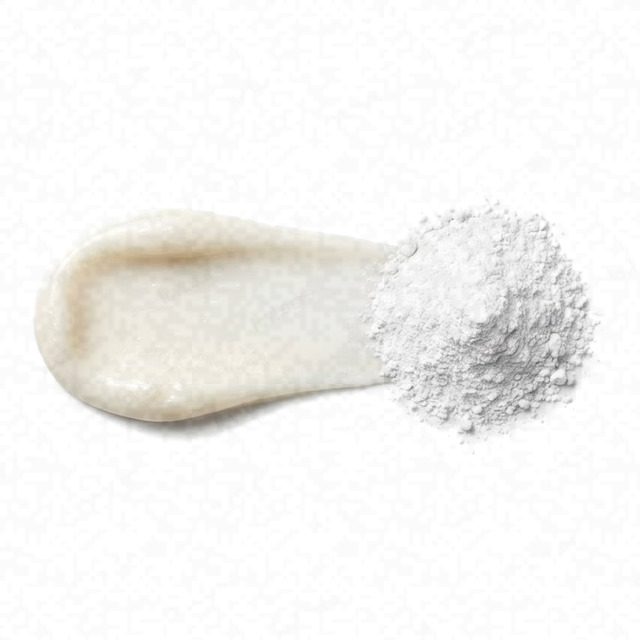 Titanium Dioxide
 Zinc Oxide
 Dimethicone
 Silica
 Glycerin
High
- HighOily Skin Fit
- AverageEffectiveness
- HighSafety
A great choice for oily acne-prone skin; a few sunscreens fit it even better.
This fit is calculated for the concerns frequently associated with oily acne-prone skin: shine, breakouts, blemishes, and enlarged pores. For scores and recommendations based on your full skin profile, including your 12D face scan results and any goals or preferences you have, please use the Lovi app.
Page built Nov 8, 2026How the Fit score works
Lovi Assistant explains
- Highly suitable for your oily skin due to the presence of dimethicone and dimethicone crosspolymer, which provide a mattifying effect and help control sebum, while titanium dioxide and zinc oxide offer excellent UV protection and mattifying benefits for your acne concerns.
- The inclusion of hedychium coronarium root extract and lactobacillus arundinaria gigantea leaf ferment filtrate offers additional soothing and antioxidant properties, supporting your skin's overall health.
- The safety profile is excellent, with no risks of irritation for your oily skin due to the absence of prohibited or harsh ingredients.
How to apply
- Apply this sunscreen AM as the final step of your morning skincare routine. Reapply every two hours when exposed to the sun for continuous protection.
- Apply after your moisturizer as the last step before makeup. Do not apply anything on top of your sunscreen.
- Gently spread a coin-sized amount evenly across your face and neck. Avoid harsh rubbing to prevent disturbing the protective layer.
- Apply on completely dry skin after your moisturizer has fully absorbed. This ensures the sunscreen forms an even, protective barrier.
- Avoid direct contact with your eyes during application. Do a patch test before first use to ensure no irritation occurs.
Questions and answers
What makes Supergoop! Mineral Mattescreen SPF 40 a great fit for oily acne-prone skin?
Supergoop! Mineral Mattescreen SPF 40 is a great fit because dimethicone and silica help control shine on oily skin, while titanium dioxide and zinc oxide provide sun protection that suits acne-prone skin. It has an excellent safety profile with no harsh ingredients, so it is unlikely to cause irritation.
Which ingredients make this sunscreen a good fit for oily acne-prone skin?
Dimethicone and dimethicone crosspolymer help control oil and create a matte finish, while titanium dioxide and zinc oxide protect against the sun without clogging pores. Added plant extracts also help calm the skin.
What does Titanium Dioxide do for oily acne-prone skin?
Titanium dioxide acts as a physical mineral sunscreen to shield oily, acne-prone skin from UV rays without clogging pores or triggering breakouts. It sits safely on the outer surface of the skin and is unlikely to penetrate or cause irritation.
International Journal of Cosmetic Science, 2000Skin Pharmacology and Applied Skin Physiology, 2001
What does Zinc Oxide do for oily acne-prone skin?
Zinc oxide helps calm oily, acne-prone skin by reducing redness and targeting blemish-causing bacteria. It is unlikely to cause irritation and may help decrease excess oil while supporting clearer skin.
Where does this sunscreen go in a skincare routine for oily acne-prone skin?
This sunscreen goes as the last step of your morning skincare routine, right after your moisturizer. It is a great fit for your oily, acne-prone skin because dimethicone and silica help control shine, while mineral UV filters protect your skin without causing irritation.
Can I use this sunscreen with retinol, and in what order?
You can use this sunscreen in your morning routine after your moisturizer, making it the final step before makeup. It is a great fit for your oily, acne-prone skin because it controls oil and provides sun protection without causing irritation.
How often should I use this sunscreen?
Supergoop! Mineral Mattescreen SPF 40 is a great fit for your oily acne-prone skin because it contains dimethicone and silica to keep shine under control and zinc oxide and titanium dioxide for UV protection without clogging pores. You should apply it every morning as the final step in your daytime routine, and it is very unlikely to cause irritation.
Can this sunscreen clog pores, cause breakouts or purging for oily acne-prone skin?
Supergoop! Mineral Mattescreen SPF 40 is a great fit because it uses dimethicone and silica to help control oil and shine without clogging pores or causing breakouts. It is very safe for oily acne-prone skin and is unlikely to cause irritation.
Is this sunscreen fragrance-free and alcohol-free?
Yes, it has no fragrance and no drying alcohol.
What the research says
Biomimetic hyaluronic acid-stabilized zinc oxide nanoparticles selectively inhibited C. acnes, outperformed erythromycin in preclinical acne models, and safely reduced acne lesions and redness in a clinical trial.
Journal of Controlled Release, 2025Topical 0.5% hyaluronic-ZnO nanogel applied twice daily reduced inflammatory-lesion counts by 58% at week four in human subjects compared to baseline without causing erythema.
Biomedicines, 2025A single application of a moisturizing fluid containing hyaluronic acid 1%, glycerin 5%, and Centella asiatica stem cells extract significantly increased skin hydration by 29% and reduced transepidermal water loss at 24 hours compared to baseline and an untreated control site in twenty healthy women.
Clinical, Cosmetic and Investigational Dermatology, 2017Microfine titanium dioxide does not penetrate human skin when formulated in an oil-in-water emulsion with the pigment dispersed in the aqueous phase, compared to oily dispersions and liposomal encapsulation which allow deeper skin penetration.
International Journal of Cosmetic Science, 2000Replacing microsized titanium dioxide and zinc oxide with nanoparticles in sunscreens eliminates opaqueness and alters UV protection balance while inducing (photo)cyto- and genotoxicity and penetrating viable skin layers during long-term exposures.
Nanotechnology, Science and Applications, 2011Microfine zinc oxide and titanium dioxide do not penetrate the stratum corneum of porcine skin in vitro, indicating that their use in sunscreens does not pose a health risk from internal exposure.
Toxicology in Vitro, 2006Hyaluronic acid-grafted titanium dioxide nanoparticles increased SPF from 13.3 to 19.1 while demonstrating low photocatalytic activity, exceptional thermal stability with >95% SPF retention, enhanced moisturization with >80% hydration retention, and minimal cytotoxicity with 88.5% cell viability in HaCaT keratinocytes compared to unmodified nanoparticles.
International Journal of Biological Macromolecules, 2025Nels cream achieved a similar reduction in inflammatory and noninflammatory lesion counts compared to 5% benzoyl peroxide in acne vulgaris patients, but caused significantly fewer side-effects such as peeling and dryness.
Clinical and Experimental Dermatology, 2000Topically applied coated and uncoated zinc oxide nanoparticles under flexing and massage are retained in the stratum corneum with no significant penetration into the viable epidermis and no cellular toxicity in human skin.
Nanomedicine, 2016Wearing an N95 mask alone compared to using dimethicone cream or hydrocolloid dressing caused more adverse skin reactions among 73 military health care workers, with no significant differences in fit test failure rates between groups.
Military Medicine, 2024Treatment with a moisturizer containing dimethicone and glycerine increased epidermal thickness by 0.019 mm, improved barrier function by decreasing transepidermal water loss by 13%, decreased melanin intensity, and induced keratins 6 and 16 in fifteen women with moderately photoaged forearms.
Clinical and Experimental Dermatology, 2007Externally applied substances such as ceramides, hyaluronic acid, licorice extracts, dimethicone, petrolatum, and paraffin wax treat skin disease resulting from damage to the skin barrier.
Clinics in Dermatology, 2012A functional cosmetic cream containing bioactive materials from Streptomyces sp. T65 embedded in SBA-15 decreased skin roughness by 4.670% and increased skin brightness by 0.472% after 4 weeks of application, while demonstrating antimicrobial, antioxidant, anti-aging, and whitening activities.
Antioxidants, 2020Film-forming formulations containing porous silica achieved skin permeation rates comparable to immediate release formulations while confirming prolonged drug availability and causing no skin irritation in healthy volunteers.
European Journal of Pharmaceutical Sciences, 2017Topical treatment with silica mud and microalgae extracts from the Blue Lagoon improved skin barrier function by inducing epidermal gene expression and reducing transepidermal water loss in healthy humans, while preventing skin aging markers in vitro.
Experimental Dermatology, 2008The emollient V0034CR significantly reduced TEWL compared to vehicle and vehicle plus glycerol, and significantly increased corneometry scores compared to vehicle and vehicle plus petrolatum in healthy volunteers with dry skin, demonstrating combined barrier function improvement from petrolatum and hydration improvement from glycerol.
Journal of Cosmetic Dermatology, 2020Ten days of treatment with a cream containing 20% glycerin significantly increased skin hydration measured by corneometer values in 17 healthy volunteers compared to a placebo cream, but showed no influence on transepidermal water loss or skin sensitivity to an irritating surfactant.
International Journal of Cosmetic Science, 2001Niacinamide/glycerin body moisturizers provided better rapid and prolonged improvement of cosmetic xerosis through functional improvement of stratum corneum barrier function compared to no treatment and conventional moisturizers in female subjects.
Journal of Drugs in Dermatology, 2012
Ingredients
Titanium Dioxide, Zinc Oxide, Dimethicone, Dimethicone Crosspolymer, Caprylic Capric Triglyceride, Methyl Dihydroabietate, Polyhydroxystearic Acid, C9-12 Alkane, Glycerin, Iron Oxides Ci 77492, Ethylhexylglycerin, Water, Coco-Caprylate Caprate, Silica, Stearic Acid, Iron Oxides Ci 77491, Iron Oxides Ci 77499, Hedychium Coronarium Root Extract, Lactobacillus Arundinaria Gigantea Leaf Ferment Filtrate, Leuconostoc Radish Root Ferment Filtrate, Titanium Dioxide Ci 77891
Behind this fit score
Lovi calculates every fit score from the full ingredient list with brand-independent rules our dermatologists and cosmetic chemists build and review, and personalizes every pick with AI trained on the real results of millions of users. Lovi trains its fit score models on a proprietary dataset built from more than 10,000 expert-labeled products and more than 100,000 simulated examples, following an internally consistent methodology presented at Cosmoprof, AMWC, and Skin of Color Update.
-

Co-founder, Medical Director
Cosmetic chemist, cosmetologist, aesthetic products developer
-

Co-founder, CEO and CTO
PhD in computer science, 3x US patent holder, ex-Google, ex-Yandex
-

Dr. Sofía Perea Pérez, MD, MSc
Medical Board
Aesthetic medicine practitioner, MSc in Longevity and Anti-Aging Medicine
-

Medical Board
Specialist dermatologist, MBBS, MD, IFAAD
-

Medical Board
Cosmetic chemist, SCS, IFSCC member
-

Medical Board, Medical Advisor
Dermatology MD
-

Elina Nazarenko, MD
Medical Board
Dermatology and diagnostic consultant
-

Victoria Derkova, MS
Medical Board
Cosmetic chemist, cosmetic development technologist


How does it fit your skin?
Scan your face, then any product: Lovi shows how well it fits you and what fits even better.