SkinMedica Even & Correct Advanced Brightening Treatment for sensitive skin

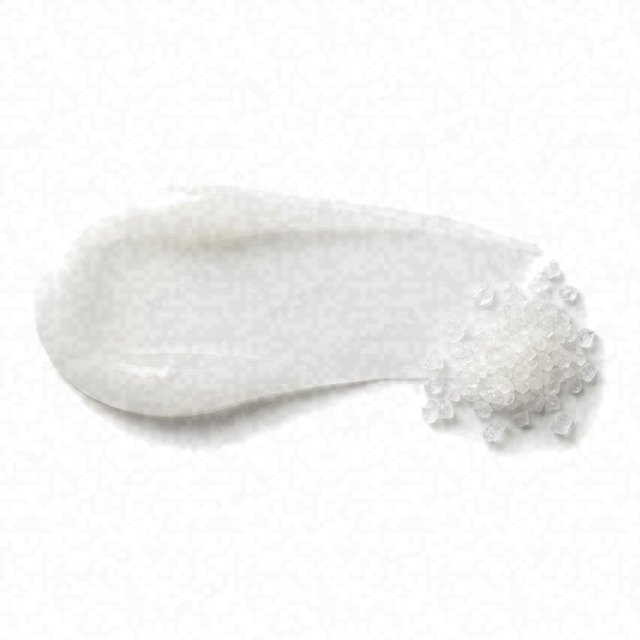 Tranexamic Acid
 Niacinamide
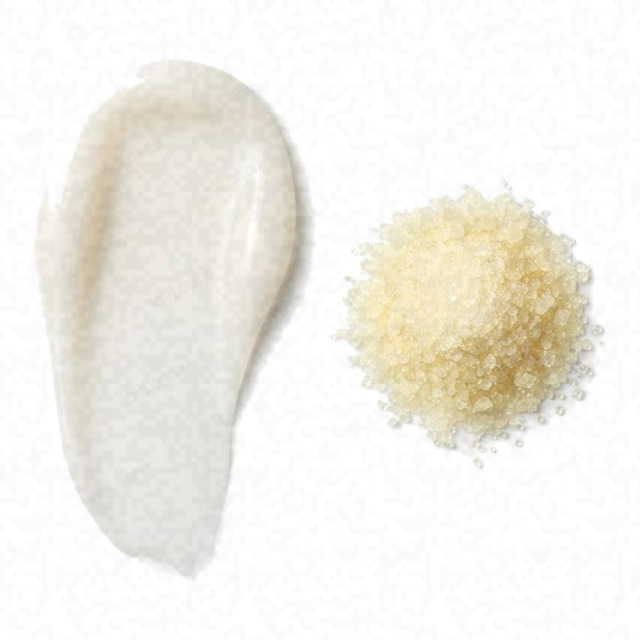 Phenylethyl Resorcinol
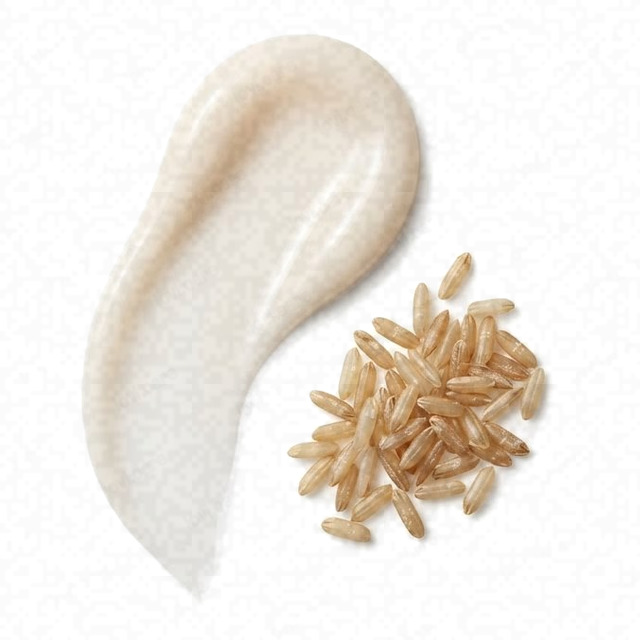 Phytic Acid
 Sodium Hyaluronate
Average
- AverageNormal Skin Fit
- AverageEffectiveness
- HighSafety
Works for sensitive skin; other serums fit it better.
This fit is calculated for the concerns frequently associated with sensitive skin: redness, stinging, and reactions to new products. For scores and recommendations based on your full skin profile, including your 12D face scan results and any goals or preferences you have, please use the Lovi app.
Page built Nov 8, 2026How the Fit score works
Lovi Assistant explains
- Offers moderate suitability for normal skin, as Niacinamide and Phenylethyl Resorcinol help regulate melanogenesis, but the formulation does not directly address your primary concerns of redness and irritation.
- While the product provides general hydration and cleansing benefits, its core ingredients are not optimized for your specific skin issues.
- The safety profile is excellent, with no harsh ingredients that would pose a risk of irritation to your sensitive skin.
How to apply
- Use your serum in the PM routine, starting 3 times a week before building up to daily use if your skin is happy.
- Apply the serum after cleansing and toning, but before putting on your moisturizer for the best results.
- Gently press 2-3 drops of the serum into your skin and wait a minute ⏱ for it to soak in.
- Since your skin is sensitive and easily irritated, apply the serum on completely dry skin to help keep it calm.
- Always do a patch test before your first use and avoid getting the serum too close to your eyes .
People Say
★4.2Overall rating based on 300+ reviewsThis product is frequently praised for improving skin radiance and fading dark spots, with many users reporting smoother texture and a gentle, non-irritating formula. Some users experience a more even and brighter complexion over time. A moderate number of users find the pump mechanism defective or experience slow results, and a few mention reduced product volume or potential breakouts.
Highlights
Fades dark spots Often Mentioned
- “My pigmentation and uneven spots have started looking lighter.”
- “Slowly sunspots fading.”
- “Stubborn hyperpigmentation has visibly faded.”
Visible brightening Often Mentioned
- “My skin looks rosier and healthier.”
- “I can genuinely see a difference in my skin tone and overall glow.”
- “My skin is brighter when I consistently use it.”
Gentle formula Sometimes Noted
- “It doesn't irritate my skin like others.”
- “Did not cause any breakouts or irritation.”
- “Powerful yet gentle product.”
Improves texture Sometimes Noted
- “Makes my skin so smooth and bright.”
- “My skin feels smoother and healthier.”
- “Leaves skin feeling softer and looking more polished.”
Defective pump Sometimes Noted
- “The product pump is defective from the beginning.”
- “Pump system terrible!”
- “Pump is broken.”
Slow results Sometimes Noted
- “I don't see any difference after finishing my 1st bottle.”
- “Didn't have good results.”
- “Hard to see the subtle differences.”
Caused breakouts Rarely Noted
- “It started breaking out and got very dry.”
- “Caused breakouts.”
Reduced volume Rarely Noted
- “Product was 2 ounces now it's 1.7 ounces.”
- “Paying the same price for 16% less product.”
- “Bottle is larger and heavier... doesn't fit nicely in my travel case.”
Sources: lovi.care, skinmedica.com, lovelyskin.com, dermstore.com, bloomingdales.com, dermavenue.com, and more
Questions and answers
How well does SkinMedica Even & Correct Advanced Brightening Treatment work for sensitive skin?
SkinMedica Even & Correct Advanced Brightening Treatment is an average fit for sensitive skin because it helps even out skin tone with ingredients like Niacinamide and Phenylethyl Resorcinol, but it does not directly target redness and irritation. It has a very safe formula that is unlikely to cause irritation, though treatments that rate higher for sensitive skin need ingredients that calm redness and irritation while still supporting overall skin health.
The British Journal of Dermatology, 2002Journal of Cosmetic Dermatology, 2021
Which ingredients make this treatment a good fit for sensitive skin?
Niacinamide and Phenylethyl Resorcinol help this treatment fit your sensitive skin by regulating pigment safely with little risk of irritation. However, because this product does not directly address redness, a treatment for sensitive skin needs ingredients that target redness and irritation alongside soothing hydrators and antioxidants.
The British Journal of Dermatology, 2002Journal of Cosmetic Dermatology, 2021
What does Tranexamic Acid do for sensitive skin?
Tranexamic acid helps calm sensitive skin by strengthening the skin barrier and reducing redness and flushing. It is unlikely to cause severe reactions, making it a well-tolerated choice for reactive or easily irritated skin.
International Journal of Dermatology, 2014Clinical, Cosmetic and Investigational Dermatology, 2024
What does Niacinamide do for sensitive skin?
Niacinamide helps calm sensitive skin by strengthening the skin barrier and reducing redness and irritation. It is very well tolerated and may improve overall comfort and resilience with regular use.
Where does it go in a skincare routine for sensitive skin?
This treatment goes in the evening routine after cleansing and toning, as a product of this type needs to be used then for simplicity and extra safety around sun exposure. It is unlikely to irritate sensitive skin, but to truly fit this skin type, it also needs ingredients that directly calm redness and soothe irritation.
Can I use this treatment with retinol, and in what order?
You can use this treatment with retinol, applying the treatment in your evening routine before your moisturizer and keeping retinol on alternate nights to avoid irritation. This type of sensitive skin needs a product that soothes redness and irritation while calming the skin.
How often should I use it?
This treatment works for your sensitive skin in the evening, starting once a week to see how your skin reacts. It has a very safe formula that is unlikely to cause irritation, but a product of this type for sensitive skin also needs soothing ingredients that actively calm redness and irritation.
Can this treatment clog pores, cause breakouts or purging for sensitive skin?
This treatment is unlikely to cause breakouts for sensitive skin, though some reviewers have occasionally reported them. It has a safe formula without harsh ingredients, but a product for this skin needs calming ingredients that directly target redness and irritation.
Is it fragrance-free and alcohol-free?
Yes, it has no fragrance and no drying alcohol.
What the research says
Niacinamide significantly decreased hyperpigmentation and increased skin lightness compared with vehicle alone after 4 weeks of use in women by inhibiting melanosome transfer.
The British Journal of Dermatology, 2002Nano-microneedle-assisted phenylethyl resorcinol significantly reduced the melanin index in infraorbital dark circles compared to baseline and topical-only treatment in 20 female participants without serious adverse effects.
Journal of Cosmetic Dermatology, 2021Topical treatment of nicotinamide, alone or in combination with other active ingredients, reduces the progression of skin aging and hyperpigmentation in clinical trials while being well tolerated.
Antioxidants, 2021Topical post-laser application of human adipocyte-derived mesenchymal stem cell media combined with niacinamide significantly improved wrinkle index, melanin index, patient satisfaction, and investigator esthetic improvement scores compared to vehicle cream in patients with aging skin.
Journal of Cosmetic Dermatology, 2021Topical nicotinamide prevented solar-simulated UV-induced immunosuppression in healthy volunteers, and men experienced immunosuppression at solar-simulated UV doses three times lower than those required for women.
The Journal of Investigative Dermatology, 2008Topical 5% niacinamide applied twice daily for 12 weeks reduced fine lines and wrinkles, hyperpigmented spots, red blotchiness, and skin sallowness, and improved skin elasticity compared to vehicle control in 50 female white subjects with facial photoaging.
Dermatologic Surgery, 2005L-ascorbic acid 10% plus phytic acid 2% serum significantly reduced the pigmentation index of solar lentigines compared to a vehicle control in 30 healthy subjects.
Journal of Cosmetic Dermatology, 2011Chemical peels using 35% glycolic acid, 20% salicylic-10% mandelic acid, and phytic acid reduce acne scores by 70.55%, 74.14%, and 69.7% respectively, and significantly decline the postacne hyperpigmentation index in Asian patients with mild to moderate acne.
Journal of Cutaneous and Aesthetic Surgery, 2019A topical facial emulsion containing 10% glycolic acid, 2% phytic acid, and a soothing complex significantly improved skin hyperpigmentation, texture, and tone homogeneity from week 4 through week 12 in American female volunteers with Fitzpatrick skin types II-VI.
Journal of Cosmetic Dermatology, 2021Topical application of 0.1% hyaluronic acid formulations of different molecular weights led to significant improvements in skin hydration and elasticity, with low-molecular-weight formulations also significantly reducing wrinkle depth in seventy-six female subjects compared to a vehicle control.
Journal of Drugs in Dermatology, 2011Topical application of hyaluronic acid in conjunction with free gingival graft significantly reduced donor site postoperative pain until day 7 compared to normal saline, with no significant differences in graft dimensions or patient satisfaction.
Clinical Oral Investigations, 2022Treatment with a hyaluronic acid-containing mouth rinse or topical gel led to significant lesion reduction, pain relief, and normalization of lesion color in adult patients with minor recurrent aphthous stomatitis, with the gel formulation showing an earlier healing onset at 3 days.
BMC Oral Health, 2019
Why other serums fit sensitive skin better
Topical application of TAT-SOD significantly suppresses UVB-induced erythema formation, blood flow rise, and apoptotic sunburn cell formation in human volunteers compared to a vehicle control.
European Journal of Pharmaceutics and Biopharmaceutics, 2016
Ingredients
Water, Tranexamic Acid, Butylene Glycol, Phytic Acid, Niacinamide, C12-15 Alkyl Benzoate, Polyacrylate-13, Glycerin, Phenylethyl Resorcinol, Nelumbo Nucifera Germ Extract, Vitis Vinifera Flower Cell Extract Grape Flower Cell Extract, Sodium Hyaluronate, Xanthophyll, Sclareolide, Diethylhexyl Syringylidenemalonate, Hydroxyacetophenone, Polyisobutene, Propanediol, Phenoxyethanol, Trehalose, Polysorbate 20, Disodium Edta, Ethylhexylglycerin, Sucrose, 2-Hexanediol, Caprylic Capric Triglyceride, Lecithin, Caprylhydroxamic Acid
Behind this fit score
Lovi calculates every fit score from the full ingredient list with brand-independent rules our dermatologists and cosmetic chemists build and review, and personalizes every pick with AI trained on the real results of millions of users. Lovi trains its fit score models on a proprietary dataset built from more than 10,000 expert-labeled products and more than 100,000 simulated examples, following an internally consistent methodology presented at Cosmoprof, AMWC, and Skin of Color Update.
-

Co-founder, Medical Director
Cosmetic chemist, cosmetologist, aesthetic products developer
-

Co-founder, CEO and CTO
PhD in computer science, 3x US patent holder, ex-Google, ex-Yandex
-

Dr. Sofía Perea Pérez, MD, MSc
Medical Board
Aesthetic medicine practitioner, MSc in Longevity and Anti-Aging Medicine
-

Medical Board
Specialist dermatologist, MBBS, MD, IFAAD
-

Medical Board
Cosmetic chemist, SCS, IFSCC member
-

Medical Board, Medical Advisor
Dermatology MD
-

Elina Nazarenko, MD
Medical Board
Dermatology and diagnostic consultant
-

Victoria Derkova, MS
Medical Board
Cosmetic chemist, cosmetic development technologist


How does it fit your skin?
Scan your face, then any product: Lovi shows how well it fits you and what fits even better.