Shiseido Men Total Revitalizer Cream for acne-prone skin

 Niacinamide
 Glycerin
 Tocopheryl Acetate
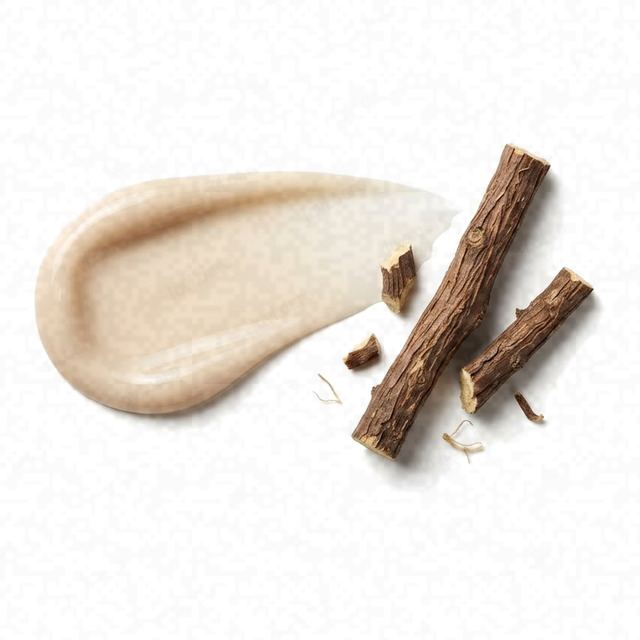 Dipotassium Glycyrrhizate
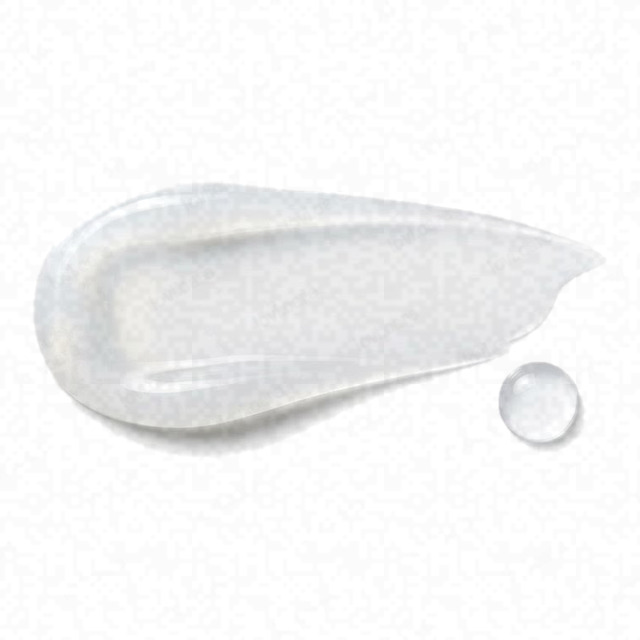 Dimethicone
High
- HighCombination Skin Fit
- HighEffectiveness
- HighSafety
A great choice for acne-prone skin; a few moisturizers fit it even better.
This fit is calculated for the concerns frequently associated with acne-prone skin: breakouts, blackheads, and post-acne marks. For scores and recommendations based on your full skin profile, including your 12D face scan results and any goals or preferences you have, please use the Lovi app.
Page built Nov 8, 2026How the Fit score works
Lovi Assistant explains
- Highly suitable for your combination skin, this formula leverages niacinamide to regulate sebum and glycerin for hydration, effectively balancing both oily and dry areas while addressing acne and breakouts.
- Dipotassium glycyrrhizate further aids in reducing inflammation and soothing blemishes, complementing the moisturizing and anti-aging benefits provided by glycerin and niacinamide.
- The product is safe for your skin, containing no harsh or prohibited ingredients that would cause irritation.
How to apply
- Use your moisturizer twice a day in your AM and PM routines. Apply it daily to help keep breakouts under control.
- Apply after your cleanser and toner, and make sure to use your SPF right after in the morning.
- Gently spread a small amount of moisturizer over your face using soft motions. Let it absorb into the skin for a minute before getting dressed or applying makeup.
- Apply on slightly damp skin to help lock in extra moisture. This keeps your combination skin balanced without feeling heavy.
- Avoid the eye area and do a patch test before your first use. Stop using if you feel any irritation.
People Say
★4.6Overall rating based on 900+ reviewsUsers report this cream effectively revitalizes dull and tired-looking skin, leaving it smoother and firmer without a greasy residue. It is highly praised for its lightweight hydration and ability to improve skin texture. Reactions to its fragrance are mixed, and some users with very dry skin find it insufficient for harsh winter conditions.
Highlights
Effective hydration Mostly Mentioned
- “skin feels hydrated all day”
- “moisturizing yet light”
- “relieves dryness immediately”
Improves skin texture Often Mentioned
- “skin looks noticeably more firm”
- “visibly improves roughness”
- “reduced signs of fatigue”
Non-greasy texture Often Mentioned
- “never feels heavy or clogging”
- “absorbs quickly avoiding stickiness”
- “non-greasy moisturizing cream”
High price Often Mentioned
- “extremely pricey”
- “price makes it necessary to alternate”
- “expensive compared to competitors”
Pleasant application Sometimes Noted
- “spreads effortlessly”
- “leaves skin feeling refreshed”
- “cools and refreshes skin”
Strong fragrance Sometimes Noted
- “scent is way too strong”
- “feels like rubbing cologne on face”
- “smell is a little too floral”
Insufficient for winter Rarely Noted
- “not nourishing enough in winter”
- “need something heavier for cold”
- “felt dry again by midday”
Sources: lovi.care, macys.com, nordstrom.com, shiseido.com, johnlewis.com, lookfantastic.com, and more
Questions and answers
What makes Shiseido Total Revitalizer Cream a great fit for acne-prone skin?
Shiseido Men Total Revitalizer Cream is a great fit for acne-prone skin because it uses niacinamide to balance oil and dipotassium glycyrrhizate to soothe blemishes and calm redness. Glycerin adds lightweight hydration without clogging pores, while its safe, gentle formula helps keep skin clear and comfortable.
Clinical, Cosmetic and Investigational Dermatology, 2017Acta Biomaterialia, 2022
Which ingredients make this cream a good fit for acne-prone skin?
Niacinamide, glycerin, and dipotassium glycyrrhizate make this cream a great fit by regulating oil, keeping skin hydrated, and soothing blemishes. It is safe for acne-prone skin and is unlikely to cause irritation.
Clinical, Cosmetic and Investigational Dermatology, 2017Acta Biomaterialia, 2022
What does Niacinamide do for acne-prone skin?
Niacinamide helps acne-prone skin by reducing both inflamed and uninflamed breakouts and calming redness. It is also very helpful for keeping oily skin balanced by cutting down on excess oil production, and it is well tolerated by most people.
What does Glycerin do for acne-prone skin?
Glycerin helps keep acne-prone skin hydrated and calm without clogging pores or feeling heavy. It supports the skin barrier so it stays soft and smooth while handling everyday treatments.
The British Journal of Dermatology, 2008International Journal of Toxicology, 2019
Where does this cream go in a skincare routine for acne-prone skin?
This moisturizing treatment goes in the morning and evening routine after cleansing and toning, and before your daytime sunscreen. It helps hydrate and balance your skin while soothing blemishes.
International Journal of Cosmetic Science, 2020Clinical, Cosmetic and Investigational Dermatology, 2017
Can I use this cream with retinol, and in what order?
You can use this moisturizing treatment with retinol by applying the cream after your retinol to help keep your skin calm and hydrated. Using a supportive moisturizer with retinoids is unlikely to cause irritation and may improve your skin's comfort while handling stronger treatments.
How often should I use this cream?
This cream is a great fit for your acne-prone skin and is typically used daily to keep both oily and dry areas balanced. Regular application helps improve hydration and supports the skin barrier while soothing blemishes.
Journal of Cosmetic Dermatology, 2020Health Science Reports, 2021
Can this cream clog pores, cause breakouts or purging for acne-prone skin?
This cream is unlikely to clog pores or cause breakouts for acne-prone skin, as it features a safe profile with ingredients like niacinamide and glycerin to balance oil and hydrate without irritation.
Contemporary Clinical Trials Communications, 2021Clinical, Cosmetic and Investigational Dermatology, 2017
Can I use this cream around the eyes or on my body?
This cream is designed for facial use, and applying it near the eyes requires care since the skin there is much thinner and more delicate than on the rest of the body. While the formula is generally safe, you should test a small area first to ensure it does not cause irritation in sensitive zones.
Is this cream fragrance-free and alcohol-free?
It contains fragrance (parfum, limonene, and linalool) and drying alcohol (alcohol).
What the research says
A single application of a moisturizing fluid containing hyaluronic acid 1%, glycerin 5%, and Centella asiatica stem cells extract significantly increased skin hydration by 29% and reduced transepidermal water loss at 24 hours compared to baseline and an untreated control site in twenty healthy women.
Clinical, Cosmetic and Investigational Dermatology, 2017Dipotassium glycyrrhizinate-loaded hydroxypropyl chitosan and poly(N-isopropylacrylamide) hydrogels applied to wounds in a mouse full-thickness skin defect model resulted in rapid wound closure, efficient tissue remolding, collagen deposition, and decreased inflammation compared to commercial Tegaderm film and 3M dressing controls.
Acta Biomaterialia, 2022Dermatological products containing d-alpha tocopheryl acetate showed non-comedogenic potential with less than a 50% increase in microcomedones in 12 healthy male subjects compared to octyl palmitate.
Contemporary Clinical Trials Communications, 2021Topical post-laser application of human adipocyte-derived mesenchymal stem cell media combined with niacinamide significantly improved wrinkle index, melanin index, patient satisfaction, and investigator esthetic improvement scores compared to vehicle cream in patients with aging skin.
Journal of Cosmetic Dermatology, 2021Topical nicotinamide prevented solar-simulated UV-induced immunosuppression in healthy volunteers, and men experienced immunosuppression at solar-simulated UV doses three times lower than those required for women.
The Journal of Investigative Dermatology, 2008Topical 5% niacinamide applied twice daily for 12 weeks reduced fine lines and wrinkles, hyperpigmented spots, red blotchiness, and skin sallowness, and improved skin elasticity compared to vehicle control in 50 female white subjects with facial photoaging.
Dermatologic Surgery, 2005The emollient V0034CR significantly reduced TEWL compared to vehicle and vehicle plus glycerol, and significantly increased corneometry scores compared to vehicle and vehicle plus petrolatum in healthy volunteers with dry skin, demonstrating combined barrier function improvement from petrolatum and hydration improvement from glycerol.
Journal of Cosmetic Dermatology, 2020Ten days of treatment with a cream containing 20% glycerin significantly increased skin hydration measured by corneometer values in 17 healthy volunteers compared to a placebo cream, but showed no influence on transepidermal water loss or skin sensitivity to an irritating surfactant.
International Journal of Cosmetic Science, 2001Niacinamide/glycerin body moisturizers provided better rapid and prolonged improvement of cosmetic xerosis through functional improvement of stratum corneum barrier function compared to no treatment and conventional moisturizers in female subjects.
Journal of Drugs in Dermatology, 2012Topical application of an antioxidant serum containing 15% ascorbic acid, 0.5% ferulic acid, and 1% tocopherol prevented particulate matter-induced degradation of extracellular matrix components, inflammation, and oxidative stress in the skin of 15 female volunteers compared to untreated controls.
Journal of Cosmetic Dermatology, 2025Topical application of an antioxidant mix containing 15% ascorbic acid, 0.5% ferulic acid, and 1% tocopherol prevented PM and UV-induced skin barrier perturbation, lipid peroxidation, inflammatory markers, MMP9 activation, and Type I collagen loss in 15 healthy females compared to untreated exposed skin.
Journal of Cosmetic Dermatology, 2024A topical antioxidant serum significantly reduced air pollution-induced skin pigmentation and proinflammatory gene expression ex vivo, and improved skin aging signs in 40 healthy adult females after 90 days of daily use.
Journal of Cosmetic Dermatology, 2022Combining 755 nm alexandrite laser with topical licorice gel significantly reduces terminal hair counts compared to alexandrite laser with placebo in women with idiopathic hirsutism.
Evidence-based Complementary and Alternative Medicine, 2015Licochalcone A activated Nrf2 signaling, elevated cytoprotective enzymes, increased the reduced-to-oxidized glutathione ratio, and decreased reactive oxygen species in human fibroblasts and neutrophils, while a LicA-rich licorice extract lowered UVA-induced oxidative processes in vivo.
Experimental Dermatology, 2015Bioactive glycyrrhizic acid and oxymatrine ionic liquid self-assembled nanomicelles significantly promoted the transdermal permeation, subcutaneous retention, and anti-photoaging efficacy of palmitoyl pentapeptide-4 in cellular and animal models compared to unformulated peptide.
Advanced Science, 2025Wearing an N95 mask alone compared to using dimethicone cream or hydrocolloid dressing caused more adverse skin reactions among 73 military health care workers, with no significant differences in fit test failure rates between groups.
Military Medicine, 2024A dimethicone skin protectant lotion significantly decreased visual scoring and transepidermal water loss compared to vehicle control and SLS-only treated sites in 12 healthy humans exposed to sodium lauryl sulfate.
Skin Research and Technology, 2000Treatment with a moisturizer containing dimethicone and glycerine increased epidermal thickness by 0.019 mm, improved barrier function by decreasing transepidermal water loss by 13%, decreased melanin intensity, and induced keratins 6 and 16 in fifteen women with moderately photoaged forearms.
Clinical and Experimental Dermatology, 2007
Ingredients
Water, Dimethicone, Glycerin, Alcohol, Dipropylene Glycol, Niacinamide, Ammonium Acryloyldimethyltaurate Vp Copolymer, Silica, Xylitol, Phenoxyethanol, Cetyl Ethylhexanoate, Tocopheryl Acetate, Acrylamide Sodium Acryloyldimethyltaurate Copolymer, Isohexadecane, Polysorbate 60, Butylene Glycol, Peg-20 Glyceryl Isostearate, Parfum, Aminopropyl Dimethicone, Polysorbate 80, Sodium Citrate, Acrylates C10-30 Alkyl Acrylate Crosspolymer, Dipeptide-15, Dipotassium Glycyrrhizate, Sorbitan Oleate, Potassium Hydroxide, Citric Acid, Sodium Metabisulfite, Sodium Metaphosphate, Rice Germ Oil, Titanium Dioxide Ci 77891, Limonene, Paeonia Albiflora Root Extract, Hydrogenated Lecithin, Peppermint Leaf Extract, Linalool, Centaurea Cyanus Flower Extract, Sanguisorba Officinalis Root Extract, Cinnamomum Cassia Bark Extract, Iron Oxides Ci 77492, Aluminum Hydroxide, Sodium Carboxymethyl Beta-Glucan, Fagus Sylvatica Bud Extract, Oryzanol, Camellia Japonica Seed Extract, Perilla Ocymoides Leaf Extract, Benzoic Acid, Glycyrrhiza Glabra Root Extract Licorice Root Extract, Ganoderma Lucidum Stem Extract Mushroom Stem Extract, Tocopherol
Behind this fit score
Lovi calculates every fit score from the full ingredient list with brand-independent rules our dermatologists and cosmetic chemists build and review, and personalizes every pick with AI trained on the real results of millions of users. Lovi trains its fit score models on a proprietary dataset built from more than 10,000 expert-labeled products and more than 100,000 simulated examples, following an internally consistent methodology presented at Cosmoprof, AMWC, and Skin of Color Update.
-

Co-founder, Medical Director
Cosmetic chemist, cosmetologist, aesthetic products developer
-

Co-founder, CEO and CTO
PhD in computer science, 3x US patent holder, ex-Google, ex-Yandex
-

Dr. Sofía Perea Pérez, MD, MSc
Medical Board
Aesthetic medicine practitioner, MSc in Longevity and Anti-Aging Medicine
-

Medical Board
Specialist dermatologist, MBBS, MD, IFAAD
-

Medical Board
Cosmetic chemist, SCS, IFSCC member
-

Medical Board, Medical Advisor
Dermatology MD
-

Elina Nazarenko, MD
Medical Board
Dermatology and diagnostic consultant
-

Victoria Derkova, MS
Medical Board
Cosmetic chemist, cosmetic development technologist


How does it fit your skin?
Scan your face, then any product: Lovi shows how well it fits you and what fits even better.