Perricone MD Vitamin C Ester Photo-Brightening Moisturizer SPF 30 for sensitive skin

 Ascorbic Acid Ester
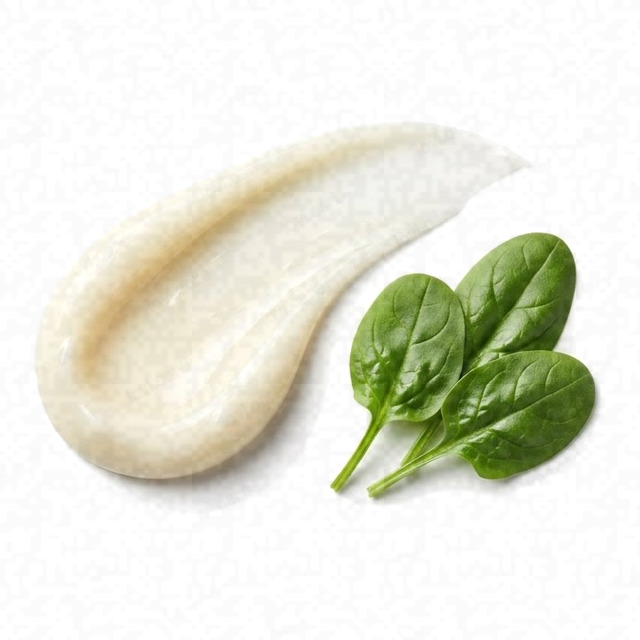 Alpha Lipoic Acid
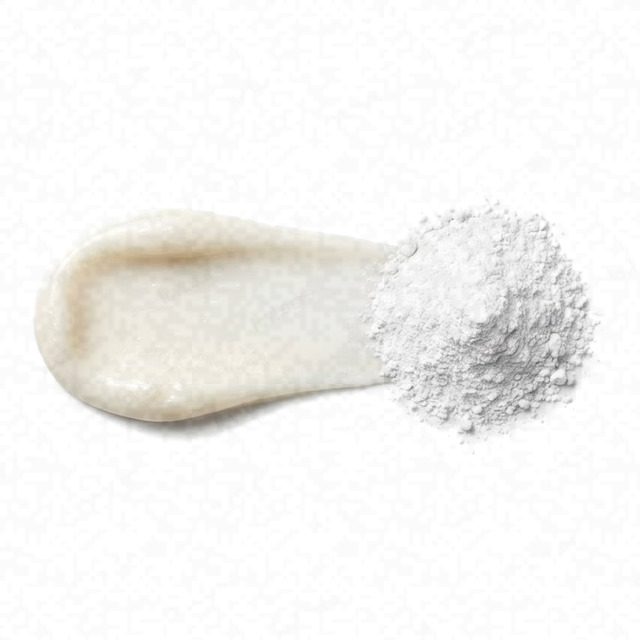 Titanium Dioxide
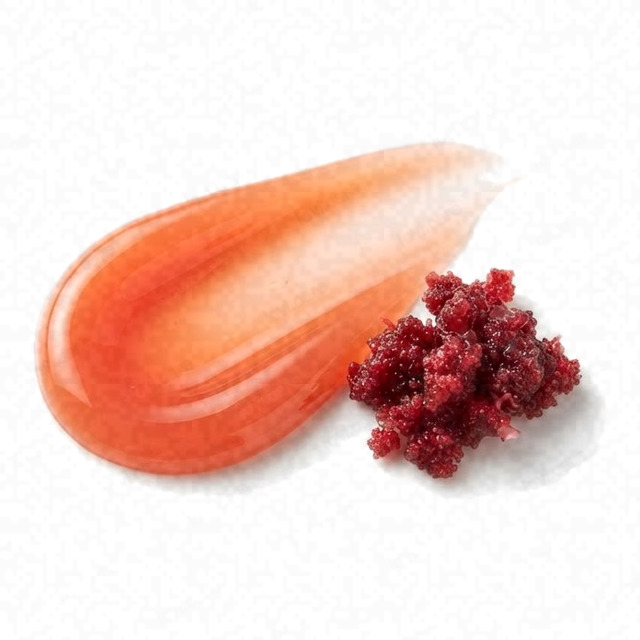 Astaxanthin
 Glycerin
High
- HighNormal Skin Fit
- HighEffectiveness
- HighSafety
A great choice for sensitive skin; a few sunscreens fit it even better.
This fit is calculated for the concerns frequently associated with sensitive skin: redness, stinging, and reactions to new products. For scores and recommendations based on your full skin profile, including your 12D face scan results and any goals or preferences you have, please use the Lovi app.
Page built Nov 8, 2026How the Fit score works
Lovi Assistant explains
- Highly suitable for your normal skin with sensitivity, as Bisabolol and Tetrahexyldecyl Ascorbate work to soothe redness and brighten your complexion, while Glycerin provides excellent moisturization.
- The inclusion of Astaxanthin further supports your skin's health with its antioxidant properties, complementing the primary benefits.
- The product is safe for your skin, containing no harsh or prohibited ingredients that would cause irritation.
How to apply
- Apply this moisturizing sunscreen AM daily as the final step of your morning routine. Always reapply every two hours when exposed to the sun.
- Apply after your regular moisturizer and before makeup. This product combines hydration and sun protection in one easy step.
- Gently smooth a nickel-sized amount evenly across your face and neck. Avoid rubbing harshly to keep sensitive skin calm.
- Apply the moisturizing sunscreen to clean , dry skin for the best protection. Let it absorb ⏱ fully before stepping outside.
- Avoid direct contact with your eyes. Do a patch test before your first use since your skin is sensitive.
People Say
★4.4Overall rating based on 800+ reviewsUsers frequently praise this moisturizer for its unique, whipped texture that feels lightweight and absorbs quickly without leaving a greasy residue or white cast. While many report a visible "glow" and improved skin tone over time, a significant number of users experience "pilling" when layering it under makeup or other products.
Highlights
Brightens and glows Often Mentioned
- “adds a tiny bit of radiance”
- “imparts a subtle glow to the skin”
- “skin looks beautiful but NOT SHINY”
- “unveils brighter-looking, more radiant skin”
Lightweight whipped texture Often Mentioned
- “whipped and airy consistency”
- “absorbs well with no greasy feeling”
- “light in consistency, does not feel heavy”
- “fluffy... wonderful texture”
Pills under makeup Often Mentioned
- “doesn't sit well under foundation”
- “pills under makeup”
- “rolls off the skin”
- “clumps when rubbed”
Invisible SPF protection Sometimes Noted
- “mineral based SPF... no white cast”
- “absorbs... no white streaks”
- “good protection... without thickness”
- “perfect base... protects against environmental aggressors”
Smooths skin surface Sometimes Noted
- “skin felt smoother and softer”
- “minimizes fine lines and wrinkles”
- “pores look smaller”
- “leaves skin feeling tight and soft”
Strong scent Sometimes Noted
- “strong citrus smell”
- “unpleasant odor”
- “scent is too overpowering”
- “smells like vitamins”
Insufficient hydration Rarely Noted
- “not moisturizing enough for dry skin”
- “leaves skin feeling tight”
- “need a separate moisturizer”
- “drying after a few hours”
Packaging issues Rarely Noted
- “lid is difficult to close”
- “heavy glass jar”
- “jar design is unhygienic”
- “product dries out in jar”
Sources: lovi.care, perriconemd.com, dermstore.com, ulta.com, lookfantastic.com, walmart.com, and more
Questions and answers
What makes Perricone MD Photo-Brightening Moisturizer SPF 30 a great fit for sensitive skin?
Perricone MD Vitamin C Ester Photo-Brightening Moisturizer SPF 30 is a great fit for sensitive skin because bisabolol and a gentle vitamin C ester help calm redness and brighten your complexion while glycerin keeps your skin soft and moisturized. Astaxanthin provides extra antioxidant support for skin health, and the formula is safe and free of harsh ingredients that typically cause irritation.
Journal of Cosmetic Dermatology, 2019European Journal of Pharmaceutics and Biopharmaceutics, 2017
Which ingredients make this moisturizer a good fit for sensitive skin?
Bisabolol and Tetrahexyldecyl Ascorbate make this moisturizer a great fit for sensitive skin because they help soothe redness and brighten your complexion. Additionally, Glycerin delivers wonderful moisturization while Astaxanthin supports skin health with antioxidants, and the product is safe from harsh ingredients that might cause irritation.
Journal of Cosmetic Dermatology, 2019European Journal of Pharmaceutics and Biopharmaceutics, 2017
What does Ascorbic Acid do for sensitive skin?
Ascorbic Acid helps improve skin elasticity and calms redness in reactive and sensitive skin when used properly. Studies show it is generally well-tolerated and provides safe anti-aging benefits for delicate skin types.
What does Alpha Lipoic Acid do for sensitive skin?
Alpha lipoic acid may not be the best fit for sensitive skin on its own, as it can sometimes cause irritation or skin disorders. A product for sensitive skin needs soothing, calming ingredients and gentle antioxidants that protect without causing redness or discomfort.
Where does this cream go in a skincare routine for sensitive skin?
This moisturizing spf goes in the morning routine after your soothing toner. It helps protect and brighten sensitive skin while keeping it comfortable all day.
Can I use this cream with retinol, and in what order?
You can use this moisturizing SPF in your morning routine after cleansing and toning, followed by your retinol product in the evening. This product is safe for sensitive skin and contains soothing bisabolol and gentle vitamin C to help keep your skin calm.
How often should I use this moisturizer?
Apply this moisturizing spf in the morning as part of your daily routine. Daily application helps keep your skin protected, hydrated, and calm.
Journal of Cosmetic Dermatology, 2020Health Science Reports, 2021
Can this cream clog pores, cause breakouts or purging for sensitive skin?
This cream is unlikely to clog pores or cause breakouts on sensitive skin, as it contains no harsh or heavy ingredients that typically trigger irritation. Its gentle formula helps keep skin calm and moisturized while protecting against the sun.
Journal of Cosmetic Dermatology, 2019European Journal of Pharmaceutics and Biopharmaceutics, 2017
Is this moisturizer fragrance-free and alcohol-free?
It has no drying alcohol and contains fragrance (benzyl alcohol).
What the research says
A 3-in-1 anti-aging topical night serum-in-oil applied once daily decreased wrinkles by 11%, increased skin firmness by 8%, reduced redness by 70%, and improved overall skin quality and complexion in 103 female subjects over 28 to 84 days compared to baseline.
Journal of Cosmetic Dermatology, 2019Topical formulations containing ascorbyl tetraisopalmitate, coenzyme Q10, green tea polyphenols, and resveratrol reduced the release of inflammatory cytokines and attenuated inflammatory signs compared to untreated skin and vehicle in 25 Japanese volunteers exposed to sodium dodecyl sulfate.
European Journal of Pharmaceutics and Biopharmaceutics, 2017Application of an alpha-bisabolol-containing cream produced a significant skin-lightening effect in pigmented skin compared to a vehicle control in the majority of female subjects after 8 weeks.
International Journal of Cosmetic Science, 2010Combining oral and topical astaxanthin in 30 healthy females improved skin wrinkles, age spots, elasticity, texture, and moisture, while 6 mg daily oral supplementation in 36 healthy males improved crow's feet wrinkles, elasticity, and transepidermal water loss.
Acta Biochimica Polonica, 2012Astaxanthin-loaded polyhydroxybutyrate microbeads achieved 98.1% encapsulation efficiency with sustained release, reduced degradation by 2-fold compared to unencapsulated astaxanthin, and showed no cytotoxicity or skin irritation in human cells and tests.
International Journal of Biological Macromolecules, 2024Topical application of 5% vitamin C cream significantly improved global clinical scores, increased skin microrelief density, and induced elastic tissue repair in photoaged skin compared to excipient control in healthy female volunteers.
Experimental Dermatology, 2003Ascorbic acid 2-glucoside gel significantly reduced gingival melanin pigmentation after 4 weeks compared to placebo in 73 subjects with symmetric pigmentation.
Journal of Periodontology, 2009Topical application of VC-IP cream twice daily for 8 weeks reduces periorbital wrinkles in female subjects compared to a placebo cream.
Journal of Cosmetic Dermatology, 2022Topical 30% P407 gel loaded with ALA cubosomes reduced facial lines, nearly resolved fine lines in the periorbital and upper lip areas, and improved skin color and texture without irritation or peeling in volunteers.
European Journal of Pharmaceutics and Biopharmaceutics, 2014Application of 5% cubosomal alpha lipoic acid gel twice daily for 6 months significantly improved global aesthetic scores and increased epidermal thickness compared to placebo in 20 aging female faces.
Journal of Cosmetic Dermatology, 2017Treatment with a cream containing 5% alpha-lipoic acid for 12 weeks reduces skin roughness by an average of 50.8% compared to 40.7% with placebo in women with photoaged facial skin.
The British Journal of Dermatology, 2003Microfine titanium dioxide does not penetrate human skin when formulated in an oil-in-water emulsion with the pigment dispersed in the aqueous phase, compared to oily dispersions and liposomal encapsulation which allow deeper skin penetration.
International Journal of Cosmetic Science, 2000Replacing microsized titanium dioxide and zinc oxide with nanoparticles in sunscreens eliminates opaqueness and alters UV protection balance while inducing (photo)cyto- and genotoxicity and penetrating viable skin layers during long-term exposures.
Nanotechnology, Science and Applications, 2011Microfine zinc oxide and titanium dioxide do not penetrate the stratum corneum of porcine skin in vitro, indicating that their use in sunscreens does not pose a health risk from internal exposure.
Toxicology in Vitro, 2006Oral astaxanthin supplementation significantly restored moisture content and improved elasticity but did not significantly decrease wrinkle depth compared to placebo in humans.
Nutrients, 2021Twice-daily application of a novel topical antioxidant formulation safe, well-tolerated, and effective in improving overall skin quality, fine lines, wrinkles, radiance, and hyperpigmentation in 32 healthy female subjects over 12 weeks.
Journal of Cosmetic Dermatology, 2023Astaxanthin prevents UV-induced cutaneous inflammation, abnormal keratinization, wrinkling, and pigmentation in human skin even when applied postirradiation.
Photochemistry and Photobiology, 2019A single application of a moisturizing fluid containing hyaluronic acid 1%, glycerin 5%, and Centella asiatica stem cells extract significantly increased skin hydration by 29% and reduced transepidermal water loss at 24 hours compared to baseline and an untreated control site in twenty healthy women.
Clinical, Cosmetic and Investigational Dermatology, 2017The emollient V0034CR significantly reduced TEWL compared to vehicle and vehicle plus glycerol, and significantly increased corneometry scores compared to vehicle and vehicle plus petrolatum in healthy volunteers with dry skin, demonstrating combined barrier function improvement from petrolatum and hydration improvement from glycerol.
Journal of Cosmetic Dermatology, 2020Ten days of treatment with a cream containing 20% glycerin significantly increased skin hydration measured by corneometer values in 17 healthy volunteers compared to a placebo cream, but showed no influence on transepidermal water loss or skin sensitivity to an irritating surfactant.
International Journal of Cosmetic Science, 2001
Ingredients
Water, Glycerin, Cyclopentasiloxane, Dimethicone, Pentylene Glycol, Ethylhexyl Methoxycrylene, Polyester-8, Polyglyceryl-3 Polydimethylsiloxyethyl Dimethicone, Hydroxyethyl Acrylate Sodium Acryloyldimethyl Taurate Copolymer, Benzyl Alcohol, Aluminum Hydroxide, Stearic Acid, Diethylhexyl Syringylidenemalonate, Hydrogenated Lecithin, Isohexadecane, Bisabolol, Tetrahexyldecyl Ascorbate, Phenoxyethanol, Polysilicone-11, Polysorbate 60, Caprylic Capric Triglyceride, Sodium Benzoate, Potassium Sorbate, Xanthan Gum, Hydrogenated Phosphatidylcholine, Thioctic Acid, Astaxanthin, Titanium Dioxide
Behind this fit score
Lovi calculates every fit score from the full ingredient list with brand-independent rules our dermatologists and cosmetic chemists build and review, and personalizes every pick with AI trained on the real results of millions of users. Lovi trains its fit score models on a proprietary dataset built from more than 10,000 expert-labeled products and more than 100,000 simulated examples, following an internally consistent methodology presented at Cosmoprof, AMWC, and Skin of Color Update.
-

Co-founder, Medical Director
Cosmetic chemist, cosmetologist, aesthetic products developer
-

Co-founder, CEO and CTO
PhD in computer science, 3x US patent holder, ex-Google, ex-Yandex
-

Dr. Sofía Perea Pérez, MD, MSc
Medical Board
Aesthetic medicine practitioner, MSc in Longevity and Anti-Aging Medicine
-

Medical Board
Specialist dermatologist, MBBS, MD, IFAAD
-

Medical Board
Cosmetic chemist, SCS, IFSCC member
-

Medical Board, Medical Advisor
Dermatology MD
-

Elina Nazarenko, MD
Medical Board
Dermatology and diagnostic consultant
-

Victoria Derkova, MS
Medical Board
Cosmetic chemist, cosmetic development technologist


How does it fit your skin?
Scan your face, then any product: Lovi shows how well it fits you and what fits even better.