Peach & Lily Matcha Pudding Antioxidant Cream for oily acne-prone skin

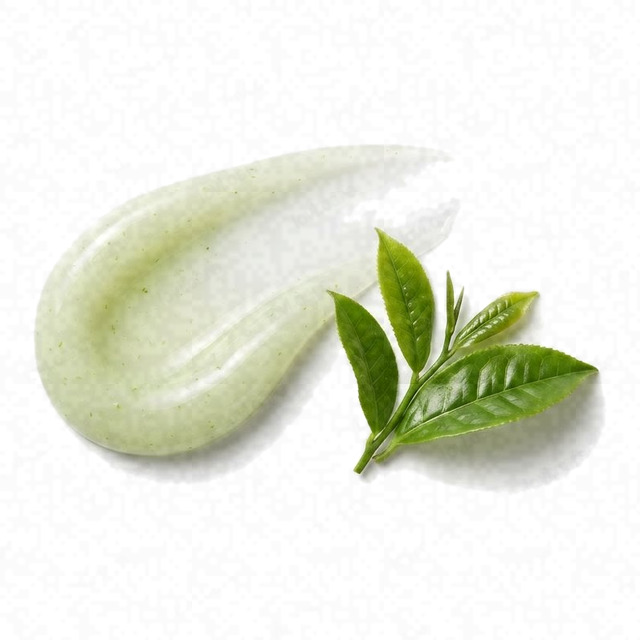 Matcha Green Tea
 Niacinamide
 Glycerin
 Panthenol
 Tocopherol
High
- AverageOily Skin Fit
- HighEffectiveness
- HighSafety
A great choice for oily acne-prone skin; a few moisturizers fit it even better.
- Clinical, Cosmetic and Investigational Dermatology, 2019
- American Journal of Clinical Dermatology, 2002
This fit is calculated for the concerns frequently associated with oily acne-prone skin: shine, breakouts, blemishes, and enlarged pores. For scores and recommendations based on your full skin profile, including your 12D face scan results and any goals or preferences you have, please use the Lovi app.
Page built Nov 8, 2026How the Fit score works
Lovi Assistant explains
- High suitability for your oily skin as niacinamide and camellia sinensis leaf extract provide excellent antioxidant benefits and hydration, supporting your goals for acne, blemishes, and breakouts. Panthenol and allantoin further soothe and hydrate, complementing the seboregulating properties of niacinamide.
- The formula offers general skincare benefits that are supportive for oily and acne-prone skin, with ingredients like tocopherol and adenosine contributing to overall skin health.
- The product is safe for your oily skin, with no risks of irritation due to the absence of harsh ingredients and the inclusion of soothing components like niacinamide and panthenol.
How to apply
- Use this AM and PM routine every day to help clear your skin. Always remember to finish with SPF in the morning.
- Apply the moisturizer after your cleanser and toner, right before your SPF during the day.
- Gently press a small amount into your skin and avoid rubbing to keep pores clear.
- Apply on clean, slightly damp skin to help the product absorb better and control oil.
- Avoid the sensitive eye area and do a simple patch test before your first use.
People Say
★4.8Overall rating based on 1.9k+ reviewsBased on a very large amount of data, this moisturizer is widely praised for its unique "pudding" texture that provides deep hydration without feeling heavy or greasy, making it ideal for combination, oily, and normal skin types. While it effectively calms redness and creates a "glass skin" glow for most, those with extremely dry skin or sensitivities to essential oils may find it insufficiently moisturizing or slightly irritating.
Highlights
Lightweight hydration Mostly Mentioned
- “deeply nourishing without grease”
- “perfect for combo skin”
- “hydrated but matte finish”
- “soft velvety feel”
Unique texture Often Mentioned
- “luxurious pudding consistency”
- “rich but absorbs fast”
- “glides on smooth”
- “feels like silk”
Soothing and calming Sometimes Noted
- “calms redness immediately”
- “soothes irritated skin”
- “great after peels”
Subtle scent Sometimes Noted
- “light citrus smell”
- “refreshing matcha scent”
- “smells like spa”
- “not overpowering”
Expensive for size Sometimes Noted
- “jar is too small”
- “expensive for amount”
- “finished too quickly”
- “pricey daily moisturizer”
Not for dry skin Sometimes Noted
- “not enough for winter”
- “need to layer oils”
- “dry patches remained”
- “too light for night”
Good under makeup Rarely Noted
- “wears well under makeup”
- “no pilling”
- “smooth canvas for foundation”
- “non-greasy base”
Caused breakouts Rarely Noted
- “caused cystic acne”
- “clogged my pores”
- “tiny whiteheads appeared”
- “broke me out”
Essential oil irritation Rarely Noted
- “caused burning sensation”
- “irritated sensitive skin”
- “strong citrus oils”
- “redness after application”
Packaging issues Rarely Noted
- “jar is unhygienic”
- “prefer a pump”
- “spatula is fiddly”
- “heavy glass jar”
Sources: lovi.care, ulta.com, influenster.com, gopicky.com, skinsort.com, youtube.com, and more
Questions and answers
What makes Peach & Lily Matcha Pudding Antioxidant Cream a great fit for oily acne-prone skin?
Peach & Lily Matcha Pudding Antioxidant Cream is a great fit because niacinamide and matcha green tea give your skin antioxidant care and help calm breakouts. Panthenol and allantoin also soothe and hydrate your skin while being very safe and unlikely to cause irritation.
Which ingredients make this cream a good fit for oily acne-prone skin?
This cream is a great fit for oily acne-prone skin because niacinamide and matcha green tea help manage oil and blemishes while providing lightweight hydration. Panthenol and allantoin further calm the skin, and the formula is unlikely to cause irritation.
What does Matcha Green Tea do for oily acne-prone skin?
Matcha Green Tea helps calm oily, acne-prone skin by reducing skin oil and breakouts. Topical application of its active components can lower inflammation and visibly improve acne lesions over several weeks of use.
What does Niacinamide do for oily acne-prone skin?
Niacinamide helps balance oil production, calms redness, and is unlikely to irritate oily, acne-prone skin while improving blemishes. Clinical tests show it reduces excess oil and helps clear up both inflammatory and non-inflammatory acne breakouts.
Journal of Cosmetic and Laser Therapy, 2006Journal of Cosmetic Dermatology, 2024
Where does this cream go in a skincare routine for oily acne-prone skin?
This moisturizing treatment goes after your cleanser, hydrating toner, and sunscreen in the morning, or after your makeup remover, cleanser, cleansing toner, and treatment in the evening. It is a great fit for your oily skin because ingredients like niacinamide and camellia sinensis leaf extract provide antioxidant benefits and hydration while helping manage breakouts.
Can I use this cream with retinol, and in what order?
You can use this cream with retinol by applying the moisturizer after your retinol treatment to help soothe the skin and reduce irritation. Using a hydrating moisturizer alongside strong acne treatments supports the skin barrier and improves comfort without lowering treatment effectiveness.
How often should I use this cream?
You can use this moisturizing treatment twice daily as part of your morning and evening routine. Regular daily application helps hydrate your skin while supporting your goals for breakouts and overall skin health.
Journal of Cosmetic Dermatology, 2020Health Science Reports, 2021
Can this cream clog pores, cause breakouts or purging for oily acne-prone skin?
This cream is unlikely to clog pores or cause breakouts on oily skin, as it features soothing ingredients like niacinamide and panthenol with no harsh additives. Green tea and other helpful plant extracts support your skin goals by calming blemishes and helping balance oil.
Can I use this cream around the eyes or on my body?
Yes, you can use this moisturizing treatment on the body and around the eyes because its formula is safe for oily skin and free of harsh ingredients. Its soothing components like panthenol, niacinamide, and allantoin help hydrate and comfort delicate areas without irritation.
Is this cream fragrance-free and alcohol-free?
Yes, it has no fragrance and no drying alcohol. Cetearyl alcohol and behenyl alcohol are fatty alcohols, which soften the skin.
What the research says
An anti-acne hydrogel containing Aloe barbadensis, Garcinia mangostana, and Camellia sinensis extracts showed superior antiacne and antiblotch activities compared to 1% clindamycin gel in sixty subjects with mild-moderate acne.
Clinical, Cosmetic and Investigational Dermatology, 2019Topical dexpanthenol acts as a moisturizer, improves stratum corneum hydration, accelerates wound healing and epidermal regeneration, reduces erythema, and improves symptoms of skin irritation compared to vehicle or no pretreatment.
American Journal of Clinical Dermatology, 2002A topical serum containing vitamin C, vitamin E, and raspberry leaf cell culture extract improved skin color, elasticity, radiance, smoothness, scaliness, and wrinkles compared to the untreated contralateral side in fifty female volunteers.
Journal of Cosmetic Dermatology, 2020A new topical panthenol-containing emollient significantly improved transepidermal water loss reduction, stratum corneum hydration, and intercellular lipid lamellae length compared with control in healthy subjects without negatively impacting bacterial viability.
The Journal of Dermatological Treatment, 2017Topical green tea extract significantly improved clinical symptoms, tear breakup times, and meibomian gland health compared to standard treatment in patients with dry eye and Meibomian Gland Dysfunction.
Journal of Clinical and Diagnostic Research, 2017Topical low-dose green tea extract reduces UVB-induced p53 expression and apoptosis in human skin keratinocytes compared to placebo.
Experimental Dermatology, 2009Topical application of green tea extract encapsulated chitosan microparticles improved skin elasticity, melanin index, and facial wrinkles compared to a placebo in female volunteers without causing skin irritation.
Journal of Cosmetic Dermatology, 2022Topical post-laser application of human adipocyte-derived mesenchymal stem cell media combined with niacinamide significantly improved wrinkle index, melanin index, patient satisfaction, and investigator esthetic improvement scores compared to vehicle cream in patients with aging skin.
Journal of Cosmetic Dermatology, 2021Topical nicotinamide prevented solar-simulated UV-induced immunosuppression in healthy volunteers, and men experienced immunosuppression at solar-simulated UV doses three times lower than those required for women.
The Journal of Investigative Dermatology, 2008Topical 5% niacinamide applied twice daily for 12 weeks reduced fine lines and wrinkles, hyperpigmented spots, red blotchiness, and skin sallowness, and improved skin elasticity compared to vehicle control in 50 female white subjects with facial photoaging.
Dermatologic Surgery, 2005A single application of a moisturizing fluid containing hyaluronic acid 1%, glycerin 5%, and Centella asiatica stem cells extract significantly increased skin hydration by 29% and reduced transepidermal water loss at 24 hours compared to baseline and an untreated control site in twenty healthy women.
Clinical, Cosmetic and Investigational Dermatology, 2017The emollient V0034CR significantly reduced TEWL compared to vehicle and vehicle plus glycerol, and significantly increased corneometry scores compared to vehicle and vehicle plus petrolatum in healthy volunteers with dry skin, demonstrating combined barrier function improvement from petrolatum and hydration improvement from glycerol.
Journal of Cosmetic Dermatology, 2020Ten days of treatment with a cream containing 20% glycerin significantly increased skin hydration measured by corneometer values in 17 healthy volunteers compared to a placebo cream, but showed no influence on transepidermal water loss or skin sensitivity to an irritating surfactant.
International Journal of Cosmetic Science, 2001Moisturizer containing 5% panthenol, madecassoside, and copper-zinc-manganese decreased adverse reactions and downtime after ablative fractional carbon dioxide laser resurfacing with comparable efficacy to 0.02% triamcinolone acetonide cream in 20 subjects.
Journal of Cosmetic Dermatology, 2019Topical dexpanthenol formulated in lipophilic vehicles improved stratum corneum hydration and reduced transepidermal water loss compared to vehicle control in humans.
Arzneimittel-Forschung, 2000Hyaluronic acid, hyaluronic acid plus dexpanthenol, and isotonic saline nasal sprays all significantly improved dry nose symptoms over four weeks in 240 patients, with hyaluronic acid plus dexpanthenol providing superior nasal moisturisation compared to the other two.
Auris, Nasus, Larynx, 2020Topical application of an antioxidant serum containing 15% ascorbic acid, 0.5% ferulic acid, and 1% tocopherol prevented particulate matter-induced degradation of extracellular matrix components, inflammation, and oxidative stress in the skin of 15 female volunteers compared to untreated controls.
Journal of Cosmetic Dermatology, 2025Dermatological products containing d-alpha tocopheryl acetate showed non-comedogenic potential with less than a 50% increase in microcomedones in 12 healthy male subjects compared to octyl palmitate.
Contemporary Clinical Trials Communications, 2021Topical application of an antioxidant mix containing 15% ascorbic acid, 0.5% ferulic acid, and 1% tocopherol prevented PM and UV-induced skin barrier perturbation, lipid peroxidation, inflammatory markers, MMP9 activation, and Type I collagen loss in 15 healthy females compared to untreated exposed skin.
Journal of Cosmetic Dermatology, 2024
Ingredients
Water, Ethylhexyl Palmitate, Glycerin, Niacinamide, Cetearyl Alcohol, 1,2-Hexanediol, Dicaprylyl Carbonate, Butylene Glycol, Glyceryl Stearate, Sorbitan Stearate, Camellia Sinensis Leaf Extract, Juniperus Communis Fruit Extract, Melia Azadirachta Flower Extract, Melia Azadirachta Leaf Extract, Moringa Oleifera Seed Extract, Nelumbo Nucifera Flower Extract, Panthenol, Tocopherol, Adenosine, Allantoin, Betaine, Caramel, Chlorphenesin, Eriobotrya Japonica Leaf Extract, Glyceryl Olivate, Cetearyl Olivate, Hydrogenated Rapeseed Alcohol, Propanediol, Pantolactone, Hydroxyethyl Acrylate Sodium Acryloyldimethyl Taurate Copolymer, Tromethamine, Trisodium Ethylenediamine Disuccinate, Sucrose, Mineral Salts, Acrylates C10-30 Alkyl Acrylate Crosspolymer, Behenyl Alcohol, Polyglyceryl-4 Oleate, Hydrogenated Oil, Dipotassium Glycyrrhizate, Stearic Acid, Sorbitan Olivate, Sorbitan Isostearate, Rosewood Oil Wood, Bergamot Oil Fruit, Citrus Aurantium Dulcis Peel Oil, Salvia Sclarea Oil, Thymus Vulgaris Oil Flower Leaf
Behind this fit score
Lovi calculates every fit score from the full ingredient list with brand-independent rules our dermatologists and cosmetic chemists build and review, and personalizes every pick with AI trained on the real results of millions of users. Lovi trains its fit score models on a proprietary dataset built from more than 10,000 expert-labeled products and more than 100,000 simulated examples, following an internally consistent methodology presented at Cosmoprof, AMWC, and Skin of Color Update.
-

Co-founder, Medical Director
Cosmetic chemist, cosmetologist, aesthetic products developer
-

Co-founder, CEO and CTO
PhD in computer science, 3x US patent holder, ex-Google, ex-Yandex
-

Dr. Sofía Perea Pérez, MD, MSc
Medical Board
Aesthetic medicine practitioner, MSc in Longevity and Anti-Aging Medicine
-

Medical Board
Specialist dermatologist, MBBS, MD, IFAAD
-

Medical Board
Cosmetic chemist, SCS, IFSCC member
-

Medical Board, Medical Advisor
Dermatology MD
-

Elina Nazarenko, MD
Medical Board
Dermatology and diagnostic consultant
-

Victoria Derkova, MS
Medical Board
Cosmetic chemist, cosmetic development technologist


How does it fit your skin?
Scan your face, then any product: Lovi shows how well it fits you and what fits even better.