numbuzin Vitamin-Niacinamide Concentrated Pad for acne-prone skin

 Niacinamide
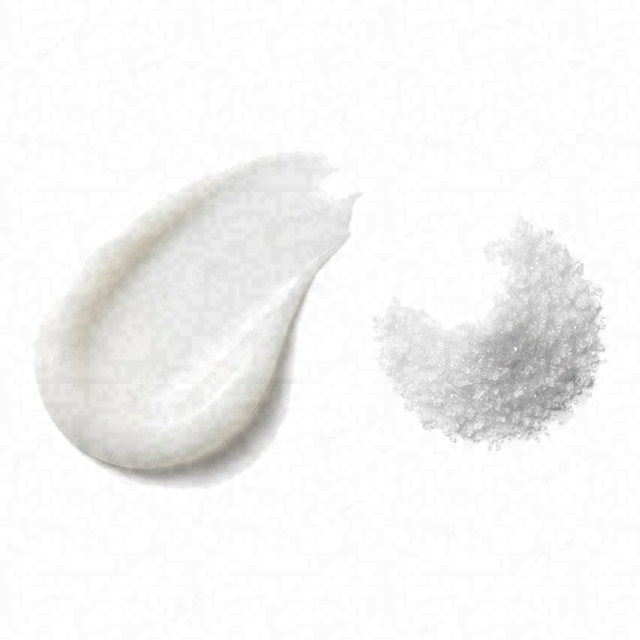 Glutathione
 Ascorbic Acid
 Sodium Hyaluronate
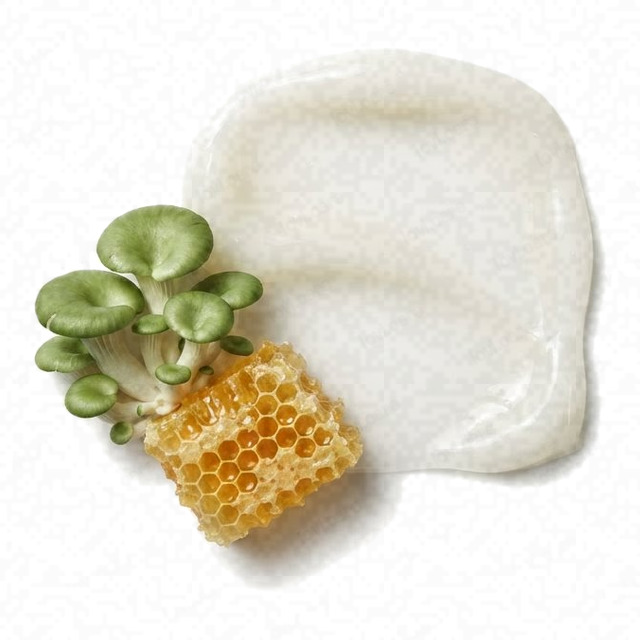 Panthenol
Average
- AverageCombination Skin Fit
- AverageEffectiveness
- HighSafety
Works for acne-prone skin; other serums fit it better.
- Clinical, Cosmetic and Investigational Dermatology, 2017
- American Journal of Clinical Dermatology, 2002
This fit is calculated for the concerns frequently associated with acne-prone skin: breakouts, blackheads, and post-acne marks. For scores and recommendations based on your full skin profile, including your 12D face scan results and any goals or preferences you have, please use the Lovi app.
Page built Nov 8, 2026How the Fit score works
Lovi Assistant explains
- Offers moderate suitability for your combination skin, as niacinamide helps regulate oil production and glycerin provides hydration, though stronger oil-control ingredients would be beneficial for certain areas.
- The presence of panthenol and glycerin offers general hydration and soothing effects, which are beneficial for overall skin health.
- The formulation is safe for your combination skin, with no risks of irritation due to the absence of harsh or prohibited ingredients.
How to apply
- Use your serum as part of your PM routine and start 3x/week before working up to daily use.
- Apply this treatment after cleansing and toner, and before your moisturizer.
- Gently press 2-3 drops of the serum into your skin and let it absorb for a minute.
- Apply the product on clean, dry skin to help manage your breakouts safely.
- Avoid the eye area and do a patch test before your first use.
People Say
★4.7Overall rating based on 6.7k+ reviewsBased on a very large amount of data, users primarily utilize these pads to target hyperpigmentation, acne scars, and dullness, with many reporting a noticeable "glass skin" glow and smoother texture after consistent use. While effective for brightening, reactions are mixed regarding hydration; oily and combination skin types often find them refreshing, whereas those with dry or highly sensitive skin occasionally report dryness, tingling, or breakouts.
Highlights
Effective brightening Often Mentioned
- “skin looks noticeably brighter”
- “gave me a glass skin glow”
- “faded my dark spots”
- “helped with post-acne marks”
- “complexion looks more even”
Smoother skin texture Often Mentioned
- “skin feels so soft”
- “reduced roughness”
- “gentle exfoliation”
- “makeup applies better”
- “texture is much smoother”
Refreshing and lightweight Sometimes Noted
- “absorbs quickly”
- “non-sticky finish”
- “refreshing in the morning”
- “cooling effect”
- “great for oily skin”
Unique dual-sided pad Sometimes Noted
- “jelly side is super soft”
- “gauze side exfoliates well”
- “square shape fits cheeks”
- “holds a lot of essence”
- “perfect for toner masking”
Packaging leaks Sometimes Noted
- “leaks if tilted”
- “essence spilled in transit”
- “lid doesn't seal tightly”
- “messy packaging”
- “bulky container”
Drying for some Rarely Noted
- “not hydrating enough”
- “dried out my skin”
- “need moisturizer immediately”
- “pads dry out in jar”
- “left face feeling tight”
Irritation and breakouts Rarely Noted
- “caused tiny bumps”
- “tingling sensation”
- “broke me out”
- “redness after use”
- “too harsh for sensitive skin”
Texture dislike Rarely Noted
- “jelly side feels slimy”
- “weird texture”
- “slippery on face”
- “gauze side too scratchy”
Sources: lovi.care, oliveyoung.com, iherb.com, skinsort.com, yesstyle.com, reddit.com, and more
Questions and answers
How well does Numbuzin Vitamin-Niacinamide Concentrated Pad work for acne-prone skin?
Numbuzin Vitamin-Niacinamide Concentrated Pad works reasonably well for acne-prone skin, as niacinamide helps regulate oil and panthenol provides soothing moisture, though other products fit this skin better. Acne-prone skin needs products with highly effective and soothing ingredients that target blemishes while keeping skin balanced and hydrated without irritation.
American Journal of Clinical Dermatology, 2002The Journal of Dermatological Treatment, 2017
Which ingredients make this treatment a good fit for acne-prone skin?
This treatment works reasonably well for acne-prone skin because niacinamide helps balance oil production while panthenol and glycerin provide gentle hydration and soothing effects. To be a better fit for this skin type, products of this type need stronger oil-control ingredients and targeted blemish-fighting components.
American Journal of Clinical Dermatology, 2002The Journal of Dermatological Treatment, 2017
What does Niacinamide do for acne-prone skin?
Niacinamide helps acne-prone skin by reducing both inflamed and uninflamed breakouts and calming redness. It is also very helpful for keeping oily skin balanced by cutting down on excess oil production, and it is well tolerated by most people.
What does Glutathione do for acne-prone skin?
Glutathione helps protect acne-prone skin against everyday environmental stress and oxidation. This ingredient is unlikely to clear breakouts on its own, so acne-prone skin needs a product that also targets pores, calms redness, and balances oil with ingredients like salicylic acid or niacinamide.
Journal of the European Academy of Dermatology and Venereology, 2024
Where does this treatment go in a skincare routine for acne-prone skin?
This treatment goes in your evening routine, and since it is an exfoliating pad, you should start using it once a week. If your skin tolerates it well and you see good results, you may carefully use it more often. Acne-prone skin works best with stronger oil-control ingredients.
Can I use this treatment with retinol, and in what order?
You can use this treatment with retinol by applying the treatment first and following with your retinol once your skin is used to both. This product is unlikely to cause irritation because it lacks harsh ingredients, though acne-prone skin often does best with stronger oil-control ingredients.
How often should I use this treatment?
You can start using this treatment once a week in the evening, and if your skin feels fine and you see good results, you can carefully use it more often. This product works for acne-prone skin, though this type of skin needs stronger oil-control ingredients and soothing hydration for best results.
Can this treatment clog pores, cause breakouts or purging for acne-prone skin?
This treatment is unlikely to cause breakouts, as it has a safe formula with a low rate of complaints, though acne-prone skin works best with stronger oil-control ingredients.
Is this treatment fragrance-free and alcohol-free?
It has no fragrance and contains drying alcohol (alcohol).
What the research says
A single application of a moisturizing fluid containing hyaluronic acid 1%, glycerin 5%, and Centella asiatica stem cells extract significantly increased skin hydration by 29% and reduced transepidermal water loss at 24 hours compared to baseline and an untreated control site in twenty healthy women.
Clinical, Cosmetic and Investigational Dermatology, 2017Topical dexpanthenol acts as a moisturizer, improves stratum corneum hydration, accelerates wound healing and epidermal regeneration, reduces erythema, and improves symptoms of skin irritation compared to vehicle or no pretreatment.
American Journal of Clinical Dermatology, 2002A new topical panthenol-containing emollient significantly improved transepidermal water loss reduction, stratum corneum hydration, and intercellular lipid lamellae length compared with control in healthy subjects without negatively impacting bacterial viability.
The Journal of Dermatological Treatment, 2017A panthenol-enriched mask significantly decreased erythema and hyperpigmentation, increased sebum and stratum corneum moisture, and reduced transepidermal water loss compared to a saline dressing in 60 subjects undergoing facial laser treatment.
Journal of Cosmetic Dermatology, 2025A topical gel containing chitosan, chlorhexidine, allantoin, and dexpanthenol significantly reduced postoperative pain, trismus, swelling, and analgesic consumption, while improving wound healing after third molar surgery compared to a placebo.
Medicina Oral, Patologia Oral Y Cirugia Bucal, 2020Topical post-laser application of human adipocyte-derived mesenchymal stem cell media combined with niacinamide significantly improved wrinkle index, melanin index, patient satisfaction, and investigator esthetic improvement scores compared to vehicle cream in patients with aging skin.
Journal of Cosmetic Dermatology, 2021Topical nicotinamide prevented solar-simulated UV-induced immunosuppression in healthy volunteers, and men experienced immunosuppression at solar-simulated UV doses three times lower than those required for women.
The Journal of Investigative Dermatology, 2008Topical 5% niacinamide applied twice daily for 12 weeks reduced fine lines and wrinkles, hyperpigmented spots, red blotchiness, and skin sallowness, and improved skin elasticity compared to vehicle control in 50 female white subjects with facial photoaging.
Dermatologic Surgery, 2005Glutathione amino acid precursors effectively increase cellular glutathione levels, reducing oxidative stress, ATP depletion, and DNA damage in human keratinocytes, clinical subjects, and ex vivo skin compared to controls.
Journal of the European Academy of Dermatology and Venereology, 2024Topical oxidized glutathione significantly decreases the skin melanin index and improves moisture content, smoothness, wrinkle formation, and elasticity compared to placebo in healthy women.
Clinical, Cosmetic and Investigational Dermatology, 2014Topical glutathione improves hyperpigmentation, reduces ultraviolet-induced erythema and wrinkles, decreases transepidermal water loss, and enhances antioxidant capacity.
The Journal of Clinical and Aesthetic Dermatology, 2025Topical application of 5% vitamin C cream significantly improved global clinical scores, increased skin microrelief density, and induced elastic tissue repair in photoaged skin compared to excipient control in healthy female volunteers.
Experimental Dermatology, 2003Ascorbic acid 2-glucoside gel significantly reduced gingival melanin pigmentation after 4 weeks compared to placebo in 73 subjects with symmetric pigmentation.
Journal of Periodontology, 2009Topical application of VC-IP cream twice daily for 8 weeks reduces periorbital wrinkles in female subjects compared to a placebo cream.
Journal of Cosmetic Dermatology, 2022Topical application of 0.1% hyaluronic acid formulations of different molecular weights led to significant improvements in skin hydration and elasticity, with low-molecular-weight formulations also significantly reducing wrinkle depth in seventy-six female subjects compared to a vehicle control.
Journal of Drugs in Dermatology, 2011Topical application of hyaluronic acid in conjunction with free gingival graft significantly reduced donor site postoperative pain until day 7 compared to normal saline, with no significant differences in graft dimensions or patient satisfaction.
Clinical Oral Investigations, 2022Treatment with a hyaluronic acid-containing mouth rinse or topical gel led to significant lesion reduction, pain relief, and normalization of lesion color in adult patients with minor recurrent aphthous stomatitis, with the gel formulation showing an earlier healing onset at 3 days.
BMC Oral Health, 2019Moisturizer containing 5% panthenol, madecassoside, and copper-zinc-manganese decreased adverse reactions and downtime after ablative fractional carbon dioxide laser resurfacing with comparable efficacy to 0.02% triamcinolone acetonide cream in 20 subjects.
Journal of Cosmetic Dermatology, 2019Topical dexpanthenol formulated in lipophilic vehicles improved stratum corneum hydration and reduced transepidermal water loss compared to vehicle control in humans.
Arzneimittel-Forschung, 2000Hyaluronic acid, hyaluronic acid plus dexpanthenol, and isotonic saline nasal sprays all significantly improved dry nose symptoms over four weeks in 240 patients, with hyaluronic acid plus dexpanthenol providing superior nasal moisturisation compared to the other two.
Auris, Nasus, Larynx, 2020
Why other serums fit acne-prone skin better
Topical benzoyl peroxide 5% gel treatment improved acne severity, sebum, stratum corneum hydration, and transepidermal water loss, while significantly reducing microbial diversity and the prevalence of Cutibacterium in 33 patients with acne vulgaris.
Dermatologic Therapy, 2022Topical 5% tea tree oil gel significantly improved total acne lesions and acne severity index compared to placebo in 60 patients with mild to moderate acne vulgaris, showing 3.55 times and 5.75 times greater efficacy respectively.
Indian Journal of Dermatology, Venereology and Leprology, 2007Tea tree oil gel and face wash significantly reduced total facial acne lesions from 23.7 to 10.7 and improved investigator global assessment scores in 14 participants with mild to moderate facial acne over 12 weeks.
The Australasian Journal of Dermatology, 2017
Ingredients
Water, Niacinamide, Dipropylene Glycol, Glycerin, Propanediol, Butylene Glycol, Hydroxyethyl Urea, Diethoxyethyl Succinate, Hydroxyacetophenone, Caprylyl Glycol, Polyglyceryl-10 Laurate, Betaine, Panthenol, Ethylhexylglycerin, Gluconolactone, Sodium Polyacrylate, Ammonium Acryloyldimethyltaurate Vp Copolymer, Sodium Citrate, Citric Acid, Maltodextrin, 1,2-Hexanediol, Gardenia Florida Fruit Extract, Dipotassium Glycyrrhizate, Sodium Hyaluronate, Ascorbic Acid, Pantolactone, Tocopherol, Capryloyl Salicylic Acid, Tranexamic Acid, Tremella Fuciformis Extract Mushroom Extract, Caprylic Capric Triglyceride, Ascorbyl Glucoside, Ubiquinone, Hydrogenated Lecithin, Magnesium Chloride, Alcohol, Glutathione, Polysorbate 80, Calcium Gluconate, Pyridoxine Hcl, Bht, Yeast Extract, Cyanocobalamin, Disodium Edta
Behind this fit score
Lovi calculates every fit score from the full ingredient list with brand-independent rules our dermatologists and cosmetic chemists build and review, and personalizes every pick with AI trained on the real results of millions of users. Lovi trains its fit score models on a proprietary dataset built from more than 10,000 expert-labeled products and more than 100,000 simulated examples, following an internally consistent methodology presented at Cosmoprof, AMWC, and Skin of Color Update.
-

Co-founder, Medical Director
Cosmetic chemist, cosmetologist, aesthetic products developer
-

Co-founder, CEO and CTO
PhD in computer science, 3x US patent holder, ex-Google, ex-Yandex
-

Dr. Sofía Perea Pérez, MD, MSc
Medical Board
Aesthetic medicine practitioner, MSc in Longevity and Anti-Aging Medicine
-

Medical Board
Specialist dermatologist, MBBS, MD, IFAAD
-

Medical Board
Cosmetic chemist, SCS, IFSCC member
-

Medical Board, Medical Advisor
Dermatology MD
-

Elina Nazarenko, MD
Medical Board
Dermatology and diagnostic consultant
-

Victoria Derkova, MS
Medical Board
Cosmetic chemist, cosmetic development technologist


How does it fit your skin?
Scan your face, then any product: Lovi shows how well it fits you and what fits even better.