
Neostrata Resurface Lotion Plus

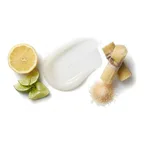 Aha Alpha Hydroxy Acid
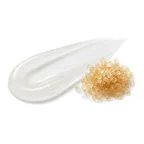 Glycolic Acid
 Dimethicone
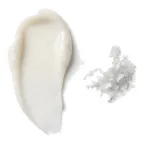 Cholesterol
 Propylene Glycol
Average fit for oily skin, combination skin, sensitive skin, acne-prone skin, skin with dark spots, mature skin, dry sensitive skin, and oily acne-prone skin; low for dry skin. Where to buy in Italy: Notino, €46.40.
Each fit is calculated for the concerns frequently associated with that skin type. For scores and recommendations based on your full skin profile, including your 12D face scan results and goals, use the Lovi app.
Updated How the Fit score works
Where it fits best and least
Best fit Average
Oily Skin, Combination Skin, Sensitive Skin, Acne-Prone Skin, Skin with Dark Spots, Mature Skin, Dry Sensitive Skin, Oily Acne-Prone Skin
Works for oily skin; other products fit it better.
- Offers moderate exfoliation for your oily skin due to the presence of glycolic acid, which provides resurfacing benefits and helps manage oiliness.
Lowest fit Low
A weak match for dry skin.
- Offers moderate exfoliation for your dry or flaky skin due to the presence of glycolic acid, which provides chemical exfoliation, but it may also cause dryness and irritation.
Buy online

Prices checked 22 Nov 2026
The Lovi Fit is the same in every country; only the stores and prices differ, and the ones here are for Italy.
How to apply
- Use this exfoliant product as part of your PM routine once a week. Start slowly and build up frequency only if your skin tolerates it well.
- Apply the exfoliant after cleansing and toner, but right before your moisturizer.
- Gently press 2-3 drops of the exfoliant into your skin and let it absorb fully. Avoid any harsh rubbing to keep your skin calm.
- Always avoid the delicate eye area when applying. Be sure to use a broad-spectrum SPF 30+ daily while using exfoliating acids.
Questions and answers
How well does Neostrata Lotion Plus work for oily skin?
Neostrata Resurface Lotion Plus works moderately well for oily skin by offering gentle exfoliation and managing oiliness, though other products fit it better. To fit oily skin best, an exfoliant treatment needs ingredients like niacinamide, ferulic acid, or zinc PCA to control excess oil and pores, along with soothing agents for daily comfort.
How well does Neostrata Resurface Lotion Plus work for skin with dark spots?
Neostrata Resurface Lotion Plus works moderately well for skin with dark spots because glycolic acid promotes skin renewal and addresses pigmentation, though other products fit this skin better. An exfoliant for this skin needs a blend of antioxidants, soothing ingredients, hydrating components, and skin-repairing ingredients like niacinamide and propolis to fade dark spots while keeping the skin calm and hydrated.
Why is Neostrata Lotion Plus a weak match for dry skin?
Neostrata Lotion Plus is a weak match because its glycolic acid provides chemical exfoliation that may cause dryness and irritation on dry skin. It also lacks enough softening and moisture-holding ingredients to balance out these drying effects. An exfoliant treatment for dry skin needs soothing and deeply hydrating ingredients like ceramides, niacinamide, and peptides to support the skin barrier without causing irritation.
Is this exfoliant fragrance-free and alcohol-free?
Yes, it has no fragrance and no drying alcohol. Cetyl alcohol is a fatty alcohol, which soften the skin.
How well does Neostrata Lotion Plus work for combination skin?
Neostrata Resurface Lotion Plus works well enough for combination skin by providing moderate smoothing and balancing for both oily and dry areas, though other products fit it better. A product of this type needs effective ingredients like niacinamide, propolis, or zinc PCA to regulate oiliness and provide optimal hydration without excess oil or dryness.
How well does Neostrata Lotion Plus work for sensitive skin?
Neostrata Resurface Lotion Plus is an average fit for sensitive skin because its glycolic acid provides moderate renewal but may be too harsh, potentially making redness and irritation worse. An exfoliant treatment for sensitive skin needs calming ingredients like niacinamide and soothing hydrators that calm irritation without harsh acids.
How well does Neostrata Lotion Plus work for acne-prone skin?
Neostrata Resurface Lotion Plus works for acne-prone skin by offering moderate exfoliation and comfort, though other products fit this skin type better. An exfoliant treatment for acne-prone skin needs soothing and balancing ingredients like niacinamide, propolis, or zinc PCA that target breakouts and control oiliness without causing irritation.
Clinical, Cosmetic and Investigational Dermatology, 2019Clinical and Experimental Dermatology, 2007
How well does Neostrata Lotion Plus work for mature skin?
Neostrata Resurface Lotion Plus works moderately well for mature skin, helping smooth fine lines with glycolic acid while keeping the skin safe from irritation. However, it lacks enough deeply hydrating and softening ingredients to keep mature skin properly moisturized and protected. An exfoliant for mature skin needs strong anti-aging components combined with rich moisturizing and barrier-supporting ingredients.
How well does Neostrata Lotion Plus work for dry sensitive skin?
Neostrata Resurface Lotion Plus works moderately well for dry sensitive skin because glycolic acid resurfaces flaky areas, but it can also cause dryness and irritation. Since this product lacks enough soothing and moisturizing ingredients to balance out the strong exfoliating acid, a product for this skin type needs rich hydrating ingredients, skin barrier support, and a gentle formula that smooths without causing irritation.
How well does Neostrata Lotion Plus work for oily acne-prone skin?
Neostrata Resurface Lotion Plus offers moderate exfoliation for your oily skin using glycolic acid to help renew skin and address breakouts, though it lacks enough oil-controlling ingredients to fully manage oiliness. For the best care, oily acne-prone skin needs products with ingredients like niacinamide, propolis, benzoyl peroxide, or Vitamin C to control oil and calm breakouts safely.
Clinical, Cosmetic and Investigational Dermatology, 2019Journal of Dermatological Science, 2017
What the research says
Daily application of an antiaging cream containing 0.1% retinaldehyde, glycylglycine oleamide, and pre-tocopheryl is as effective as three sequential glycolic acid peels in reducing wrinkles and superior in refining skin texture in women with photoaging, with a 12-fold lower incidence of physical signs of adverse events.
Journal of Cosmetic Dermatology, 2018An antiaging skin care system containing alpha hydroxy acids and vitamins significantly improves wrinkle depth, skin roughness, and elasticity parameters in 52 volunteers compared to baseline over 21 days.
Clinical, Cosmetic and Investigational Dermatology, 2015Topical emulsions containing 2 and 10 wt% glycolic acid stabilized with long chain alkyl polyglucoside lowered skin surface pH to 5 and less in 24-hour and 7-day studies and inhibited Staphylococcus epidermidis growth without barrier impairment or irritation.
International Journal of Cosmetic Science, 2021Serial glycolic acid peels combined with a modified Kligman formula significantly reduced facial PIH severity in Indian patients compared to the modified Kligman formula alone.
Dermatologic Surgery, 2017Short contact therapy with a tretinoin, clindamycin, and glycolic acid gel significantly improved skin tolerability and reduced acne severity scores compared to standard application therapy in patients with mild-to-moderate acne.
Dermatologic Therapy, 2021Wearing an N95 mask alone compared to using dimethicone cream or hydrocolloid dressing caused more adverse skin reactions among 73 military health care workers, with no significant differences in fit test failure rates between groups.
Military Medicine, 2024Petrolatum-based skin protectants demonstrated protection against irritants and maceration while providing skin hydration, whereas dimethicone and zinc oxide products showed varying or limited performance across parameters among 18 healthy volunteers compared to positive and negative controls.
Ostomy/wound Management, 2005Treatment with a moisturizer containing dimethicone and glycerine increased epidermal thickness by 0.019 mm, improved barrier function by decreasing transepidermal water loss by 13%, decreased melanin intensity, and induced keratins 6 and 16 in fifteen women with moderately photoaged forearms.
Clinical and Experimental Dermatology, 2007Topical lovastatin treatment impairs the recovery of cutaneous permeability barrier function and stratum corneum cholesterol levels after acetone disruption in mice, an effect normalized by simultaneous treatment with mevalonate or cholesterol.
The Journal of Clinical Investigation, 1990Topical cholesterol application decreased transepidermal water loss and ameliorated oxazolone-induced cutaneous hypersensitivity in hapten-stimulated mice, likely by sustaining epidermal 11beta-HSD1 expression.
Experimental Dermatology, 2014Topical application of cholesterol sulfate increases stratum corneum thickness and inhibits protease-induced cell dissociation by competitively inhibiting serine proteases in mice and human stratum corneum.
The Journal of Investigative Dermatology, 1998Conjugation of oleic and linoleic acids with propylene glycol effectively enhances lidocaine skin penetration while significantly reducing skin irritation compared to free fatty acids.
Drug Development and Industrial Pharmacy, 2007A moisturizer containing glycerol and propylene glycol reduced transepidermal water loss, decreased epidermal thickness, increased stratum corneum thickness, and reduced dermal inflammatory infiltrate compared to untreated disrupted skin in six healthy beagle dogs.
Veterinary Dermatology, 2020Topical dimethicone combined with animal and environmental interventions effectively controlled tungiasis, resulting in only three active lesion cases and no soil infestation detected from the 6-month follow-up onward among 562 indigenous people and 81 domestic dogs.
Tropical Medicine and Infectious Disease, 2023Glycolic acid, salicylic acid, gluconolactone, and licochalcone A combined with 0.1% adapalene showed no hindrance compared to adapalene monotherapy and provided benefits in reducing complications in 25 subjects with mild-to-moderate acne vulgaris.
Clinical, Cosmetic and Investigational Dermatology, 2019
Ingredients
Water, Glycolic Acid, Propylene Glycol, Ammonium Hydroxide, Hydroxyethylcellulose, Cholesterol, Dimethicone, Petrolatum, Palmitic Acid, Stearic Acid, Myristic Acid, Glyceryl Stearate, Peg-100 Stearate, Peg-40 Stearate, Isopropyl Palmitate, Cetyl Alcohol, Sorbitan Stearate, Magnesium Aluminum Silicate, Stearamidopropyl Dimethylamine, Isostearic Acid, Tetrasodium Edta
Behind these fit scores
Lovi calculates every fit score from the full ingredient list with brand-independent rules our dermatologists and cosmetic chemists build and review, and personalizes every pick with AI trained on the real results of millions of users. Lovi trains its fit score models on a proprietary dataset built from more than 10,000 expert-labeled products and more than 100,000 simulated examples, following an internally consistent methodology presented at Cosmoprof, AMWC, and Skin of Color Update.
-

Co-founder, Medical Director
Cosmetic chemist, cosmetologist, aesthetic products developer
-

Co-founder, CEO and CTO
PhD in computer science, 3x US patent holder, ex-Google, ex-Yandex
-

Dr. Sofía Perea Pérez, MD, MSc
Medical Board
Aesthetic medicine practitioner, MSc in Longevity and Anti-Aging Medicine
-

Medical Board
Specialist dermatologist, MBBS, MD, IFAAD
-

Medical Board
Cosmetic chemist, SCS, IFSCC member
-

Medical Board, Medical Advisor
Dermatology MD
-

Elina Nazarenko, MD
Medical Board
Dermatology and diagnostic consultant
-

Victoria Derkova, MS
Medical Board
Cosmetic chemist, cosmetic development technologist


How does it fit your skin?
Scan your face, then any product: Lovi shows how well it fits you and what fits even better.