Mario Badescu Facial Spray with Aloe, Chamomile and Lavender for oily acne-prone skin

 Aloe Barbadensis Leaf Juice
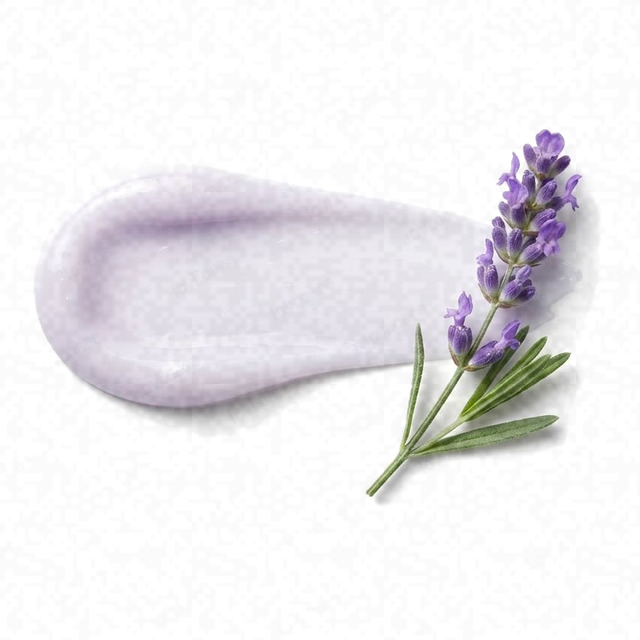 Lavandula Angustifolia Oil Lavender Oil
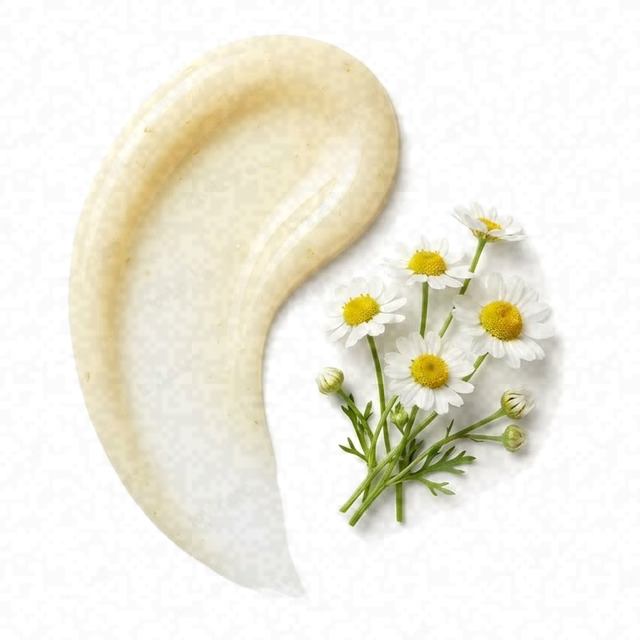 Chamomilla Recutita Flower Extract Matricaria Flower Extract
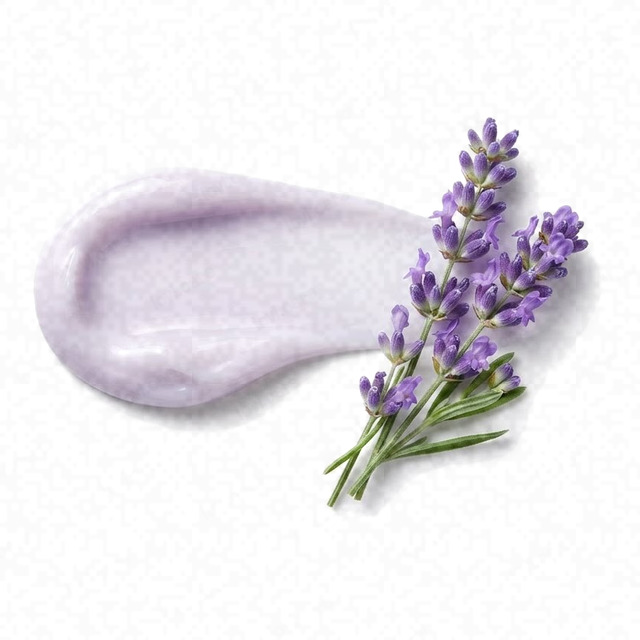 Lavandula Angustifolia Flower Water Lavender Flower Water
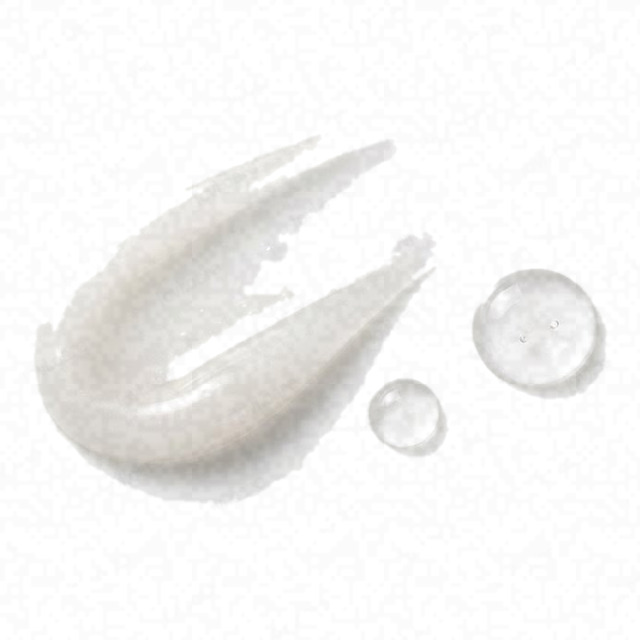 Propylene Glycol
High
- HighOily Skin Fit
- AverageEffectiveness
- HighSafety
A great choice for oily acne-prone skin; a few toners fit it even better.
This fit is calculated for the concerns frequently associated with oily acne-prone skin: shine, breakouts, blemishes, and enlarged pores. For scores and recommendations based on your full skin profile, including your 12D face scan results and any goals or preferences you have, please use the Lovi app.
Page built Nov 8, 2026How the Fit score works
Lovi Assistant explains
- Offers moderate soothing and toning for your oily skin, as aloe barbadensis leaf juice and chamomilla recutita flower extract provide calming effects without irritation.
- Lavandula angustifolia flower water and thymus vulgaris leaf extract offer additional anti-inflammatory benefits, though stronger seboregulating ingredients would enhance oil control.
- The product is safe for your skin, with no risks of irritation due to the absence of harsh or prohibited ingredients.
How to apply
- Could be used as part of your AM or PM routine. Start using your soothing toner 3 times a week and move to daily use if your skin tolerates it well.
- Apply your soothing toner after cleansing, and before your moisturizer or SPF . This helps prepare your oily skin for the next steps.
- Gently press 2-3 drops of the soothing toner into your skin with your hands. Avoid rubbing the product to keep your skin calm.
- Apply the soothing toner on clean and slightly damp skin to help with better absorption . This keeps your skin feeling fresh and comfortable.
- Always do a patch test before first use to check for any sensitivity. Avoid the eye area and stop use if irritation occurs.
People Say
★4.3Overall rating based on 1.7k+ reviewsBased on a very large amount of data, this facial mist is widely praised by users with normal to combination skin for its ability to provide a quick, soothing hydration boost and a dewy finish, often cited as a relaxing addition to skincare routines due to its lavender aroma. A notable minority of users with sensitive or acne-prone skin reported adverse reactions, including breakouts and irritation, while others found the mist too wet for setting makeup or the scent overpowering.
Highlights
Refreshing hydration boost Mostly Mentioned
- “instantly hydrates and soothes my skin”
- “gives a spa-like vibe which can be calming”
- “leaves my skin hydrated before doing the rest of my skincare”
Pleasant lavender scent Often Mentioned
- “fresh, lavender fragrance”
- “relaxing aroma”
- “smell is pleasant and infused with chamomile”
Good value Sometimes Noted
- “great price and a really nice buy”
- “budget friendly skincare essential”
- “worth every penny”
Versatile application Sometimes Noted
- “wet makeup brush to intensify eyeshadow”
- “use it on dry/damaged hair for moisture”
- “refreshing spray throughout the day”
Causes breakouts/irritation Sometimes Noted
- “culprit behind my blemishes”
- “developed small bumps all over my forehead”
- “burned and made my skin irritated”
Disrupts makeup Rarely Noted
- “causes makeup to streak as it dries”
- “messes up my makeup... breaks apart the powder”
- “do not spray over makeup”
Drying effect Rarely Noted
- “risk the skin getting tauter than just toned”
- “not super duper hydrating”
- “felt a bit sad... drying for my skin type”
Overpowering scent Rarely Noted
- “scent is extremely strong”
- “smell ridiculous”
- “honest reviewer... scent is more lavender than anything”
Sources: lovi.care, ulta.com, target.com, sephora.com, sephora.co.uk, spacenk.com, and more
Questions and answers
What makes Mario Badescu Facial Spray with Aloe, Chamomile and Lavender a great fit for oily acne-prone skin?
This spray is a great fit because aloe, chamomile, and lavender calm your oily skin without irritation while helping to ease inflammation. It is very safe for your skin type, though a product of this type needs stronger oil-controlling ingredients to properly manage shine.
Which ingredients make this toner a good fit for oily acne-prone skin?
Aloe barbadensis leaf juice and chamomilla recutita flower extract make this toner a great fit by calming your oily skin without irritation. Lavandula angustifolia flower water and thymus vulgaris leaf extract provide additional soothing benefits, though this skin type also needs stronger oil-controlling ingredients.
What does Aloe Vera Leaf Juice do for oily acne-prone skin?
Aloe Vera Leaf Juice helps calm redness and reduces acne breakouts for oily skin. Studies show it effectively targets acne lesions and lowers redness when used regularly.
Clinical Pharmacology, 2018The Journal of Dermatological Treatment, 2014
What does Lavender Oil do for oily acne-prone skin?
Lavender oil helps calm oily acne-prone skin by reducing redness and targeting bacteria that cause breakouts. It also provides antioxidant protection and supports skin healing, though it may not be suitable for every skin type and should be patch-tested first.
Where does this toner go in a skincare routine for oily acne-prone skin?
This toner fits well in the morning routine after cleansing and before moisturizing, or as a cleansing toner in the evening routine before your treatment. It helps calm your oily skin without irritation, though stronger ingredients that control oil would make it an even better fit.
Can I use this toner with retinol, and in what order?
You can use this toner with retinol by applying it after cleansing and before your retinol treatment. It is unlikely to irritate your oily skin because it contains soothing ingredients like aloe and chamomile.
How often should I use this toner?
You can use this soothing toner daily as part of your routine to help calm your oily skin without irritation. It provides gentle refreshment, though incorporating stronger oil-controlling ingredients may help better manage excess shine.
Can this toner clog pores, cause breakouts or purging for oily acne-prone skin?
This toner is unlikely to clog pores or cause irritation, though some reviewers do mention breakouts. Its gentle ingredients like aloe and chamomile help calm your skin without harsh additives.
Is this toner fragrance-free and alcohol-free?
Yes, it has no fragrance and no drying alcohol.
What the research says
A cream combining propolis, tea tree oil, and Aloe vera reduced erythema scars, acne severity index, and total lesion count better than erythromycin cream in sixty patients with mild to moderate acne vulgaris compared to placebo.
Clinical Pharmacology, 2018Thymus vulgaris extract and thymol provided protective action against UVB-induced cytotoxicity, genotoxicity, and morphological damage in normal human skin explants.
Cells, Tissues, Organs, 2016Lavandula angustifolia leaf callus extract enhanced skin cell viability, reduced oxidative stress and melanin content, improved wound healing, and enhanced skin barrier function in human skin cells and clinical tests.
Free Radical Biology & Medicine, 2025Topical aloe vera gel significantly accelerated split-thickness skin graft donor-site healing compared to placebo in 12 patients, but showed no significant difference in pain relief.
Plastic and Reconstructive Surgery, 2018Topical application of Aloe vera cream reduced postoperative pain at rest and during defecation, accelerated wound healing at two weeks, and decreased analgesic requirements in patients after open hemorrhoidectomy compared to placebo.
Journal of Alternative and Complementary Medicine, 2010Formulations containing 0.10%, 0.25%, and 0.50% freeze-dried Aloe vera extract increased stratum corneum water content compared with the vehicle in 20 female subjects, while transepidermal water loss was not modified.
Skin Research and Technology, 2006Polysaccharide-based O/W emulsions incorporated with lavender essential oil applied to cellulosic support are non-irritating, provide softness and moisturizing effects, and are safe for topical patch applications.
International Journal of Biological Macromolecules, 2021Gellan gum hydrogel films co-encapsulating ofloxacin with tea tree or lavender oil achieved 98% wound contraction and completely healed epidermis in rats after ten days of treatment compared to baseline.
International Journal of Biological Macromolecules, 2021Topical application of lavender oil significantly promoted wound contraction, collagen synthesis, and fibroblast differentiation with up-regulation of TGF-beta in a rat model compared to control.
BMC Complementary and Alternative Medicine, 2016Apigenin protects against UVA-induced cytotoxicity and senescence in normal human dermal fibroblasts, decreases MMP-1 expression, and when applied topically as a cream in human subjects, increases dermal density and elasticity while reducing fine wrinkle length, skin evenness, moisture content, and transepidermal water loss compared to control cream.
International Journal of Molecular Medicine, 2016Topical chamomile oil combined with a night splint significantly improved the symptomatic and functional status of patients with severe carpal tunnel syndrome compared to placebo, while electrodiagnostic parameters showed no significant changes.
Complementary Therapies in Clinical Practice, 2015German chamomile solution applied twice a day healed peristomal skin lesions significantly faster than once-a-day 1% hydrocortisone ointment in colostomy patients, with a mean healing time of 8.89 days versus 14.53 days.
Ostomy/wound Management, 2011Tea tree oil effectively treated acne while lavender and rosemary oils demonstrated anti-inflammatory and anti-aging properties in derma cosmetic applications based on an evaluation of various essential oils.
Frontiers in Medicine, 2025A blend of Lavandula angustifolia flower extract and dipeptide-4 reduced oxidative and glycation markers, enhanced ATP, SOD, autophagy, and melatonin production, and improved tissue morphology in human skin models and fibroblasts.
International Journal of Cosmetic Science, 2026Lavender exosome-like nanoparticles reduced inflammatory cytokine levels and improved epidermal thickness, collagen preservation, and skin integrity in UVB-induced photoaging models of HaCaT cells and mice.
Scientific Reports, 2025Treatment with a combination of propylene glycol, ethanol, water, and shampoo was found effective, easy to use, and cosmetically attractive with no observed side effects in patients with dandruff.
Cutis, 1988A moisturizer containing glycerol and propylene glycol reduced transepidermal water loss, decreased epidermal thickness, increased stratum corneum thickness, and reduced dermal inflammatory infiltrate compared to untreated disrupted skin in six healthy beagle dogs.
Veterinary Dermatology, 2020
Ingredients
Aloe Barbadensis Leaf Juice, Lavandula Angustifolia Flower Water Lavender Flower Water, Lavandula Angustifolia Oil Lavender Oil, Chamomilla Recutita Flower Extract Matricaria Flower Extract, Fucus Vesiculosus Extract, 3-O-Ethyl Ascorbic Acid, Thymus Vulgaris Leaf Extract, Propylene Glycol, Polysorbate 20, Potassium Sorbate, Sodium Benzoate, Benzophenone-4, Triethanolamine, Propanediol, Sodium Sulfate, Citric Acid, Ethylhexylglycerin, Sodium Chloride, Violet 2
Behind this fit score
Lovi calculates every fit score from the full ingredient list with brand-independent rules our dermatologists and cosmetic chemists build and review, and personalizes every pick with AI trained on the real results of millions of users. Lovi trains its fit score models on a proprietary dataset built from more than 10,000 expert-labeled products and more than 100,000 simulated examples, following an internally consistent methodology presented at Cosmoprof, AMWC, and Skin of Color Update.
-

Co-founder, Medical Director
Cosmetic chemist, cosmetologist, aesthetic products developer
-

Co-founder, CEO and CTO
PhD in computer science, 3x US patent holder, ex-Google, ex-Yandex
-

Dr. Sofía Perea Pérez, MD, MSc
Medical Board
Aesthetic medicine practitioner, MSc in Longevity and Anti-Aging Medicine
-

Medical Board
Specialist dermatologist, MBBS, MD, IFAAD
-

Medical Board
Cosmetic chemist, SCS, IFSCC member
-

Medical Board, Medical Advisor
Dermatology MD
-

Elina Nazarenko, MD
Medical Board
Dermatology and diagnostic consultant
-

Victoria Derkova, MS
Medical Board
Cosmetic chemist, cosmetic development technologist


How does it fit your skin?
Scan your face, then any product: Lovi shows how well it fits you and what fits even better.