make p:rem UV Defense Me Daily Sun Fluid for acne-prone skin

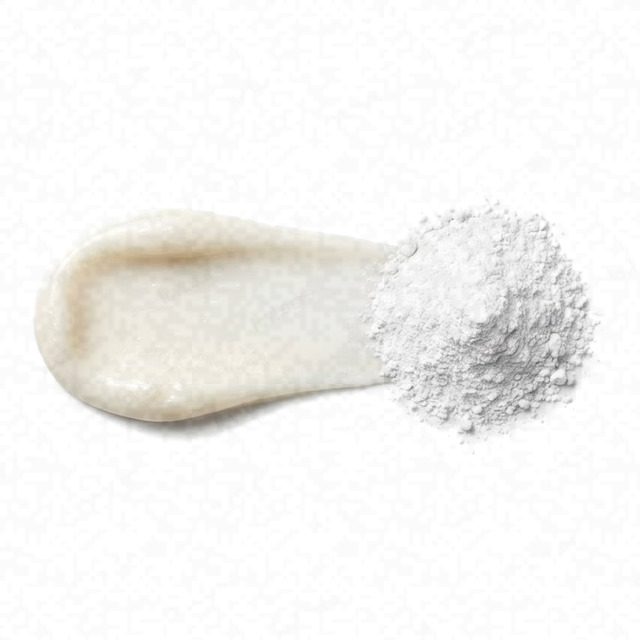 Titanium Dioxide
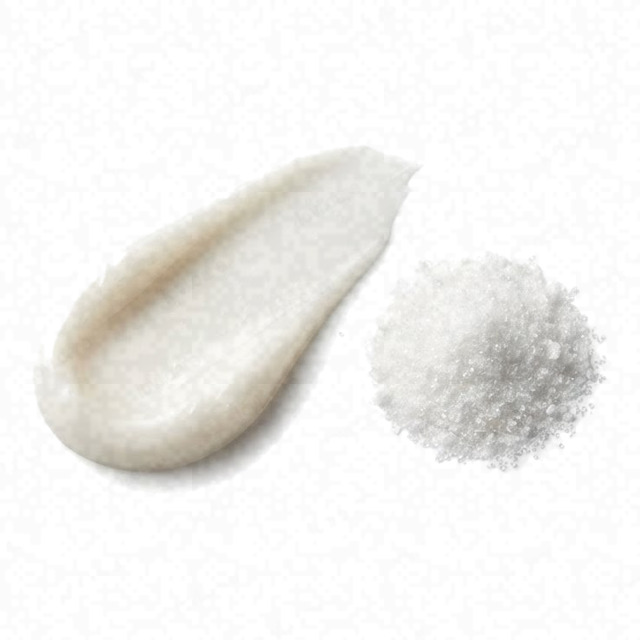 Diethylamino Hydroxybenzoyl Hexyl Benzoate
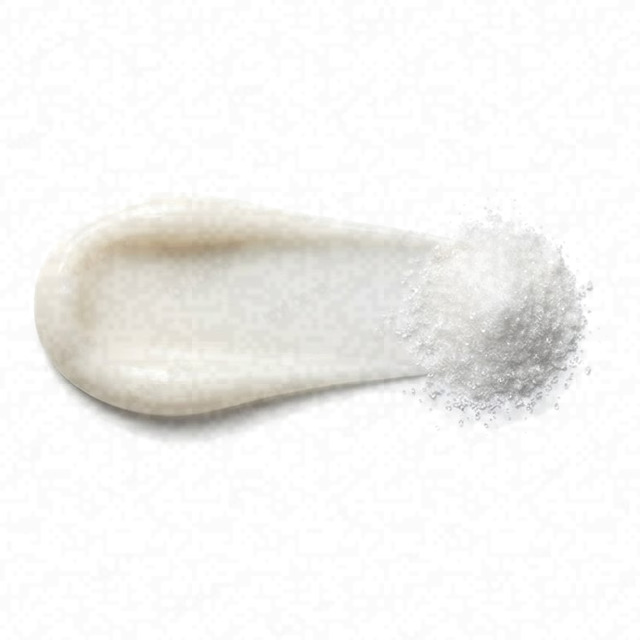 Ethylhexyl Triazone
 Sodium Hyaluronate
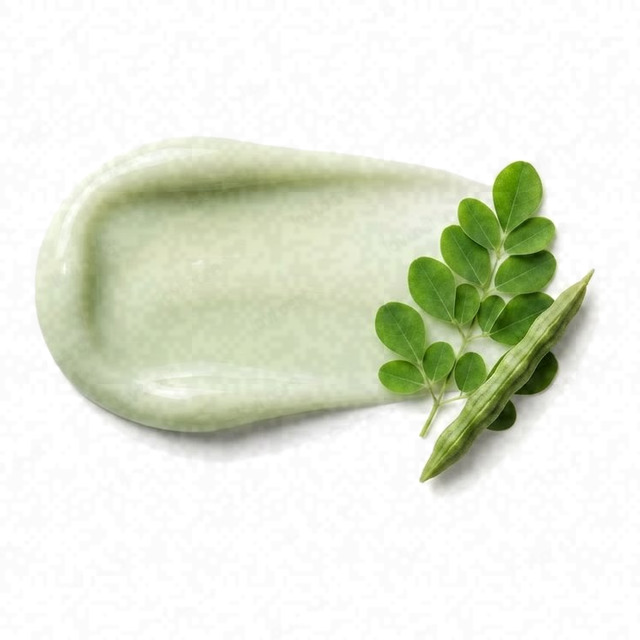 Moringa Oleifera Seed Extract
High
- HighCombination Skin Fit
- HighEffectiveness
- HighSafety
One of the best sunscreens for acne-prone skin.
This fit is calculated for the concerns frequently associated with acne-prone skin: breakouts, blackheads, and post-acne marks. For scores and recommendations based on your full skin profile, including your 12D face scan results and any goals or preferences you have, please use the Lovi app.
Page built Nov 8, 2026How the Fit score works
Lovi Assistant explains
- Highly suitable for your combination skin, this sunscreen effectively addresses your acne and breakouts with Centella Asiatica Extract and Moringa Oleifera Seed Extract, which provide soothing and antioxidant benefits. The inclusion of Titanium Dioxide and Diethylamino Hydroxybenzoyl Hexyl Benzoate offers excellent UV protection, aligning with your primary goal.
- The formula is well-balanced for your skin type, incorporating soothing elements like Rosa Damascena Flower Water to complement the active ingredients.
- This product is safe for your acne-prone skin, as it contains no harsh ingredients and features calming components.
How to apply
- Apply this sunscreen every morning as the final step of your skincare routine. Reapply every two hours if you are outdoors for best protection against breakouts.
- Apply the sunscreen after your moisturizer and before applying any makeup. Let it absorb completely ⏱ before going outside.
- Take a nickel-sized amount and gently pat it evenly across your face and neck. Avoid rubbing aggressively to keep your combination skin calm.
- Apply the sunscreen on clean, dry skin to ensure an even protective layer. This helps manage excess shine without clogging your pores.
- Avoid the immediate eye area and do a quick patch test before first use. Stop using it if you notice any irritation and consult a specialist.
People Say
★4.7Overall rating based on 400+ reviewsUsers with oily and combination skin frequently praise this sunscreen for its very lightweight, fluid texture and matte finish, noting good oil control without stickiness. Conversely, users with dry skin often report it can be drying over time, and those with medium to deep skin tones commonly experience a noticeable white cast due to the formula.
Highlights
Large economical size Mostly Mentioned
- “huge whopping bottle”
- “150ml is great value”
- “generous size for body”
- “lasts a long time”
Lightweight non-sticky texture Often Mentioned
- “absorbs quickly”
- “not sticky at all”
- “feels extremely light”
- “very watery consistency”
Matte non-greasy finish Often Mentioned
- “amazingly matte”
- “good oil control”
- “semi-matte finish”
- “no greasy residue”
Noticeable white cast Often Mentioned
- “leaves white paint look”
- “ghostly and ashy”
- “slight white cast”
- “not for dark skin”
Gentle and soothing Sometimes Noted
- “doesn't sting eyes”
- “calms my skin”
- “no irritation”
- “comfortable to wear”
Drying over time Sometimes Noted
- “drying effect”
- “skin feels tight”
- “clung to dryness”
- “makes skin flake”
Pills under makeup Rarely Noted
- “pills slightly”
- “hard to blend”
- “cakey with foundation”
- “balls up”
Stings eyes Rarely Noted
- “stings my eyes”
- “blinded for an hour”
- “eye irritation”
- “watery eyes”
Sources: lovi.care, sociolla.com, reddit.com, stylekorean.com, yesstyle.com, incidecoder.com, and more
Questions and answers
What makes make p:rem UV Defense Me Daily Sun Fluid a great fit for acne-prone skin?
This sunscreen is a great fit because it uses Centella Asiatica Extract and Moringa Oleifera Seed Extract to calm breakouts while providing strong UV protection. It also features soothing ingredients like Rosa Damascena Flower Water that help keep acne-prone skin comfortable without harsh additives.
Indian Journal of Pharmaceutical Sciences, 2016Antioxidants, 2022
Which ingredients make this fluid a good fit for acne-prone skin?
Centella Asiatica Extract and Moringa Oleifera Seed Extract help calm breakouts and soothe acne-prone skin. These ingredients work to reduce redness while offering gentle care.
Indian Journal of Pharmaceutical Sciences, 2016Molecules, 2023
What does Titanium Dioxide do for acne-prone skin?
Titanium dioxide sits on the surface of your skin to block UV rays without sinking in, which is generally safe for acne-prone skin. However, a product for this skin type needs extra soothing ingredients and oil control to help manage breakouts.
International Journal of Cosmetic Science, 2000Skin Pharmacology and Applied Skin Physiology, 2001
What does Diethylamino Hydroxybenzoyl Hexyl Benzoate do for acne-prone skin?
Diethylamino Hydroxybenzoyl Hexyl Benzoate is a sunscreen ingredient that protects acne-prone skin from UV rays without clogging pores. Because it shields against the sun, it helps prevent dark spots from lingering after breakouts heal.
Where does this fluid go in a skincare routine for acne-prone skin?
This fluid goes on in the morning as the final step of your skincare routine before makeup, after you apply your cleanser, hydrating toner, and moisturizer. It provides strong UV protection along with calming ingredients like Centella Asiatica Extract and Moringa Oleifera Seed Extract that help soothe your acne-prone skin.
Indian Journal of Pharmaceutical Sciences, 2016Antioxidants, 2022
Can I use this fluid with retinol, and in what order?
Yes, you can use this fluid in your morning routine after applying your moisturizer and before your makeup. It is safe for acne-prone skin and helps shield your face while soothing potential irritation.
Journal of Drugs in Dermatology, 2012Indian Journal of Pharmaceutical Sciences, 2016
How often should I use this fluid?
This sunscreen is a great fit for your acne-prone skin and is gentle enough to use every morning as the final step of your daytime routine. It helps shield your skin from UV rays while keeping breakouts calm with soothing ingredients.
Can this fluid clog pores, cause breakouts or purging for acne-prone skin?
This sunscreen is a great fit for acne-prone skin because it contains soothing components like Centella Asiatica Extract and Moringa Oleifera Seed Extract that help calm breakouts. It has a safe profile with no harsh ingredients, making it unlikely to clog pores or cause purging.
Indian Journal of Pharmaceutical Sciences, 2016Antioxidants, 2022
Is this fluid fragrance-free and alcohol-free?
Yes, it has no fragrance and no drying alcohol. Cetyl alcohol is a fatty alcohol, which soften the skin.
What the research says
Cosmetic formulations containing 5% Centella asiatica extract showed the best efficacy in improving skin moisture and decreasing transepidermal water loss, while also exhibiting antiinflammatory properties in 25 volunteers compared to baseline measurements.
Indian Journal of Pharmaceutical Sciences, 2016Co-delivery of paeonol and madecassoside via nanoemulsions improved transdermal delivery, promoted barrier repair proteins, inhibited inflammatory cytokine secretion in cellular and 3D models, and reduced transepidermal water loss and acne in human facial skin compared to free components.
Molecules, 2023Topical administration of Moringa oleifera seed extract on excision wounds in male albino rabbits significantly increased the wound healing rate, elevated TGF-β1, VEGF, and Type I collagen relative expression, and reduced inflammatory markers like IL-1β and TNF-α compared to untreated and MEBO-treated groups.
Antioxidants, 2022Emulgels containing Perilla frutescens seed oil, Moringa oleifera seed oil, and mixed seed oil microemulsions exhibit good stability, lack of cytotoxicity in PBMC, and no skin irritation or allergic reactions in human subjects.
Polymers, 2022Chitosan-based hydrogels loaded with asiaticoside-rich Centella asiatica extract achieved controlled drug release, skin permeability, antimicrobial activity, and synergistic wound healing effects in an in vitro model.
International Journal of Molecular Sciences, 2023Microfine titanium dioxide does not penetrate human skin when formulated in an oil-in-water emulsion with the pigment dispersed in the aqueous phase, compared to oily dispersions and liposomal encapsulation which allow deeper skin penetration.
International Journal of Cosmetic Science, 2000Replacing microsized titanium dioxide and zinc oxide with nanoparticles in sunscreens eliminates opaqueness and alters UV protection balance while inducing (photo)cyto- and genotoxicity and penetrating viable skin layers during long-term exposures.
Nanotechnology, Science and Applications, 2011Microfine zinc oxide and titanium dioxide do not penetrate the stratum corneum of porcine skin in vitro, indicating that their use in sunscreens does not pose a health risk from internal exposure.
Toxicology in Vitro, 2006Oral and dermal administration of Uvinul A plus resulted in three major urinary metabolites accounting for 52% of the oral dose, with a very low estimated daily systemic exposure of 8.1-9.3 μg/d in volunteers not intentionally exposed.
International Journal of Hygiene and Environmental Health, 2020Microencapsulation of ethylhexyl triazone in lipid microparticles significantly reduced its in vivo human stratum corneum penetration by 45.7% compared to the nonencapsulated sunscreen.
Skin Pharmacology and Physiology, 2019A topical sunscreen containing octyl triazone, phenylbenzimidazole sulfonic acid, and methylbenzylidene camphor prevented UVB-induced suppression of intercellular adhesion molecule-1 expression and mixed-lymphocyte reaction in epidermal cell cultures compared to control sunscreens with comparable SPF lacking octyl triazone.
Toxicology in Vitro, 1994Topical application of 0.1% hyaluronic acid formulations of different molecular weights led to significant improvements in skin hydration and elasticity, with low-molecular-weight formulations also significantly reducing wrinkle depth in seventy-six female subjects compared to a vehicle control.
Journal of Drugs in Dermatology, 2011Topical application of hyaluronic acid in conjunction with free gingival graft significantly reduced donor site postoperative pain until day 7 compared to normal saline, with no significant differences in graft dimensions or patient satisfaction.
Clinical Oral Investigations, 2022Treatment with a hyaluronic acid-containing mouth rinse or topical gel led to significant lesion reduction, pain relief, and normalization of lesion color in adult patients with minor recurrent aphthous stomatitis, with the gel formulation showing an earlier healing onset at 3 days.
BMC Oral Health, 2019Aqueous standardized leaf extracts of Moringa oleifera showed the highest human dermal fibroblast and human keratinocyte proliferation and migration properties, leading to the development of an alginate-pectin film dressing with optimal physicochemical properties.
Journal of Ethnopharmacology, 2018Moringa oleifera leaf extracts provided significant UV protection with an SPF of 2 at 2% to 4% concentrations and showed no significant irritant potential in cosmetic formulations.
Molecules, 2018Encapsulating Moringa oleifera Lam. isothiocyanate in flexible nanoliposomes modified with amphiphilic hyaluronic acid conjugated with ceramide improved entrapment efficiency, particle size, skin permeation, and cellular uptake while protecting HaCaT cells against UVB-induced photoaging damage.
Drug Delivery, 2022
Ingredients
Water, Dibutyl Adipate, Propanediol, Titanium Dioxide, Caprylic Capric Triglyceride, Benzotriazolyl Dodecyl P-Cresol, C12-15 Alkyl Benzoate, Diethylamino Hydroxybenzoyl Hexyl Benzoate, Ethylhexyl Triazone, Glycerin, Methyl Trimethicone, Diethylhexyl Butamido Triazone, 1,2-Hexanediol, Pentylene Glycol, Moringa Oleifera Seed Extract, Lespedeza Capitata Stem Extract Leaf, Cardiospermum Halicacabum Vine Extract Flower Leaf, Rosmarinus Officinalis Leaf Extract Rosemary Leaf Extract, Nymphaea Alba Flower Extract, Bambusa Vulgaris Water, Ribes Nigrum Seed Oil, Helianthus Annuus Seed Oil Sunflower Seed Oil, Sodium Hyaluronate, Biosaccharide Gum-4, Fructan, Pyrus Communis Fruit Extract, Prunus Persica Fruit Extract, Cucumis Melo Fruit Extract, Ficus Carica Fruit Extract, Centella Asiatica Extract, Hedera Helix Stem Extract Leaf, Rosa Damascena Flower Water, Jasmine Flower Water, Hydrogenated Lecithin, Dimethicone Vinyl Dimethicone Crosspolymer, Polymethylsilsesquioxane, Polyhydroxystearic Acid, Dimethiconol, Trisiloxane, Alumina, Stearic Acid, Polyacrylate Crosspolymer-6, Butylene Glycol, Cetyl Alcohol, Ammonium Acryloyldimethyltaurate Vp Copolymer, Hydroxypropyl Methylcellulose Stearoxy Ether, Xanthan Gum, Ethylhexylglycerin, Sodium Polyacrylate, Polyether-1, T-Butyl Alcohol, Ceramide Np, Beta-Glucan, Octyldodecanol, Dipropylene Glycol, Tocopherol, Maltodextrin, Sodium Palmitoyl Proline
Behind this fit score
Lovi calculates every fit score from the full ingredient list with brand-independent rules our dermatologists and cosmetic chemists build and review, and personalizes every pick with AI trained on the real results of millions of users. Lovi trains its fit score models on a proprietary dataset built from more than 10,000 expert-labeled products and more than 100,000 simulated examples, following an internally consistent methodology presented at Cosmoprof, AMWC, and Skin of Color Update.
-

Co-founder, Medical Director
Cosmetic chemist, cosmetologist, aesthetic products developer
-

Co-founder, CEO and CTO
PhD in computer science, 3x US patent holder, ex-Google, ex-Yandex
-

Dr. Sofía Perea Pérez, MD, MSc
Medical Board
Aesthetic medicine practitioner, MSc in Longevity and Anti-Aging Medicine
-

Medical Board
Specialist dermatologist, MBBS, MD, IFAAD
-

Medical Board
Cosmetic chemist, SCS, IFSCC member
-

Medical Board, Medical Advisor
Dermatology MD
-

Elina Nazarenko, MD
Medical Board
Dermatology and diagnostic consultant
-

Victoria Derkova, MS
Medical Board
Cosmetic chemist, cosmetic development technologist


How does it fit your skin?
Scan your face, then any product: Lovi shows how well it fits you and what fits even better.