innisfree Green Tea Seed Hyaluronic Acid Cream for acne-prone skin

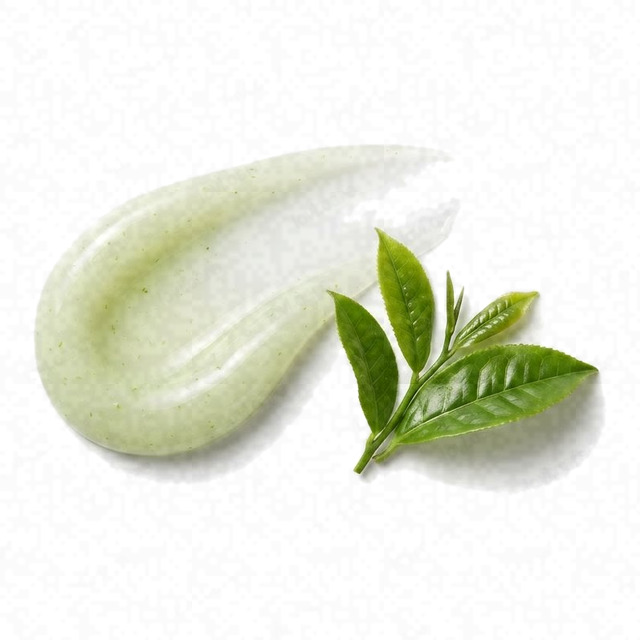 Camellia Sinensis Extract
 Sodium Hyaluronate
 Squalane
 Panthenol
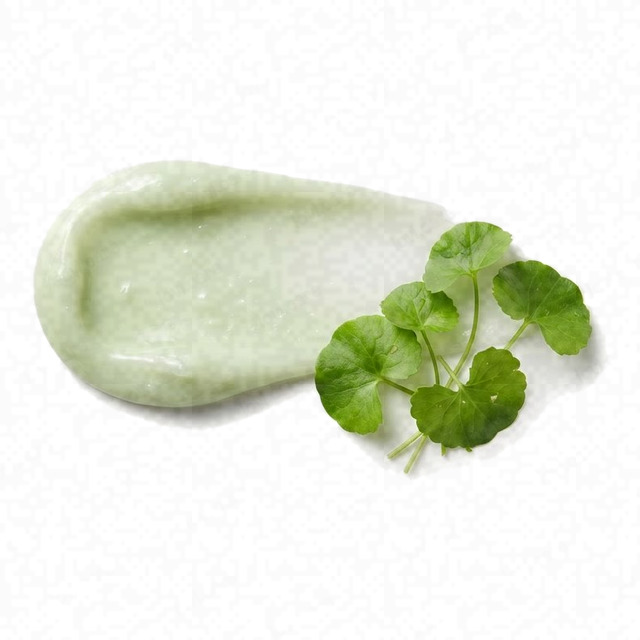 Madecassoside
Average
- HighCombination Skin Fit
- AverageEffectiveness
- ExcellentSafety
Works for acne-prone skin; other moisturizers fit it better.
- Clinical, Cosmetic and Investigational Dermatology, 2017
- Clinical, Cosmetic and Investigational Dermatology, 2019
This fit is calculated for the concerns frequently associated with acne-prone skin: breakouts, blackheads, and post-acne marks. For scores and recommendations based on your full skin profile, including your 12D face scan results and any goals or preferences you have, please use the Lovi app.
Page built Nov 8, 2026How the Fit score works
Lovi Assistant explains
- Offers moderate hydration for your combination skin, with sodium hyaluronate and glycerin providing humectant action, while Camellia Sinensis Seed Oil offers antioxidant benefits.
- The formula includes soothing agents like Camellia Sinensis Leaf Extract and Allantoin, which are supportive for acne and blemishes.
- The product is safe for acne-prone skin, as it lacks harsh ingredients and contains beneficial compounds that minimize irritation.
How to apply
- Use your moisturizer twice a day in your AM and PM routines. Apply it daily to help keep breakouts under control.
- Apply after your cleanser and toner, and make sure to use your SPF right after in the morning.
- Gently spread a small amount of moisturizer over your face using soft motions. Let it absorb into the skin for a minute before getting dressed or applying makeup.
- Apply on slightly damp skin to help lock in extra moisture. This keeps your combination skin balanced without feeling heavy.
- Avoid the eye area and do a patch test before your first use. Stop using if you feel any irritation.
People Say
★4.6Overall rating based on 2.5k+ reviewsBased on a very large amount of data, this cream is highly regarded for its lightweight, non-greasy hydration, making it suitable for combination and oily skin types. It effectively supports the skin barrier and provides a dewy finish. However, users with very dry skin or those in colder climates find it lacks sufficient moisture. Some users also find the fragrance too strong or irritating, and a small number report breakouts or dislike the jar packaging.
Highlights
Lightweight Hydration Often Mentioned
- “absorbs quickly without feeling sticky”
- “perfect in-between consistency”
- “feels like a drink of water”
Non-Greasy Finish Often Mentioned
- “no excess oil the next morning”
- “layers well under makeup”
- “leaves a fresh, dewy finish”
Insufficient for Winter Often Mentioned
- “leaves skin feeling tight in winter”
- “not rich enough for very dry skin”
- “need a richer cream for cold months”
Barrier Support Sometimes Noted
- “calms and hydrates at the same time”
- “skin barrier savior”
- “strengthens moisture barrier”
Soothing Scent Sometimes Noted
- “pleasant, sweet and lemony”
- “smells like aromatherapy”
- “refreshing green tea scent”
Jar Packaging Sometimes Noted
- “wish it came in a tube”
- “unhygienic to scoop with fingers”
- “prefer a pump dispenser”
Strong Fragrance Sometimes Noted
- “scent is too strong/overpowering”
- “irritates my sensitive nose”
- “smells kinda bad to me”
Potential Breakouts Rarely Noted
- “caused white bumps on cheeks”
- “broke me out after two uses”
- “triggered acne for sensitive skin”
Sources: lovi.care, sephora.com, amazon.com, hwahae.co.kr, yesstyle.com, nykaa.com, and more
Questions and answers
How well does the innisfree Green Tea Seed Cream work for acne-prone skin?
This moisturizer works reasonably well for acne-prone skin, providing moderate hydration and soothing irritated areas without harsh ingredients. To fit this skin type best, a product needs effective blemish-fighting ingredients, lightweight hydration, and soothing extracts that calm redness while keeping pores clear.
Clinical, Cosmetic and Investigational Dermatology, 2019American Journal of Clinical Dermatology, 2002
Which ingredients make this cream a good fit for acne-prone skin?
Camellia Sinensis Leaf Extract and Allantoin help calm acne-prone skin, while Squalane and Panthenol provide hydration and comfort without causing irritation. To work best for this skin, a moisturizer of this type needs specialized soothing ingredients and peptides that control breakouts while keeping skin balanced and clear.
Clinical, Cosmetic and Investigational Dermatology, 2019American Journal of Clinical Dermatology, 2002
What does Green Tea Extract do for acne-prone skin?
Green tea extract helps calm acne-prone skin and reduces both inflammatory and non-inflammatory breakouts. It may also help lower excess oil production to keep your skin clearer.
Phytotherapy Research, 2021Archives of Dermatological Research, 2020
What does Hyaluronic Acid do for acne-prone skin?
Hyaluronic acid helps acne-prone skin by soothing irritation, calming redness, and keeping the skin balanced without clogging pores. When combined with targeted ingredients like zinc oxide, it may also help reduce breakouts.
Where does this cream go in a skincare routine for acne-prone skin?
This moisturizer goes near the end of your morning and evening skincare routines, right after your hydrating toner or treatment. It is a reasonable fit for acne-prone skin, though this skin type often needs a lightweight, oil-free formula with soothing ingredients like niacinamide or salicylic acid to better control breakouts.
Can I use this cream with retinol, and in what order?
You can use this cream with retinol, and applying it after your retinol helps calm the skin and keep it soft while reducing the dryness and irritation retinol often causes. To give acne-prone skin the best fit, this type of product needs lightweight hydrators and soothing ingredients like ceramides, niacinamide, or green tea extract.
How often should I use this cream?
You can use this moisturizer twice a day, in both your morning and evening routines, as part of your daily skincare steps. Regular daily application helps keep your skin hydrated and supported while minimizing irritation.
Health Science Reports, 2021Clinical, Cosmetic and Investigational Dermatology, 2017
Can this cream clog pores, cause breakouts or purging for acne-prone skin?
This cream is unlikely to clog pores or cause breakouts for acne-prone skin, as it lacks harsh ingredients and contains soothing agents that help minimize irritation. However, acne-prone skin needs lightweight, non-greasy hydrators and calming ingredients that balance oil without heavy oils.
Clinical, Cosmetic and Investigational Dermatology, 2019American Journal of Clinical Dermatology, 2002
Can I use this cream around the eyes or on my body?
This cream is safe to use around the eyes and on the body, though it provides only moderate hydration for dry areas. Skin in these zones needs a rich moisturizer with nourishing plant oils and extra soothing ingredients to stay soft and comfortable.
Surgical and Radiologic Anatomy, 2002Clinical, Cosmetic and Investigational Dermatology, 2017
Is this cream fragrance-free and alcohol-free?
It has no drying alcohol and contains fragrance (linalool and limonene). Cetearyl alcohol is a fatty alcohol, which soften the skin.
What the research says
A single application of a moisturizing fluid containing hyaluronic acid 1%, glycerin 5%, and Centella asiatica stem cells extract significantly increased skin hydration by 29% and reduced transepidermal water loss at 24 hours compared to baseline and an untreated control site in twenty healthy women.
Clinical, Cosmetic and Investigational Dermatology, 2017An anti-acne hydrogel containing Aloe barbadensis, Garcinia mangostana, and Camellia sinensis extracts showed superior antiacne and antiblotch activities compared to 1% clindamycin gel in sixty subjects with mild-moderate acne.
Clinical, Cosmetic and Investigational Dermatology, 2019Topical dexpanthenol acts as a moisturizer, improves stratum corneum hydration, accelerates wound healing and epidermal regeneration, reduces erythema, and improves symptoms of skin irritation compared to vehicle or no pretreatment.
American Journal of Clinical Dermatology, 2002Co-delivery of paeonol and madecassoside via nanoemulsions improved transdermal delivery, promoted barrier repair proteins, inhibited inflammatory cytokine secretion in cellular and 3D models, and reduced transepidermal water loss and acne in human facial skin compared to free components.
Molecules, 2023Topical green tea extract significantly improved clinical symptoms, tear breakup times, and meibomian gland health compared to standard treatment in patients with dry eye and Meibomian Gland Dysfunction.
Journal of Clinical and Diagnostic Research, 2017Topical low-dose green tea extract reduces UVB-induced p53 expression and apoptosis in human skin keratinocytes compared to placebo.
Experimental Dermatology, 2009Topical application of green tea extract encapsulated chitosan microparticles improved skin elasticity, melanin index, and facial wrinkles compared to a placebo in female volunteers without causing skin irritation.
Journal of Cosmetic Dermatology, 2022Topical application of 0.1% hyaluronic acid formulations of different molecular weights led to significant improvements in skin hydration and elasticity, with low-molecular-weight formulations also significantly reducing wrinkle depth in seventy-six female subjects compared to a vehicle control.
Journal of Drugs in Dermatology, 2011Topical application of hyaluronic acid in conjunction with free gingival graft significantly reduced donor site postoperative pain until day 7 compared to normal saline, with no significant differences in graft dimensions or patient satisfaction.
Clinical Oral Investigations, 2022Treatment with a hyaluronic acid-containing mouth rinse or topical gel led to significant lesion reduction, pain relief, and normalization of lesion color in adult patients with minor recurrent aphthous stomatitis, with the gel formulation showing an earlier healing onset at 3 days.
BMC Oral Health, 2019Squalane at 0.005-0.015% counteracts UVA-induced oxidative stress, inflammation, and collagen metabolism inhibition while stimulating fibroblast migration in human dermal fibroblasts.
Molecules, 2025Plant-derived squalane protected human dermal fibroblasts against UVA-induced damage by counteracting ROS formation, suppressing apoptosis-related proteins p53, caspase-3, caspase-9, and PARP, and restoring the pro-survival p-Akt/mTOR pathway.
Antioxidants, 2025Moisturizer containing 5% panthenol, madecassoside, and copper-zinc-manganese decreased adverse reactions and downtime after ablative fractional carbon dioxide laser resurfacing with comparable efficacy to 0.02% triamcinolone acetonide cream in 20 subjects.
Journal of Cosmetic Dermatology, 2019Topical dexpanthenol formulated in lipophilic vehicles improved stratum corneum hydration and reduced transepidermal water loss compared to vehicle control in humans.
Arzneimittel-Forschung, 2000Hyaluronic acid, hyaluronic acid plus dexpanthenol, and isotonic saline nasal sprays all significantly improved dry nose symptoms over four weeks in 240 patients, with hyaluronic acid plus dexpanthenol providing superior nasal moisturisation compared to the other two.
Auris, Nasus, Larynx, 2020Topical application of 0.05% w/w ECa 233 gel reduced erythema index by 0.03 U and improved early crusting and general wound appearance compared to placebo in thirty individuals undergoing facial laser resurfacing.
Journal of Alternative and Complementary Medicine, 2020Topical treatment with 5% vitamin C and 0.1% madecassoside significantly improved clinical scores for wrinkles, suppleness, firmness, roughness, and skin hydration, along with functional and structural remodeling of the elastic fiber network in 20 female volunteers with photoaged skin after 6 months compared to baseline.
Experimental Dermatology, 2008Treatment with an asiaticoside-containing cream applied twice daily for 12 weeks significantly improved periorbital wrinkles in 65% of 27 female volunteers compared to a vehicle control cream.
International Journal of Cosmetic Science, 2008
Ingredients
Water, Propanediol, Glycerin, Methyl Trimethicone, Stearyl Dimethicone, Butylene Glycol Dicaprylate Dicaprate, Pentaerythrityl Tetraethylhexanoate, Camellia Sinensis Seed Oil, 1,2-Hexanediol, Glyceryl Polymethacrylate, Polymethylsilsesquioxane, Trehalose, Octadecene, Squalane, Hydroxyethyl Acrylate Sodium Acryloyldimethyl Taurate Copolymer, Polyglyceryl-3 Methylglucose Distearate, Carbomer, Hydrogenated Lecithin, Cholesterol, Glyceryl Stearate, Tromethamine, Lactobacillus Lysate Ferment, Sodium Hyaluronate, Panthenol, Allantoin, Cetearyl Alcohol, Xanthan Gum, Glyceryl Caprylate, Sodium Stearoyl Glutamate, Butylene Glycol, Disodium Edta, Ethylhexylglycerin, Sorbitan Isostearate, Camellia Sinensis Leaf Extract, Linalool, Limonene, Madecassoside, Lactic Acid, Dextrin, Theobroma Cacao Extract, Camellia Sinensis Seed Extract, Hydrolyzed Hyaluronic Acid, Ceramide Np, Tocopherol, Sodium Hyaluronate Crosspolymer, Phytosphingosine, Sodium Acetylated Hyaluronate
Behind this fit score
Lovi calculates every fit score from the full ingredient list with brand-independent rules our dermatologists and cosmetic chemists build and review, and personalizes every pick with AI trained on the real results of millions of users. Lovi trains its fit score models on a proprietary dataset built from more than 10,000 expert-labeled products and more than 100,000 simulated examples, following an internally consistent methodology presented at Cosmoprof, AMWC, and Skin of Color Update.
-

Co-founder, Medical Director
Cosmetic chemist, cosmetologist, aesthetic products developer
-

Co-founder, CEO and CTO
PhD in computer science, 3x US patent holder, ex-Google, ex-Yandex
-

Dr. Sofía Perea Pérez, MD, MSc
Medical Board
Aesthetic medicine practitioner, MSc in Longevity and Anti-Aging Medicine
-

Medical Board
Specialist dermatologist, MBBS, MD, IFAAD
-

Medical Board
Cosmetic chemist, SCS, IFSCC member
-

Medical Board, Medical Advisor
Dermatology MD
-

Elina Nazarenko, MD
Medical Board
Dermatology and diagnostic consultant
-

Victoria Derkova, MS
Medical Board
Cosmetic chemist, cosmetic development technologist


How does it fit your skin?
Scan your face, then any product: Lovi shows how well it fits you and what fits even better.