glymed+ DAILY SKIN CLARIFIER for acne-prone skin

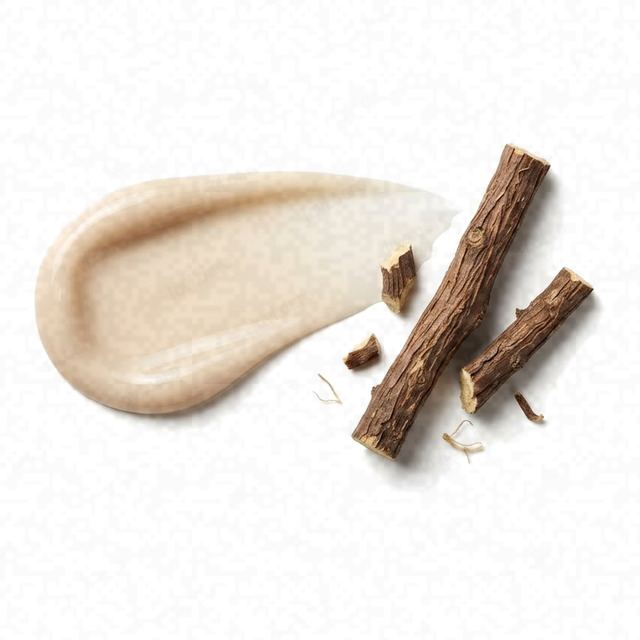 Glycyrrhiza Glabra Root Extract Licorice Root Extract
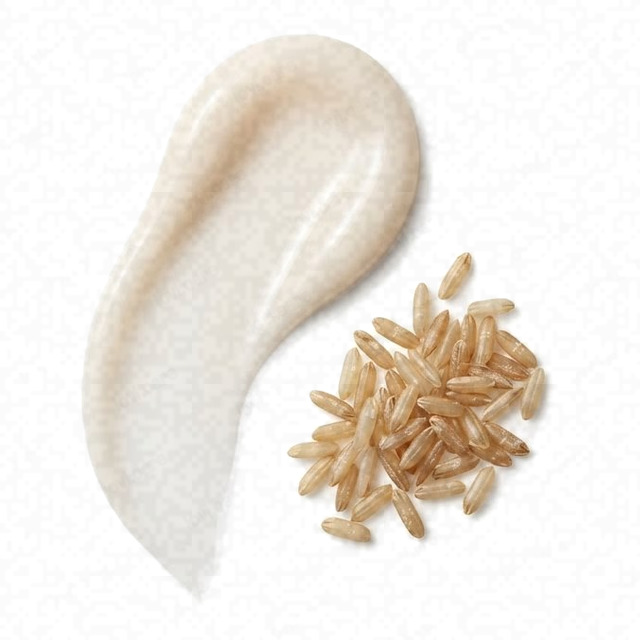 Phytic Acid
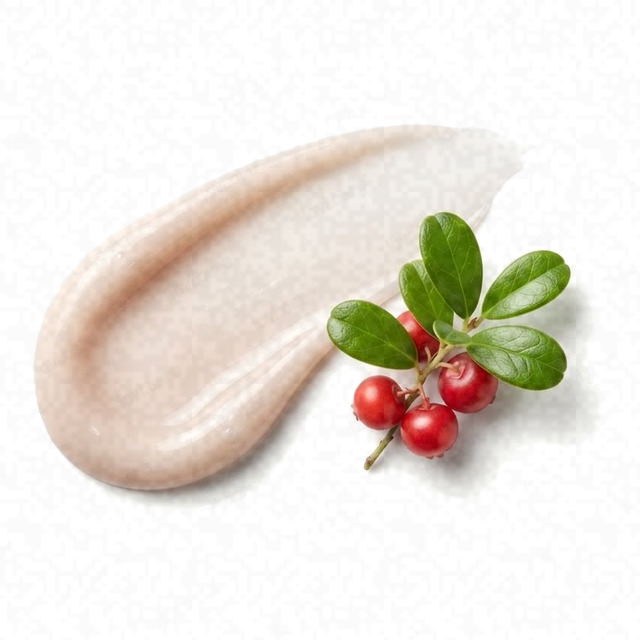 Arctostaphylos Uva-Ursi Leaf Extract
Low
- AverageCombination Skin Fit
- AverageEffectiveness
- HighSafety
A weak match for acne-prone skin; the products alongside fit it better.
This fit is calculated for the concerns frequently associated with acne-prone skin: breakouts, blackheads, and post-acne marks. For scores and recommendations based on your full skin profile, including your 12D face scan results and any goals or preferences you have, please use the Lovi app.
Page built Nov 8, 2026How the Fit score works
Lovi Assistant explains
- Offers moderate exfoliation for your combination skin due to phytic acid and saccharum officinarum extract, which provide mild keratolytic action but lack targeted ingredients for your acne, blemishes, and breakouts.
- While the formula offers general skincare benefits like hydration and antioxidant support from ingredients such as licorice root extract and tocopheryl acetate, it does not contain stronger actives like salicylic acid for optimal acne management.
- The product is safe for your acne-prone skin, as it contains no prohibited or harsh ingredients that would cause irritation.
How to apply
- Use this exfoliant PM once a week to start, and gradually increase if your combination skin tolerates it well. Always apply SPF the next morning to protect your clear skin.
- Apply the exfoliant after cleansing and toning, but right before your moisturizer step. This ensures the treatment targets blemishes effectively.
- Gently press 2-3 drops of the exfoliant into your skin without rubbing. Let it absorb for a minute before moving to the next step.
- Apply the exfoliant on clean, dry skin to help control breakouts safely. Since your skin is not sensitive, this dry application method ensures good product absorption.
- Avoid the sensitive eye area and do a patch test before your first use. Do not mix this exfoliant with other strong acids in the same routine.
Questions and answers
Why is Glymed+ Daily Skin Clarifier a weak match for acne-prone skin?
Glymed+ Daily Skin Clarifier is a weak match for acne-prone skin because it lacks stronger active ingredients like salicylic acid for optimal acne management. An exfoliant treatment for this skin needs to contain effective ingredients like niacinamide and propolis that provide excellent skincare benefits for acne and breakouts, while ensuring no risk of irritation.
Which ingredients make this exfoliant a poor fit for acne-prone skin?
This exfoliant treatment is a weaker match because it lacks stronger acne-fighting ingredients like salicylic acid, niacinamide, and zinc PCA. To properly care for acne-prone skin, an exfoliant of this type needs targeted ingredients that calm blemishes and control oiliness while avoiding irritation.
What does Licorice Root Extract do for acne-prone skin?
Licorice root extract helps calm redness and swelling in acne-prone skin while easing irritation. It also works to reduce oxidative stress in the skin cells, making it a soothing addition to a blemish-focused routine.
Experimental Dermatology, 2015The Journal of Dermatological Treatment, 2003
What does Phytic Acid do for acne-prone skin?
Phytic acid helps clear acne and postacne dark spots while keeping skin balanced and smooth. When combined in chemical peels or daily emulsions, it significantly reduces acne breakouts and improves overall skin texture.
Journal of Cutaneous and Aesthetic Surgery, 2019Journal of Cosmetic Dermatology, 2021
Where does this exfoliant go in a skincare routine for acne-prone skin?
This exfoliant treatment goes in the evening routine, starting at once a week so your skin can adjust safely. An acne-prone skin type needs targeted blemish-fighting ingredients like salicylic acid for optimal breakout management.
Can I use this exfoliant with retinol, and in what order?
This exfoliant is unlikely to irritate your skin, but because it does not contain strong blemish-fighting ingredients, acne-prone skin needs a product with salicylic acid and stronger targeted actives to properly manage breakouts.
How often should I use this exfoliant?
Start using this treatment once a week in your evening routine, and if your skin feels calm and you see good results, you may carefully use it more often. An exfoliant for acne-prone skin needs stronger targeted ingredients like salicylic acid to properly manage breakouts.
Can this exfoliant clog pores, cause breakouts or purging for acne-prone skin?
This exfoliant is unlikely to clog pores or cause breakouts on acne-prone skin, as it contains safe ingredients and lacks harsh components that cause irritation. However, because it misses stronger acne-fighting ingredients like salicylic acid, acne-prone skin needs a product with targeted blemish-clearing actives for optimal management.
Is this exfoliant fragrance-free and alcohol-free?
Yes, it has no fragrance and no drying alcohol.
What the research says
Vitamin E in O/W and W/O emulsions significantly increased stratum corneum hydration and enhanced water-binding capacity, with an optimum concentration of 5%.
Arzneimittel-Forschung, 1998Co-encapsulation of alpha-tocopherol and alpha-tocopheryl acetate in nanostructured lipid carrier gel formulations significantly enhanced moisture retention up to 68% and improved skin elasticity in human volunteers compared to a solution gel.
Scientific Reports, 2025Licochalcone A activated Nrf2 signaling, elevated cytoprotective enzymes, increased the reduced-to-oxidized glutathione ratio, and decreased reactive oxygen species in human fibroblasts and neutrophils, while a LicA-rich licorice extract lowered UVA-induced oxidative processes in vivo.
Experimental Dermatology, 2015Dermatological products containing d-alpha tocopheryl acetate showed non-comedogenic potential with less than a 50% increase in microcomedones in 12 healthy male subjects compared to octyl palmitate.
Contemporary Clinical Trials Communications, 2021Glycolic acid, salicylic acid, gluconolactone, and licochalcone A combined with 0.1% adapalene showed no hindrance compared to adapalene monotherapy and provided benefits in reducing complications in 25 subjects with mild-to-moderate acne vulgaris.
Clinical, Cosmetic and Investigational Dermatology, 2019Combining 755 nm alexandrite laser with topical licorice gel significantly reduces terminal hair counts compared to alexandrite laser with placebo in women with idiopathic hirsutism.
Evidence-based Complementary and Alternative Medicine, 2015Bioactive glycyrrhizic acid and oxymatrine ionic liquid self-assembled nanomicelles significantly promoted the transdermal permeation, subcutaneous retention, and anti-photoaging efficacy of palmitoyl pentapeptide-4 in cellular and animal models compared to unformulated peptide.
Advanced Science, 2025Topical application of Glycyrrhiza glabra and Sophora japonica flavonoid-rich fractions individually and in combination significantly increased the wound healing rate and reduced oxidative stress compared to wound and Nolaver-treated groups.
Molecules, 2023L-ascorbic acid 10% plus phytic acid 2% serum significantly reduced the pigmentation index of solar lentigines compared to a vehicle control in 30 healthy subjects.
Journal of Cosmetic Dermatology, 2011Chemical peels using 35% glycolic acid, 20% salicylic-10% mandelic acid, and phytic acid reduce acne scores by 70.55%, 74.14%, and 69.7% respectively, and significantly decline the postacne hyperpigmentation index in Asian patients with mild to moderate acne.
Journal of Cutaneous and Aesthetic Surgery, 2019A topical facial emulsion containing 10% glycolic acid, 2% phytic acid, and a soothing complex significantly improved skin hyperpigmentation, texture, and tone homogeneity from week 4 through week 12 in American female volunteers with Fitzpatrick skin types II-VI.
Journal of Cosmetic Dermatology, 2021A non-hydroquinone topical formulation (SKNB19) improved hyperpigmentation by 28.5% in patient self-assessment and 27% in independent reviewer assessment compared with 4% hydroquinone in 18 adult subjects, while showing significantly less irritation and better tolerability.
Journal of Cosmetic Science, 2020Encapsulation of alpha arbutin in an optimized ethosomal gel significantly improved skin melanin reduction, moisture content, and elasticity in human volunteers compared to conventional formulations.
Heliyon, 2023Combining a home-based radiofrequency device and arbutin cream reduced mMASI scores by 25.6% and melanin index by 22.8% at 8 weeks compared to baseline in 38 participants.
Journal of Cosmetic Dermatology, 2025
Why other products fit acne-prone skin better
Topical nicotinamide plus an antibacterial adhesive agent and zinc-pyrrolidone carboxylic acid combined with adapalene significantly reduced noninflammatory acne lesions by the second week of therapy compared to placebo with adapalene in patients with moderate acne vulgaris.
The Journal of Clinical and Aesthetic Dermatology, 2020A cream combining propolis, tea tree oil, and Aloe vera reduced erythema scars, acne severity index, and total lesion count better than erythromycin cream in sixty patients with mild to moderate acne vulgaris compared to placebo.
Clinical Pharmacology, 2018Niacinamide and ferulic acid incorporated in a stable multiple emulsion successfully reduced melanin, sebum, and skin erythema while improving skin elasticity and hydration in human skin compared to a placebo.
BioMed Research International, 2022
Ingredients
Water, Glycyrrhiza Glabra Root Extract Licorice Root Extract, Phytic Acid, Arctostaphylos Uva-Ursi Leaf Extract, Morus Alba Bark Extract, Laminaria Japonica Extract Algae Extract, Yeast Extract, Saccharum Officinarum Extract, Lemon Fruit Extract, Citrus Aurantium Dulcis Fruit Extract, Pyrus Malus Fruit Extract, Camellia Sinensis Leaf Extract, Tocopheryl Acetate, Retinyl Palmitate, Ascorbic Acid, Magnesium Ascorbyl Phosphate, Glycerin, Sorbitol, Xanthan Gum, Butylene Glycol, Phenoxyethanol, Caprylyl Glycol, Sorbic Acid
Behind this fit score
Lovi calculates every fit score from the full ingredient list with brand-independent rules our dermatologists and cosmetic chemists build and review, and personalizes every pick with AI trained on the real results of millions of users. Lovi trains its fit score models on a proprietary dataset built from more than 10,000 expert-labeled products and more than 100,000 simulated examples, following an internally consistent methodology presented at Cosmoprof, AMWC, and Skin of Color Update.
-

Co-founder, Medical Director
Cosmetic chemist, cosmetologist, aesthetic products developer
-

Co-founder, CEO and CTO
PhD in computer science, 3x US patent holder, ex-Google, ex-Yandex
-

Dr. Sofía Perea Pérez, MD, MSc
Medical Board
Aesthetic medicine practitioner, MSc in Longevity and Anti-Aging Medicine
-

Medical Board
Specialist dermatologist, MBBS, MD, IFAAD
-

Medical Board
Cosmetic chemist, SCS, IFSCC member
-

Medical Board, Medical Advisor
Dermatology MD
-

Elina Nazarenko, MD
Medical Board
Dermatology and diagnostic consultant
-

Victoria Derkova, MS
Medical Board
Cosmetic chemist, cosmetic development technologist


How does it fit your skin?
Scan your face, then any product: Lovi shows how well it fits you and what fits even better.