Dr. Dennis Gross Clarifying Colloidal Sulfur Mask for combination skin

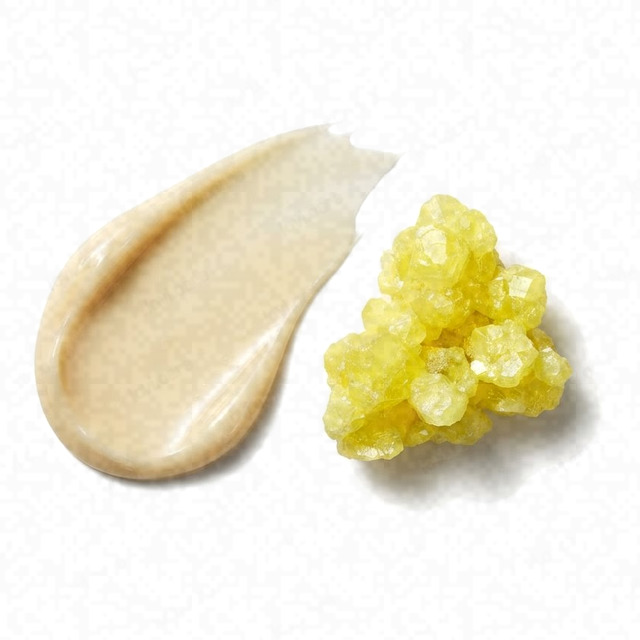 Colloidal Sulfur
 Zinc Oxide
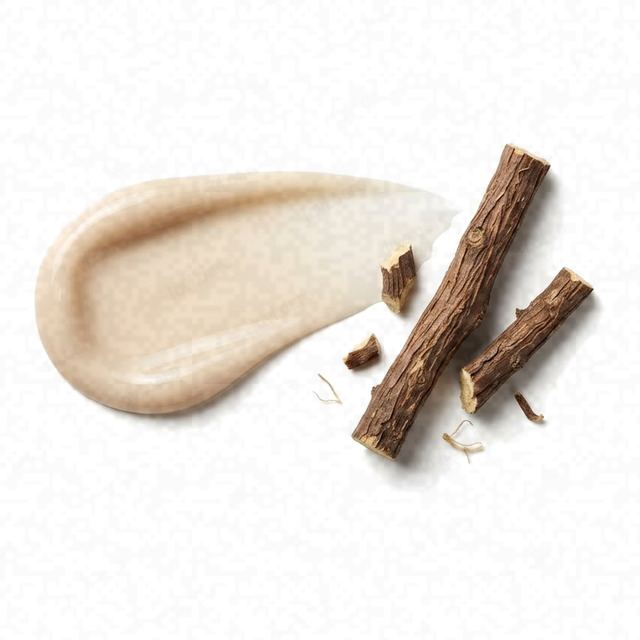 Licorice Root Extract
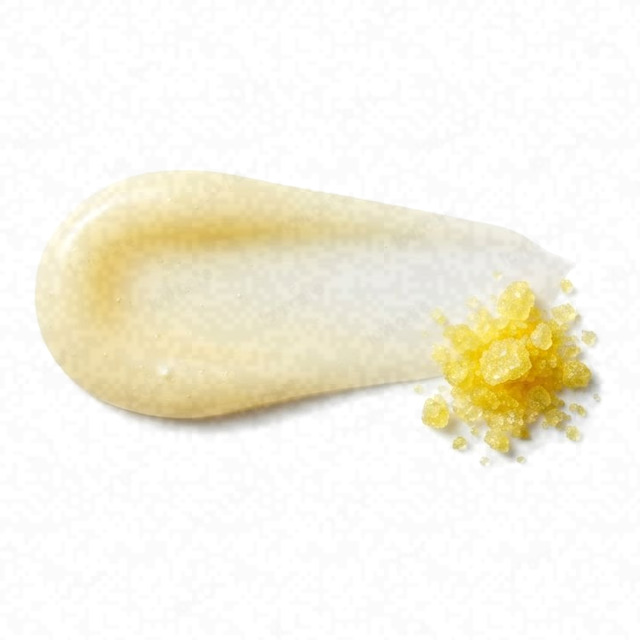 Retinol
 Aloe Barbadensis Leaf Juice
High
- HighCombination Skin Fit
- HighEffectiveness
- HighSafety
A great choice for combination skin; a few cleansing masks fit it even better.
This fit is calculated for the concerns frequently associated with combination skin: an oily T-zone, enlarged pores, and dry cheeks. For scores and recommendations based on your full skin profile, including your 12D face scan results and any goals or preferences you have, please use the Lovi app.
Page built Nov 8, 2026How the Fit score works
Lovi Assistant explains
- Highly suitable for your combination skin, colloidal sulfur and zinc oxide work to regulate oil production and reduce inflammation, effectively addressing your oily shine.
- Aloe barbadensis leaf juice and licorice root extract offer additional soothing benefits, complementing the primary ingredients for your skin.
- The formula is safe for your skin, containing no harsh or prohibited ingredients that could cause irritation.
How to apply
- Use this cleansing mask during your PM routine once a week to control oil. Start slowly 3 times a week and increase if your skin feels comfortable.
- Apply the cleansing mask after the cleansing step and before using your hydrating toner. This ensures it works effectively on your skin.
- Spread an even layer over your face using gentle motions. Avoid any harsh rubbing to keep your skin calm.
- Apply the mask to clean and slightly damp skin for the best results. This helps the product target oily shine efficiently.
- Avoid the sensitive eye area during application. Do a simple patch test before your very first use.
People Say
★4.4Overall rating based on 100+ reviewsBased on limited data, users frequently report that this mask effectively calms inflammation, reduces redness, and shrinks active breakouts, often with overnight improvements, making it particularly beneficial for acne-prone and oily skin. A notable drawback is the strong sulfur scent, and some users express frustration with the pump packaging.
Highlights
Rapid acne reduction Mostly Mentioned
- “pimples dramatically reduced”
- “stops spots in tracks”
- “calms aggravated acne”
- “zaps zits fast”
Soothes redness Often Mentioned
- “calmed the redness”
- “minimizes inflammation”
- “skin less angry”
- “takes away redness”
Unpleasant sulfur scent Often Mentioned
- “smells like rotten eggs”
- “stinks”
- “smell is strong”
- “scent lingers”
Non-drying formula Sometimes Noted
- “doesn't dry out skin”
- “skin feels soft”
- “not tight”
- “moisturizing for clay”
Pore and oil control Sometimes Noted
- “pores vanished”
- “absorbs excess oil”
- “blackheads minimized”
- “skin less oily”
Versatile use Sometimes Noted
- “overnight spot treatment”
- “great under makeup”
- “use as primer”
- “leave on overnight”
Faulty pump packaging Sometimes Noted
- “pump is terrible”
- “hard to get out”
- “had to unscrew top”
- “pump stopped working”
High price point Rarely Noted
- “pricey for size”
- “expensive”
- “wish it was cheaper”
- “costly investment”
Potential irritation Rarely Noted
- “broke me out”
- “caused peeling”
- “eyes watered”
- “too strong”
Texture issues Rarely Noted
- “pills up”
- “hard to spread”
- “thick consistency”
- “crumbles if rubbed”
Sources: lovi.care, dermstore.com, lookfantastic.com, lovelyskin.com, influenster.com, cultbeauty.co.uk, and more
Questions and answers
What makes Dr. Dennis Gross Clarifying Colloidal Sulfur Mask a great fit for combination skin?
This mask is a great fit for your combination skin because colloidal sulfur and zinc oxide help control oil and reduce redness. Licorice root extract and aloe leaf juice also add soothing benefits to keep your skin calm and balanced.
Journal of Controlled Release, 2025Experimental Dermatology, 2015
Which ingredients make this mask a good fit for combination skin?
Colloidal sulfur and zinc oxide make this mask a great fit by helping to control oil and calm your skin. Licorice root extract and aloe vera leaf juice add extra soothing benefits to keep your skin balanced and comfortable.
Journal of Controlled Release, 2025Experimental Dermatology, 2015
What does Sulfur do for combination skin?
Sulfur helps clear breakouts and balance oil on combination skin with a very low chance of irritation. It gently treats skin troubles while keeping the skin calm and comfortable.
Journal of Drugs in Dermatology, 2004Journal of the American Academy of Dermatology, 1988
What does Zinc Oxide do for combination skin?
Zinc oxide helps calm oily and breakout-prone areas while protecting dry spots without clogging pores. This ingredient is unlikely to cause irritation and safely manages shine and redness.
Journal of Controlled Release, 2025Dermatologic Therapy, 2018
Where does this mask go in a skincare routine for combination skin?
This cleansing mask fits into a weekly evening routine, right after cleansing and an enzyme powder, and before applying a hydrating toner, treatment, and moisturizer.
Can I use this mask with benzoyl peroxide, and in what order?
You can use this mask in your weekly routine, but it is best to avoid using it on the same nights you apply strong treatments like benzoyl peroxide to keep your skin calm and smooth. This mask contains active ingredients like retinol and colloidal sulfur that may cause irritation when layered directly with other strong acne treatments. Using them on separate days helps maintain a healthy skin barrier.
How often should I use this mask?
This cleansing mask is a great fit for your combination skin and is meant to be used once a week as part of your weekly routine. Colloidal sulfur and zinc oxide help control oil and reduce redness, while aloe and licorice root soothe your skin.
Can this mask clog pores, cause breakouts or purging for combination skin?
This mask is a great fit for your combination skin and is unlikely to clog pores or cause breakouts because colloidal sulfur and zinc oxide help control excess oil and calm irritation. The formula is also designed to be gentle, with soothing ingredients like aloe and licorice root that keep your skin comfortable.
Is this mask fragrance-free and alcohol-free?
It has no drying alcohol and contains fragrance (farnesol). Cetearyl alcohol is a fatty alcohol, which soften the skin.
What the research says
Biomimetic hyaluronic acid-stabilized zinc oxide nanoparticles selectively inhibited C. acnes, outperformed erythromycin in preclinical acne models, and safely reduced acne lesions and redness in a clinical trial.
Journal of Controlled Release, 2025Topical 0.5% hyaluronic-ZnO nanogel applied twice daily reduced inflammatory-lesion counts by 58% at week four in human subjects compared to baseline without causing erythema.
Biomedicines, 2025Licochalcone A activated Nrf2 signaling, elevated cytoprotective enzymes, increased the reduced-to-oxidized glutathione ratio, and decreased reactive oxygen species in human fibroblasts and neutrophils, while a LicA-rich licorice extract lowered UVA-induced oxidative processes in vivo.
Experimental Dermatology, 2015A cream combining propolis, tea tree oil, and Aloe vera reduced erythema scars, acne severity index, and total lesion count better than erythromycin cream in sixty patients with mild to moderate acne vulgaris compared to placebo.
Clinical Pharmacology, 2018Azelaic acid was probably less effective than benzoyl peroxide in acne treatment response, while showing little or no difference compared to tretinoin, and adverse events were mild and transient across evaluated topical treatments.
Journal of Evidence-based Medicine, 2020Topical application of precipitated sulphur 2-8% petrolatum achieved a 95% clinical and ectoparasitological cure rate in 40 ambulatory scabies patients without relevant adverse effects.
Revista de Investigacion Clinica; Organo Del Hospital de Enfermedades de la Nutricion, 2004Topical 10% benzoyl peroxide and 2%-5% sulfur cream achieved "good" to "excellent" results with no undesirable side effects in 113 consecutive patients with acne.
Canadian Medical Association Journal, 1966Nels cream achieved a similar reduction in inflammatory and noninflammatory lesion counts compared to 5% benzoyl peroxide in acne vulgaris patients, but caused significantly fewer side-effects such as peeling and dryness.
Clinical and Experimental Dermatology, 2000Topically applied coated and uncoated zinc oxide nanoparticles under flexing and massage are retained in the stratum corneum with no significant penetration into the viable epidermis and no cellular toxicity in human skin.
Nanomedicine, 2016Combining 755 nm alexandrite laser with topical licorice gel significantly reduces terminal hair counts compared to alexandrite laser with placebo in women with idiopathic hirsutism.
Evidence-based Complementary and Alternative Medicine, 2015Bioactive glycyrrhizic acid and oxymatrine ionic liquid self-assembled nanomicelles significantly promoted the transdermal permeation, subcutaneous retention, and anti-photoaging efficacy of palmitoyl pentapeptide-4 in cellular and animal models compared to unformulated peptide.
Advanced Science, 2025Topical application of Glycyrrhiza glabra and Sophora japonica flavonoid-rich fractions individually and in combination significantly increased the wound healing rate and reduced oxidative stress compared to wound and Nolaver-treated groups.
Molecules, 2023Topical 0.4% retinol significantly increased epidermal thickness, dermal vascularity, and extracellular matrix production by stimulating keratinocyte proliferation, endothelial cell proliferation, and fibroblast activation in naturally aged human skin compared to vehicle.
International Journal of Cosmetic Science, 2017Topical bakuchiol 0.5% applied twice daily compared with retinol 0.5% applied daily significantly decreased wrinkle surface area and hyperpigmentation with no statistical difference between the compounds in 44 patients over 12 weeks, while retinol users reported more facial skin scaling and stinging.
The British Journal of Dermatology, 2019Silicone particles encapsulating retinol increased its half-life by 9-fold and yielded 12-23% lower skin irritation in human subjects compared to Microsponge particles while maintaining biological activity.
Journal of Controlled Release, 2018Topical aloe vera gel significantly accelerated split-thickness skin graft donor-site healing compared to placebo in 12 patients, but showed no significant difference in pain relief.
Plastic and Reconstructive Surgery, 2018Topical application of Aloe vera cream reduced postoperative pain at rest and during defecation, accelerated wound healing at two weeks, and decreased analgesic requirements in patients after open hemorrhoidectomy compared to placebo.
Journal of Alternative and Complementary Medicine, 2010Formulations containing 0.10%, 0.25%, and 0.50% freeze-dried Aloe vera extract increased stratum corneum water content compared with the vehicle in 20 female subjects, while transepidermal water loss was not modified.
Skin Research and Technology, 2006
Ingredients
Water, Kaolin, Colloidal Sulfur, Glyceryl Stearate, Glycerin, Peg-100 Stearate, Butylene Glycol, Cetearyl Alcohol, Acacia Senegal Gum, Aloe Barbadensis Leaf Juice, Zinc Oxide, Bentonite, Carthamus Tinctorius Seed Oil, Opuntia Vulgaris Extract, Willow Bark Extract, Bisabolol, Glycyrrhiza Glabra Root Extract Licorice Root Extract, Farnesol, Rosamarinus Officinalis Oil Leaf Rosemary Oil Leaf, Phenylethyl Resorcinol, Retinol, Tocopheryl Acetate Vitamin E, Sodium Pca, Ethylhexylglycerin, Allantoin, Bht, Phenoxyethanol
Behind this fit score
Lovi calculates every fit score from the full ingredient list with brand-independent rules our dermatologists and cosmetic chemists build and review, and personalizes every pick with AI trained on the real results of millions of users. Lovi trains its fit score models on a proprietary dataset built from more than 10,000 expert-labeled products and more than 100,000 simulated examples, following an internally consistent methodology presented at Cosmoprof, AMWC, and Skin of Color Update.
-

Co-founder, Medical Director
Cosmetic chemist, cosmetologist, aesthetic products developer
-

Co-founder, CEO and CTO
PhD in computer science, 3x US patent holder, ex-Google, ex-Yandex
-

Dr. Sofía Perea Pérez, MD, MSc
Medical Board
Aesthetic medicine practitioner, MSc in Longevity and Anti-Aging Medicine
-

Medical Board
Specialist dermatologist, MBBS, MD, IFAAD
-

Medical Board
Cosmetic chemist, SCS, IFSCC member
-

Medical Board, Medical Advisor
Dermatology MD
-

Elina Nazarenko, MD
Medical Board
Dermatology and diagnostic consultant
-

Victoria Derkova, MS
Medical Board
Cosmetic chemist, cosmetic development technologist


How does it fit your skin?
Scan your face, then any product: Lovi shows how well it fits you and what fits even better.