Differin Dark Spot Correcting Serum for oily acne-prone skin

 Niacinamide
 Sodium Ascorbyl Phosphate
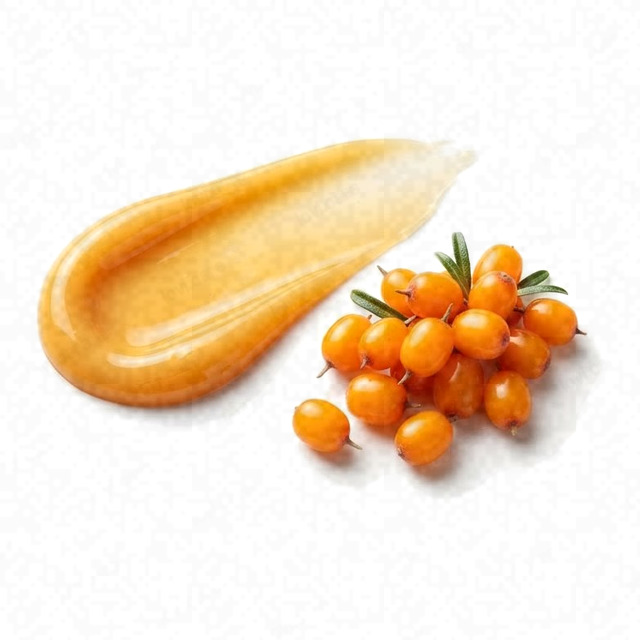 Hippophae Rhamnoides Oil
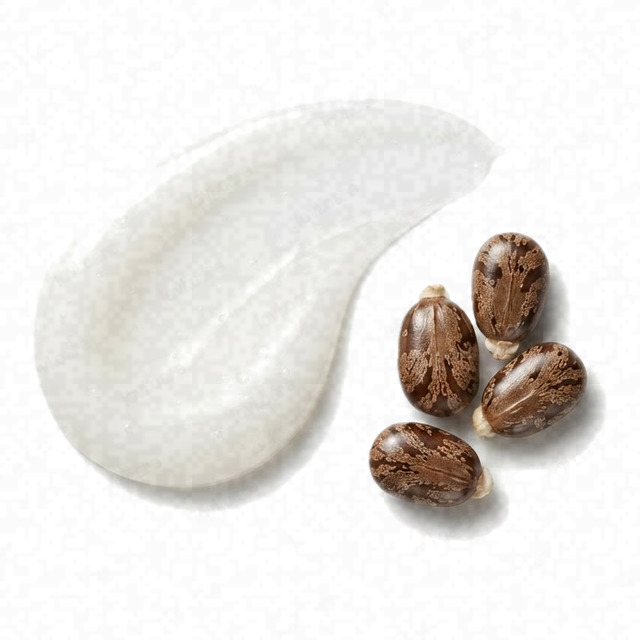 Peg-40 Hydrogenated Castor Oil
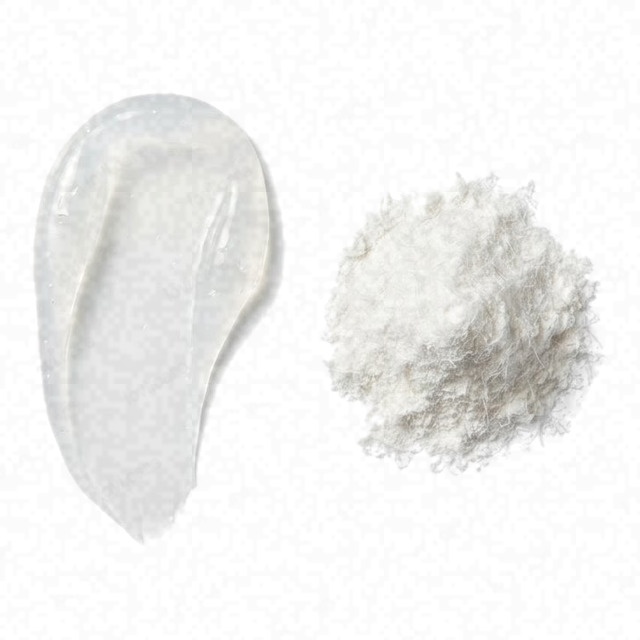 Hydroxyethylcellulose
Average
- HighOily Skin Fit
- AverageEffectiveness
- HighSafety
Works for oily acne-prone skin; other serums fit it better.
This fit is calculated for the concerns frequently associated with oily acne-prone skin: shine, breakouts, blemishes, and enlarged pores. For scores and recommendations based on your full skin profile, including your 12D face scan results and any goals or preferences you have, please use the Lovi app.
Page built Nov 8, 2026How the Fit score works
Lovi Assistant explains
- Offers moderate brightening and evening of skin tone for your oily skin, as niacinamide and sodium ascorbyl phosphate help improve skin tone and provide seboregulation and antioxidant activity.
- While the formulation is safe and suitable for oily skin, its primary benefits are supportive rather than directly targeting your main concerns of acne, blemishes, and breakouts.
- The product is safe for your oily skin due to the absence of harsh ingredients, ensuring no risks of irritation.
How to apply
- Could be used as part of your PM routine. Start 3 times a week and build up to daily use if your skin tolerates it well.
- Apply your serum after cleansing and toning, but before putting on your moisturizer.
- Gently press 2 to 3 drops of the serum into your skin and let it absorb for a minute.
- Apply the serum on clean, dry skin to help manage your blemishes safely.
- Do a patch test before your first use and avoid the delicate eye area.
People Say
★4.3Overall rating based on 900+ reviewsUsers generally find this serum effective for gradually fading post-acne marks and hyperpigmentation, often praising its ability to even out skin tone without causing irritation. While many appreciate the lightweight, gel-like texture that layers well under makeup, some users note that results can be slow to appear and others express disappointment over the formula change from hydroquinone to niacinamide.
Highlights
Lightweight texture Mostly Mentioned
- “absorbs quickly”
- “non-greasy”
- “layers well under makeup”
- “gel-like formula”
Fades dark spots Often Mentioned
- “lighten post-acne marks”
- “dark spots slowly fading”
- “complexion appears more even”
- “removes acne scars”
Gentle on skin Often Mentioned
- “no irritation”
- “well tolerated”
- “gentle enough for daily use”
- “didn't break me out”
Good ingredient profile Sometimes Noted
- “contains 4% niacinamide”
- “paraben-free”
- “sea buckthorn berry oil”
- “clinically proven technology”
Slow or no results Sometimes Noted
- “haven't seen a big difference”
- “slow results”
- “didn't work for me”
- “left me disappointed”
Unpleasant scent Sometimes Noted
- “strong chemical smell”
- “smelled weird”
- “has a slight scent”
- “would prefer unscented”
Formula change Rarely Noted
- “no longer contains hydroquinone”
- “weaker ingredients”
- “miss the old formula”
- “different active ingredient”
Price vs. Value Rarely Noted
- “bottle is small”
- “pricey for the size”
- “finished too quickly”
- “expected more for cost”
Sources: lovi.care, differin.com, iherb.com, influenster.com, target.com, walmart.com, and more
Questions and answers
How well does Differin Dark Spot Correcting Serum work for oily acne-prone skin?
Differin Dark Spot Correcting Serum offers moderate brightening and evening of skin tone for oily skin, but its benefits are supportive rather than directly targeting acne and breakouts. It is safe and unlikely to cause irritation, though treatments for oily acne-prone skin do better when they include effective ingredients that directly target breakouts and blemishes while controlling excess oil.
Which ingredients make this serum a good fit for oily acne-prone skin?
Niacinamide and sodium ascorbyl phosphate make this serum a good fit by helping to improve skin tone, control oil, and provide antioxidant support. To better address acne and blemishes, this skin type needs a treatment with ingredients like propolis, vitamin C, and soothing extracts that target breakouts and excess oil without causing irritation.
What does Niacinamide do for oily acne-prone skin?
Niacinamide helps balance oil production, calms redness, and is unlikely to irritate oily, acne-prone skin while improving blemishes. Clinical tests show it reduces excess oil and helps clear up both inflammatory and non-inflammatory acne breakouts.
Journal of Cosmetic and Laser Therapy, 2006Journal of Cosmetic Dermatology, 2024
What does Vitamin C do for oily acne-prone skin?
Vitamin C helps oily acne-prone skin by reducing breakouts, calming red spots, and controlling extra oil. Studies show that using it on the skin can help clear up acne pimples and keep oil production balanced.
International Journal of Cosmetic Science, 2009Drug Research, 2017
Where does this serum go in a skincare routine for oily acne-prone skin?
This treatment goes in the evening routine after cleansing toners and before moisturizing, for simplicity and extra safety around sun exposure. While this serum is safe for oily skin, an ideal product for this skin type needs to directly target acne, blemishes, and breakouts.
Can I use this serum with retinol, and in what order?
You can use this serum with retinol by applying the treatment after your cleanser and before your moisturizer, spacing them out if your skin feels sensitive. This serum may help brighten your skin tone and manage oil, but oily acne-prone skin ultimately needs a dedicated blemish-targeting treatment with ingredients like salicylic acid or benzoyl peroxide to clear breakouts.
American Family Physician, 2012The British Journal of Dermatology, 2002
How often should I use this serum?
Use this treatment serum in the evening. Oily acne-prone skin needs products with ingredients that directly target breakouts and blemishes, along with acne-fighting or oil-balancing actives.
Can this serum clog pores, cause breakouts or purging for oily acne-prone skin?
This serum is unlikely to clog pores or cause breakouts on oily skin, as its safe formula contains no harsh ingredients that typically trigger irritation. Because its benefits are more supportive rather than directly tackling acne and blemishes, oily acne-prone skin still needs ingredients that actively clear pores, calm active breakouts, and control excess oil.
Is this serum fragrance-free and alcohol-free?
It has no fragrance and contains drying alcohol (alcohol).
What the research says
Niacinamide significantly decreased hyperpigmentation and increased skin lightness compared with vehicle alone after 4 weeks of use in women by inhibiting melanosome transfer.
The British Journal of Dermatology, 2002Combined ascorbyl palmitate and sodium ascorbyl phosphate treatment significantly reduced facial sebum secretions in healthy female volunteers compared to a placebo control over 90 days.
Drug Research, 2017Topical treatment of nicotinamide, alone or in combination with other active ingredients, reduces the progression of skin aging and hyperpigmentation in clinical trials while being well tolerated.
Antioxidants, 2021Topical application of a 5% Hippophae rhamnoides oil-in-water emulsion significantly improved skin hydration (p=0.0003) and transepidermal water loss (p=0.0087) compared to a placebo base formulation in 13 healthy male subjects over 84 days.
Pakistan Journal of Pharmaceutical Sciences, 2014Hydroxyethyl cellulose as a structural modifier in surfactant-free cosmetic serums limited moisture loss to approximately 5% after 30 minutes and improved structural uniformity compared to HEC-free formulations.
International Journal of Biological Macromolecules, 2026Topical post-laser application of human adipocyte-derived mesenchymal stem cell media combined with niacinamide significantly improved wrinkle index, melanin index, patient satisfaction, and investigator esthetic improvement scores compared to vehicle cream in patients with aging skin.
Journal of Cosmetic Dermatology, 2021Topical nicotinamide prevented solar-simulated UV-induced immunosuppression in healthy volunteers, and men experienced immunosuppression at solar-simulated UV doses three times lower than those required for women.
The Journal of Investigative Dermatology, 2008Topical 5% niacinamide applied twice daily for 12 weeks reduced fine lines and wrinkles, hyperpigmented spots, red blotchiness, and skin sallowness, and improved skin elasticity compared to vehicle control in 50 female white subjects with facial photoaging.
Dermatologic Surgery, 2005Topical application of 5% vitamin C cream significantly improved global clinical scores, increased skin microrelief density, and induced elastic tissue repair in photoaged skin compared to excipient control in healthy female volunteers.
Experimental Dermatology, 2003Ascorbic acid 2-glucoside gel significantly reduced gingival melanin pigmentation after 4 weeks compared to placebo in 73 subjects with symmetric pigmentation.
Journal of Periodontology, 2009Topical application of VC-IP cream twice daily for 8 weeks reduces periorbital wrinkles in female subjects compared to a placebo cream.
Journal of Cosmetic Dermatology, 2022Treatment with 10 μg/mL Hippophae rhamnoides seed oil increased AQP3 mRNA and AQP3 and HAS2 protein levels in normal human epidermis keratinocytes and a reconstructed epidermis skin model compared to a negative control.
Journal of Cosmetic Dermatology, 2021Topical nanoemulsion-loaded cream and gel formulations of Hippophae rhamnoides fruit oil showed superior wound contraction of 78.96% and 72.59% respectively on the 8th day compared to 62.29% for soframycin in female Sprague-Dawley rats, with no acute dermal toxicity.
Indian Journal of Pharmacology, 2024Sea buckthorn oil and p-methoxycinnamic acid bioconjugates formulated in oleogels achieved 45% of the sun protection factor of an equivalent octinoxate reference oleogel.
Molecules, 2023Detergent containing castor wax beads caused significantly lower transepidermal water loss and erythema compared with walnut shell powder while providing comparably superior cleaning to detergent alone in 30 healthy volunteers.
The British Journal of Dermatology, 2010Resveratrol microemulsion gel significantly increased drug penetration, skin retention, and inhibition of tyrosinase activity and melanin production compared to suspension, with no side effects observed in 15 volunteers.
Drug Development and Industrial Pharmacy, 2023Topical application of a novel gel containing 18% potassium complex, 10% dimethylisosorbide, and 72% aqueous hydroxyethyl cellulose provides rapid pain relief and inhibits chronic inflammation in patients with TMJ disorders, muscles of mastication, and myofascial pain usually within 5 minutes.
The Journal of Oral Implantology, 2007Fabricated dissolving microneedles composed of sodium hyaluronate, hydroxyethyl cellulose, and gamma-polyglutamic acid exhibited structural integrity, sufficient mechanical strength for skin penetration, in vivo dissolution within 1 hour, and no erythema or edema with rapid pinhole disappearance in mice.
Drug Delivery and Translational Research, 2026Incorporating hydroxyethyl cellulose into a niacinamide-based moisturizing cream enhanced skin hydration performance, improved thermal stability, and increased morphological integrity compared with the HEC-free formulation.
International Journal of Biological Macromolecules, 2026
Why other serums fit oily acne-prone skin better
A cream combining propolis, tea tree oil, and Aloe vera reduced erythema scars, acne severity index, and total lesion count better than erythromycin cream in sixty patients with mild to moderate acne vulgaris compared to placebo.
Clinical Pharmacology, 2018Niacinamide and ferulic acid incorporated in a stable multiple emulsion successfully reduced melanin, sebum, and skin erythema while improving skin elasticity and hydration in human skin compared to a placebo.
BioMed Research International, 2022
Ingredients
Water, Alcohol, Niacinamide, Peg-40 Hydrogenated Castor Oil, Polysorbate 20, Hydroxyethylcellulose, Sodium Ascorbyl Phosphate, 1,2-Hexanediol, Caprylyl Glycol, Hippophae Rhamnoides Oil, Helianthus Annuus Seed Oil Sunflower Seed Oil, Rosmarinus Officinalis Leaf Extract Rosemary Leaf Extract, Biotin, Sodium Metabisulfite, Sodium Sulfite, Citric Acid, Disodium Edta, T-Butyl Alcohol, Disodium Phosphate, Polysorbate 60, Sodium Phosphate, Denatonium Benzoate
Behind this fit score
Lovi calculates every fit score from the full ingredient list with brand-independent rules our dermatologists and cosmetic chemists build and review, and personalizes every pick with AI trained on the real results of millions of users. Lovi trains its fit score models on a proprietary dataset built from more than 10,000 expert-labeled products and more than 100,000 simulated examples, following an internally consistent methodology presented at Cosmoprof, AMWC, and Skin of Color Update.
-

Co-founder, Medical Director
Cosmetic chemist, cosmetologist, aesthetic products developer
-

Co-founder, CEO and CTO
PhD in computer science, 3x US patent holder, ex-Google, ex-Yandex
-

Dr. Sofía Perea Pérez, MD, MSc
Medical Board
Aesthetic medicine practitioner, MSc in Longevity and Anti-Aging Medicine
-

Medical Board
Specialist dermatologist, MBBS, MD, IFAAD
-

Medical Board
Cosmetic chemist, SCS, IFSCC member
-

Medical Board, Medical Advisor
Dermatology MD
-

Elina Nazarenko, MD
Medical Board
Dermatology and diagnostic consultant
-

Victoria Derkova, MS
Medical Board
Cosmetic chemist, cosmetic development technologist


How does it fit your skin?
Scan your face, then any product: Lovi shows how well it fits you and what fits even better.