Dermalogica Blackhead Clearing Fizz Mask for acne-prone skin

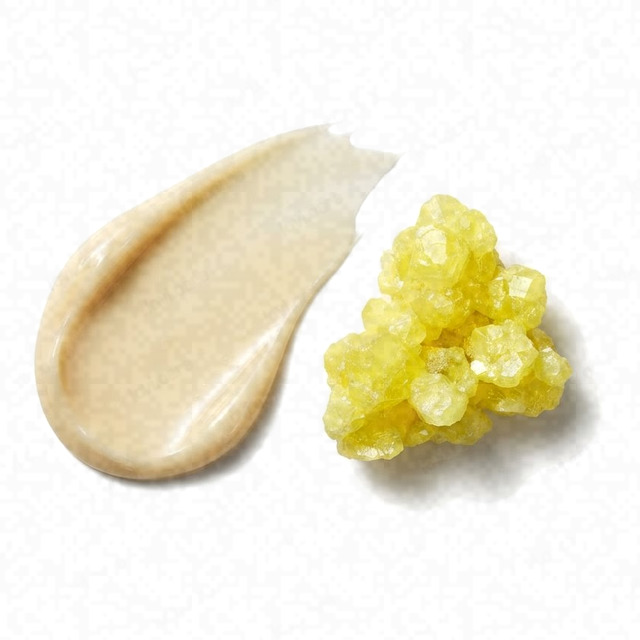 Sulfur
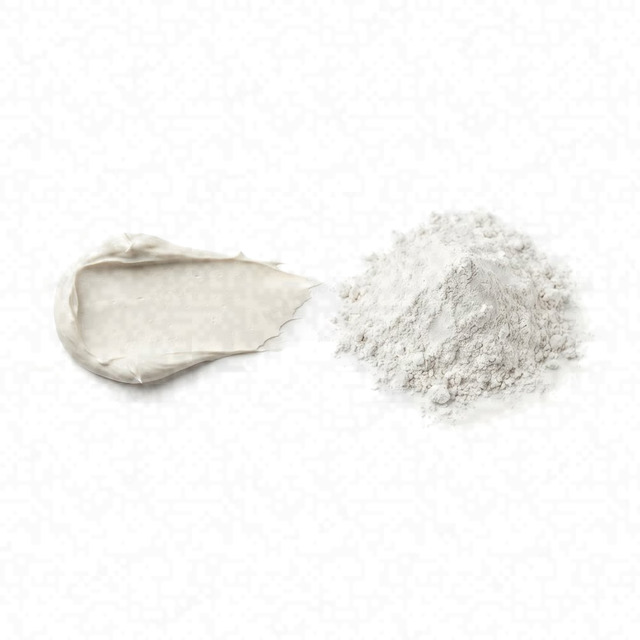 Kaolin
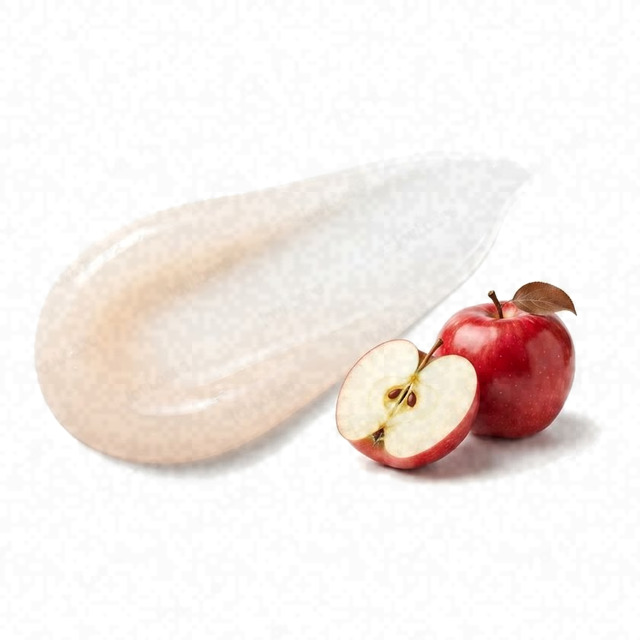 Pyrus Malus Fruit Extract
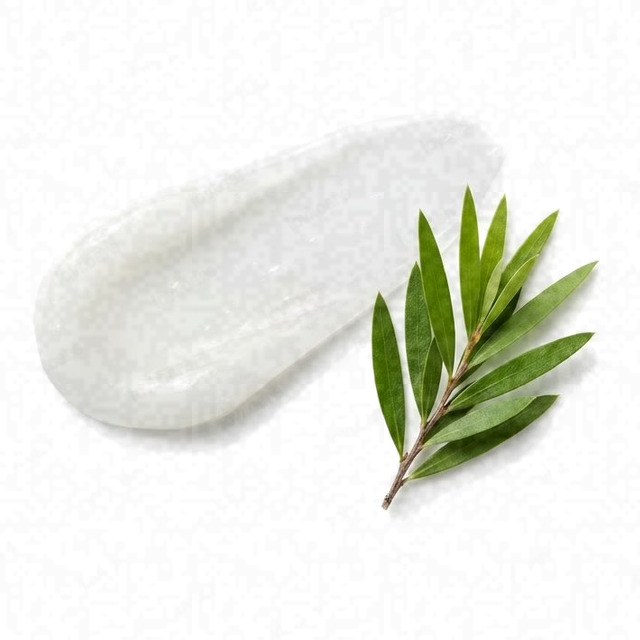 Melaleuca Alternifolia Tree Oil Leaf
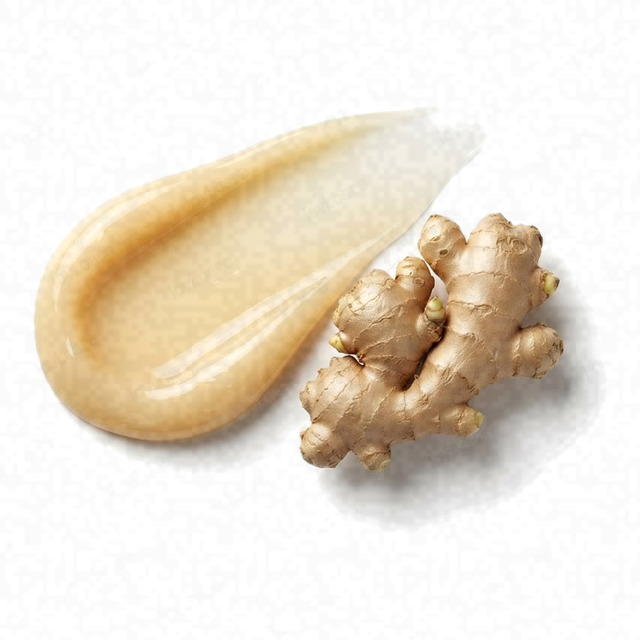 Zingiber Officinale Oil Root
Average
- HighCombination Skin Fit
- AverageEffectiveness
- HighSafety
Works for acne-prone skin; other cleansing masks fit it better.
This fit is calculated for the concerns frequently associated with acne-prone skin: breakouts, blackheads, and post-acne marks. For scores and recommendations based on your full skin profile, including your 12D face scan results and any goals or preferences you have, please use the Lovi app.
Page built Nov 8, 2026How the Fit score works
Lovi Assistant explains
- Offers moderate suitability for your combination skin as sulfur and kaolin effectively decongest pores and manage excess oil, though it lacks specialized ingredients like salicylic acid to directly target your acne, blemishes, and breakouts.
- The formula provides general cleansing benefits and is well-suited for combination skin due to its absorbent and keratolytic properties.
- The product is safe for your acne-prone skin, containing no harsh ingredients and including soothing elements like Rosmarinus Officinalis Oil Leaf Rosemary Oil Leaf.
How to apply
- Use this cleansing mask during your PM weekly routine. Start 1x/week and increase if your skin tolerates it well.
- Apply this cleansing mask after using your pre-cleanser and cleanser , and before your hydrating toner.
- Spread an even layer of the cleansing mask over your face , avoiding any rubbing to protect your skin.
- Apply the cleansing mask to clean and dry skin to help clear up your blemishes effectively.
- Avoid the eye area and do a patch test before your first use.
People Say
★4.3Overall rating based on 1.4k+ reviewsBased on a very large amount of data, this mask is highly praised by users with oily, congested, and acne-prone skin for its fun, fizzing sensation and effectiveness in clearing pores and softening blackheads. While most users find it a quick and satisfying addition to their routine, some note that it can be drying and may have a medicinal or unpleasant scent.
Highlights
Clears congested pores Often Mentioned
- “Brings out all the gunk”
- “cleans out my pores”
- “visible difference after one wash”
Fun fizzing sensation Often Mentioned
- “Fizzing formula is cool”
- “feels like foam on face”
- “bubbles are popping”
Quick, easy use Sometimes Noted
- “Takes 5 mins”
- “quick and easy”
- “fast to business”
Reduces excess oil Sometimes Noted
- “Controls oil production”
- “absorbs excess oils”
- “leaves skin feeling clean”
Can be drying Sometimes Noted
- “A bit drying”
- “follow up with moisturizer”
- “dried out my skin”
Irritating sensation Rarely Noted
- “Prickle sensation”
- “feels irritating”
- “don't like the sensation”
Limited effectiveness Rarely Noted
- “Didn't clear most blackheads”
- “useless”
- “just okay”
Unpleasant scent Rarely Noted
- “Smells like burnt tire”
- “medicinal scent”
- “less favorable smell”
Sources: lovi.care, sephora.com, ulta.com, lovelyskin.com, alexandmike.life, raiyneonbeauty.com, and more
Questions and answers
How well does Dermalogica Blackhead Clearing Fizz Mask work for acne-prone skin?
This mask works moderately well for acne-prone skin because sulfur and kaolin help clear pores and manage excess oil. However, an acne-prone skin type often needs products with ingredients like salicylic acid and zinc oxide to effectively target breakouts while balancing oil and dryness.
Which ingredients make this mask a good fit for acne-prone skin?
Sulfur and kaolin help decongest pores and manage excess oil on acne-prone skin, while tea tree oil and soothing botanical extracts further support a calm, clear complexion. A product of this type needs specialized ingredients like salicylic acid, zinc oxide, and niacinamide for this skin to directly target breakouts and control oil effectively.
Indian Journal of Dermatology, Venereology and Leprology, 2007Journal of Drugs in Dermatology, 2004
What does Sulfur do for acne-prone skin?
Sulfur helps clear up acne-prone skin by reducing blemishes and calming irritation, with uncommon side effects mostly limited to mild skin dryness. It is a well-established choice for breakouts because it treats spots effectively while keeping your skin calm and smooth.
Journal of Drugs in Dermatology, 2004Journal of the American Academy of Dermatology, 1988
What does Kaolin Clay do for acne-prone skin?
Kaolin clay helps absorb excess oil and calms redness in acne-prone skin with a strong safety profile. Using a clay mask twice a week may improve acne and skin evenness while keeping dryness under control.
Skin Research and Technology, 2023Archives of Dermatological Research, 2024
Where does this mask go in a skincare routine for acne-prone skin?
This cleansing mask fits into an acne-prone routine as a weekly step after your cleanser and enzyme powder, and before your hydrating toner and moisturizer. Because this product offers an average fit, acne-prone skin needs ingredients like salicylic acid to directly target breakouts and blemishes.
Can I use this mask with salicylic acid, and in what order?
You can use this mask in your weekly routine, but because it lacks ingredients like salicylic acid to directly target breakouts, acne-prone skin needs products containing salicylic acid for better results.
How often should I use this mask?
This cleansing mask works best when used once a week as part of your routine. This gives your skin the right amount of deep cleaning and oil control without causing irritation.
Can this mask clog pores, cause breakouts or purging for acne-prone skin?
This mask is unlikely to clog pores or cause breakouts for acne-prone skin, as sulfur and clay help clear out pores and manage extra oil. However, because it lacks targeted blemish-fighting ingredients like salicylic acid, acne-prone skin often needs a product with those ingredients to properly keep breakouts away.
Is this mask fragrance-free and alcohol-free?
Yes, it has no fragrance and no drying alcohol.
What the research says
Topical 5% tea tree oil gel significantly improved total acne lesions and acne severity index compared to placebo in 60 patients with mild to moderate acne vulgaris, showing 3.55 times and 5.75 times greater efficacy respectively.
Indian Journal of Dermatology, Venereology and Leprology, 2007Topical sulfur alone or in combination demonstrates efficacy and rare mild adverse events in treating various dermatological disorders.
Journal of Drugs in Dermatology, 2004Lactobacillus-fermented Chamaecyparis obtusa reduced inflammatory acne lesions by 65.3% compared to 38.2% with tea tree oil in 34 patients over 8 weeks, demonstrating superior efficacy, faster onset, and safety.
Dermatology, 2014Azelaic acid was probably less effective than benzoyl peroxide in acne treatment response, while showing little or no difference compared to tretinoin, and adverse events were mild and transient across evaluated topical treatments.
Journal of Evidence-based Medicine, 2020Topical application of precipitated sulphur 2-8% petrolatum achieved a 95% clinical and ectoparasitological cure rate in 40 ambulatory scabies patients without relevant adverse effects.
Revista de Investigacion Clinica; Organo Del Hospital de Enfermedades de la Nutricion, 2004Topical 10% benzoyl peroxide and 2%-5% sulfur cream achieved "good" to "excellent" results with no undesirable side effects in 113 consecutive patients with acne.
Canadian Medical Association Journal, 1966Vectorization of high molecular weight hyaluronic acid with clay enabled its penetration into deeper skin layers and led to a significant clinical reduction in fine lines in the crow's feet area compared to placebo after 28 days.
Skin Research and Technology, 2024Twice-weekly use of a clay mask over 4 weeks in 75 adults with oily or combination skin improved acne-related outcomes, sebum content, skin evenness, hydration, and reduced dryness and irritation.
Skin Research and Technology, 2023Clay jojoba oil facial masks reduced total skin lesions by a mean of 54% after 6 weeks in 133 participants with acne-prone, lesioned skin and mild acne compared to baseline.
Forschende Komplementarmedizin, 2012Topical formulations containing 1.25% Malus sp. extract or 0.75% rutin protected against UVB-induced sunburn cells, caspase-3 activation, cyclobutane pyrimidine dimers, lipid peroxidation, and metalloproteinase formation in ex vivo skin explants and 3D tissue-engineered skin.
Rejuvenation Research, 2020A cream combining propolis, tea tree oil, and Aloe vera reduced erythema scars, acne severity index, and total lesion count better than erythromycin cream in sixty patients with mild to moderate acne vulgaris compared to placebo.
Clinical Pharmacology, 2018Tea tree oil nanoemulsion containing adapalene gel demonstrated significantly greater reductions in total, inflammatory, and non-inflammatory acne lesions as well as acne severity index compared to adapalene marketed gel in 100 patients with acne vulgaris over 12 weeks.
Archives of Dermatological Research, 2022Topical tea tree oil treatment confirmed efficacy on Demodex mite blepharitis across fourteen papers evaluating chronic blepharitis compared to no treatment or alternative management.
BioMed Research International, 2022
Why other cleansing masks fit acne-prone skin better
A 30% supramolecular salicylic acid peel improved the global acne grading score and skin barrier indicators, decreased cutaneous microbiome richness and evenness along with Staphylococcus proportion, reduced inflammatory cytokines, and increased caveolin-1 expression in 28 patients with moderate-to-severe acne vulgaris.
Dermatology and Therapy, 2023A moisturizer containing licochalcone A, 1,2-decanediol, L-carnitine, and salicylic acid significantly reduced noninflammatory, inflammatory, and total acne lesion counts compared to a vehicle control in Thai patients during a 12-week maintenance phase.
BioMed Research International, 2020Treatment with 45% mandelic acid peel showed nearly equal overall efficacy as 30% salicylic acid peel in patients with mild-to-moderate facial acne vulgaris, but with fewer adverse effects.
Journal of Cosmetic Dermatology, 2020
Ingredients
Water, Disiloxane, Sulfur, Cocamidopropyl Betaine, Kaolin, Glycerin, Pyrus Malus Fruit Extract, Disodium Cocoyl Glutamate, Acacia Senegal Gum, Polyacrylate-33, Hectorite, Butylene Glycol, Zingiber Officinale Oil Root, Quartz, Lecithin, Caprylic Capric Triglyceride, Tocopherol, Rosmarinus Officinalis Oil Leaf Rosemary Oil Leaf, Curcuma Longa Root Extract, Eucalyptus Globulus Oil Leaf, Citrus Reticulata Oil Leaf Tangerine Oil Leaf, Thymus Vulgaris Oil Flower Leaf, Salvia Sclarea Oil Salvia Officinalis Oil, Spearmint Oil Leaf, Peppermint Oil, Lavandula Angustifolia Oil Lavender Oil, Abies Sibirica Oil, Rosewood Oil Wood, Citronella Oil, Melaleuca Alternifolia Tree Oil Leaf, Sodium Cocoyl Threoninate, Xanthan Gum, Microcrystalline Cellulose, Sodium Cocoyl Glutamate, Sodium Citrate, Pentylene Glycol, Sodium Hydroxide, Ethylhexylglycerin, Caprylyl Glycol, Tetrasodium Glutamate Diacetate, Phenoxyethanol
Behind this fit score
Lovi calculates every fit score from the full ingredient list with brand-independent rules our dermatologists and cosmetic chemists build and review, and personalizes every pick with AI trained on the real results of millions of users. Lovi trains its fit score models on a proprietary dataset built from more than 10,000 expert-labeled products and more than 100,000 simulated examples, following an internally consistent methodology presented at Cosmoprof, AMWC, and Skin of Color Update.
-

Co-founder, Medical Director
Cosmetic chemist, cosmetologist, aesthetic products developer
-

Co-founder, CEO and CTO
PhD in computer science, 3x US patent holder, ex-Google, ex-Yandex
-

Dr. Sofía Perea Pérez, MD, MSc
Medical Board
Aesthetic medicine practitioner, MSc in Longevity and Anti-Aging Medicine
-

Medical Board
Specialist dermatologist, MBBS, MD, IFAAD
-

Medical Board
Cosmetic chemist, SCS, IFSCC member
-

Medical Board, Medical Advisor
Dermatology MD
-

Elina Nazarenko, MD
Medical Board
Dermatology and diagnostic consultant
-

Victoria Derkova, MS
Medical Board
Cosmetic chemist, cosmetic development technologist


How does it fit your skin?
Scan your face, then any product: Lovi shows how well it fits you and what fits even better.