Darphin Intral Environmental Lightweight Shield SPF 50 for oily acne-prone skin

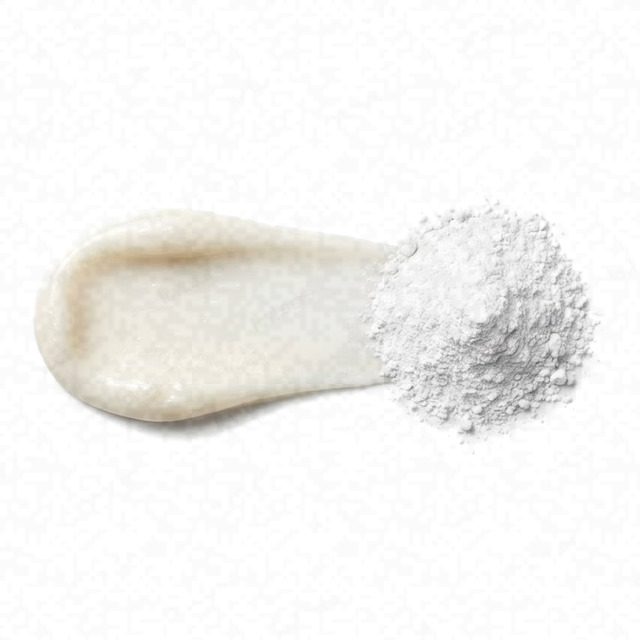 Titanium Dioxide
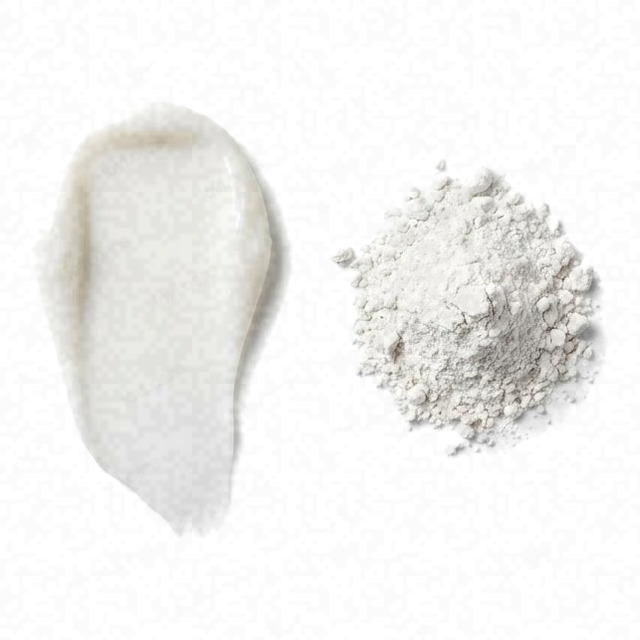 Zinc Oxide
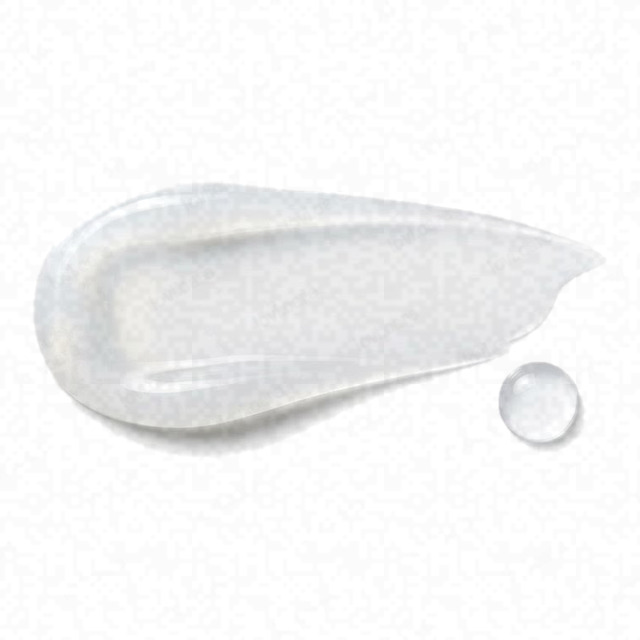 Dimethicone
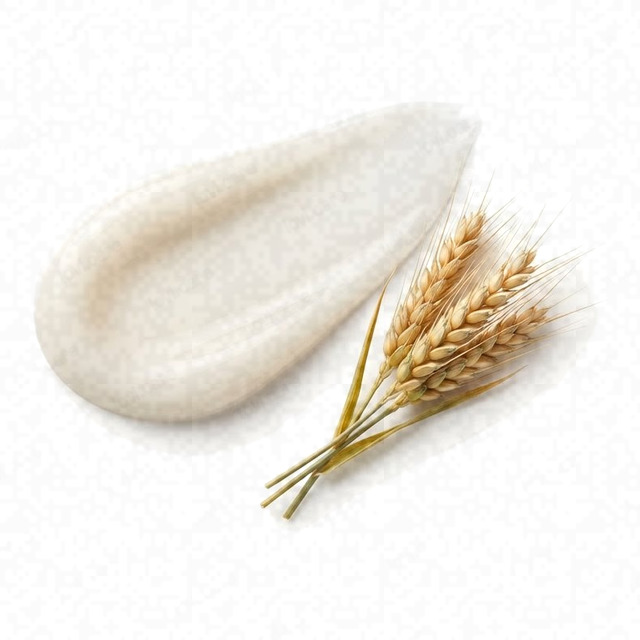 Hydrolyzed Wheat Protein
 Butyloctyl Salicylate
Average
- AverageOily Skin Fit
- AverageEffectiveness
- ExcellentSafety
Works for oily acne-prone skin; other sunscreens fit it better.
This fit is calculated for the concerns frequently associated with oily acne-prone skin: shine, breakouts, blemishes, and enlarged pores. For scores and recommendations based on your full skin profile, including your 12D face scan results and any goals or preferences you have, please use the Lovi app.
Page built Nov 8, 2026How the Fit score works
Lovi Assistant explains
- Offers moderate suitability for your oily skin due to the emollient action of dimethicone, but it lacks sufficient ingredients for optimal oil control to address your acne, blemishes, and breakouts.
- The inclusion of titanium dioxide and zinc oxide provides excellent UV protection, which is a supportive benefit for your general skincare needs.
- The safety profile is good, with no risks of irritation for your oily skin due to the absence of harsh ingredients and the presence of soothing components like Hydrolyzed Wheat Protein.
How to apply
- Apply this sunscreen AM as the final step of your morning skincare routine. Reapply every two hours when exposed to the sun for continuous protection.
- Apply after your moisturizer as the last step before makeup. Do not apply anything on top of your sunscreen.
- Gently spread a coin-sized amount evenly across your face and neck. Avoid harsh rubbing to prevent disturbing the protective layer.
- Apply on completely dry skin after your moisturizer has fully absorbed. This ensures the sunscreen forms an even, protective barrier.
- Avoid direct contact with your eyes during application. Do a patch test before first use to ensure no irritation occurs.
People Say
★4.9Overall rating based on 100+ reviewsWhile it offers a luminous, "your skin but better" glow that dry and normal skin types adore, those with oily skin may find the finish too shiny, and the price point is frequently noted as a luxury investment.
Highlights
Luminous finish Often Mentioned
- “beautiful glow”
- “dewy look”
- “radiant finish”
Ultra-lightweight texture Often Mentioned
- “weightless”
- “disappears on skin”
- “the lightest SPF ever used”
High price point Often Mentioned
- “expensive for the size”
- “pricey”
- “luxury splurge”
Excellent makeup base Sometimes Noted
- “acts like a primer”
- “sits perfectly under foundation”
- “doesn't pill”
Soothing for sensitive Sometimes Noted
- “doesn't irritate eyes”
- “calms redness”
Tint limitations Rarely Noted
- “nude tint might not suit deep skin tones”
- “slight cast on darker complexions”
Too shiny for oily Rarely Noted
- “makes me shine like a pancake”
- “felt too greasy by midday”
Sources: lovi.care, darphin.com, lookfantastic.com, bluemercury.com, makeup4all.com, youtube.com, and more
Questions and answers
How well does Darphin Intral Environmental Lightweight Shield SPF 50 work for oily acne-prone skin?
This product works decently for your oily acne-prone skin, offering good sun protection without irritating your skin, though it lacks enough oil-controlling ingredients for your breakouts. An optimal sunscreen for this skin needs lightweight protection, oil control to help with blemishes, and ingredients like Niacinamide to manage oil production.
Which ingredients make this cream a good fit for oily acne-prone skin?
Titanium dioxide and zinc oxide make this cream a good fit by providing effective sun protection, while dimethicone offers a smooth feel without harsh irritants. However, to truly work for oily acne-prone skin, this type of product needs oil-controlling ingredients like niacinamide and lightweight, non-greasy components that help manage breakouts.
What does Titanium Dioxide do for oily acne-prone skin?
Titanium dioxide acts as a physical mineral sunscreen to shield oily, acne-prone skin from UV rays without clogging pores or triggering breakouts. It sits safely on the outer surface of the skin and is unlikely to penetrate or cause irritation.
International Journal of Cosmetic Science, 2000Skin Pharmacology and Applied Skin Physiology, 2001
What does Zinc Oxide do for oily acne-prone skin?
Zinc oxide helps calm oily, acne-prone skin by reducing redness and targeting blemish-causing bacteria. It is unlikely to cause irritation and may help decrease excess oil while supporting clearer skin.
Where does it go in a skincare routine for oily acne-prone skin?
This sunscreen goes as the last step of your morning skincare routine, right after your moisturizer. While it provides good UV protection, oily and acne-prone skin needs a product with oil-absorbing ingredients to help control shine and manage breakouts.
Can I use this cream with retinol, and in what order?
You can use this sunscreen in the morning as the final step before makeup, well after applying your evening retinol. Oily acne-prone skin needs a product of this type to include ingredients for optimal oil control to help address breakouts.
How often should I use it?
This sunscreen works as a morning step in your daily routine, though oily skin needs a product with added oil control and blemish-fighting ingredients.
Can it clog pores, cause breakouts or purging for oily acne-prone skin?
It is unlikely to cause irritation on oily skin, but it lacks sufficient ingredients for optimal oil control to address your acne, blemishes, and breakouts. An ideal product for this skin needs balancing ingredients that help control excess oil and keep pores clear.
Is this cream fragrance-free and alcohol-free?
Yes, it has no fragrance and no drying alcohol.
What the research says
Microfine titanium dioxide does not penetrate human skin when formulated in an oil-in-water emulsion with the pigment dispersed in the aqueous phase, compared to oily dispersions and liposomal encapsulation which allow deeper skin penetration.
International Journal of Cosmetic Science, 2000Replacing microsized titanium dioxide and zinc oxide with nanoparticles in sunscreens eliminates opaqueness and alters UV protection balance while inducing (photo)cyto- and genotoxicity and penetrating viable skin layers during long-term exposures.
Nanotechnology, Science and Applications, 2011Microfine zinc oxide and titanium dioxide do not penetrate the stratum corneum of porcine skin in vitro, indicating that their use in sunscreens does not pose a health risk from internal exposure.
Toxicology in Vitro, 2006Topical 0.5% hyaluronic-ZnO nanogel applied twice daily reduced inflammatory-lesion counts by 58% at week four in human subjects compared to baseline without causing erythema.
Biomedicines, 2025Nels cream achieved a similar reduction in inflammatory and noninflammatory lesion counts compared to 5% benzoyl peroxide in acne vulgaris patients, but caused significantly fewer side-effects such as peeling and dryness.
Clinical and Experimental Dermatology, 2000Topically applied coated and uncoated zinc oxide nanoparticles under flexing and massage are retained in the stratum corneum with no significant penetration into the viable epidermis and no cellular toxicity in human skin.
Nanomedicine, 2016Wearing an N95 mask alone compared to using dimethicone cream or hydrocolloid dressing caused more adverse skin reactions among 73 military health care workers, with no significant differences in fit test failure rates between groups.
Military Medicine, 2024A dimethicone skin protectant lotion significantly decreased visual scoring and transepidermal water loss compared to vehicle control and SLS-only treated sites in 12 healthy humans exposed to sodium lauryl sulfate.
Skin Research and Technology, 2000Treatment with a moisturizer containing dimethicone and glycerine increased epidermal thickness by 0.019 mm, improved barrier function by decreasing transepidermal water loss by 13%, decreased melanin intensity, and induced keratins 6 and 16 in fifteen women with moderately photoaged forearms.
Clinical and Experimental Dermatology, 2007Application of a cosmetic multiple emulsion containing vitamin C and wheat protein as well as a base formulation increased skin moisture in 11 human volunteers over four weeks, while producing no significant variations in skin sebum, pH, elasticity, melanin, or erythema.
Pakistan Journal of Pharmaceutical Sciences, 2008The addition of polymers and hydrolysed proteins to model body wash cosmetics improves foaming properties, storage stability, and safety by reducing skin irritant potential, with the polyvinylpyrrolidone/hydrolysed wheat protein crosspolymer showing the strongest reduction effect.
Colloids and Surfaces. B, Biointerfaces, 2015
Why other sunscreens fit oily acne-prone skin better
A cream combining propolis, tea tree oil, and Aloe vera reduced erythema scars, acne severity index, and total lesion count better than erythromycin cream in sixty patients with mild to moderate acne vulgaris compared to placebo.
Clinical Pharmacology, 2018
Ingredients
Water, Dimethicone, Titanium Dioxide, Butyloctyl Salicylate, Polydiethylsiloxane, C12-15 Alkyl Benzoate, Isononyl Isononanoate, Diethylhexyl Succinate, Neopentyl Glycol Diheptanoate, Methyl Trimethicone, Butylene Glycol, Ethylhexyl Methoxycrylene, Lauryl Peg-9 Polydimethylsiloxyethyl Dimethicone, Silica, Laureth-4, Cetyl Peg Ppg-10 1 Dimethicone, Dipentaerythrityl Tri-Polyhydroxystearate, Dimethicone Silylate, Hydrolyzed Wheat Protein, Isostearic Acid, Caprylyl Glycol, Dimethicone Crosspolymer-3, Polyhydroxystearic Acid, Triethoxycaprylylsilane, Dimethicone Peg-10 15 Crosspolymer, Dipropylene Glycol, Phenoxyethanol, Iron Oxides Ci 77491, Iron Oxides Ci 77492, Zinc Oxide
Behind this fit score
Lovi calculates every fit score from the full ingredient list with brand-independent rules our dermatologists and cosmetic chemists build and review, and personalizes every pick with AI trained on the real results of millions of users. Lovi trains its fit score models on a proprietary dataset built from more than 10,000 expert-labeled products and more than 100,000 simulated examples, following an internally consistent methodology presented at Cosmoprof, AMWC, and Skin of Color Update.
-

Co-founder, Medical Director
Cosmetic chemist, cosmetologist, aesthetic products developer
-

Co-founder, CEO and CTO
PhD in computer science, 3x US patent holder, ex-Google, ex-Yandex
-

Dr. Sofía Perea Pérez, MD, MSc
Medical Board
Aesthetic medicine practitioner, MSc in Longevity and Anti-Aging Medicine
-

Medical Board
Specialist dermatologist, MBBS, MD, IFAAD
-

Medical Board
Cosmetic chemist, SCS, IFSCC member
-

Medical Board, Medical Advisor
Dermatology MD
-

Elina Nazarenko, MD
Medical Board
Dermatology and diagnostic consultant
-

Victoria Derkova, MS
Medical Board
Cosmetic chemist, cosmetic development technologist


How does it fit your skin?
Scan your face, then any product: Lovi shows how well it fits you and what fits even better.