Curology Liquid Pore Exfoliant for oily acne-prone skin

 Bha Salicylic Acid
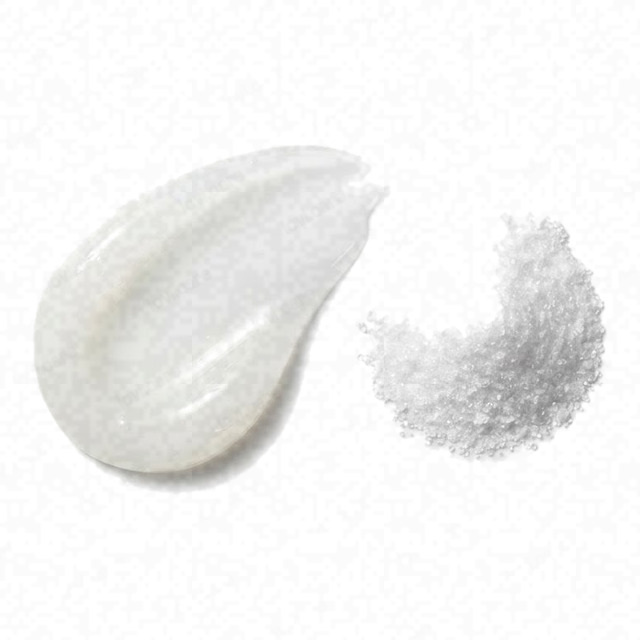 Zinc Pca
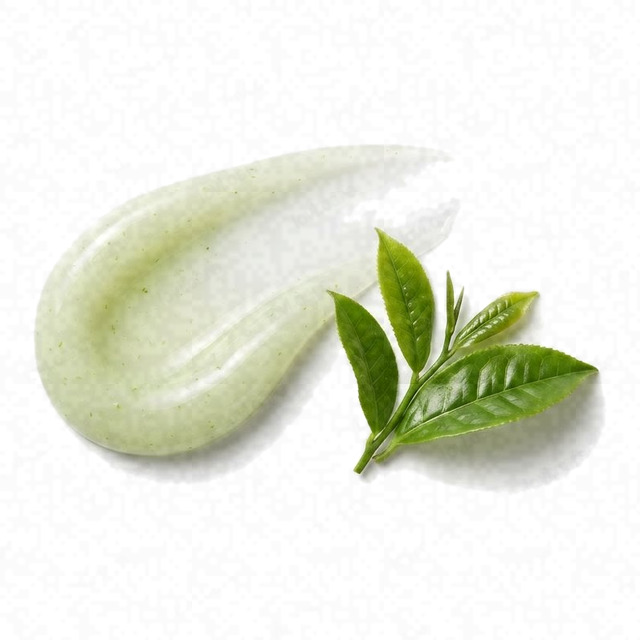 Camellia Sinensis Leaf Extract
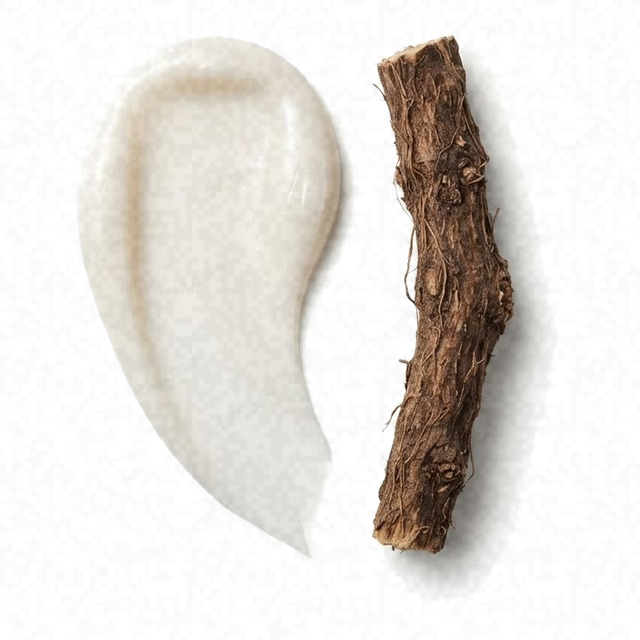 Allantoin
High
- HighOily Skin Fit
- HighEffectiveness
- HighSafety
A great choice for oily acne-prone skin; a few products fit it even better.
This fit is calculated for the concerns frequently associated with oily acne-prone skin: shine, breakouts, blemishes, and enlarged pores. For scores and recommendations based on your full skin profile, including your 12D face scan results and any goals or preferences you have, please use the Lovi app.
Page built Nov 8, 2026How the Fit score works
Lovi Assistant explains
- Highly suitable for your oily skin, this exfoliant utilizes salicylic acid and gluconolactone to effectively unclog pores and regulate sebum production, addressing your concerns with acne, blemishes, and breakouts.
- Allantoin and Camellia Sinensis Leaf Extract provide soothing benefits, ensuring a comfortable experience without irritation, which is ideal for your non-sensitive skin.
- The formulation is safe for your skin, free from harsh ingredients and containing beneficial components that support skin health.
How to apply
- Use this exfoliant as part of your PM routine once a week to start, increasing frequency only if your skin tolerates it well.
- Apply the exfoliant after cleansing and toning, but before your final moisturizer step.
- Gently press 2-3 drops of the exfoliant into your skin and let it absorb for a minute.
- Apply the product directly onto clean, dry skin for the best results against breakouts.
- Avoid the sensitive eye area and always use a daily SPF since exfoliating makes skin more sensitive to the sun.
People Say
★4.7Overall rating based on 5.0k+ reviewsBased on a very large amount of data, this exfoliant is highly effective for users looking to refine skin texture, minimize the appearance of pores, and clear blackheads. While it is praised for its gentle, science-backed formula, some users experience initial dryness, stinging, or temporary purging as their skin adjusts to the active ingredients.
Highlights
Clears pores Often Mentioned
- “Noticeable pore improvement”
- “helped clear my blackheads”
- “unclog and minimize pores”
Improves texture Often Mentioned
- “Improved some of the texture”
- “skin feels soft”
- “skin texture has much improved”
Easy dispenser Sometimes Noted
- “Easy to use dispenser bottle”
- “simple press down and plunge”
- “USP is the easy to use dispenser”
Gentle formula Sometimes Noted
- “Tolerated well”
- “gentler than AHAs”
- “fragrance-free”
Causes dryness Sometimes Noted
- “Skin looked dry”
- “peeling really bad”
- “skin around my mouth is peeling”
Initial stinging Sometimes Noted
- “Intense sting”
- “stinging has subsided”
- “stinging sensation”
Temporary purging Sometimes Noted
- “More breakouts than I started with”
- “temporary acne flare”
- “breakouts may initially become more frequent”
Travel inconvenience Rarely Noted
- “Tricky to travel with”
- “can't decant the liquid”
- “120ml bottle”
Sources: lovi.care, skinsort.com, medicalnewstoday.com, innerbody.com, reddit.com, whatsinmyjar.com, and more
Questions and answers
What makes Curology Liquid Pore Exfoliant a great fit for oily acne-prone skin?
Curology Liquid Pore Exfoliant is a great fit because salicylic acid and gluconolactone help clear clogged pores and balance oil to tackle breakouts. Soothing ingredients like allantoin and green tea extract keep the skin comfortable and calm without causing irritation.
The Australasian Journal of Dermatology, 1992Journal of Cosmetic Dermatology, 2024
Which ingredients make this exfoliant a good fit for oily acne-prone skin?
This exfoliant is a great fit for your oily acne-prone skin because it uses salicylic acid and gluconolactone to clear out pores and keep oil under control, helping to calm breakouts. It also includes allantoin and green tea leaf extract to soothe your skin and keep it comfortable.
Journal of Cosmetic Dermatology, 2024The Australasian Journal of Dermatology, 1992
What does Bha do for oily acne-prone skin?
BHA helps clear up breakouts and keeps oily skin balanced by reducing excess oil and calming redness. It works deep inside pores to clear away dirt and oil while keeping skin smooth and comfortable.
BioMed Research International, 2020Journal of Cosmetic Dermatology, 2024
What does Zinc PCA do for oily acne-prone skin?
Zinc PCA helps calm oily, acne-prone skin by reducing excess oil and targeting the bacteria that cause breakouts. This ingredient has a great safety profile and is unlikely to irritate your skin while helping to keep pores clear.
The Journal of Clinical and Aesthetic Dermatology, 2020Journal of Drugs in Dermatology, 2013
Where does this exfoliant go in a skincare routine for oily acne-prone skin?
This exfoliant goes in your evening routine as a treatment step. Lovi routines start exfoliating products like this once a week, and you may carefully use them more often if your skin tolerates them well.
Can I use this exfoliant with retinol, and in what order?
You can use this exfoliant with retinol by using them on alternate nights to help prevent dryness and irritation. Applying them together may overwhelm your skin, so spacing them out keeps your face comfortable and smooth.
How often should I use this exfoliant?
Start by using this exfoliant once a week in your evening routine, and if your skin tolerates it well and sees good results, you can carefully use it more often. Salicylic acid helps unclog pores and reduce acne breakouts.
Can this exfoliant clog pores, cause breakouts or purging for oily acne-prone skin?
Yes, this exfoliant may cause temporary purging as it actively clears pores and removes buildup in oily acne-prone skin. Ingredients like salicylic acid and gluconolactone help manage breakouts, while allantoin and green tea extract keep the skin calm and comfortable.
The Australasian Journal of Dermatology, 1992Journal of Cosmetic Dermatology, 2024
Is this exfoliant fragrance-free and alcohol-free?
Yes, it has no fragrance and no drying alcohol.
What the research says
Gluconolactone 14% solution significantly improved mild to moderate acne by reducing inflamed and non-inflamed lesions similarly to 5% benzoyl peroxide, but with fewer side-effects in 150 patients.
The Australasian Journal of Dermatology, 1992Twice daily application of a multitargeted dermocosmetic cream provided comparable efficacy to benzoyl peroxide 5% gel in reducing inflammatory, non-inflammatory, and total lesions in 150 Caucasian subjects with mild-to-moderate acne over 56 days, while demonstrating superior skin tolerability.
Journal of Cosmetic Dermatology, 2024The use of a salicylic acid-based dermocosmetic significantly reduces the needed quantity of benzoyl peroxide without impacting efficacy in mild to moderate acne, and as maintenance post-benzoyl peroxide allows a significant reduction of acne relapse compared to vehicle.
Journal of Drugs in Dermatology, 2023A topical gel containing chitosan, chlorhexidine, allantoin, and dexpanthenol significantly reduced postoperative pain, trismus, swelling, and analgesic consumption, while improving wound healing after third molar surgery compared to a placebo.
Medicina Oral, Patologia Oral Y Cirugia Bucal, 2020A moisturizer containing licochalcone A, 1,2-decanediol, L-carnitine, and salicylic acid significantly reduced noninflammatory, inflammatory, and total acne lesion counts compared to a vehicle control in Thai patients during a 12-week maintenance phase.
BioMed Research International, 2020Cryotherapy with liquid nitrogen achieved a higher cure rate (39%) than salicylic acid (24%) and a wait-and-see approach (16%) for cutaneous warts at 13 weeks in primary care patients.
CMAJ, 2010Treatment with 2% supramolecular salicylic acid hydrogel resulted in a regression and markedly improvement rate of 51.01% compared to 43.10% for Adapaline gel in patients with mild to moderate facial acne vulgaris, showing no significant difference in efficacy.
Journal of Cosmetic Dermatology, 2024Topical 5% benzoyl peroxide plus salicylic acid achieved the greatest lesion reduction at early 2 to 4 week time points compared to benzoyl peroxide, clindamycin, and combination benzoyl peroxide/clindamycin, while 5% benzoyl peroxide plus salicylic acid and combination benzoyl peroxide/clindamycin showed similar efficacy at 10 to 12 weeks in acne patients.
Journal of the American Academy of Dermatology, 2010Zinc PCA inhibits UVA-induced matrix metalloproteinase-1 production through suppressed AP-1 activation and enhances type I collagen synthesis by increasing SVCT2 mRNA expression in cultured normal human dermal fibroblasts.
International Journal of Cosmetic Science, 2012Topical green tea extract significantly improved clinical symptoms, tear breakup times, and meibomian gland health compared to standard treatment in patients with dry eye and Meibomian Gland Dysfunction.
Journal of Clinical and Diagnostic Research, 2017Topical low-dose green tea extract reduces UVB-induced p53 expression and apoptosis in human skin keratinocytes compared to placebo.
Experimental Dermatology, 2009An anti-acne hydrogel containing Aloe barbadensis, Garcinia mangostana, and Camellia sinensis extracts showed superior antiacne and antiblotch activities compared to 1% clindamycin gel in sixty subjects with mild-moderate acne.
Clinical, Cosmetic and Investigational Dermatology, 2019Topical gel containing chitosan, 0.2% chlorhexidine, allantoin and dexpanthenol did not improve postoperative comfort regarding swelling and pain, but improved the wound's aesthetic appearance following impacted lower third molar extraction compared to no gel.
Medicina Oral, Patologia Oral Y Cirugia Bucal, 2016An overnight patch containing Allium cepa extract and allantoin safely promotes scar healing after dermatologic surgery, resulting in significantly greater reductions in observer- and patient-assessed POSAS scores compared to no treatment.
Aesthetic Plastic Surgery, 2018Prophylactic application of a topical scar gel containing Allium cepae extract, allantoin, and heparin significantly improves patient-assessed scar color, stiffness, and irregularity compared to no treatment in women following a cesarean section.
Journal of Drugs in Dermatology, 2014
Ingredients
Water, Dimethyl Isosorbide, Gluconolactone, Butylene Glycol, Lactic Acid, Glycerin, Salicylic Acid, Sodium Hydroxide, Zinc Pca, Allantoin, Trisodium Ethylenediamine Disuccinate, Camellia Sinensis Leaf Extract
Behind this fit score
Lovi calculates every fit score from the full ingredient list with brand-independent rules our dermatologists and cosmetic chemists build and review, and personalizes every pick with AI trained on the real results of millions of users. Lovi trains its fit score models on a proprietary dataset built from more than 10,000 expert-labeled products and more than 100,000 simulated examples, following an internally consistent methodology presented at Cosmoprof, AMWC, and Skin of Color Update.
-

Co-founder, Medical Director
Cosmetic chemist, cosmetologist, aesthetic products developer
-

Co-founder, CEO and CTO
PhD in computer science, 3x US patent holder, ex-Google, ex-Yandex
-

Dr. Sofía Perea Pérez, MD, MSc
Medical Board
Aesthetic medicine practitioner, MSc in Longevity and Anti-Aging Medicine
-

Medical Board
Specialist dermatologist, MBBS, MD, IFAAD
-

Medical Board
Cosmetic chemist, SCS, IFSCC member
-

Medical Board, Medical Advisor
Dermatology MD
-

Elina Nazarenko, MD
Medical Board
Dermatology and diagnostic consultant
-

Victoria Derkova, MS
Medical Board
Cosmetic chemist, cosmetic development technologist


How does it fit your skin?
Scan your face, then any product: Lovi shows how well it fits you and what fits even better.