Clinique Redness Solutions Soothing Cleanser for oily acne-prone skin

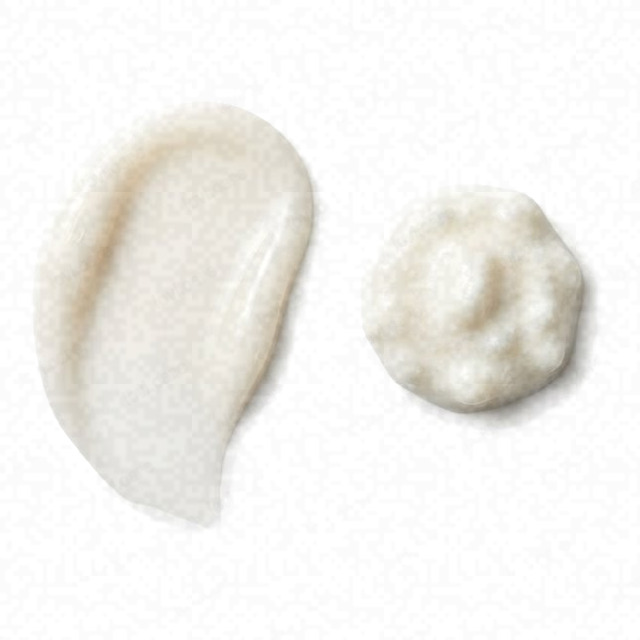 Probiotic Technology
 Squalane
 Glycerin
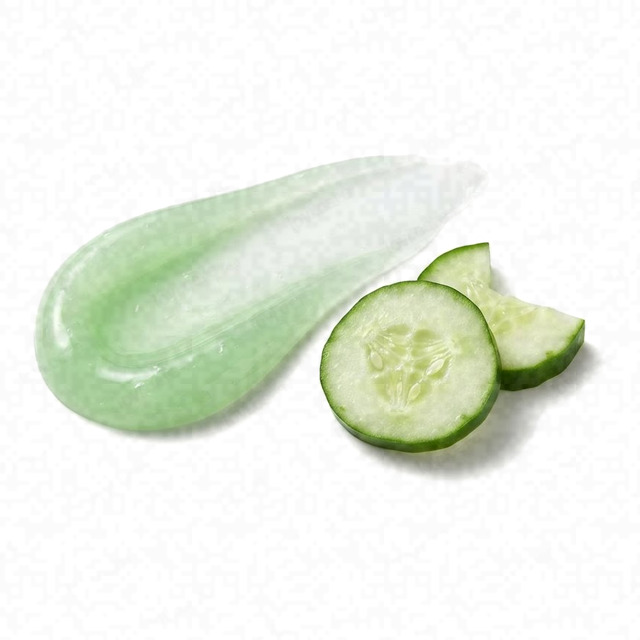 Cucumis Sativus Fruit Extract
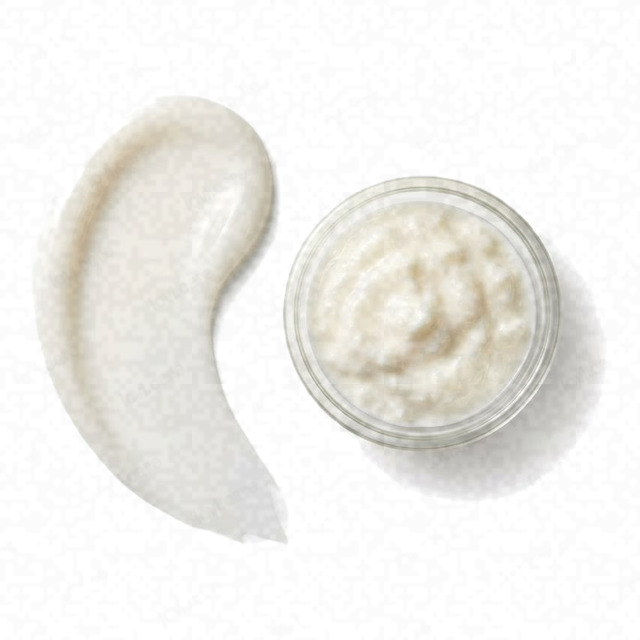 Lactobacillus Ferment
Average
- AverageOily Skin Fit
- AverageEffectiveness
- ExcellentSafety
Works for oily acne-prone skin; other cleansers fit it better.
This fit is calculated for the concerns frequently associated with oily acne-prone skin: shine, breakouts, blemishes, and enlarged pores. For scores and recommendations based on your full skin profile, including your 12D face scan results and any goals or preferences you have, please use the Lovi app.
Page built Nov 8, 2026How the Fit score works
Lovi Assistant explains
- Offers moderate suitability for your oily skin due to squalane and glycerin providing emollient and humectant actions, though it lacks sufficient ingredients for optimal oil control on your acne-prone skin.
- The presence of sea whip extract and avenna sativa kernel extract offers moderate soothing for redness, but these benefits are mostly supportive and irrelevant for your primary concerns of acne, blemishes, and breakouts.
- The product is safe for your oily skin, with no risks of irritation due to the absence of harsh ingredients and the inclusion of soothing agents.
How to apply
- Use this cleanser as part of your AM and PM routine. Start using it daily to help clear your breakouts.
- Apply this cleanser as the first step in the morning and right after your pre-cleanser in the evening. Follow it with your toner and moisturizer.
- Gently massage a small amount of the cleanser onto your face using circular motions. Rinse thoroughly with lukewarm water and pat dry.
- Apply the cleanser on slightly damp skin to help clean deeply and remove excess oil. This works best for oily skin types.
- Avoid the sensitive eye area during application. Do a patch test before your first use.
People Say
★4.5Overall rating based on 400+ reviewsWhile the creamy, non-foaming texture is celebrated for being gentle and cooling, some users find it insufficient for removing heavy makeup or prefer a traditional lather.
Highlights
Gentle & non-drying Often Mentioned
- “extra-gentle”
- “doesn't leave my skin dry”
- “leaves skin feeling soft”
- “never stripped or dry”
Cooling sensation Sometimes Noted
- “instantly calms and cools”
- “soothing and cooling”
- “relief after washing”
Creamy texture Sometimes Noted
- “beautiful creamy cleanser”
- “glides on”
- “feels like moisturizer”
- “soft and not thick”
No lather/bubbles Sometimes Noted
- “no bubbles”
- “doesn't lather”
- “miss the squeaky clean feel”
- “hard to get used to”
Poor makeup removal Sometimes Noted
- “doesn't melt my makeup off”
- “not enough for full face”
- “doesn't remove resistant sunscreens”
- “need a separate remover”
Caused breakouts Rarely Noted
- “horrible breakout of pimples”
- “caused major peeling”
- “worsened blemished areas”
Ineffective for some Rarely Noted
- “no change in redness”
- “didn't help reduce redness”
Sources: lovi.care, clinique.com, ulta.com, boots.com, walmart.com, adorebeauty.com.au, and more
Questions and answers
How well does Clinique Redness Solutions Soothing Cleanser work for oily acne-prone skin?
Clinique Redness Solutions Soothing Cleanser offers moderate suitability for your oily skin with glycerin providing moisture, but it lacks sufficient ingredients for optimal oil control and breakout prevention. To work best for oily acne-prone skin, a cleanser needs powerful ingredients that effectively address acne and blemishes while controlling oil production.
Which ingredients make this cleanser a good fit for oily acne-prone skin?
Glycerin and squalane make this cleanser a fit by providing moisture, while probiotic technology helps soothe the skin. To work best for oily acne-prone skin, this type of product needs powerful ingredients that control oil and tackle breakouts without causing irritation.
What do Probiotics do for oily acne-prone skin?
Probiotics help oily acne-prone skin by reducing breakouts, calming redness, and keeping the skin barrier strong. Topical treatments containing these friendly bacteria may also decrease inflammation and balance the skin with a low risk of side effects.
Journal of Experimental Pharmacology, 2025Journal of Cosmetic Dermatology, 2022
What does Squalane do for oily acne-prone skin?
Squalane may help keep oily skin soft and smooth, but oxidized squalene can trigger inflammation in acne-prone skin. Because of this, oily acne-prone skin needs lightweight, non-greasy ingredients that balance moisture without clogging pores.
Where does this cleanser go in a skincare routine for oily acne-prone skin?
This cleanser fits into your morning and evening routine as the first or second cleansing step. An oily acne-prone skin type needs a cleanser that also targets blemishes and controls oil with active ingredients.
Can I use this cleanser with retinol, and in what order?
You can use this cleanser with retinol, applying the cleanser first to wash your face before putting on your retinol treatment. It is unlikely to cause irritation on oily skin, but this skin type needs targeted ingredients that actively control oil and breakouts.
How often should I use this cleanser?
You can use this cleanser twice a day as part of your morning and evening routine, as it is safe for your oily skin. A product of this type for oily acne-prone skin needs ingredients that help control oil and target breakouts.
Can this cleanser clog pores, cause breakouts or purging for oily acne-prone skin?
This cleanser is safe for your oily skin and is unlikely to cause irritation, but some reviewers do mention that it caused breakouts. To properly care for oily and acne-prone skin, a product of this type needs targeted oil-control ingredients and acne-fighting components to prevent blemishes.
Can I use this cleanser around the eyes or on my body?
You can safely use this cleanser on your body or around the eyes because it has a gentle formula with no harsh ingredients. The eyelid skin is very thin, but this product is unlikely to cause irritation.
Is this cleanser fragrance-free and alcohol-free?
Yes, it has no fragrance and no drying alcohol.
What the research says
A single application of a moisturizing fluid containing hyaluronic acid 1%, glycerin 5%, and Centella asiatica stem cells extract significantly increased skin hydration by 29% and reduced transepidermal water loss at 24 hours compared to baseline and an untreated control site in twenty healthy women.
Clinical, Cosmetic and Investigational Dermatology, 2017Probiotics reduced acne lesions, improved skin barrier function, and decreased inflammatory markers in 811 participants with acne vulgaris when compared against conventional treatments or baseline.
Journal of Experimental Pharmacology, 2025Topical application of live Lactobacillus reuteri DSM 17938 and its lysate reduced proinflammatory IL-6 and IL-8 in UVB-R-induced inflammation models, with live bacteria also increasing aquaporin 3 expression and exhibiting antimicrobial activity against skin pathogens.
Experimental Dermatology, 2019Squalane at 0.005-0.015% counteracts UVA-induced oxidative stress, inflammation, and collagen metabolism inhibition while stimulating fibroblast migration in human dermal fibroblasts.
Molecules, 2025Plant-derived squalane protected human dermal fibroblasts against UVA-induced damage by counteracting ROS formation, suppressing apoptosis-related proteins p53, caspase-3, caspase-9, and PARP, and restoring the pro-survival p-Akt/mTOR pathway.
Antioxidants, 2025The emollient V0034CR significantly reduced TEWL compared to vehicle and vehicle plus glycerol, and significantly increased corneometry scores compared to vehicle and vehicle plus petrolatum in healthy volunteers with dry skin, demonstrating combined barrier function improvement from petrolatum and hydration improvement from glycerol.
Journal of Cosmetic Dermatology, 2020Ten days of treatment with a cream containing 20% glycerin significantly increased skin hydration measured by corneometer values in 17 healthy volunteers compared to a placebo cream, but showed no influence on transepidermal water loss or skin sensitivity to an irritating surfactant.
International Journal of Cosmetic Science, 2001Niacinamide/glycerin body moisturizers provided better rapid and prolonged improvement of cosmetic xerosis through functional improvement of stratum corneum barrier function compared to no treatment and conventional moisturizers in female subjects.
Journal of Drugs in Dermatology, 2012Transgenic cucumber expressing poly-γ-glutamic acid synthesis genes increased water content by 6-14%, reduced water loss by 11-12%, decreased facial wrinkles and roughness by 19.58% and 24.97%, decreased skin melanin by 5.27%, and improved facial elasticity in human skin and zebrafish compared to controls.
International Journal of Biological Macromolecules, 2024Copper Oxide nanoparticles synthesized using cucumber extract exhibited antibacterial, antifungal, UV protection, and reactive-oxygen species inhibition properties with low cellular toxicity and skin-rejuvenating effects when incorporated into skin cream.
Endocrine, Metabolic & Immune Disorders Drug Targets, 2021Topical treatment with Holothuria parva extract gel showed significant wound contraction compared to the negative control in full-thickness wounded rats.
The International Journal of Lower Extremity Wounds, 2024Probiotic-derived lotion successfully reduced inflammatory acne lesion counts and erythema index comparably to 2.5% benzoyl peroxide in patients with mild-to-moderate acne vulgaris, while causing fewer side effects.
Journal of Cosmetic Dermatology, 2022Topical application of Lactobacillus plantarum-GMNL6 enhanced collagen synthesis and SPTSSA gene expression while reducing melanin synthesis, Staphylococcus aureus biofilm, and Cutibacterium acnes proliferation, leading to clinical improvements in skin moisture, color, spots, wrinkles, UV spots, and porphyrins in human volunteers.
International Journal of Medical Sciences, 2021Lactobacillus plantarum extracellular vesicles modulated extracellular matrix related gene expression in vitro and suppressed wrinkle formation and pigmentation in clinical trials.
Current Issues in Molecular Biology, 2022
Why other cleansers fit oily acne-prone skin better
Topical 5% tea tree oil gel significantly improved total acne lesions and acne severity index compared to placebo in 60 patients with mild to moderate acne vulgaris, showing 3.55 times and 5.75 times greater efficacy respectively.
Indian Journal of Dermatology, Venereology and Leprology, 2007A botanical face cleanser with hops and willow bark extract continuously reduced skin sebum levels without reactive seborrhea after treatment in 21 healthy volunteers compared to a sodium laureth sulfate cleanser, with neither cleanser causing skin irritation.
Journal of Cosmetic Dermatology, 2019Tea tree oil gel and face wash significantly reduced total facial acne lesions from 23.7 to 10.7 and improved investigator global assessment scores in 14 participants with mild to moderate facial acne over 12 weeks.
The Australasian Journal of Dermatology, 2017
Ingredients
Water, Squalane, Glycerin, Butylene Glycol, Phenyl Trimethicone, Ammonium Acryloyldimethyltaurate, Vp Copolymer, Avena Sativa Kernel Extract Oat Kernel Extract, Cucumis Sativus Fruit Extract, Hordeum Vulgare Extract, Extrait Dorge, Sucrose Stearate, Sea Whip Extract, Cholesterol, Helianthus Annuus Seedcake Sunflower Seedcake, Acetyl Glucosamine, Lactobacillus Ferment, Ppg-20 Methyl Glucose Ether, Caffeine, Propylene Glycol Dicaprate, Caprylyl Glycol, Stearic Acid, Sodium Chloride, Disodium Edta, Bht, Phenoxyethanol, Polyaminopropyl Biguanide, Yellow 5 Ci 19140, Green 5 Ci 61570, Blue 1 Ci 42090
Behind this fit score
Lovi calculates every fit score from the full ingredient list with brand-independent rules our dermatologists and cosmetic chemists build and review, and personalizes every pick with AI trained on the real results of millions of users. Lovi trains its fit score models on a proprietary dataset built from more than 10,000 expert-labeled products and more than 100,000 simulated examples, following an internally consistent methodology presented at Cosmoprof, AMWC, and Skin of Color Update.
-

Co-founder, Medical Director
Cosmetic chemist, cosmetologist, aesthetic products developer
-

Co-founder, CEO and CTO
PhD in computer science, 3x US patent holder, ex-Google, ex-Yandex
-

Dr. Sofía Perea Pérez, MD, MSc
Medical Board
Aesthetic medicine practitioner, MSc in Longevity and Anti-Aging Medicine
-

Medical Board
Specialist dermatologist, MBBS, MD, IFAAD
-

Medical Board
Cosmetic chemist, SCS, IFSCC member
-

Medical Board, Medical Advisor
Dermatology MD
-

Elina Nazarenko, MD
Medical Board
Dermatology and diagnostic consultant
-

Victoria Derkova, MS
Medical Board
Cosmetic chemist, cosmetic development technologist


How does it fit your skin?
Scan your face, then any product: Lovi shows how well it fits you and what fits even better.