
Bioderma Atoderm Intensive Gel-Crème

 Glycerin
 Niacinamide
 Dipotassium Glycyrrhizate
 Hydrogenated Polydecene
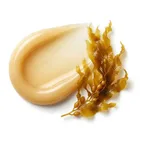 Laminaria Ochroleuca Extract
Glycerin, niacinamide, and dipotassium glycyrrhizate draw in moisture, strengthen the skin barrier, and soothe irritation, so it suits sensitive skin and dry sensitive skin best. Where to buy in Italy: Amazon.it and Notino, €23.70 to €31.72.
Each fit is calculated for the concerns frequently associated with that skin type. For scores and recommendations based on your full skin profile, including your 12D face scan results and goals, use the Lovi app.
Updated How the Fit score works
Where it fits best and least
Best fit Average
Sensitive Skin, Dry Sensitive Skin
Works for sensitive skin; other moisturizers fit it better.
- Offers moderate suitability for normal skin, as glycerin and niacinamide provide humectant and barrier repair actions respectively, which are beneficial for your skin type.
Lowest fit Warning
A poor match for oily skin.
- Extremely low suitability for your oily skin as glycerin and pentylene glycol can feel too heavy and potentially exacerbate oily shine, even though niacinamide offers some sebum regulation.
Other skin types
Buy online


Prices checked 22 Nov 2026
The Lovi Fit is the same in every country; only the stores and prices differ, and the ones here are for Italy.
How to apply
- Could be used as part of your AM and PM routine. Start using it 3 times a week and move to daily use if your skin likes it.
- Apply this moisturizer after your cleanser and toner, right before your morning SPF.
- Gently press a small amount of the moisturizer into your skin. Avoid rubbing it too hard so it absorbs nicely.
- For the best moisture, you can apply it when your skin is slightly damp. This helps your skin stay soft and happy.
- Remember to avoid the eye area when applying. Always do a patch test before your first use.
People Say
★4.5Overall rating based on 200+ reviewsWhile it effectively soothes itching and cools irritated skin, a significant number of users report that it can pill or leave a sticky residue if layered incorrectly or applied too thickly.
Highlights
Fragrance-free and gentle Often Mentioned
- “no scent”
- “didn't irritate sensitive skin”
- “good for acne-prone”
- “no stinging”
Lightweight and non-sticky Often Mentioned
- “absorbs straight in”
- “no oily residue”
- “fresh ultra-light texture”
- “perfect for summer”
Pilling and residue Often Mentioned
- “pills like crazy”
- “dust sticks to it”
- “leaves sticky film”
- “balls up under makeup”
Soothing and cooling Sometimes Noted
- “instantly cooled skin”
- “relieved tight feeling”
- “calms irritation”
- “stops the itch”
Insufficient hydration Rarely Noted
- “felt dehydrated inside”
- “not enough for winter”
- “need to layer”
- “dryness returned quickly”
Packaging issues Rarely Noted
- “pump stops working”
- “hard to empty”
- “wasteful bottle design”
Price and value Rarely Noted
- “expensive for amount”
- “used up quickly”
- “wish for smaller size”
Sources: lovi.care, dermstore.com, londondrugs.com, iherb.com, skinmiles.com, ozhairandbeauty.com, and more
Questions and answers
How well does Bioderma Atoderm Intensive Gel-Crème work for sensitive skin?
This product works well enough for sensitive skin, though other products fit it better. To truly thrive, sensitive skin needs a formula with soothing ingredients like fermented Centella Asiatica and nourishing oils that calm redness and keep the skin barrier strong.
Why is Bioderma Atoderm Intensive Gel-Crème a weak match for dry skin?
This moisturizing treatment is a weak match because it lacks stronger sealing ingredients needed for intense moisturization on dry skin. To properly care for dry or flaky skin, a product of this type needs rich nourishing ingredients and heavy sealing agents that lock in hydration and support the skin barrier.
Why is Bioderma Atoderm Gel-Crème a weak match for acne-prone skin?
This product is a weak match because it lacks oil control for oily areas and its hydration and soothing benefits do not target acne, blemishes, or breakouts. A moisturizing treatment for acne-prone skin needs ingredients that fight breakouts and blemishes while providing balanced hydration without irritation.
Why is Bioderma Atoderm Intensive Gel-Creme a weak match for oily acne-prone skin?
This product is a weak match because its glycerin and niacinamide provide a lot of moisture that may feel overwhelming for oily skin. A moisturizing treatment for this skin needs lightweight texture, no heavy oils, and ingredients that support the skin barrier without adding excess oil or clogging pores.
Why does Lovi advise caution with Bioderma Atoderm Intensive Gel-Crème for combination skin?
Glycerin and niacinamide provide strong hydration for your combination skin, but these ingredients may feel too heavy for your oily T-zone areas. This skin type needs products with effective brightening and moisturizing ingredients that target hydration and brightness without excess oil.
Why does Lovi advise against Bioderma Atoderm Intensive Gel-Crème for oily skin?
This moisturizing treatment is a poor fit because glycerin and pentylene glycol can feel too heavy and may make oily shine worse. Oily skin needs a product with lightweight hydrating ingredients and no heavy oils to keep the skin balanced without clogging pores.
Is this cream fragrance-free and alcohol-free?
Yes, it has no fragrance and no drying alcohol.
How well does Bioderma Atoderm Intensive Gel-Crème work for dry sensitive skin?
This product works moderately well for dry and sensitive skin, as glycerin and niacinamide help quench dryness and calm the skin. It is safe and soothing, but a product of this type needs stronger sealing ingredients and rich softening agents to keep very dry skin moisturized over time.
Why is Bioderma Atoderm Intensive Gel-Crème a weak match for skin with dark spots?
This product is a weak match because it lacks specialized brightening ingredients like Vitamin C or retinoids that are crucial for targeting pigmentation, even though it provides essential hydration and supports the skin barrier. To fit skin with dark spots, a moisturizing treatment needs effective brightening ingredients that align with your pigmentation goals, alongside hydrating components that do not cause irritation.
Why is Bioderma Atoderm Gel-Crème a weak match for mature skin?
This product is a weak match because its glycerin and niacinamide provide basic hydration and barrier support rather than targeting wrinkles and fine lines. A product of this type needs specialized anti-aging ingredients like peptides, antioxidants, and rich emollients to properly care for mature skin.
What the research says
A single application of a moisturizing fluid containing hyaluronic acid 1%, glycerin 5%, and Centella asiatica stem cells extract significantly increased skin hydration by 29% and reduced transepidermal water loss at 24 hours compared to baseline and an untreated control site in twenty healthy women.
Clinical, Cosmetic and Investigational Dermatology, 2017The emollient V0034CR significantly reduced TEWL compared to vehicle and vehicle plus glycerol, and significantly increased corneometry scores compared to vehicle and vehicle plus petrolatum in healthy volunteers with dry skin, demonstrating combined barrier function improvement from petrolatum and hydration improvement from glycerol.
Journal of Cosmetic Dermatology, 2020Ten days of treatment with a cream containing 20% glycerin significantly increased skin hydration measured by corneometer values in 17 healthy volunteers compared to a placebo cream, but showed no influence on transepidermal water loss or skin sensitivity to an irritating surfactant.
International Journal of Cosmetic Science, 2001Topical nicotinamide prevented solar-simulated UV-induced immunosuppression in healthy volunteers, and men experienced immunosuppression at solar-simulated UV doses three times lower than those required for women.
The Journal of Investigative Dermatology, 2008Topical 5% niacinamide applied twice daily for 12 weeks reduced fine lines and wrinkles, hyperpigmented spots, red blotchiness, and skin sallowness, and improved skin elasticity compared to vehicle control in 50 female white subjects with facial photoaging.
Dermatologic Surgery, 2005Topical 2% niacinamide significantly decreased sebum excretion rate in Japanese individuals and casual sebum levels in Caucasian individuals compared to placebo or baseline.
Journal of Cosmetic and Laser Therapy, 2006Combining 755 nm alexandrite laser with topical licorice gel significantly reduces terminal hair counts compared to alexandrite laser with placebo in women with idiopathic hirsutism.
Evidence-based Complementary and Alternative Medicine, 2015Licochalcone A activated Nrf2 signaling, elevated cytoprotective enzymes, increased the reduced-to-oxidized glutathione ratio, and decreased reactive oxygen species in human fibroblasts and neutrophils, while a LicA-rich licorice extract lowered UVA-induced oxidative processes in vivo.
Experimental Dermatology, 2015Mesoporous silica nanoparticles entrapping licorice polysaccharide and coated with polydopamine showed 76% entrapment efficiency, 89% in vitro release at pH 5, increased sebocytes' cellular uptake, and mediated inflammatory response by inhibiting pro-inflammatory cytokines and regulating anti-inflammatory cytokines.
Carbohydrate Polymers, 2024Niacinamide/glycerin body moisturizers provided better rapid and prolonged improvement of cosmetic xerosis through functional improvement of stratum corneum barrier function compared to no treatment and conventional moisturizers in female subjects.
Journal of Drugs in Dermatology, 2012A topical formulation containing panthenol, niacinamide, and dipotassium glycyrrhizate increased skin hydration by 74.1% and reduced transepidermal water loss by 13.5% at 28 days compared to baseline and untreated control in 35 individuals with xerosis.
Journal of Cosmetic Dermatology, 2026Treatment with a combination of niacinamide and hyaluronic acid improved skin aging signs and demonstrated a senomorphic effect by decreasing SASP and autocrine signaling genes in women.
Scientific Reports, 2024
Ingredients
Water, Glycerin, Niacinamide, Sodium Polyacrylate, Dipotassium Glycyrrhizate, Hydrogenated Polydecene, Pentylene Glycol, 1,2-Hexanediol, Caprylyl Glycol, Mannitol, Polysorbate 20, Xylitol, Rhamnose, Sodium Citrate, Polyquaternium-51, Fructooligosaccharides, Caprylic Capric Triglyceride, Laminaria Ochroleuca Extract
Behind these fit scores
Lovi calculates every fit score from the full ingredient list with brand-independent rules our dermatologists and cosmetic chemists build and review, and personalizes every pick with AI trained on the real results of millions of users. Lovi trains its fit score models on a proprietary dataset built from more than 10,000 expert-labeled products and more than 100,000 simulated examples, following an internally consistent methodology presented at Cosmoprof, AMWC, and Skin of Color Update.
-

Co-founder, Medical Director
Cosmetic chemist, cosmetologist, aesthetic products developer
-

Co-founder, CEO and CTO
PhD in computer science, 3x US patent holder, ex-Google, ex-Yandex
-

Dr. Sofía Perea Pérez, MD, MSc
Medical Board
Aesthetic medicine practitioner, MSc in Longevity and Anti-Aging Medicine
-

Medical Board
Specialist dermatologist, MBBS, MD, IFAAD
-

Medical Board
Cosmetic chemist, SCS, IFSCC member
-

Medical Board, Medical Advisor
Dermatology MD
-

Elina Nazarenko, MD
Medical Board
Dermatology and diagnostic consultant
-

Victoria Derkova, MS
Medical Board
Cosmetic chemist, cosmetic development technologist


How does it fit your skin?
Scan your face, then any product: Lovi shows how well it fits you and what fits even better.