AXIS-Y Complete No-Stress Physical Sunscreen for acne-prone skin

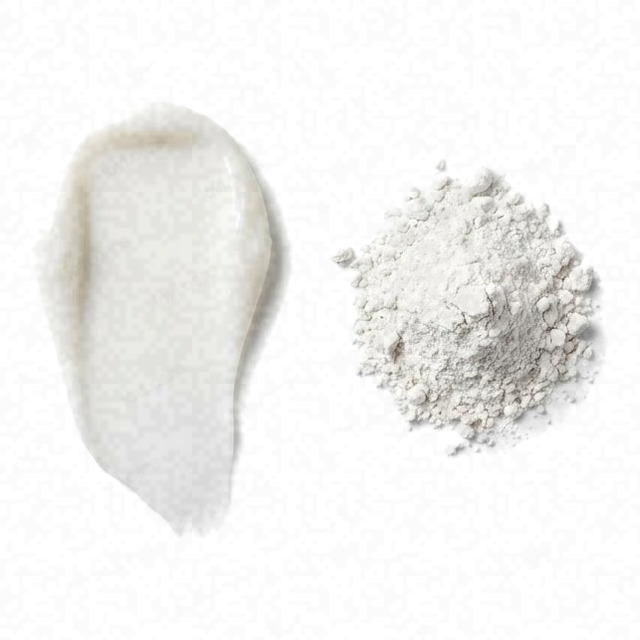 Zinc Oxide
 Niacinamide
 Squalane
 Calendula Officinalis Flower Extract
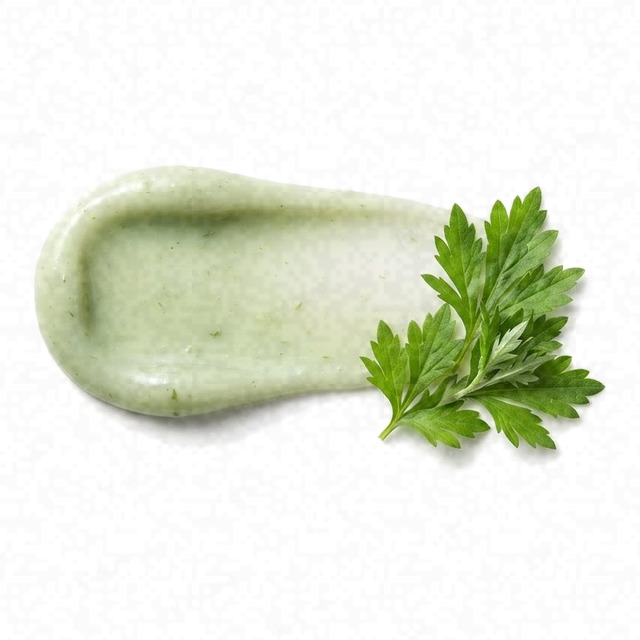 Artemisia Capillaris Extract
Superior
- HighCombination Skin Fit
- HighEffectiveness
- ExcellentSafety
One of the best sunscreens for acne-prone skin.
This fit is calculated for the concerns frequently associated with acne-prone skin: breakouts, blackheads, and post-acne marks. For scores and recommendations based on your full skin profile, including your 12D face scan results and any goals or preferences you have, please use the Lovi app.
Page built Nov 8, 2026How the Fit score works
Lovi Assistant explains
- Excellent suitability for your combination, acne-prone skin as niacinamide helps regulate sebum and reduce inflammation, while zinc oxide and titanium dioxide provide robust UV protection. Green tea extract and Calendula Officinalis Flower Extract further soothe your skin and combat breakouts.
- The formula's inclusion of tocopherol offers antioxidant benefits, complementing the anti-inflammatory properties for overall skin health.
- This product is safe for your skin, containing no harsh ingredients and featuring soothing botanical extracts.
How to apply
- Apply this sunscreen every morning as the final step of your skincare routine. Reapply every two hours if you are outdoors for best protection against breakouts.
- Apply the sunscreen after your moisturizer and before applying any makeup. Let it absorb completely ⏱ before going outside.
- Take a nickel-sized amount and gently pat it evenly across your face and neck. Avoid rubbing aggressively to keep your combination skin calm.
- Apply the sunscreen on clean, dry skin to ensure an even protective layer. This helps manage excess shine without clogging your pores.
- Avoid the immediate eye area and do a quick patch test before first use. Stop using it if you notice any irritation and consult a specialist.
People Say
★4.6Overall rating based on 900+ reviewsUsers with oily, acne-prone, and sensitive skin appreciate this sunscreen for its soothing, non-greasy formula that does not cause breakouts or eye irritation. However, individuals with darker skin tones or dry skin frequently report a noticeable white cast and occasional clinging to dry patches.
Highlights
Non-greasy satin finish Mostly Mentioned
- “doesn't leave me a greasy mess with the CRAZYYY US East Coast humidity”
- “leaves a slight matte shine without the stickiness”
- “absorbs very quickly and it doesn't leave the skin feeling sticky”
- “dries down to a comfortable satin finish”
Great for sensitive skin Often Mentioned
- “great for acne-prone skin, no crazy fragrance smell”
- “chemical sunscreens burn my eyes and break me out very badly”
- “I have oily and acne prone skin and this hasn't made me break out”
- “didn't irritate my skin”
Noticeable white cast Often Mentioned
- “it left the worst white cast and literally would not blend”
- “does give a white cast but once rubbed in for a few minutes it does disappear”
- “left an awful white cast”
- “may be more obvious on darker skin tones”
Good under makeup Sometimes Noted
- “doesn't pill when mixed with my other skin care or applied under makeup”
- “sits fine on the skin without disrupting makeup application”
- “perfect as a primer before makeup”
- “won't cause anything to pill, apply awkwardly or differently”
Can be drying Sometimes Noted
- “was very drying! Unfortunately couldn't finish it!”
- “can cause some dry patches to show around my cheeks”
- “dry skins state that Physical SPFs can be drying for them”
- “clinging to dry skin”
Difficult to blend Rarely Noted
- “texture of the sunscreen is quite thick and doesn't really blend easily”
- “I do have to put more work to make sure that the products spread”
- “takes 2-3 minutes to blend in”
- “literally would not blend”
Sources: lovi.care, ulta.com, gopicky.com, reddit.com, lyko.com, lookfantastic.com, and more
Questions and answers
What makes AXIS-Y Complete No-Stress Physical Sunscreen one of the best fits for acne-prone skin?
This sunscreen is one of the best fits for your acne-prone skin because niacinamide helps regulate oil and calm redness, while zinc oxide and titanium dioxide provide strong sun protection. Soothing plant extracts like green tea and calendula further help keep your skin clear and calm.
Which ingredients make this sunscreen a good fit for acne-prone skin?
This sunscreen is a great fit for acne-prone skin because niacinamide helps balance oil and calm redness, while zinc oxide and titanium dioxide protect against the sun without causing irritation. Plant extracts like green tea and calendula soothe the skin and may help prevent breakouts.
What does Zinc Oxide do for acne-prone skin?
Zinc oxide helps calm acne-prone skin by reducing breakouts, redness, and the bacteria linked to pimples. Studies show that using it on your skin is generally safe and unlikely to cause irritation.
What does Niacinamide do for acne-prone skin?
Niacinamide helps acne-prone skin by reducing both inflamed and uninflamed breakouts and calming redness. It is also very helpful for keeping oily skin balanced by cutting down on excess oil production, and it is well tolerated by most people.
Where does it go in a skincare routine for acne-prone skin?
This sunscreen is applied in the morning as the final step of your skincare routine, right after your moisturizer. It is unlikely to cause irritation on acne-prone skin, as zinc oxide and niacinamide help calm redness and regulate oil.
International Journal of Cosmetic Science, 2020Journal of Controlled Release, 2025
Can I use this sunscreen with retinol, and in what order?
You can use this sunscreen in the morning as the final step of your routine, after applying your moisturizer and before makeup. It is safe to use alongside a retinol routine because it contains soothing ingredients and mineral sun protection that help keep acne-prone skin calm.
How often should I use it?
This sunscreen is a great fit for your acne-prone skin and is designed for daily use every morning as the final step of your daytime routine. Niacinamide helps regulate oil production while zinc oxide and soothing plant extracts calm breakouts, making it safe for regular daily protection.
International Journal of Cosmetic Science, 2020Journal of Controlled Release, 2025
Can this sunscreen clog pores, cause breakouts or purging for acne-prone skin?
This sunscreen is unlikely to clog pores or cause breakouts on acne-prone skin because it contains soothing ingredients like zinc oxide and niacinamide that help calm inflammation and control oil. It does not cause purging since it lacks exfoliating acids or active cell-turnover ingredients.
Is it fragrance-free and alcohol-free?
Yes, it has no fragrance and no drying alcohol.
What the research says
Biomimetic hyaluronic acid-stabilized zinc oxide nanoparticles selectively inhibited C. acnes, outperformed erythromycin in preclinical acne models, and safely reduced acne lesions and redness in a clinical trial.
Journal of Controlled Release, 2025Microfine titanium dioxide does not penetrate human skin when formulated in an oil-in-water emulsion with the pigment dispersed in the aqueous phase, compared to oily dispersions and liposomal encapsulation which allow deeper skin penetration.
International Journal of Cosmetic Science, 2000Topical application of micronised titanium dioxide results in no dermal absorption, with the particles being deposited solely on the outermost surface of the stratum corneum.
Skin Pharmacology and Applied Skin Physiology, 2001A topical serum containing vitamin C, vitamin E, and raspberry leaf cell culture extract improved skin color, elasticity, radiance, smoothness, scaliness, and wrinkles compared to the untreated contralateral side in fifty female volunteers.
Journal of Cosmetic Dermatology, 2020Topical 0.5% hyaluronic-ZnO nanogel applied twice daily reduced inflammatory-lesion counts by 58% at week four in human subjects compared to baseline without causing erythema.
Biomedicines, 2025Nels cream achieved a similar reduction in inflammatory and noninflammatory lesion counts compared to 5% benzoyl peroxide in acne vulgaris patients, but caused significantly fewer side-effects such as peeling and dryness.
Clinical and Experimental Dermatology, 2000Topically applied coated and uncoated zinc oxide nanoparticles under flexing and massage are retained in the stratum corneum with no significant penetration into the viable epidermis and no cellular toxicity in human skin.
Nanomedicine, 2016Topical post-laser application of human adipocyte-derived mesenchymal stem cell media combined with niacinamide significantly improved wrinkle index, melanin index, patient satisfaction, and investigator esthetic improvement scores compared to vehicle cream in patients with aging skin.
Journal of Cosmetic Dermatology, 2021Topical nicotinamide prevented solar-simulated UV-induced immunosuppression in healthy volunteers, and men experienced immunosuppression at solar-simulated UV doses three times lower than those required for women.
The Journal of Investigative Dermatology, 2008Topical 5% niacinamide applied twice daily for 12 weeks reduced fine lines and wrinkles, hyperpigmented spots, red blotchiness, and skin sallowness, and improved skin elasticity compared to vehicle control in 50 female white subjects with facial photoaging.
Dermatologic Surgery, 2005Squalane at 0.005-0.015% counteracts UVA-induced oxidative stress, inflammation, and collagen metabolism inhibition while stimulating fibroblast migration in human dermal fibroblasts.
Molecules, 2025Plant-derived squalane protected human dermal fibroblasts against UVA-induced damage by counteracting ROS formation, suppressing apoptosis-related proteins p53, caspase-3, caspase-9, and PARP, and restoring the pro-survival p-Akt/mTOR pathway.
Antioxidants, 2025Topical application of Calendula officinalis extract cream significantly improved skin hydration and firmness (reflected in significant changes in R0 and R6 parameters) in 21 healthy human volunteers compared to a base cream.
Acta Poloniae Pharmaceutica, 2011Treatment with standardized extract of Calendula officinalis L. led to a shorter epithelization time and faster healing speed compared to mineral oil in patients with acute skin loss wounds of the hand and fingers healing by secondary intention.
Tissue Barriers, 2022Topical administration of Calendula provides weak evidence of effectiveness in acute and chronic wounds compared to standard treatments based on a narrative review of available trials.
Wounds, 2008Artemisia princeps-derived nanovesicles accelerate cell proliferation, decrease senescence-associated beta-galactosidase activity, inhibit MMP-1 activity more effectively than EGCG, and increase procollagen type I expression in human dermal cells and skin models.
Journal of Extracellular Biology, 2025Artemisia annua aqueous extract increased the itching threshold, inhibited TSLP expression, and promoted FLG mRNA expression in in vitro and in vivo models.
Journal of Ethnopharmacology, 2024Artemisia Capillaris Thunb. extract protects human HaCaT keratinocytes from UVB-induced apoptosis and inflammation by suppressing the cGAS/STING signaling pathway.
Journal of Photochemistry and Photobiology. B, Biology, 2024
Ingredients
Water, Zinc Oxide, Propylyheptyl Caprylate, Butyloctyl Salicylate, Propanediol, Titanium Dioxide, Butylene Glycol Dicaprylate Dicaprate, Dicaprylyl Ether, Caprylyl Methicone, Polyglyceryl-4 Diisostearate Polyhydroxystearate Sebacate, Disiloxane, Niacinamide, Trimethylsiloxysilicate, Calendula Officinalis Flower Extract, Camellia Sinensis Leaf Extract, Artemisia Capillaris Flower Extract, Vitis Vinifera Seed Extract Grape Seed Extract, Juniperus Virginiana Oil, Cedrus Atlantica Oil Bark, Amyris Balsamifera Oil Bark, Pogostemon Cablin Oil, Chamomilla Recutita Flower Water Matricaria Flower Water, Disteardimonium Hectorite, Magnesium Sulfate, Stearic Acid, Aluminum Hydroxide, Triethoxycaprylylsilane, Methyl Methacrylate Crosspolymer, Polyglyceryl-3 Polydimethylsiloxyethyl Dimethicone, 1,2-Hexanediol, Vinyl Dimethicone Methicone Silsesquioxane Crosspolymer, Polymethylsilsesquioxane, Glyceryl Caprylate, Caprylyl Glycol, Ethylhexylglycerin, Adenosine, Copaifera Officinalis Resin, Tocopherol, Squalane, Allantoin, Glycerin, Palmitoyl Tripeptide-5
Behind this fit score
Lovi calculates every fit score from the full ingredient list with brand-independent rules our dermatologists and cosmetic chemists build and review, and personalizes every pick with AI trained on the real results of millions of users. Lovi trains its fit score models on a proprietary dataset built from more than 10,000 expert-labeled products and more than 100,000 simulated examples, following an internally consistent methodology presented at Cosmoprof, AMWC, and Skin of Color Update.
-

Co-founder, Medical Director
Cosmetic chemist, cosmetologist, aesthetic products developer
-

Co-founder, CEO and CTO
PhD in computer science, 3x US patent holder, ex-Google, ex-Yandex
-

Dr. Sofía Perea Pérez, MD, MSc
Medical Board
Aesthetic medicine practitioner, MSc in Longevity and Anti-Aging Medicine
-

Medical Board
Specialist dermatologist, MBBS, MD, IFAAD
-

Medical Board
Cosmetic chemist, SCS, IFSCC member
-

Medical Board, Medical Advisor
Dermatology MD
-

Elina Nazarenko, MD
Medical Board
Dermatology and diagnostic consultant
-

Victoria Derkova, MS
Medical Board
Cosmetic chemist, cosmetic development technologist


How does it fit your skin?
Scan your face, then any product: Lovi shows how well it fits you and what fits even better.