
ZitSticka Goo Getter for skin with dark spots

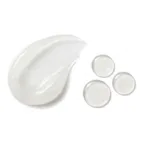 Hydrocolloid
 Niacinamide
 Salicylic Acid
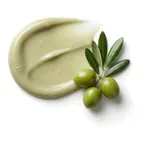 Oil Tree
 Ascorbic Acid
Average
- AverageNormal Skin Fit
- AverageEffectiveness
- HighSafety
Works for skin with dark spots; other serums fit it better.
This fit is calculated for the concerns frequently associated with dark spots: hyperpigmentation, sun spots, and uneven skin tone. For scores and recommendations based on your full skin profile, including your 12D face scan results and any goals or preferences you have, please use the Lovi app.
Updated How the Fit score works
Lovi Assistant explains
- Offers moderate suitability for normal skin, as salicylic acid and niacinamide provide exfoliation and antioxidant benefits that support your pigmentation concerns. Ascorbic acid further aids in mild brightening effects, complementing your skin's needs.
- The hydrocolloid dressing offers excellent treatment for acne lesions and blemishes, which can indirectly support overall skin clarity and texture.
- The formulation is safe for your normal skin, with no risks of irritation due to the absence of harsh ingredients and the inclusion of soothing components like niacinamide and ascorbic acid.
How to apply
- Apply this serum as part of your PM routine starting 3x/week and build up to daily use if your skin likes it.
- Place the serum after cleansing and toning, but before your moisturizer.
- Gently press 2-3 drops of the serum into your skin and wait a minute for it to absorb.
- Apply the serum on dry skin to help fade pigmentation effectively.
- Avoid the eye area and always use SPF 30+ during the day.
Questions and answers
How well does ZitSticka Goo Getter work for skin with dark spots?
ZitSticka Goo Getter works moderately well for skin with dark spots, as salicylic acid and niacinamide help clear the skin while ascorbic acid aids in mild brightening. It is a safe option with soothing components, though a treatment for this skin needs a richer blend of potent antioxidants and skin-repairing ingredients to deliver optimal results for dark spots.
The British Journal of Dermatology, 2002Journal of Cosmetic Dermatology, 2020
Which ingredients make this treatment a good fit for skin with dark spots?
Salicylic acid, niacinamide, and ascorbic acid make this treatment a good fit for skin with dark spots by providing gentle exfoliation and mild brightening effects. Niacinamide and ascorbic acid help fade dark spots and even out skin tone. To work best for skin with dark spots, treatments of this type need a blend of strong antioxidants and soothing ingredients that target pigmentation without causing irritation.
The British Journal of Dermatology, 2002Journal of Cosmetic Dermatology, 2020
What does Niacinamide do for skin with dark spots?
Niacinamide helps fade dark spots and uneven pigmentation by slowing down the transfer of pigment in the skin. It is generally well tolerated and may improve overall skin brightness with consistent use.
Where does this treatment go in a skincare routine for skin with dark spots?
This treatment goes in the evening routine. Skin with dark spots needs brightening ingredients like vitamin C and niacinamide, along with gentle exfoliants to help even out skin tone.
Journal of Drugs in Dermatology, 2023International Journal of Cosmetic Science, 2020
Can I use this treatment with retinol, and in what order?
You can use this treatment with retinol by applying the retinol first, letting it dry, and then placing this treatment on top of blemishes. This product works for skin with dark spots, though products with more targeted brightening ingredients and gentle exfoliants fit it better.
How often should I use this treatment?
You can use this treatment once a week as part of an exfoliating routine, and if your skin feels comfortable and you see good results, you may carefully use it more often. A treatment for dark spots needs brightening ingredients like vitamin C and niacinamide along with gentle exfoliating acids.
The British Journal of Dermatology, 2002Journal of Cosmetic Dermatology, 2020
Can this treatment clog pores, cause breakouts or purging for skin with dark spots?
This treatment is unlikely to clog pores or cause breakouts on your skin, and it is safe for your skin with dark spots because it is free of harsh ingredients. However, because it is an average fit for dark spots, this skin needs products with stronger brightening ingredients and targeted blemish treatments to truly fade stubborn spots.
Is this treatment fragrance-free and alcohol-free?
Yes, it has no fragrance and no drying alcohol.
What the research says
Niacinamide significantly decreased hyperpigmentation and increased skin lightness compared with vehicle alone after 4 weeks of use in women by inhibiting melanosome transfer.
The British Journal of Dermatology, 2002A topical serum containing vitamin C, vitamin E, and raspberry leaf cell culture extract improved skin color, elasticity, radiance, smoothness, scaliness, and wrinkles compared to the untreated contralateral side in fifty female volunteers.
Journal of Cosmetic Dermatology, 2020Topical nicotinamide prevented solar-simulated UV-induced immunosuppression in healthy volunteers, and men experienced immunosuppression at solar-simulated UV doses three times lower than those required for women.
The Journal of Investigative Dermatology, 2008Topical 5% niacinamide applied twice daily for 12 weeks reduced fine lines and wrinkles, hyperpigmented spots, red blotchiness, and skin sallowness, and improved skin elasticity compared to vehicle control in 50 female white subjects with facial photoaging.
Dermatologic Surgery, 2005Topical 2% niacinamide significantly decreased sebum excretion rate in Japanese individuals and casual sebum levels in Caucasian individuals compared to placebo or baseline.
Journal of Cosmetic and Laser Therapy, 2006A moisturizer containing licochalcone A, 1,2-decanediol, L-carnitine, and salicylic acid significantly reduced noninflammatory, inflammatory, and total acne lesion counts compared to a vehicle control in Thai patients during a 12-week maintenance phase.
BioMed Research International, 2020Treatment with 2% supramolecular salicylic acid hydrogel resulted in a regression and markedly improvement rate of 51.01% compared to 43.10% for Adapaline gel in patients with mild to moderate facial acne vulgaris, showing no significant difference in efficacy.
Journal of Cosmetic Dermatology, 2024Topical 5% benzoyl peroxide plus salicylic acid achieved the greatest lesion reduction at early 2 to 4 week time points compared to benzoyl peroxide, clindamycin, and combination benzoyl peroxide/clindamycin, while 5% benzoyl peroxide plus salicylic acid and combination benzoyl peroxide/clindamycin showed similar efficacy at 10 to 12 weeks in acne patients.
Journal of the American Academy of Dermatology, 2010The incorporation of olive oil-loaded hydrogel particles into a cream formulation provides strong moisturizing properties and photoprotective potential when applied to healthy subjects.
Pharmaceutical Development and Technology, 2018Wild Olive Oil, Extra Virgin Olive Oil, and Virgin Olive Oil compared against liquid paraffin and rosehip oil showed that wild olive oil yielded the lowest perception of oiliness and the highest increase in skin elasticity among eight healthy volunteers.
Pharmaceutics, 2022Topical application of 5% vitamin C cream significantly improved global clinical scores, increased skin microrelief density, and induced elastic tissue repair in photoaged skin compared to excipient control in healthy female volunteers.
Experimental Dermatology, 2003Topical application of VC-IP cream twice daily for 8 weeks reduces periorbital wrinkles in female subjects compared to a placebo cream.
Journal of Cosmetic Dermatology, 2022Topical treatment with 5% vitamin C and 0.1% madecassoside significantly improved clinical scores for wrinkles, suppleness, firmness, roughness, and skin hydration, along with functional and structural remodeling of the elastic fiber network in 20 female volunteers with photoaged skin after 6 months compared to baseline.
Experimental Dermatology, 2008
Ingredients
Melaleuca Alternifolia Tree Oil Leaf, Glyceryl Hydrogenated Rosinate, Salicylic Acid, Cellulose Gum, Mineral Oil, Styrene Isoprene Copolymer, Pentaerythrityl Tetra-Di-T-Butyl Hydroxyhydrocinnamate, Niacinamide, Ascorbic Acid, Hydrocolloid Dressing
Behind this fit score
Lovi calculates every fit score from the full ingredient list with brand-independent rules our dermatologists and cosmetic chemists build and review, and personalizes every pick with AI trained on the real results of millions of users. Lovi trains its fit score models on a proprietary dataset built from more than 10,000 expert-labeled products and more than 100,000 simulated examples, following an internally consistent methodology presented at Cosmoprof, AMWC, and Skin of Color Update.
-

Co-founder, Medical Director
Cosmetic chemist, cosmetologist, aesthetic products developer
-

Co-founder, CEO and CTO
PhD in computer science, 3x US patent holder, ex-Google, ex-Yandex
-

Dr. Sofía Perea Pérez, MD, MSc
Medical Board
Aesthetic medicine practitioner, MSc in Longevity and Anti-Aging Medicine
-

Medical Board
Specialist dermatologist, MBBS, MD, IFAAD
-

Medical Board
Cosmetic chemist, SCS, IFSCC member
-

Medical Board, Medical Advisor
Dermatology MD
-

Elina Nazarenko, MD
Medical Board
Dermatology and diagnostic consultant
-

Victoria Derkova, MS
Medical Board
Cosmetic chemist, cosmetic development technologist


How does it fit your skin?
Scan your face, then any product: Lovi shows how well it fits you and what fits even better.