
Vichy Liftactiv Pure Retinol Serum for dry skin

 Retinol
 Sodium Hyaluronate
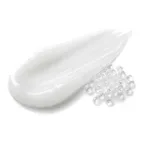 Palmitoyl Tetrapeptide-7
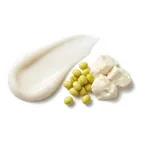 Hydrolyzed Rice Protein
 Glycerin
Caution
- LowDry Skin Fit
- AverageEffectiveness
- RiskySafety
A poor match for dry skin; the serums alongside fit it better.
This fit is calculated for the concerns frequently associated with dry skin: flakiness, tightness, dehydration, fine lines, and wrinkles. For scores and recommendations based on your full skin profile, including your 12D face scan results and any goals or preferences you have, please use the Lovi app.
Updated How the Fit score works
Lovi Assistant explains
- Offers moderate treatment for minimizing fine lines and wrinkles due to the presence of retinol and palmitoyl tripeptide-1, but may pose risks for your dry skin due to alcohol denat and the inherent drying nature of retinol.
- While sodium hyaluronate and glycerin provide hydration, the formula lacks sufficient emollient and occlusive ingredients to fully counteract potential dryness for your dry skin.
How to apply
- Apply this serum PM, starting 3×/week and working up to daily use as your skin adjusts.
- Place the serum after cleansing and toner, but right before your moisturizer.
- Gently press 2-3 drops of the serum into your skin and let it absorb for a minute.
- Apply the serum on slightly damp skin to help lock in extra moisture.
- Avoid the eye area and do a patch test before your first use.
People Say
★4.6Overall rating based on 500+ reviewsUsers find this serum effective for smoothing skin texture, firming the complexion, and diminishing fine lines and dark spots. While some note that results require patience and consistent use, many with sensitive or mature skin appreciate its gentle, non-irritating formula that absorbs quickly without a greasy residue.
Highlights
Gentle on skin Mostly Mentioned
- “Gentle enough to use often”
- “No irritation”
- “Perfect for sensitive skin”
Improves skin texture Often Mentioned
- “Skin feels much smoother”
- “Resurfaces skin texture”
- “Improving skin texture”
Quickly absorbs Often Mentioned
- “Absorbs well”
- “Non-greasy”
- “Absorbs quickly without residue”
Reduces fine lines Sometimes Noted
- “Fading newly developed wrinkles”
- “Reduction in fine lines”
- “Softened expression lines”
Mild dryness Sometimes Noted
- “Excessive peeling”
- “Mild dryness around cheeks”
- “Need to follow with moisturizer”
Slow results Sometimes Noted
- “Saw no results in long term”
- “Be patient”
- “Slow effect”
Applicator issues Rarely Noted
- “Pipette can be messy”
- “Prone to clogging”
Premium pricing Rarely Noted
- “Priced at a premium”
- “Not the best I've used”
- “Expensive for the amount”
Sources: lovi.care, lovelyskin.com, lookfantastic.ie, tryandreview.com, ulta.com, youtube.com, and more
Questions and answers
Why does Lovi advise caution with Vichy Liftactiv Pure Retinol Serum for dry skin?
Lovi advises caution because retinol and alcohol denat in this serum may dry out and irritate dry skin. While it includes glycerin and sodium hyaluronate, it lacks enough heavy moisturizing and barrier-locking ingredients to fully protect dry skin from potential flaking.
The British Journal of Dermatology, 2019Journal of Cosmetic Dermatology, 2016
Which ingredients make this serum a poor fit for dry skin?
This serum is a poor fit for dry skin because alcohol denat and retinol may dry out your skin further. A product of this type needs rich moisturizing ingredients like ceramides, niacinamide, and heavy sealing ingredients to keep dry skin soft, smooth, and comfortable.
What does Retinol do for dry skin?
Retinol is generally not the best fit for dry skin because it often causes scaling and stinging, which can make dryness worse. This type of skin needs gentle, hydrating ingredients like ceramides and hyaluronic acid to lock in moisture and soothe irritation.
The British Journal of Dermatology, 2019Journal of Drugs in Dermatology, 2023
What does Hyaluronic Acid do for dry skin?
Hyaluronic acid helps dry skin by drawing in moisture to greatly increase hydration, making your skin feel much softer and smoother. Using it regularly may significantly improve moisture levels and plumpness without causing irritation.
Journal of Drugs in Dermatology, 2011Dermatology and Therapy, 2021
Where does this serum go in a skincare routine for dry skin?
This serum goes in the evening routine after cleansing and before moisturizing. A product of this type for dry skin needs rich moisturizing oils and protective ingredients to lock in hydration and prevent irritation from active ingredients.
Can I use this serum with vitamin C, and in what order?
It is best not to use this serum at the same time as vitamin C on dry skin, as combining them may cause extra irritation and dryness. Instead, apply vitamin C in your morning routine and save this treatment for your evening routine.
How often should I use this serum?
This serum should be used in your evening routine, but caution is advised because it may dry out dry skin. To help prevent flaking and irritation, dry skin needs a product of this type to include rich moisturizing ingredients and protective sealants along with soothing additions.
Can this serum clog pores, cause breakouts or purging for dry skin?
This serum is unlikely to clog pores, but retinol may cause skin flaking and mild dryness on dry skin as it speeds up skin renewal. A product for this skin needs richer moisturizing oils and protective softeners to lock in hydration and prevent irritation.
Is this serum fragrance-free and alcohol-free?
It has no fragrance and contains drying alcohol (alcohol denat).
What the research says
Topical application of retinol and retinoic acid both increased epidermal thickness and upregulated collagen genes and proteins in human skin, with retinol producing similar histological and molecular changes to retinoic acid alongside a significant reduction in facial wrinkles after 12 weeks.
Journal of Cosmetic Dermatology, 2016Topical bakuchiol 0.5% applied twice daily compared with retinol 0.5% applied daily significantly decreased wrinkle surface area and hyperpigmentation with no statistical difference between the compounds in 44 patients over 12 weeks, while retinol users reported more facial skin scaling and stinging.
The British Journal of Dermatology, 2019Topical 0.3% and 1% retinol comparably improved biomarkers of cutaneous photoageing in photoaged volunteers, while 0.3% retinol demonstrated better tolerance with fewer and milder adverse events compared to 1% retinol in a daily escalation regimen.
International Journal of Cosmetic Science, 2022Daily application of 0.3% and 0.5% retinol serums in 37 volunteers over 12 weeks reduced skin hyperpigmentation, unevenness, and wrinkles on both sides of the face, with the 0.5% concentration causing more frequent and intense skin irritation.
Skin Pharmacology and Physiology, 2020Topical application of 0.1% retinol induced CRABP2 and HBEGF gene expression, increased keratinocyte proliferation and epidermal thickness ex vivo, and improved major skin aging signs without significant adverse reactions in 48 volunteers compared to placebo.
Skin Pharmacology and Physiology, 2009Topical application of 0.1% hyaluronic acid formulations of different molecular weights led to significant improvements in skin hydration and elasticity, with low-molecular-weight formulations also significantly reducing wrinkle depth in seventy-six female subjects compared to a vehicle control.
Journal of Drugs in Dermatology, 2011Topical hyaluronic acid serum used twice daily by 40 females with facial photoaging produced an immediate 134% increase in skin hydration, a sustained 55% increase at week 6, and significant improvements in smoothness, plumping, fine lines, wrinkles, and global appearance without causing irritation.
Dermatology and Therapy, 2021A topical antioxidant serum significantly reduced air pollution-induced skin pigmentation and proinflammatory gene expression ex vivo, and improved skin aging signs in 40 healthy adult females after 90 days of daily use.
Journal of Cosmetic Dermatology, 2022A multi-modal methodology combining MALDI-MSI, in vivo RCM, echography, and histology revealed age-related decreases in extracellular matrix and epidermal-dermal junction proteins and undulation depth, while a blend of palmitoyl oligopeptide and palmitoyl tetrapeptide-7 improved subepidermal low-echogenic band thickness, density, and extracellular matrix structure compared to placebo.
Journal of Cosmetic Dermatology, 2015A single application of a moisturizing fluid containing hyaluronic acid 1%, glycerin 5%, and Centella asiatica stem cells extract significantly increased skin hydration by 29% and reduced transepidermal water loss at 24 hours compared to baseline and an untreated control site in twenty healthy women.
Clinical, Cosmetic and Investigational Dermatology, 2017The emollient V0034CR significantly reduced TEWL compared to vehicle and vehicle plus glycerol, and significantly increased corneometry scores compared to vehicle and vehicle plus petrolatum in healthy volunteers with dry skin, demonstrating combined barrier function improvement from petrolatum and hydration improvement from glycerol.
Journal of Cosmetic Dermatology, 2020Ten days of treatment with a cream containing 20% glycerin significantly increased skin hydration measured by corneometer values in 17 healthy volunteers compared to a placebo cream, but showed no influence on transepidermal water loss or skin sensitivity to an irritating surfactant.
International Journal of Cosmetic Science, 2001
Ingredients
Water, Glycerin, Pentylene Glycol, Isononyl Isononanoate, Alcohol Denat, Dicaprylyl Ether, Glycine Soja Oil, Soybean Oil, Propylene Glycol, Peg-6 Caprylic Capric Glycerides, Hydrolyzed Rice Protein, Hydroxyacetophenone, Palmitoyl Tetrapeptide-7, Palmitoyl Tripeptide-1, Pentaerythrityl Tetra-Di-T-Butyl Hydroxyhydrocinnamate, Sodium Hyaluronate, Sodium Hydroxide, Trisodium Ethylenediamine Disuccinate, Vitreoscilla Ferment, Retinol, Dicaprylyl Carbonate, Ammonium Polyacryloyldimethyl Taurate, Butylene Glycol, Caprylyl Glycol, Carbomer, Glyceryl Isostearate, Polysorbate 20, Ppg-6-Decyltetradeceth-30, Sodium Lactate, Tocopherol, Xanthan Gum
Behind this fit score
Lovi calculates every fit score from the full ingredient list with brand-independent rules our dermatologists and cosmetic chemists build and review, and personalizes every pick with AI trained on the real results of millions of users. Lovi trains its fit score models on a proprietary dataset built from more than 10,000 expert-labeled products and more than 100,000 simulated examples, following an internally consistent methodology presented at Cosmoprof, AMWC, and Skin of Color Update.
-

Co-founder, Medical Director
Cosmetic chemist, cosmetologist, aesthetic products developer
-

Co-founder, CEO and CTO
PhD in computer science, 3x US patent holder, ex-Google, ex-Yandex
-

Dr. Sofía Perea Pérez, MD, MSc
Medical Board
Aesthetic medicine practitioner, MSc in Longevity and Anti-Aging Medicine
-

Medical Board
Specialist dermatologist, MBBS, MD, IFAAD
-

Medical Board
Cosmetic chemist, SCS, IFSCC member
-

Medical Board, Medical Advisor
Dermatology MD
-

Elina Nazarenko, MD
Medical Board
Dermatology and diagnostic consultant
-

Victoria Derkova, MS
Medical Board
Cosmetic chemist, cosmetic development technologist


How does it fit your skin?
Scan your face, then any product: Lovi shows how well it fits you and what fits even better.