
TOCOBO Bio Watery Sun Cream for acne-prone skin

 Bio Hyaluronic Acid
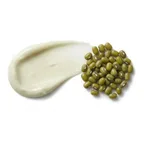 Vigna Radiata Seed Extract
 Niacinamide
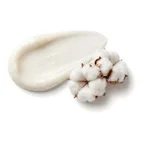 Gossypium Herbaceum Extract
 Tocopherol
High
- HighCombination Skin Fit
- HighEffectiveness
- HighSafety
One of the best sunscreens for acne-prone skin.
This fit is calculated for the concerns frequently associated with acne-prone skin: breakouts, blackheads, and post-acne marks. For scores and recommendations based on your full skin profile, including your 12D face scan results and any goals or preferences you have, please use the Lovi app.
Updated How the Fit score works
Lovi Assistant explains
- Highly suitable for your combination skin, niacinamide and sodium hyaluronate work synergistically to regulate sebum production and provide essential hydration, addressing your concerns with acne and blemishes.
- The inclusion of Vigna Radiata Seed Extract and other botanical extracts offers additional soothing and anti-inflammatory benefits, complementing the primary ingredients.
- This formula is safe for your skin, containing no harsh or prohibited ingredients and offering excellent sun protection without irritation.
Buy online


Prices checked 20 Nov 2026
The Lovi Fit is the same in every country; only the stores and prices differ, and the ones here are for India.
How to apply
- Apply this moisturizing sunscreen AM every morning as the final step of your daily routine.
- Layer the moisturizing sunscreen after your moisturizer has fully absorbed, right before heading out into the sun .
- Smooth a nickel-sized amount of the moisturizing sunscreen evenly over your face, avoiding harsh rubbing.
- Apply the moisturizing sunscreen onto clean, dry skin to ensure even coverage and protection.
- Perform a patch test before first use and avoid direct contact with the eyes.
People Say
★4.6Overall rating based on 1.5k+ reviewsThis sunscreen is praised for its very hydrating, lightweight, and watery texture that absorbs quickly without leaving a white cast, making it suitable for dry, normal, and sensitive skin. It also performs well under makeup. Some users with oily skin report a shiny finish after several hours, and a few experienced eye stinging or found the botanical fragrance too strong. This summary is based on a very large amount of data and should be definitely taken into account.
Highlights
Lightweight watery texture Mostly Mentioned
- “It's genuinely watery, not a thick cream, not a gel, but something in between that spreads across skin almost effortlessly.”
- “Lightweight, hydrating essence formula absorbs beautifully and feels like it sinks in quickly.”
- “This sunscreen is so light and thin without being oily like some others I've tried.”
- “It's thin and easy to apply, more like a sun milk than a cream.”
No white cast Mostly Mentioned
- “Zero white cast on all skin tones tested.”
- “There's no white cast, so it seems like a great option for guys who want to get into skincare too.”
- “Absorbs completely clear with no white or gray residue.”
- “Doesn't leave any white cast. It is very light weight.”
Highly hydrating Often Mentioned
- “It's genuinely so hydrating that anyone with dry skin is going to love it.”
- “This sunscreen feels more like a moisturizing cream than a sunblock.”
- “On days I skipped moisturizer and just used this over my serum, my skin still felt comfortable and hydrated.”
- “It's very hydrating, spreads smoothly, and I love how it absorbs.”
Good under makeup Sometimes Noted
- “My foundation sat on top of it without pilling or sliding.”
- “It's comfortable to apply and not too thick, so it could work well as a makeup base too!”
- “I like to mix a little bit of my foundation in it and I really like that it doesn't leave a white cast.”
- “The watery base actually seemed to help my makeup adhere better.”
Strong botanical scent Sometimes Noted
- “The fragrance is also pretty strong.”
- “The one negative part is the scent is quite strong for me. Smells like plant.”
- “It does have a rather strong scent, but it wears off.”
- “It has a noticeable scent, which can be hit or miss depending on personal preference.”
Occasional pilling Rarely Noted
- “When I apply it a second time on top, I notice some pilling.”
- “When used with a hydrating cushion foundation, it doesn't adhere well at all - everything just smears and it's a mess.”
- “I try to use about two finger-lengths worth of product, but when I apply it a second time on top, I notice some pilling.”
Shiny on oily skin Rarely Noted
- “By the 5-6 hour mark on hot days, my T-zone was looking a bit shiny.”
- “It does make my oily skin feel actually dry after an hour of wear.”
- “If you have a very oily T-zone, you may notice some shine after 5-6 hours.”
- “After applying it all over, the richness feels quite heavy and leaves me feeling uncomfortable.”
Stings the eyes Rarely Noted
- “Sometimes stings my eyes.”
- “I do notice that it may sting a bit when I sweat and the sunscreen gets in my eye.”
- “Really like the texture and how it sinks into the skin but it really stings my eyes.”
- “It caused tingling and was so irritating that I couldn't use it.”
Sources: lovi.care, hwahae.com, iherb.com, koreanskincare.com, mimo-mimo.com, boots.com, and more
Questions and answers
What makes TOCOBO Bio Watery Sun Cream a great fit for acne-prone skin?
TOCOBO Bio Watery Sun Cream is a great fit for your acne-prone skin because niacinamide and sodium hyaluronate help balance oil and keep your skin hydrated without causing breakouts. Vigna Radiata Seed Extract adds soothing benefits to help keep your skin calm and clear while providing sun protection safely and without irritation.
Which ingredients make this cream a good fit for acne-prone skin?
This cream is a great fit for acne-prone skin because niacinamide and sodium hyaluronate help balance oil and keep skin hydrated, while Vigna Radiata Seed Extract provides soothing benefits without irritation.
The Science of the Total Environment, 2022The British Journal of Dermatology, 2002
What does Hyaluronic Acid do for acne-prone skin?
Hyaluronic acid helps acne-prone skin by delivering soothing hydration and supporting targeted treatments without clogging pores. It may also improve the appearance of depressed acne scars when used in professional treatments.
What does Mung Bean Extract do for acne-prone skin?
Mung bean extract helps acne-prone skin by providing soothing antioxidants and fighting bacteria that can cause breakouts. Research shows that plant extracts containing mung bean can reduce inflammation and calm irritated skin.
Gels, 2023International Journal of Biological Macromolecules, 2025
Where does this cream go in a skincare routine for acne-prone skin?
This cream goes last in your morning skincare routine after your moisturizer, providing you with sun protection and hydration without irritation. Niacinamide and sodium hyaluronate help regulate oil and calm blemishes.
International Journal of Cosmetic Science, 2020Drug Delivery, 2017
Can I use this cream with retinol, and in what order?
You can use this moisturizing spf during the day when you use retinol at night, as its soothing ingredients and lack of harsh components help protect your skin without irritation.
How often should I use this cream?
This cream is suitable for daily use as the final step of your morning routine to protect your skin from the sun while keeping it hydrated. Regular daily application helps manage oil production and soothe blemishes without causing irritation.
Can this cream clog pores, cause breakouts or purging for acne-prone skin?
This cream is a great fit for acne-prone skin because niacinamide and hyaluronic acid help control excess oil while providing hydration, and it contains botanical extracts that soothe irritation. It is very unlikely to clog pores or cause breakouts since it has a safe formula with no harsh ingredients.
The Science of the Total Environment, 2022The British Journal of Dermatology, 2002
Is this cream fragrance-free and alcohol-free?
Yes, it has no fragrance and no drying alcohol. Cetearyl alcohol is a fatty alcohol, which soften the skin.
What the research says
Phenolic extracts and compounds from mung bean hull protected HaCaT and HSF cells against H2O2-induced damage and aging, with the ethyl acetate extract, isovitexin, and vitexin providing the greatest protection by modulating oxidative stress and autophagy.
The Science of the Total Environment, 2022Vitexin isolated from Acer palmatum inhibited superoxide and DPPH radicals by about 70% and 60% respectively at 100 microg/mL, and effectively scavenged intracellular ROS in UVB-irradiated human dermal fibroblasts.
Archives of Pharmacal Research, 2005Niacinamide significantly decreased hyperpigmentation and increased skin lightness compared with vehicle alone after 4 weeks of use in women by inhibiting melanosome transfer.
The British Journal of Dermatology, 2002Optimized transfersomes loaded with epigallocatechin-3-gallate and hyaluronic acid increased cell viability while reducing lipid peroxidation, intracellular ROS, and MMP expression in HaCaT cells, and exhibited higher skin permeation and deposition compared to plain EGCG.
Drug Delivery, 2017Treatment with a combination of niacinamide and hyaluronic acid improved skin aging signs and demonstrated a senomorphic effect by decreasing SASP and autocrine signaling genes in women.
Scientific Reports, 2024Topical application of 0.1% hyaluronic acid formulations of different molecular weights led to significant improvements in skin hydration and elasticity, with low-molecular-weight formulations also significantly reducing wrinkle depth in seventy-six female subjects compared to a vehicle control.
Journal of Drugs in Dermatology, 2011Topical hyaluronic acid serum used twice daily by 40 females with facial photoaging produced an immediate 134% increase in skin hydration, a sustained 55% increase at week 6, and significant improvements in smoothness, plumping, fine lines, wrinkles, and global appearance without causing irritation.
Dermatology and Therapy, 2021A topical antioxidant serum significantly reduced air pollution-induced skin pigmentation and proinflammatory gene expression ex vivo, and improved skin aging signs in 40 healthy adult females after 90 days of daily use.
Journal of Cosmetic Dermatology, 2022Mung bean sprout aqueous extracts demonstrated excellent antioxidant properties with DPPH radical scavenging rates above 85% and chelation abilities approaching 80%, alongside demonstrated safety in red blood cell, CAM, and human skin patch tests.
Journal of Cosmetic Science, 2014A combination of five-colored plants (mung bean, white truffle, black truffle, chrysanthemum, and Lycium barbarum) at 0.5% concentration improved fibroblast wound healing by 59.89%, reduced cellular senescence markers by 76.32%, and increased epidermal thickness and collagen levels in an ex vivo skin model compared to a negative control.
Clinical, Cosmetic and Investigational Dermatology, 2025A formulated polyherbal gel using Aloe barbadensis and Vigna radiata extract demonstrated antimicrobial activity against Staphylococcus aureus, Escherichia coli, and Candida albicans.
Gels, 2023Topical nicotinamide prevented solar-simulated UV-induced immunosuppression in healthy volunteers, and men experienced immunosuppression at solar-simulated UV doses three times lower than those required for women.
The Journal of Investigative Dermatology, 2008Topical 5% niacinamide applied twice daily for 12 weeks reduced fine lines and wrinkles, hyperpigmented spots, red blotchiness, and skin sallowness, and improved skin elasticity compared to vehicle control in 50 female white subjects with facial photoaging.
Dermatologic Surgery, 2005Topical 2% niacinamide significantly decreased sebum excretion rate in Japanese individuals and casual sebum levels in Caucasian individuals compared to placebo or baseline.
Journal of Cosmetic and Laser Therapy, 2006Topical application of an antioxidant serum containing 15% ascorbic acid, 0.5% ferulic acid, and 1% tocopherol prevented particulate matter-induced degradation of extracellular matrix components, inflammation, and oxidative stress in the skin of 15 female volunteers compared to untreated controls.
Journal of Cosmetic Dermatology, 2025Dermatological products containing d-alpha tocopheryl acetate showed non-comedogenic potential with less than a 50% increase in microcomedones in 12 healthy male subjects compared to octyl palmitate.
Contemporary Clinical Trials Communications, 2021Topical application of an antioxidant mix containing 15% ascorbic acid, 0.5% ferulic acid, and 1% tocopherol prevented PM and UV-induced skin barrier perturbation, lipid peroxidation, inflammatory markers, MMP9 activation, and Type I collagen loss in 15 healthy females compared to untreated exposed skin.
Journal of Cosmetic Dermatology, 2024
Ingredients
Water, Dibutyl Adipate, Propanediol, Ethylhexyl Triazone, Terephthalylidene Dicamphor Sulfonic Acid, Polyglyceryl-3 Distearate, Niacinamide, Tromethamine, Cetearyl Alcohol, 1,2-Hexanediol, Diethylamino Hydroxybenzoyl Hexyl Benzoate, Pentylene Glycol, Polysilicone-15, Vigna Radiata Seed Extract, Gossypium Herbaceum Extract, Sophora Flavescens Root Extract, Rheum Palmatum Stalk Extract Root, Scutellaria Baicalensis Root Extract, Phellodendron Amurense Bark Extract, Oenothera Biennis Flower Extract, Ulmus Davidiana Root Extract, Pinus Palustris Leaf Extract, Pueraria Lobata Root Extract, Sodium Hyaluronate, Gossypium Herbaceum Seed Oil, Polymethylsilsesquioxane, Sodium Polyacryloyldimethyl Taurate, Glyceryl Stearate, Bis-Ethylhexyloxyphenol Methoxyphenyl Triazine, Potassium Cetyl Phosphate, Glycerin, Glyceryl Stearate Citrate, Inulin Lauryl Carbamate, Ammonium Acryloyldimethyltaurate Vp Copolymer, Ethylhexylglycerin, Adenosine, Butylene Glycol, Tocopherol
Behind this fit score
Lovi calculates every fit score from the full ingredient list with brand-independent rules our dermatologists and cosmetic chemists build and review, and personalizes every pick with AI trained on the real results of millions of users. Lovi trains its fit score models on a proprietary dataset built from more than 10,000 expert-labeled products and more than 100,000 simulated examples, following an internally consistent methodology presented at Cosmoprof, AMWC, and Skin of Color Update.
-

Co-founder, Medical Director
Cosmetic chemist, cosmetologist, aesthetic products developer
-

Co-founder, CEO and CTO
PhD in computer science, 3x US patent holder, ex-Google, ex-Yandex
-

Dr. Sofía Perea Pérez, MD, MSc
Medical Board
Aesthetic medicine practitioner, MSc in Longevity and Anti-Aging Medicine
-

Medical Board
Specialist dermatologist, MBBS, MD, IFAAD
-

Medical Board
Cosmetic chemist, SCS, IFSCC member
-

Medical Board, Medical Advisor
Dermatology MD
-

Elina Nazarenko, MD
Medical Board
Dermatology and diagnostic consultant
-

Victoria Derkova, MS
Medical Board
Cosmetic chemist, cosmetic development technologist


How does it fit your skin?
Scan your face, then any product: Lovi shows how well it fits you and what fits even better.