
The Ordinary Retinol 1% in Squalane for skin with dark spots

 Retinol
 Squalane
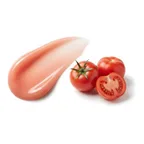 Solanum Lycopersicum Fruit Extract Tomato Fruit Extract
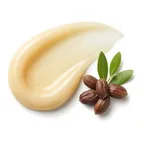 Jojoba Seed Oil
 Bht
Average
- HighNormal Skin Fit
- AverageEffectiveness
- Low RiskSafety
Works for skin with dark spots; other serums fit it better.
This fit is calculated for the concerns frequently associated with dark spots: hyperpigmentation, sun spots, and uneven skin tone. For scores and recommendations based on your full skin profile, including your 12D face scan results and any goals or preferences you have, please use the Lovi app.
Updated How the Fit score works
Lovi Assistant explains
- Suitable for normal skin, this formula utilizes retinol for collagen stimulation and squalane for emollient action, providing moderate anti-aging benefits by minimizing fine lines and wrinkles.
- While squalane and jojoba seed oil offer general hydration, their benefits are largely supportive and do not directly address your primary concern of pigmentation.
- The product is generally safe for your normal skin, with a low risk of irritation due to the presence of retinol.
How to apply
- Apply this serum as part of your PM routine starting 3x/week and build up to daily use if your skin likes it.
- Place the serum after cleansing and toning, but before your moisturizer.
- Gently press 2-3 drops of the serum into your skin and wait a minute for it to absorb.
- Apply the serum on dry skin to help fade pigmentation effectively.
- Avoid the eye area and always use SPF 30+ during the day.
People Say
★4.4Overall rating based on 700+ reviewsThis water-free serum is widely praised by users with dry or mature skin for its ability to deeply hydrate while delivering potent anti-aging benefits, such as reduced fine lines and smoother texture. Its oil-based squalane formula is frequently described as heavy or greasy, making it a polarizing choice for those with oily or acne-prone skin who often struggle with absorption.
Highlights
Highly affordable Mostly Mentioned
- “Can't beat the price”
- “High potency at a low price”
Greasy/oily finish Mostly Mentioned
- “Face feels like an oil slick”
- “Doesn't fully absorb”
- “Too greasy for oily skin”
Improves skin texture Often Mentioned
- “Wake up to smoother skin”
- “Gives the skin a glow”
- “Texture is much softer”
Moisturizing base Often Mentioned
- “Never feels dry”
- “Squalane keeps it moisturizing”
- “Great for dry skin types”
Effective anti-aging Sometimes Noted
- “Fewer fine lines”
- “Visible plumping effect”
- “Cheeks looked fuller”
Irritation & sensitivity Sometimes Noted
- “Left skin dry and itchy”
- “Caused red patches”
- “Too strong for beginners”
Short shelf life Rarely Noted
- “Have to keep in fridge”
- “Goes bad fast”
- “Only lasts 3 months”
Unpleasant scent Rarely Noted
- “Smells like cooking oil”
- “Faint earthy scent”
- “Off-putting tomato extract smell”
Sources: lovi.care, theordinary.com, sephora.uk, cultbeauty.co.uk, amazon.com, and more
Questions and answers
How well does The Ordinary Retinol 1% in Squalane work for skin with dark spots?
This product works for skin with dark spots, though other products fit it better because its oils and squalane offer general hydration rather than directly targeting pigmentation. A treatment for dark spots needs a blend of effective antioxidants and soothing ingredients that provide significant benefits for pigmentation concerns without any risk of irritation.
Which ingredients make this serum a good fit for skin with dark spots?
Retinol makes this serum a fit for your skin by offering moderate anti-aging benefits, while squalane and jojoba seed oil provide general hydration. Because these hydrating ingredients do not directly target dark spots, a product of this type needs effective antioxidants and soothing ingredients that fade dark spots without irritation.
What does Retinol do for skin with dark spots?
Retinol helps fade dark spots and uneven pigmentation while smoothing out fine lines. Using a product with retinol may also cause some temporary skin scaling or stinging as it works.
The British Journal of Dermatology, 2019Journal of Drugs in Dermatology, 2016
What does Squalane do for skin with dark spots?
Squalane helps protect skin from sun damage that can lead to dark spots. While squalene can sometimes form peroxides under UV light that cause dark spots, stable squalane acts as an antioxidant to help keep skin calm and even-toned.
Antioxidants, 2025Biological & Pharmaceutical Bulletin, 2009
Where does this serum go in a skincare routine for skin with dark spots?
Apply this treatment serum in the evening. Skincare routines for this skin need targeted brightening ingredients that directly fade dark spots.
Can I use it with vitamin C, and in what order?
Use vitamin C and this treatment apart: in different sessions of the same day or on different days. To successfully fade dark spots and brighten skin, a product for this skin needs targeted brightening ingredients like vitamin C, niacinamide, or alpha arbutin alongside retinol.
How often should I use this serum?
This serum works for skin with dark spots, though other products fit it better because its hydrators do not directly target dark spots and it needs dedicated brightening ingredients like vitamin C or niacinamide. Use it in your evening routine as a treatment step. It is generally safe with a low risk of irritation.
Can it clog pores, cause breakouts or purging for skin with dark spots?
This product may cause breakouts, purging, or skin irritation due to the retinol it contains, and reviewers frequently mention a greasy or oily finish that can feel heavy on the skin. A product for dark spots needs targeted brightening ingredients and a lightweight texture that does not leave an oily layer.
Is this serum fragrance-free and alcohol-free?
Yes, it has no fragrance and no drying alcohol.
What the research says
Topical application of retinol and retinoic acid both increased epidermal thickness and upregulated collagen genes and proteins in human skin, with retinol producing similar histological and molecular changes to retinoic acid alongside a significant reduction in facial wrinkles after 12 weeks.
Journal of Cosmetic Dermatology, 2016Topical application of jojoba wax reduced LPS-induced secretion of IL-6, IL-8, and TNFα by approximately 30% and increased the synthesis of pro-collagen III and hyaluronic acid compared to untreated skin in an ex-vivo human skin organ culture model.
Frontiers in Pharmacology, 2024Topical bakuchiol 0.5% applied twice daily compared with retinol 0.5% applied daily significantly decreased wrinkle surface area and hyperpigmentation with no statistical difference between the compounds in 44 patients over 12 weeks, while retinol users reported more facial skin scaling and stinging.
The British Journal of Dermatology, 2019Topical 0.3% and 1% retinol comparably improved biomarkers of cutaneous photoageing in photoaged volunteers, while 0.3% retinol demonstrated better tolerance with fewer and milder adverse events compared to 1% retinol in a daily escalation regimen.
International Journal of Cosmetic Science, 2022Daily application of 0.3% and 0.5% retinol serums in 37 volunteers over 12 weeks reduced skin hyperpigmentation, unevenness, and wrinkles on both sides of the face, with the 0.5% concentration causing more frequent and intense skin irritation.
Skin Pharmacology and Physiology, 2020Topical application of 0.1% retinol induced CRABP2 and HBEGF gene expression, increased keratinocyte proliferation and epidermal thickness ex vivo, and improved major skin aging signs without significant adverse reactions in 48 volunteers compared to placebo.
Skin Pharmacology and Physiology, 2009Application of fullerene-C60 dissolved in squalane cream twice daily for 8 weeks significantly enhanced skin moisture and reduced wrinkle formation compared to placebo in 23 Japanese women without severe side effects.
Journal of Nanoscience and Nanotechnology, 2010Squalane at 0.005-0.015% counteracts UVA-induced oxidative stress, inflammation, and collagen metabolism inhibition while stimulating fibroblast migration in human dermal fibroblasts.
Molecules, 2025Plant-derived squalane protected human dermal fibroblasts against UVA-induced damage by counteracting ROS formation, suppressing apoptosis-related proteins p53, caspase-3, caspase-9, and PARP, and restoring the pro-survival p-Akt/mTOR pathway.
Antioxidants, 2025Topical formulations containing 3.75% glycerol and 1.25% hydrolyzed jojoba esters produced significantly lower evaporative TEWL values compared to glycerol alone at 8 and 24 hours posttreatment in human subjects.
Journal of Cosmetic Dermatology, 2008Topical application of 1.0% Lactobacillus ferment from jojoba cake significantly increased skin collagen fluorescence compared to baseline and placebo cream over 56 days in 46 individuals.
International Journal of Cosmetic Science, 2026Clay jojoba oil facial masks reduced total skin lesions by a mean of 54% after 6 weeks in 133 participants with acne-prone, lesioned skin and mild acne compared to baseline.
Forschende Komplementarmedizin, 2012Butylated hydroxytoluene, vitamin E, and vitamin C inhibited intracellular ROS and glycation products in dermal fibroblasts and three-dimensional skin models, with vitamin C showing the most pronounced benefits at lower concentrations.
International Journal of Cosmetic Science, 2025Organic peroxides produced free radicals via oxidative and reductive pathways in isolated murine keratinocytes, while antioxidants BHA and BHT decreased radical adduct production, with BHA being more effective.
Carcinogenesis, 1993Topical alpha-tocopherol and butylated hydroxytoluene decreased UV-A-induced photobinding of 8-methoxypsoralen to epidermal DNA and proteins in Wistar rats, while butylated hydroxytoluene protected against and alpha-tocopherol enhanced binding to lipids.
Archives of Toxicology, 1991
Why other serums fit skin with dark spots better
Niacinamide significantly decreased hyperpigmentation and increased skin lightness compared with vehicle alone after 4 weeks of use in women by inhibiting melanosome transfer.
The British Journal of Dermatology, 2002Treatment with 14% ferulic acid and 12% l-ascorbic acid significantly reduced pigmentation and erythema while improving hydration and elasticity in 20 women with photoaged skin, with neither acid proving definitively more effective overall though ascorbic acid showed slightly greater skin lightening.
Dermatologic Therapy, 2022Topical treatment of nicotinamide, alone or in combination with other active ingredients, reduces the progression of skin aging and hyperpigmentation in clinical trials while being well tolerated.
Antioxidants, 2021
Ingredients
Squalane, Caprylic Capric Triglyceride, Retinol, Solanum Lycopersicum Fruit Extract Tomato Fruit Extract, Jojoba Seed Oil, Bht, Hydroxymethoxyphenyl Decanone, Rosmarinus Officinalis Leaf Extract Rosemary Leaf Extract
Behind this fit score
Lovi calculates every fit score from the full ingredient list with brand-independent rules our dermatologists and cosmetic chemists build and review, and personalizes every pick with AI trained on the real results of millions of users. Lovi trains its fit score models on a proprietary dataset built from more than 10,000 expert-labeled products and more than 100,000 simulated examples, following an internally consistent methodology presented at Cosmoprof, AMWC, and Skin of Color Update.
-

Co-founder, Medical Director
Cosmetic chemist, cosmetologist, aesthetic products developer
-

Co-founder, CEO and CTO
PhD in computer science, 3x US patent holder, ex-Google, ex-Yandex
-

Dr. Sofía Perea Pérez, MD, MSc
Medical Board
Aesthetic medicine practitioner, MSc in Longevity and Anti-Aging Medicine
-

Medical Board
Specialist dermatologist, MBBS, MD, IFAAD
-

Medical Board
Cosmetic chemist, SCS, IFSCC member
-

Medical Board, Medical Advisor
Dermatology MD
-

Elina Nazarenko, MD
Medical Board
Dermatology and diagnostic consultant
-

Victoria Derkova, MS
Medical Board
Cosmetic chemist, cosmetic development technologist


How does it fit your skin?
Scan your face, then any product: Lovi shows how well it fits you and what fits even better.