
The History of Whoo Bichup Self-Generating Anti-Aging Concentrate for acne-prone skin

 Niacinamide
 Ceramide Np
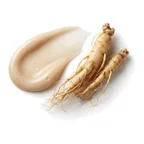 Panax Ginseng Root Extract
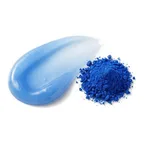 Copper Tripeptide-1
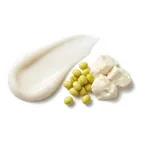 Hydrolyzed Soy Protein
Average
- HighCombination Skin Fit
- AverageEffectiveness
- HighSafety
Works for acne-prone skin; other serums fit it better.
This fit is calculated for the concerns frequently associated with acne-prone skin: breakouts, blackheads, and post-acne marks. For scores and recommendations based on your full skin profile, including your 12D face scan results and any goals or preferences you have, please use the Lovi app.
Updated How the Fit score works
Lovi Assistant explains
- Offers moderate anti-aging benefits for your combination skin due to oligopeptides and acetyl hexapeptide-8, which help minimize fine lines and wrinkles.
- While glycerin and biosaccharide gum-1 provide hydration, the formula lacks targeted ingredients for your acne, blemishes, and breakouts.
- The product is safe for your combination skin with no risks of irritation from harsh ingredients.
How to apply
- Use your serum as part of your PM routine and start 3x/week before working up to daily use.
- Apply this treatment after cleansing and toner, and before your moisturizer.
- Gently press 2-3 drops of the serum into your skin and let it absorb for a minute.
- Apply the product on clean, dry skin to help manage your breakouts safely.
- Avoid the eye area and do a patch test before your first use.
People Say
★4.5Overall rating based on 100+ reviewsMany users report plumper, firmer skin with diminished fine lines. However, some find the texture sticky and the floral fragrance overpowering.
Highlights
Deep hydration Often Mentioned
- “Deeply hydrates & locks in moisture”
- “Skin feels soft and silky”
- “Eliminates dryness immediately”
Radiant glow Often Mentioned
- “Gives a radiant glow”
- “Skin looks dewier and brighter”
- “Restores youthful complexion”
Strong fragrance Often Mentioned
- “Scent lingers for hours”
- “Overwhelming powdery floral smell”
- “Smells like grandma's perfume”
Plumping effect Sometimes Noted
- “Face looks lifted and firm”
- “Fine lines are less noticeable”
- “Skin feels bouncier and resilient”
Soothing & healing Sometimes Noted
- “Helps skin recover from stress”
- “Reduces redness effectively”
High price Sometimes Noted
- “Very expensive for the amount”
- “Pricey investment”
- “Not affordable for everyone”
Sticky texture Sometimes Noted
- “Leaves a tacky finish”
- “Feels heavy and sticky”
- “Hair sticks to face”
Awkward packaging Rarely Noted
- “Bottle is fat and hard to hold”
- “Dispenser pumps too little”
- “Heavy bottle design”
Sources: lovi.care, asianbeautywholesale.com, influenster.com, reddit.com, kaoriskincare.com, whatsinmyjar.com, and more
Questions and answers
How well does Whoo Bichup Anti-Aging Concentrate work for acne-prone skin?
This concentrate works moderately well for acne-prone skin, though other treatments fit it better because it lacks targeted ingredients for breakouts. Acne-prone skin needs a product with effective ingredients like niacinamide and propolis that provide excellent skincare benefits for blemishes while controlling oiliness.
Which ingredients make this serum a good fit for acne-prone skin?
This serum works for acne-prone skin because it contains niacinamide, though other products fit this skin type better. To truly support acne-prone skin, a product of this type needs effective ingredients like niacinamide and propolis or zinc PCA that target blemishes and breakouts while providing balanced hydration without excess oiliness.
What does Niacinamide do for acne-prone skin?
Niacinamide helps acne-prone skin by reducing both inflamed and uninflamed breakouts and calming redness. It is also very helpful for keeping oily skin balanced by cutting down on excess oil production, and it is well tolerated by most people.
What do Ceramides do for acne-prone skin?
Ceramides help restore the skin barrier, which is often weakened in acne-prone skin, and reduce the dryness, redness, and irritation caused by acne treatments. Using them in your routine may also help lower breakouts and keep the skin calm and smooth.
Journal of Drugs in Dermatology, 2023Archives of Dermatological Research, 1995
Where does this serum go in a skincare routine for acne-prone skin?
This treatment goes in the evening routine after cleansing and before moisturizing. Acne-prone skin needs a product of this type that also includes targeted blemish-fighting ingredients such as salicylic acid or benzoyl peroxide.
Can I use this serum with retinol, and in what order?
You can use this treatment with retinol by applying the serum first, waiting for it to absorb, and then following with your retinol product. This approach helps keep your skin calm while supporting your anti-aging routine, though this product type needs ingredients like salicylic acid or benzoyl peroxide to properly target acne-prone skin.
How often should I use this serum?
You can use this treatment in the evening as part of your routine. While it offers moderate anti-aging benefits, acne-prone skin needs soothing and blemish-clearing ingredients like salicylic acid, tea tree oil, or azelaic acid to effectively manage breakouts.
Can this serum clog pores, cause breakouts or purging for acne-prone skin?
This serum works for acne-prone skin, though other products fit it better because this formula lacks targeted ingredients to help clear blemishes and breakouts. To properly care for acne-prone skin, a product of this type needs blemish-clearing ingredients like salicylic acid or soothing botanical extracts to help keep pores clear.
What the research says
Argireline treatment twice daily for 4 weeks produced a significant anti-wrinkle effect with 48.9% total efficacy and decreased skin roughness in Chinese subjects compared with 0% efficacy and no decrease in roughness in the placebo group.
American Journal of Clinical Dermatology, 2013Treatment with cross-linked hyaluronic acid-based microneedle patches combined with acetyl hexapeptide-8 or epidermal growth factor significantly improved wrinkles and skin hydration compared to the patch alone in Korean females over 29 days.
Annals of Dermatology, 2019Argireline applied twice daily for 4 weeks achieved a total anti-wrinkle efficiency of 48.9% and notably reduced wrinkle depth compared to placebo in Chinese subjects.
Journal of Cosmetic and Laser Therapy, 2013A single application of a moisturizing fluid containing hyaluronic acid 1%, glycerin 5%, and Centella asiatica stem cells extract significantly increased skin hydration by 29% and reduced transepidermal water loss at 24 hours compared to baseline and an untreated control site in twenty healthy women.
Clinical, Cosmetic and Investigational Dermatology, 2017Topical nicotinamide prevented solar-simulated UV-induced immunosuppression in healthy volunteers, and men experienced immunosuppression at solar-simulated UV doses three times lower than those required for women.
The Journal of Investigative Dermatology, 2008Topical 5% niacinamide applied twice daily for 12 weeks reduced fine lines and wrinkles, hyperpigmented spots, red blotchiness, and skin sallowness, and improved skin elasticity compared to vehicle control in 50 female white subjects with facial photoaging.
Dermatologic Surgery, 2005Topical 2% niacinamide significantly decreased sebum excretion rate in Japanese individuals and casual sebum levels in Caucasian individuals compared to placebo or baseline.
Journal of Cosmetic and Laser Therapy, 2006Ceramide and niacinamide-containing moisturizer combined with anti-acne treatment significantly improved non-inflammatory, inflammatory, and total acne lesions compared to hydrophilic cream in 40 patients with mild to moderate acne vulgaris after 8 weeks.
Journal of Cosmetic Dermatology, 2024Topical application of a pseudo-ceramide-containing spray improved stratum corneum water content, transepidermal water loss, cell area, and scaling score, and normalized the ceramide profile in patients with dry and sensitive skin compared to a control spray.
Journal of Cosmetic Dermatology, 2025Enzyme-modified ginseng extract cream significantly reduced the global photo-damage score and various roughness measures including total roughness, smoothness depth, and arithmetic roughness average compared to placebo in 23 human subjects.
Rejuvenation Research, 2015A red ginseng hydrogel formulation with 1,2-hexanediol promoted selective growth of Staphylococcus epidermidis and decreased Cutibacterium acnes in 20 female subjects.
Journal of Ginseng Research, 2022A cream containing 0.1% ginsenoside F1 demonstrated a skin-whitening effect on artificially tanned human skin after 8 weeks by enhancing interleukin-13 production from epidermal gamma-delta T cells, which subsequently suppressed tyrosinase and DCT expression and melanin synthesis in melanocytes.
Experimental Dermatology, 2014The combination of Thermus thermophilus and Bacillus subtilis mixed-culture ferment extract and copper tripeptide-1 GHK-Cu reduced inflammatory cytokines, protected skin explants from UV-induced damage, and improved wrinkles and skin barrier conditions compared to individual components or controls.
Skin Research and Technology, 2026
Why other serums fit acne-prone skin better
Topical UP256 cream containing 0.5% bakuchiol administered twice daily significantly reduced inflammatory lesions and improved acne-related post-inflammatory hyperpigmentation in 13 subjects with mild or moderate facial acne.
Journal of Drugs in Dermatology, 2021Co-delivery of paeonol and madecassoside via nanoemulsions improved transdermal delivery, promoted barrier repair proteins, inhibited inflammatory cytokine secretion in cellular and 3D models, and reduced transepidermal water loss and acne in human facial skin compared to free components.
Molecules, 2023A cream combining propolis, tea tree oil, and Aloe vera reduced erythema scars, acne severity index, and total lesion count better than erythromycin cream in sixty patients with mild to moderate acne vulgaris compared to placebo.
Clinical Pharmacology, 2018
Ingredients
Water, Glycerin, Dipropylene Glycol, Peg Ppg Polybutylene Glycol-8 5 3 Glycerin, Glyceryl Polymethacrylate, Biosaccharide Gum-1, Dimethicone, 1,2-Hexanediol, Peg-150, Propylene Glycol, Phenyl Trimethicone, Panthenol, Methyl Trimethicone, Cordyceps Sinensis Extract, Nelumbo Nucifera Extract, Nuphar Japonicum Root Extract, Panax Ginseng Root Extract, Ophiopogon Japonicus Root Extract, Rehmannia Chinensis Root Extract, Poria Cocos Extract, Dioscorea Japonica Root Extract, Glycyrrhiza Glabra Root Extract Licorice Root Extract, Typha Angustifolia Spike Extract, Paeonia Albiflora Extract, Scutellaria Baicalensis Root Extract, Angelica Gigas Extract, Saposhnikovia Divaricata Root Extract, Atractylodes Japonica Root Extract, Cinnamomum Cassia Bark Extract, Zingiber Officinale Root Extract, Ziziphus Jujuba Fruit Extract, Angelica Acutiloba Root Extract, Cornus Officinalis Fruit Extract, Velvet Extract, Theobroma Cacao Extract, Thymus Vulgaris Extract, Hydroxyproline, Ceramide Np, Cholesterol, Arbutin, Oligopeptide-1, Oligopeptide-2, Oligopeptide-4, Hydrolyzed Soy Protein, Acetyl Hexapeptide-8, Copper Tripeptide-1, Arginine, Cystine, Histidine Hcl, Isoleucine, Leucine, Lysine, Methionine, Phenylalanine, Threonine, Tryptophan, Tyrosine, Valine, Biotin, Folic Acid, Inositol, Niacinamide, Calcium Pantothenate, Pyridoxine Hcl, Riboflavin, Thiamine Hcl, Cyanocobalamin, Glycosphingolipids, Beta-Glucan, Hydrogenated Lecithin, Peg-10 Rapeseed Sterol, Glyceryl Stearate, Glycereth-20, C14-22 Alcohols, Phytosqualane, Macadamia Ternifolia Seed Oil, Triethylhexanoin, Arachidyl Glucoside, Butyrospermum Parkii Butter Shea Butter, Stearic Acid, Peg-100 Stearate, Polymethylsilsesquioxane, Cyclopentasiloxane, Dimethiconol, Butylene Glycol, Peg-60 Hydrogenated Castor Oil, Carbomer, Algin, Sodium Polyacrylate, Acrylates C10-30 Alkyl Acrylate Crosspolymer, Sunset Yellow Fcf, Tartrazine, Tromethamine, Trisodium Edta, Alpha-Isomethyl Ionone, Benzyl Salicylate, Citronellol, Geraniol, Hydroxycitronellal, Limonene, Linalool
Behind this fit score
Lovi calculates every fit score from the full ingredient list with brand-independent rules our dermatologists and cosmetic chemists build and review, and personalizes every pick with AI trained on the real results of millions of users. Lovi trains its fit score models on a proprietary dataset built from more than 10,000 expert-labeled products and more than 100,000 simulated examples, following an internally consistent methodology presented at Cosmoprof, AMWC, and Skin of Color Update.
-

Co-founder, Medical Director
Cosmetic chemist, cosmetologist, aesthetic products developer
-

Co-founder, CEO and CTO
PhD in computer science, 3x US patent holder, ex-Google, ex-Yandex
-

Dr. Sofía Perea Pérez, MD, MSc
Medical Board
Aesthetic medicine practitioner, MSc in Longevity and Anti-Aging Medicine
-

Medical Board
Specialist dermatologist, MBBS, MD, IFAAD
-

Medical Board
Cosmetic chemist, SCS, IFSCC member
-

Medical Board, Medical Advisor
Dermatology MD
-

Elina Nazarenko, MD
Medical Board
Dermatology and diagnostic consultant
-

Victoria Derkova, MS
Medical Board
Cosmetic chemist, cosmetic development technologist


How does it fit your skin?
Scan your face, then any product: Lovi shows how well it fits you and what fits even better.