
Tatcha The Silk Cream for combination skin

 Glycerin
 Squalane
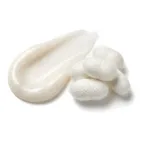 Hydrolyzed Silk
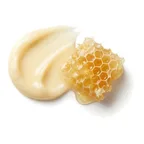 Royal Jelly Extract
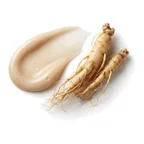 Panax Ginseng Root Extract
Average
- AverageCombination Skin Fit
- AverageEffectiveness
- HighSafety
Works for combination skin; other moisturizers fit it better.
This fit is calculated for the concerns frequently associated with combination skin: an oily T-zone, enlarged pores, and dry cheeks. For scores and recommendations based on your full skin profile, including your 12D face scan results and any goals or preferences you have, please use the Lovi app.
Updated How the Fit score works
Lovi Assistant explains
- Offers moderate suitability for your combination skin, as glycerin and squalane provide excellent moisturization and barrier support, but lacks specialized ingredients for optimal oil control on your oily areas.
- While the formula offers general hydration and soothing benefits, it does not directly address your concern of oily shine.
- The product is safe for your combination skin with no risks of irritation due to the absence of prohibited or harsh ingredients.
How to apply
- Use this moisturizer in your AM and PM routine every day to control shine. Always pair with SPF in the morning.
- Apply this moisturizer after your cleanser and toner, right before your morning SPF.
- Gently press a small amount of the moisturizer into your skin and avoid harsh rubbing. Let it ⏳absorb for a minute.
- Apply the moisturizer on slightly damp skin to help it lock in moisture better. This keeps your combination skin balanced.
- Avoid the eye area when applying the moisturizer. Do a patch test before your first use.
People Say
★4.5Overall rating based on 1.4k+ reviewsBased on a very large amount of data, users consistently praise this gel-cream moisturizer for its ability to provide deep hydration while remaining virtually weightless on the skin, making it a favorite for combination and dry skin types. Many report visibly smoother, firmer skin and a silky finish perfect for makeup application, though a significant number of reviewers debate whether the high price tag is justified compared to similar high-end alternatives.
Highlights
Weightless texture Mostly Mentioned
- “feels like a splash of water”
- “absorbs seamlessly”
- “rich yet feather-light”
- “non-greasy finish”
High price point Mostly Mentioned
- “way too expensive”
- “not worth the money”
- “overpriced for a moisturizer”
- “luxury splurge only”
Makeup compatibility Often Mentioned
- “sits perfectly under makeup”
- “no pilling”
- “foundation glides on”
- “acts like a primer”
Silky finish Often Mentioned
- “skin feels like silk”
- “satin finish”
- “smooths texture immediately”
- “soft to the touch”
Deep hydration Sometimes Noted
- “quenches thirsty skin”
- “plump and hydrated”
- “great for dry patches”
- “lasting moisture”
Insufficient for winter Sometimes Noted
- “not enough for winter”
- “need something heavier at night”
- “skin felt tight later”
- “better for summer”
Fragrance/irritation Rarely Noted
- “scent was too strong”
- “tingled/burned slightly”
- “redness after application”
Potential breakouts Rarely Noted
- “caused small bumps”
- “broke me out”
- “triggered acne”
- “clogged my pores”
Sources: lovi.care, kohls.com, walmart.com, spacenk.com, sephora.sg, byrdie.com, and more
Questions and answers
How well does Tatcha The Silk Cream work for combination skin?
Tatcha The Silk Cream offers moderate suitability for combination skin because glycerin and squalane provide great hydration, but it lacks specialized ingredients to control oily shine. A moisturizer for this skin needs targeted brightening and balancing ingredients to manage oil while keeping skin soft.
Which ingredients make this cream a good fit for combination skin?
Glycerin and squalane make this cream a good fit by providing excellent moisture and barrier support for your skin. However, to work best for combination skin, this type of product also needs ingredients that control oily shine.
What does Glycerin do for combination skin?
Glycerin helps keep combination skin soft and smooth by pulling moisture in and keeping it there. It improves hydration and supports your skin barrier, which is unlikely to cause irritation.
The British Journal of Dermatology, 2008Clinical, Cosmetic and Investigational Dermatology, 2017
What does Squalane do for combination skin?
Squalane helps keep combination skin soft and smooth by balancing moisture without feeling heavy or greasy. It supports the skin barrier and provides antioxidant protection, which may help keep the skin calm across both dry and oily areas.
Antioxidants, 2025International Journal of Molecular Sciences, 2017
Where does this cream go in a skincare routine for combination skin?
This moisturizing treatment goes after your hydrating toner and before your spf in the morning, and after your treatment and cleanser in the evening. Combination skin needs a product of this type that also includes ingredients for oil control to better balance both dry and oily areas.
Can I use this cream with retinol, and in what order?
You can use this cream with retinol, applying it after your retinol treatment to help soothe your skin and keep it soft. A moisturizer of this type for combination skin needs ingredients that also help balance oil and shine in your t-zone.
How often should I use this cream?
You can use this moisturizing treatment twice a day as part of your morning and evening routine. Daily application helps keep your skin soft and smooth while supporting your skin barrier.
Journal of Cosmetic Dermatology, 2020Health Science Reports, 2021
Can this cream clog pores, cause breakouts or purging for combination skin?
This cream is unlikely to clog pores or cause breakouts for your combination skin, as it has a low risk of causing breakouts according to reviews and contains no harsh ingredients. However, because it lacks oil control for oily areas, a product of this type needs lightweight ingredients like niacinamide or salicylic acid to help manage shine.
Can I use this cream around the eyes or on my body?
You can use this moisturizing treatment around the eyes and on the body, as its safe formula is unlikely to cause irritation. Because the skin on the eyelids is among the thinnest on the body, gentle products like this help keep it soft and comfortable.
Is this cream fragrance-free and alcohol-free?
It contains fragrance (parfum) and drying alcohol (alcohol).
What the research says
A single application of a moisturizing fluid containing hyaluronic acid 1%, glycerin 5%, and Centella asiatica stem cells extract significantly increased skin hydration by 29% and reduced transepidermal water loss at 24 hours compared to baseline and an untreated control site in twenty healthy women.
Clinical, Cosmetic and Investigational Dermatology, 2017Topical application of a vitamin C-squalene bioconjugate significantly increased epidermal thickness, type III collagen production, and glycosaminoglycans production in human skin explants compared to free vitamin C and vitamin C-palmitate.
Scientific Reports, 2020Applying an essence containing royal jelly extract significantly increased the stratum corneum water content of the cheeks compared to placebo in healthy Japanese adults over 4 weeks.
Journal of Cosmetic Dermatology, 2022Topical Hydroxydecine cream increased skin hydration by 28.8% at 7 days and 60.4% at 21 days in healthy human volunteers with UV-induced xerosis.
European Journal of Dermatology, 2011The emollient V0034CR significantly reduced TEWL compared to vehicle and vehicle plus glycerol, and significantly increased corneometry scores compared to vehicle and vehicle plus petrolatum in healthy volunteers with dry skin, demonstrating combined barrier function improvement from petrolatum and hydration improvement from glycerol.
Journal of Cosmetic Dermatology, 2020Ten days of treatment with a cream containing 20% glycerin significantly increased skin hydration measured by corneometer values in 17 healthy volunteers compared to a placebo cream, but showed no influence on transepidermal water loss or skin sensitivity to an irritating surfactant.
International Journal of Cosmetic Science, 2001Niacinamide/glycerin body moisturizers provided better rapid and prolonged improvement of cosmetic xerosis through functional improvement of stratum corneum barrier function compared to no treatment and conventional moisturizers in female subjects.
Journal of Drugs in Dermatology, 2012Application of fullerene-C60 dissolved in squalane cream twice daily for 8 weeks significantly enhanced skin moisture and reduced wrinkle formation compared to placebo in 23 Japanese women without severe side effects.
Journal of Nanoscience and Nanotechnology, 2010Squalane at 0.005-0.015% counteracts UVA-induced oxidative stress, inflammation, and collagen metabolism inhibition while stimulating fibroblast migration in human dermal fibroblasts.
Molecules, 2025Plant-derived squalane protected human dermal fibroblasts against UVA-induced damage by counteracting ROS formation, suppressing apoptosis-related proteins p53, caspase-3, caspase-9, and PARP, and restoring the pro-survival p-Akt/mTOR pathway.
Antioxidants, 2025Topical application of sericin gels increased skin intrinsic moisturization, hydroxyproline content, and epidermal hydration while decreasing transepidermal water loss and skin impedance in healthy human volunteers.
Journal of Cosmetic Dermatology, 2005Silk protein sericin from the non-mulberry tropical tasar silkworm offers protection against hydrogen peroxide-induced oxidative stress in skin fibroblasts, restoring cell viability and lowering catalase, lactate dehydrogenase, and malondialdehyde activity compared to untreated cells.
BMB Reports, 2008Sericin enhances the initial attachment and increases the living cell number of cultured human skin fibroblasts to 250% compared to a no-sericin control after 72 hours, with sericin M and its serine-rich repetitive domain acting as the active principles.
Bioscience, Biotechnology, and Biochemistry, 2005A prototype body cream containing bee venom, propolis, honey, beeswax, and royal jelly demonstrated stability for 90 days, high antioxidant capacity of 85.45%, lack of cytotoxicity with over 70% cell viability, and no irritation or allergic reaction in dermatological analysis, while improving skin parameters in a panel test.
Journal of Cosmetic Dermatology, 2022Royal jelly and its component 10-HDA increase procollagen type I and TGF-beta1 production in UVB-irradiated human skin fibroblasts, potentially protecting against photoaging.
Journal of Medicinal Food, 2011Royal jelly protects against epidermal stress caused by UVB and menadione through the upregulation of NQO1 expression by its active compound 10-hydroxy-2-decenoic acid.
International Journal of Molecular Sciences, 2021Enzyme-modified ginseng extract cream significantly reduced the global photo-damage score and various roughness measures including total roughness, smoothness depth, and arithmetic roughness average compared to placebo in 23 human subjects.
Rejuvenation Research, 2015A red ginseng hydrogel formulation with 1,2-hexanediol promoted selective growth of Staphylococcus epidermidis and decreased Cutibacterium acnes in 20 female subjects.
Journal of Ginseng Research, 2022A cream containing 0.1% ginsenoside F1 demonstrated a skin-whitening effect on artificially tanned human skin after 8 weeks by enhancing interleukin-13 production from epidermal gamma-delta T cells, which subsequently suppressed tyrosinase and DCT expression and melanin synthesis in melanocytes.
Experimental Dermatology, 2014
Why other moisturizers fit combination skin better
A panthenol-enriched mask improved skin hydration, regulated sebum, and reduced redness and TEWL across dry sensitive, oily sensitive, and oily acne skin subgroups with excellent tolerance and no adverse reactions.
Journal of Cosmetic Dermatology, 2024
Ingredients
Water, Saccharomyces Camellia Sinensis Cladosiphon Okamuranus Rice Leaf Ferment Filtrate, Glycerin, Propanediol, Cyclopentasiloxane, Squalane, Isononyl Isononanoate, Inositol, Sericin, Hydrolyzed Silk, Hydrolyzed Conchiolin Protein, Rubus Ellipiticus Root Extract, Rice Germ Oil, Panax Ginseng Root Extract, Royal Jelly Extract, Thymus Serpyllum Extract, Caprylic Capric Triglyceride, Sorbitan Stearate, Behenyl Alcohol, Stearic Acid, Hydrogenated Lecithin, Polyglyceryl-2 Triisostearate, Batyl Alcohol, Ethylhexylglycerin, Arginine, Bis-Behenyl Isostearyl Phytosteryl Dimer Dilinoleyl Dimer Dilinoleate, Carbomer, Xanthan Gum, Biosaccharide Gum-1, Sodium Hyaluronate, Parfum, Butylene Glycol, Alcohol, Phenoxyethanol
Behind this fit score
Lovi calculates every fit score from the full ingredient list with brand-independent rules our dermatologists and cosmetic chemists build and review, and personalizes every pick with AI trained on the real results of millions of users. Lovi trains its fit score models on a proprietary dataset built from more than 10,000 expert-labeled products and more than 100,000 simulated examples, following an internally consistent methodology presented at Cosmoprof, AMWC, and Skin of Color Update.
-

Co-founder, Medical Director
Cosmetic chemist, cosmetologist, aesthetic products developer
-

Co-founder, CEO and CTO
PhD in computer science, 3x US patent holder, ex-Google, ex-Yandex
-

Dr. Sofía Perea Pérez, MD, MSc
Medical Board
Aesthetic medicine practitioner, MSc in Longevity and Anti-Aging Medicine
-

Medical Board
Specialist dermatologist, MBBS, MD, IFAAD
-

Medical Board
Cosmetic chemist, SCS, IFSCC member
-

Medical Board, Medical Advisor
Dermatology MD
-

Elina Nazarenko, MD
Medical Board
Dermatology and diagnostic consultant
-

Victoria Derkova, MS
Medical Board
Cosmetic chemist, cosmetic development technologist


How does it fit your skin?
Scan your face, then any product: Lovi shows how well it fits you and what fits even better.