
Tatcha The Clarifying Clay Mask for acne-prone skin

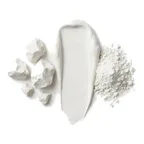 Kaolin
 Niacinamide
 Glycerin
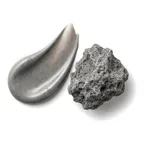 Volcanic Soil
 Camellia Sinensis Leaf Extract
Average
- AverageCombination Skin Fit
- AverageEffectiveness
- Low RiskSafety
Works for acne-prone skin; other cleansing masks fit it better.
This fit is calculated for the concerns frequently associated with acne-prone skin: breakouts, blackheads, and post-acne marks. For scores and recommendations based on your full skin profile, including your 12D face scan results and any goals or preferences you have, please use the Lovi app.
Updated How the Fit score works
Lovi Assistant explains
- Offers moderate suitability for your combination skin, as kaolin and bentonite clays help absorb excess oil and impurities to cleanse pores, though the inclusion of alcohol and fragrance may pose a mild irritation risk.
- While the mask provides general cleansing and hydration benefits, it lacks specialized ingredients to directly target your acne, blemishes, and breakouts for more focused treatment.
- The product is generally safe for your skin, with the primary concern being potential irritation from alcohol and fragrance components.
How to apply
- Use this cleansing mask during your PM weekly routine. Start 1x/week and increase if your skin tolerates it well.
- Apply this cleansing mask after using your pre-cleanser and cleanser , and before your hydrating toner.
- Spread an even layer of the cleansing mask over your face , avoiding any rubbing to protect your skin.
- Apply the cleansing mask to clean and dry skin to help clear up your blemishes effectively.
- Avoid the eye area and do a patch test before your first use.
People Say
★4.7Overall rating based on 1.4k+ reviewsBased on a very large amount of data, this mask is widely praised by users with oily and combination skin for its ability to decongest pores and absorb excess oil without leaving the skin feeling stripped or parched. Reviewers frequently highlight the unique "spa-like" experience created by its warming sensation and color-changing formula, noting that it leaves skin feeling exceptionally soft, smooth, and balanced after just a few minutes.
Highlights
Immediate smoothing Mostly Mentioned
- “baby butt soft”
- “skin felt clean and smooth”
- “refined texture”
- “smooths the skin.”
Non-drying & comfortable Mostly Mentioned
- “skin didn't feel parched but rather balanced”
- “never tight”
- “non-stripping clay mask”
- “felt comfortable.”
High price point Mostly Mentioned
- “stuff is not cheap”
- “hefty price tag”
- “expensive for a clay mask”
- “jar is small.”
Warming sensation Often Mentioned
- “warming sensation felt soothing”
- “distinctly spa-like”
- “warms on contact”
- “gentle heat.”
Color-changing indicator Sometimes Noted
- “color shifts from sage green to soft red”
- “reverse Statue of Liberty effect”
- “tells you when you've massaged enough.”
Quick application Sometimes Noted
- “quick mask”
- “only needed a few minutes”
- “3 minute recommended usage”
- “fast acting.”
Lack of dramatic results Rarely Noted
- “did not help whatsoever”
- “no change in breakouts”
- “didn't help resurface.”
Small quantity Rarely Noted
- “use up so fast”
- “small jar”
- “not much product.”
Strong fragrance Rarely Noted
- “heavily fragranced”
- “scent was overwhelming”
- “strong herbal smell.”
Sources: lovi.care, tatcha.com, sephora.sg, qvc.com, mecca.com, walmart.com, and more
Questions and answers
How well does Tatcha The Clarifying Clay Mask work for acne-prone skin?
This mask works reasonably well for acne-prone skin because clays like kaolin and bentonite help absorb excess oil and impurities to clear pores. However, it lacks targeted ingredients like salicylic acid or zinc oxide to actively treat breakouts, and a product for this skin needs those active blemish-fighters alongside soothing components to deliver top-tier results without irritation.
Which ingredients make this mask a good fit for acne-prone skin?
Kaolin and bentonite clays help absorb excess oil and impurities from acne-prone skin, while glycerin provides hydration. However, this mask needs dedicated blemish-fighting ingredients like salicylic acid and zinc oxide to target breakouts more directly.
What does Kaolin Clay do for acne-prone skin?
Kaolin clay helps absorb excess oil and calms redness in acne-prone skin with a strong safety profile. Using a clay mask twice a week may improve acne and skin evenness while keeping dryness under control.
Skin Research and Technology, 2023Archives of Dermatological Research, 2024
What does Niacinamide do for acne-prone skin?
Niacinamide helps acne-prone skin by reducing both inflamed and uninflamed breakouts and calming redness. It is also very helpful for keeping oily skin balanced by cutting down on excess oil production, and it is well tolerated by most people.
Where does it go in a skincare routine for acne-prone skin?
This cleansing mask fits into a weekly routine for acne-prone skin, where it is used after the cleanser and enzyme powder. Because this product offers only moderate suitability for your skin, acne-prone skin needs a cleansing mask with targeted blemish-fighting ingredients and a fragrance-free formula to prevent irritation.
Can I use this mask with retinol, and in what order?
You can use this mask in your weekly routine, but keep it on a separate night from your retinol to help prevent dry, irritated skin. When treating acne-prone skin, a mask of this type needs soothing ingredients and targeted breakout fighters to calm inflammation and clear blemishes effectively.
How often should I use it?
Use this cleansing mask once a week as part of your weekly routine, as clay masks help absorb excess oil and impurities. Because it contains alcohol and fragrance which may cause mild irritation, starting slowly helps monitor how your skin reacts.
Can this mask clog pores, cause breakouts or purging for acne-prone skin?
This mask is unlikely to clog pores since it contains clays that help absorb excess oil and impurities, though the added fragrance and alcohol may cause mild irritation for acne-prone skin. It lacks targeted blemish-fighting ingredients, so acne-prone skin needs a product with specialized active ingredients like salicylic acid or benzoyl peroxide to directly treat breakouts.
Is it fragrance-free and alcohol-free?
It contains fragrance (parfum, citral, limonene, and linalool) and drying alcohol (alcohol).
What the research says
A bentonite-based facial mask with Alcea sulphurea extract combined with oral azithromycin significantly reduced total lesion count and acne severity index while enhancing patient satisfaction in patients with moderate acne compared to placebo plus azithromycin over 8 weeks.
Journal of Cosmetic Dermatology, 2025User awareness of alcohol-based hand sanitizer composition, proper use, and precautions helps ensure maximum efficacy against pathogens while preventing hazards such as skin irritation and toxicities.
Germs, 2021Benzyl Alcohol, Benzoic Acid, and Sodium Benzoate can be used safely in cosmetic formulations at concentrations up to 5%, and Benzyl Alcohol is safe up to 10% in hair dyes, despite causing nonimmunologic contact reactions.
International Journal of Toxicology, 2001Vectorization of high molecular weight hyaluronic acid with clay enabled its penetration into deeper skin layers and led to a significant clinical reduction in fine lines in the crow's feet area compared to placebo after 28 days.
Skin Research and Technology, 2024Twice-weekly use of a clay mask over 4 weeks in 75 adults with oily or combination skin improved acne-related outcomes, sebum content, skin evenness, hydration, and reduced dryness and irritation.
Skin Research and Technology, 2023Palygorskite clay as a nanocarrier for tea tree oil achieved efficient loading, reduced acute contact toxicity, targeted antimicrobial effects against dermal pathogens, and pronounced clinical efficacy in treating facial acne compared to unformulated oil.
International Journal of Pharmaceutics, 2022Topical nicotinamide prevented solar-simulated UV-induced immunosuppression in healthy volunteers, and men experienced immunosuppression at solar-simulated UV doses three times lower than those required for women.
The Journal of Investigative Dermatology, 2008Topical 5% niacinamide applied twice daily for 12 weeks reduced fine lines and wrinkles, hyperpigmented spots, red blotchiness, and skin sallowness, and improved skin elasticity compared to vehicle control in 50 female white subjects with facial photoaging.
Dermatologic Surgery, 2005Topical 2% niacinamide significantly decreased sebum excretion rate in Japanese individuals and casual sebum levels in Caucasian individuals compared to placebo or baseline.
Journal of Cosmetic and Laser Therapy, 2006A single application of a moisturizing fluid containing hyaluronic acid 1%, glycerin 5%, and Centella asiatica stem cells extract significantly increased skin hydration by 29% and reduced transepidermal water loss at 24 hours compared to baseline and an untreated control site in twenty healthy women.
Clinical, Cosmetic and Investigational Dermatology, 2017The emollient V0034CR significantly reduced TEWL compared to vehicle and vehicle plus glycerol, and significantly increased corneometry scores compared to vehicle and vehicle plus petrolatum in healthy volunteers with dry skin, demonstrating combined barrier function improvement from petrolatum and hydration improvement from glycerol.
Journal of Cosmetic Dermatology, 2020Ten days of treatment with a cream containing 20% glycerin significantly increased skin hydration measured by corneometer values in 17 healthy volunteers compared to a placebo cream, but showed no influence on transepidermal water loss or skin sensitivity to an irritating surfactant.
International Journal of Cosmetic Science, 2001Clay jojoba oil facial masks reduced total skin lesions by a mean of 54% after 6 weeks in 133 participants with acne-prone, lesioned skin and mild acne compared to baseline.
Forschende Komplementarmedizin, 2012Topical clay application increased the number of collagen fibres in rat skin at 7 days compared with control skin (51.74% vs. 43.39%), but showed no further increase at 14 days.
Clinical and Experimental Dermatology, 2012Silesian healing clay deposits showed antimicrobial and bacteriostatic effects against Gram-positive streptococci and staphylococci, while stimulating fibroblast proliferation and inhibiting inflammatory cell growth in cell culture models.
Journal of Ethnopharmacology, 2025Topically formulated tea polyphenols show some benefit in reducing sebum secretion and treating acne vulgaris compared to baseline or control.
Antioxidants, 2016Topical application of tannase-converted green tea extract (TGE) significantly improved skin wrinkle indices and self-assessed wrinkle reduction compared to normal green tea extract (NGE) in human subjects over 8 weeks.
Journal of Cosmetic Dermatology, 2013An anti-acne hydrogel containing Aloe barbadensis, Garcinia mangostana, and Camellia sinensis extracts showed superior antiacne and antiblotch activities compared to 1% clindamycin gel in sixty subjects with mild-moderate acne.
Clinical, Cosmetic and Investigational Dermatology, 2019
Why other cleansing masks fit acne-prone skin better
Two percent supramolecular salicylic acid showed similar efficacy to 0.01% adapalene plus 5% benzoyl peroxide in reducing acne lesions in 31 patients over 28 days.
Cutaneous and Ocular Toxicology, 2019Treatment with 2% supramolecular salicylic acid hydrogel resulted in a regression and markedly improvement rate of 51.01% compared to 43.10% for Adapaline gel in patients with mild to moderate facial acne vulgaris, showing no significant difference in efficacy.
Journal of Cosmetic Dermatology, 2024
Ingredients
Glycerin, Butylene Glycol, Kaolin, Illite, Propanediol, Bentonite, Water, Glucomannan, Glyceryl Stearate Se, Hydroxyapatite, Behenyl Alcohol, Maris Sal Sea Salt Sel Marin, Stearyl Alcohol, Parfum, Saccharomyces Rice Ferment Filtrate, Camellia Sinensis Leaf Extract, Cladosiphon Okamuranus Extract, Dipotassium Glycyrrhizate, Niacinamide, Volcanic Soil, Quillaja Saponaria Bark Extract, Sapindus Mukorossi Peel Extract, Rosa Multiflora Fruit Extract, Belamcanda Chinensis Root Extract, Eriobotrya Japonica Leaf Extract, Houttuynia Cordata Extract, Tocopherol, Cellulose Acetate, Lauryl Glucoside, Capryloyl Glycine, Propylene Glycol Stearate, Magnesium Stearate, Acrylates Ammonium Methacrylate Copolymer, Alcohol, Ethylhexylglycerin, Phenoxyethanol, Citral, Limonene, Linalool, Titanium Dioxide Ci 77891, Iron Oxides Ci 77491
Behind this fit score
Lovi calculates every fit score from the full ingredient list with brand-independent rules our dermatologists and cosmetic chemists build and review, and personalizes every pick with AI trained on the real results of millions of users. Lovi trains its fit score models on a proprietary dataset built from more than 10,000 expert-labeled products and more than 100,000 simulated examples, following an internally consistent methodology presented at Cosmoprof, AMWC, and Skin of Color Update.
-

Co-founder, Medical Director
Cosmetic chemist, cosmetologist, aesthetic products developer
-

Co-founder, CEO and CTO
PhD in computer science, 3x US patent holder, ex-Google, ex-Yandex
-

Dr. Sofía Perea Pérez, MD, MSc
Medical Board
Aesthetic medicine practitioner, MSc in Longevity and Anti-Aging Medicine
-

Medical Board
Specialist dermatologist, MBBS, MD, IFAAD
-

Medical Board
Cosmetic chemist, SCS, IFSCC member
-

Medical Board, Medical Advisor
Dermatology MD
-

Elina Nazarenko, MD
Medical Board
Dermatology and diagnostic consultant
-

Victoria Derkova, MS
Medical Board
Cosmetic chemist, cosmetic development technologist


How does it fit your skin?
Scan your face, then any product: Lovi shows how well it fits you and what fits even better.