
Tata Harper Regenerating Cleanser for acne-prone skin

 Aloe Barbadensis Leaf Juice
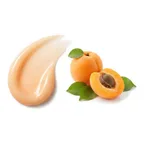 Prunus Armeniaca Seed Powder Apricot Seed Powder
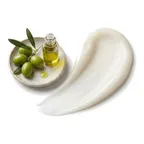 Cetearyl Olivate
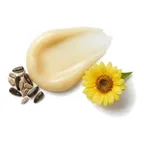 Helianthus Annuus Seed Oil Sunflower Seed Oil
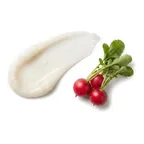 Leuconostoc Radish Ferment Filtrate
Average
- HighCombination Skin Fit
- AverageEffectiveness
- HighSafety
Works for acne-prone skin; other cleansers fit it better.
This fit is calculated for the concerns frequently associated with acne-prone skin: breakouts, blackheads, and post-acne marks. For scores and recommendations based on your full skin profile, including your 12D face scan results and any goals or preferences you have, please use the Lovi app.
Updated How the Fit score works
Lovi Assistant explains
- Offers moderate exfoliation and cleansing benefits for your combination skin, with Kaolin Clay and Apricot Seed Powder helping to decongest pores and remove impurities, though these ingredients do not directly address your primary concerns of acne, blemishes, and breakouts.
- Willow Bark Extract provides mild exfoliation suitable for combination skin, but the overall formulation offers general skincare advantages rather than targeted treatment for your specific issues.
- The product is safe for your combination skin, as it contains no harsh or prohibited ingredients that would cause irritation.
How to apply
- Could be used as part of your AM and PM routine. Start using it 3 times a week and build up to daily use if your skin tolerates it.
- This cleanser is the first step in your morning routine and the second step after your pre-cleanser in the evening. Always follow up with a toner and moisturizer .
- Gently massage a small amount of the cleanser onto your face in circular motions. Avoid harsh rubbing to keep your skin calm.
- Apply the cleanser on slightly damp skin to help it work effectively against breakouts. Rinse thoroughly with lukewarm water .
- Avoid the immediate eye area and do a patch test before your first use to check for any sensitivity.
People Say
★4.9Overall rating based on 5.5k+ reviewsThis daily exfoliating treatment is widely praised for delivering an immediate, spa-like glow and smoothing uneven texture without stripping the skin. Based on a very large amount of data, most users with dull or congested skin report softer, more radiant results. Those with highly reactive skin or sensitivity to essential oils occasionally experience irritation or dryness.
Highlights
Instant glow Mostly Mentioned
- “Instant brightening effect”
- “Leaves skin glowy and fresh”
- “Restores radiance”
- “Luminous glow.”
Gentle exfoliation Often Mentioned
- “Gentle enough for daily use”
- “Polished feel”
- “Buffs without stripping”
- “Perfect daily scrub.”
Luxurious scent Often Mentioned
- “Intoxicating citrus scent”
- “Smells like a spa”
- “Yummy apricot smell”
- “Fresh and herbal.”
High price point Often Mentioned
- “Crazy expensive”
- “Hard to justify price”
- “A splurge item”
- “Wallet hurts.”
Clean ingredients Sometimes Noted
- “Love the clean ingredients”
- “Ecocert certified”
- “No synthetics”
- “Real botanical ingredients.”
Softens texture Sometimes Noted
- “Makes skin baby soft”
- “Smooths texture”
- “Refines pores”
- “Leaves face feeling supple.”
Packaging issues Sometimes Noted
- “Pump stops working”
- “Hard to get last bits out”
- “Wasteful bottle design”
- “Straw doesn't reach bottom.”
Strong fragrance Sometimes Noted
- “Scent is too strong”
- “Overwhelming herbal smell”
- “Fragrance lingered too long”
- “Too much perfume.”
Potential irritation Rarely Noted
- “Caused redness”
- “Broke me out”
- “Stung my face.”
Residue Rarely Noted
- “Leaves a film”
- “Hard to rinse off”
- “Felt waxy residue”
- “Need a cloth to remove.”
Sources: lovi.care, tataharperskincare.com, sephora.com, cultbeauty.co.uk, spacenk.com, goop.com, and more
Questions and answers
How well does Tata Harper Regenerating Cleanser work for acne-prone skin?
This cleanser works well enough for acne-prone skin by clearing out pores with clay and apricot seed powder, though it offers general cleaning rather than direct blemish treatment. Cleansers that fit this skin better need ingredients like niacinamide, ceramides, hyaluronic acid, and soothing agents to tackle breakouts directly while keeping moisture balanced.
Which ingredients make this cleanser a good fit for acne-prone skin?
This cleanser features apricot seed powder, kaolin clay, and willow bark extract, which help decongest pores and clear away impurities. Cleansers that fit acne-prone skin best need powerful ingredients like niacinamide and ceramides, soothing and hydrating agents, and multiple forms of hyaluronic acid to target breakouts and balance oil and dryness.
What does Aloe Vera Leaf Juice do for acne-prone skin?
Aloe Vera Leaf Juice helps calm acne-prone skin and may reduce redness, bumps, and spots when used consistently. Studies show it helps clear breakouts and keeps skin smooth by fighting blemish-causing factors.
Clinical Pharmacology, 2018The Journal of Dermatological Treatment, 2014
What does Prunus Armeniaca Seed Powder do for acne-prone skin?
Prunus Armeniaca Seed Powder is often used as a physical scrub in skincare to help clear away dead skin cells and make rough skin feel smooth. However, for acne-prone skin, harsh physical scrubs may cause irritation or redness if the particles are too sharp. A product for this skin type needs gentle ingredients that calm the skin and keep pores clear without causing damage.
Where does this cleanser go in a skincare routine for acne-prone skin?
This cleanser goes in your morning and evening routine as the first cleansing step. An acne-prone skin routine needs a cleanser with blemish-fighting and soothing ingredients like salicylic acid or benzoyl peroxide to directly target breakouts.
Can I use this cleanser with retinol, and in what order?
You can use this cleanser in your routine when using retinol, applying it before your retinol treatment step. It is unlikely to irritate your skin, but an acne-prone skin needs a cleanser that directly targets blemishes and breakouts with active ingredients.
How often should I use this cleanser?
You can use this cleanser daily in the morning and evening as part of your routine. This product type needs ingredients like salicylic acid or benzoyl peroxide to directly target blemishes and treat acne-prone skin.
Can this cleanser clog pores, cause breakouts or purging for acne-prone skin?
This cleanser is unlikely to cause irritation on acne-prone skin, but it does not directly target breakouts and blemishes. It uses apricot seed powder and kaolin clay to help clear away impurities, yet this type of skin often needs targeted ingredients like salicylic acid or benzoyl peroxide to truly clear up acne.
Can I use this cleanser around the eyes or on my body?
This cleanser is safe for use on the body, but it is best to avoid the thin skin around the eyes due to the physical exfoliants. Body application works well because the skin there is thicker and less delicate than facial skin.
What the research says
A botanical face cleanser with hops and willow bark extract continuously reduced skin sebum levels without reactive seborrhea after treatment in 21 healthy volunteers compared to a sodium laureth sulfate cleanser, with neither cleanser causing skin irritation.
Journal of Cosmetic Dermatology, 2019A topical serum containing 0.5% salicin applied twice daily reduced visible signs of skin aging, including wrinkles and tactile roughness, in 30 female subjects over 12 weeks compared to baseline.
Journal of Cosmetic Dermatology, 2010A cream combining propolis, tea tree oil, and Aloe vera reduced erythema scars, acne severity index, and total lesion count better than erythromycin cream in sixty patients with mild to moderate acne vulgaris compared to placebo.
Clinical Pharmacology, 2018Formulations containing 0.10%, 0.25%, and 0.50% freeze-dried Aloe vera extract increased stratum corneum water content compared with the vehicle in 20 female subjects, while transepidermal water loss was not modified.
Skin Research and Technology, 2006Kombucha-mediated fermentation of aloe vera gel for 10 and 20 days enhanced its phenolic and flavonoid content, antioxidant capacity, cytoprotective effects, enzyme inhibition against collagenase, elastase, and hyaluronidase, and moisturizing properties compared to unfermented gel.
Molecules, 2025Aqueous and ethanolic leaf extracts from Malus domestica, Prunus armeniaca, and Prunus cerasus exhibited antioxidant, antibacterial, and anti-inflammatory activities, increased skin cell viability by up to 35% at lower doses, and reduced viability by up to 70% at higher doses in vitro.
Molecules, 2025Kombucha-mediated fermentation of apple, apricot, and cherry leaf agro-waste extracts increased phenolic content and enhanced antioxidant, antimicrobial, anti-inflammatory, and anti-ageing properties while reducing oxidative stress in skin cells without cytotoxicity compared to unfermented extracts.
International Journal of Molecular Sciences, 2026
Why other cleansers fit acne-prone skin better
Topical 5% tea tree oil gel significantly improved total acne lesions and acne severity index compared to placebo in 60 patients with mild to moderate acne vulgaris, showing 3.55 times and 5.75 times greater efficacy respectively.
Indian Journal of Dermatology, Venereology and Leprology, 2007Co-delivery of paeonol and madecassoside via nanoemulsions improved transdermal delivery, promoted barrier repair proteins, inhibited inflammatory cytokine secretion in cellular and 3D models, and reduced transepidermal water loss and acne in human facial skin compared to free components.
Molecules, 2023Tea tree oil gel and face wash significantly reduced total facial acne lesions from 23.7 to 10.7 and improved investigator global assessment scores in 14 participants with mild to moderate facial acne over 12 weeks.
The Australasian Journal of Dermatology, 2017
Ingredients
Aloe Barbadensis Leaf Juice, Cetearyl Alcohol, Cetearyl Olivate, Helianthus Annuus Seed Oil Sunflower Seed Oil, Prunus Armeniaca Seed Powder Apricot Seed Powder, Sorbitan Olivate, Rice Extract, Lactobacillus Punica Granatum Extract Fruit Ferment Punica Granatum Extract Fruit Ferment, Leuconostoc Radish Ferment Filtrate, Water, Coco-Glucoside, Cetearyl Glucoside, Kaolin Clay Rose Clay, Sclerotium Gum, Cetyl Palmitate, Willow Bark Extract, Sorbitan Palmitate, Sodium Phytate, Denatured Alcohol, Benzyl Alcohol, Flavor, Benzyl Benzoate, Citral, Citronellol, Eugenol, Geraniol, Limonene, Linalool
Behind this fit score
Lovi calculates every fit score from the full ingredient list with brand-independent rules our dermatologists and cosmetic chemists build and review, and personalizes every pick with AI trained on the real results of millions of users. Lovi trains its fit score models on a proprietary dataset built from more than 10,000 expert-labeled products and more than 100,000 simulated examples, following an internally consistent methodology presented at Cosmoprof, AMWC, and Skin of Color Update.
-

Co-founder, Medical Director
Cosmetic chemist, cosmetologist, aesthetic products developer
-

Co-founder, CEO and CTO
PhD in computer science, 3x US patent holder, ex-Google, ex-Yandex
-

Dr. Sofía Perea Pérez, MD, MSc
Medical Board
Aesthetic medicine practitioner, MSc in Longevity and Anti-Aging Medicine
-

Medical Board
Specialist dermatologist, MBBS, MD, IFAAD
-

Medical Board
Cosmetic chemist, SCS, IFSCC member
-

Medical Board, Medical Advisor
Dermatology MD
-

Elina Nazarenko, MD
Medical Board
Dermatology and diagnostic consultant
-

Victoria Derkova, MS
Medical Board
Cosmetic chemist, cosmetic development technologist


How does it fit your skin?
Scan your face, then any product: Lovi shows how well it fits you and what fits even better.