
Sunday Riley A+ High-Dose Retinoid Serum for oily acne-prone skin

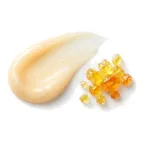 Retinoid Blend
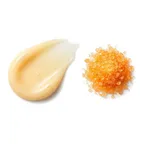 Ubiquinone
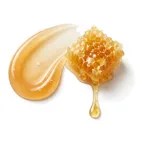 Honey Extract
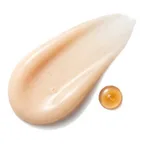 Hydroxypinacolone Retinoate
 Sodium Hyaluronate Crosspolymer
High
- HighOily Skin Fit
- HighEffectiveness
- HighSafety
A great choice for oily acne-prone skin; a few serums fit it even better.
This fit is calculated for the concerns frequently associated with oily acne-prone skin: shine, breakouts, blemishes, and enlarged pores. For scores and recommendations based on your full skin profile, including your 12D face scan results and any goals or preferences you have, please use the Lovi app.
Updated How the Fit score works
Lovi Assistant explains
- Excellent for your oily skin, this serum effectively targets acne and breakouts with hydroxypinacolone retinoate and retinol, which regulate sebum production and promote cell turnover to refine pores and texture.
- The inclusion of honey extract and bisabolol provides soothing benefits, ensuring comfort for your skin type.
- This formula is safe for your skin, with no risk of irritation due to the absence of harsh ingredients and the presence of calming components.
How to apply
- Could be used as part of your PM routine. Start 3 times a week and build up to daily use if your skin tolerates it well.
- Apply your serum after cleansing and toning, but before putting on your moisturizer.
- Gently press 2 to 3 drops of the serum into your skin and let it absorb for a minute.
- Apply the serum on clean, dry skin to help manage your blemishes safely.
- Do a patch test before your first use and avoid the delicate eye area.
People Say
★4.4Overall rating based on 700+ reviewsUsers frequently praise this serum for its ability to deliver retinoid benefits like smoothed texture and reduced fine lines with minimal irritation, making it suitable for sensitive skin or retinoid beginners. The formula includes soothing botanicals that help mitigate dryness and redness, improving overall skin clarity and radiance.
Highlights
Gentle, non-irritating Mostly Mentioned
- “Users report zero irritation, no peeling, and tolerance even on sensitive skin.”
Smoother texture Often Mentioned
- “Reviews cite "baby soft" skin, reduced roughness, and immediate smoothing effects.”
Expensive product Often Mentioned
- “Many find the product expensive and difficult to repurchase without a sale.”
Anti-aging results Sometimes Noted
- “Users notice plumped skin, diminished fine lines, and a "healthy glow" after consistent use.”
Moisturizing formula Sometimes Noted
- “The creamy, hydrating consistency is praised for not drying out the skin like other retinols.”
Unpleasant scent Sometimes Noted
- “Users describe a "funny," "earthy," or "yellow" smell that takes getting used to.”
Initial breakouts Rarely Noted
- “A minority of users experienced initial breakouts or a "purge" phase before seeing results.”
Strength claims Rarely Noted
- “Some skincare enthusiasts feel the "6.5%" label is marketing jargon and doesn't reflect the actual pure retinol strength.”
Sources: lovi.care, sephora.com, spacenk.com, lovelyskin.com, cultbeauty.com, ulta.com, and more
Questions and answers
What makes Sunday Riley A+ Serum a great fit for oily acne-prone skin?
This serum is a great fit because its retinol and hydroxypinacolone retinoate help control oil and clear breakouts while smoothing your skin. It also includes soothing honey extract and bisabolol to keep your skin calm and comfortable.
Giornale Italiano Di Dermatologia E Venereologia, 2020Journal of Clinical Medicine, 2023
Which ingredients make this serum a good fit for oily acne-prone skin?
This serum is a great fit for your oily, acne-prone skin because it contains retinol and hydroxypinacolone retinoate, which help control oil and clear breakouts. Additionally, honey extract and bisabolol are included to keep your skin calm and comfortable.
Giornale Italiano Di Dermatologia E Venereologia, 2020Journal of Clinical Medicine, 2023
What does Retinoid do for oily acne-prone skin?
Retinoid helps clear oily acne-prone skin by clearing out pores and calming redness. It is a reliable first-line choice that keeps skin smooth and manages breakouts over the long term.
American Journal of Clinical Dermatology, 2008American Journal of Clinical Dermatology, 2019
What does Coenzyme Q10 do for oily acne-prone skin?
Coenzyme Q10 helps protect oily, acne-prone skin by delivering antioxidants and fighting free radicals that can stress the skin. It supports skin health and cellular energy metabolism, though it is not a direct treatment for active breakouts.
Where does this serum go in a skincare routine for oily acne-prone skin?
This serum goes in the evening routine after cleansing and toning, and before moisturizing. Putting treatments in the evening provides extra safety around sun exposure.
Can I use this serum with vitamin C, and in what order?
Use vitamin C and this treatment apart: in different sessions of the same day or on different days. Using them at different times of day allows both ingredients to work effectively without overwhelming your skin.
American Family Physician, 2012Giornale Italiano Di Dermatologia E Venereologia, 2020
How often should I use this serum?
This serum is used in the evening as part of your routine. You may apply it according to your skin's tolerance, as retinoids help regulate oil and refine texture safely.
Giornale Italiano Di Dermatologia E Venereologia, 2020Journal of Clinical Medicine, 2023
Can this serum clog pores, cause breakouts or purging for oily acne-prone skin?
This serum is a great fit for oily acne-prone skin because it targets breakouts with retinol and hydroxypinacolone retinoate while using honey extract and bisabolol to keep skin calm and comfortable. Initial breakouts are unlikely, and the formula helps regulate oil and refine pores safely without harsh ingredients.
Giornale Italiano Di Dermatologia E Venereologia, 2020Journal of Clinical Medicine, 2023
Is this serum fragrance-free and alcohol-free?
It has no fragrance and contains drying alcohol (alcohol).
What the research says
A new topical gel formulation reduced total acne lesions by 80% and GAGS scores by 78% after 8 weeks in 22 female patients with mild facial acne without impairing skin barrier function or causing side effects.
Giornale Italiano Di Dermatologia E Venereologia, 2020Combined probiotic supplementation and topical azelaic acid with hydroxypinacolone retinoate reduced non-inflammatory lesions from 11.5 to 7.3 and decreased microscopic acne features measured by reflectance confocal microscopy and dynamic optical coherence tomography in 20 patients over 12 weeks.
Journal of Clinical Medicine, 2023Hydroxypinacolone retinoate and retinyl propionate at a 5:9 weight ratio synergistically enhanced antiaging gene expressions in vitro and improved skin wrinkles, smoothness, transepidermal water loss, and elasticity in 42 Chinese urban women over an 8-week period without adverse reactions compared to retinol.
Journal of Cosmetic Dermatology, 2023Topical retinoids improve global assessment scores and reduce lesion counts compared to vehicle in patients with acne vulgaris, with adapalene demonstrating a superior tolerability profile and benzoyl peroxide combination optimizing results.
American Journal of Clinical Dermatology, 2019Topical application of all-trans-retinol induced epidermal thickening and increased retinoid binding protein expression similar to all-trans-retinoic acid in normal human skin, but without causing significant erythema or measurable retinoic acid levels.
The Journal of Investigative Dermatology, 1995Trifarotene cream 0.005% resulted in a significantly greater reduction in total atrophic acne scar count compared with vehicle at Week 24 (55.2% vs 29.9%) in patients with atrophic acne scarring.
Dermatology and Therapy, 2025Topical application of CoQ10 improves mitochondrial function in aging skin in vivo, combating cellular signs of aging caused by an age-dependent shift to a functionally anaerobic energy metabolism.
BioFactors, 2008Encapsulating coenzyme Q10 in lipid nanoparticles for topical use improves skin compatibility, protects against degradation, increases skin penetration, and provides controlled release to counteract aging effects.
Colloids and Surfaces. B, Biointerfaces, 2023Topical application of CoQ10-formulated products reduces the depth of cutaneous wrinkles and replenishes skin antioxidant levels by stimulating cutaneous energy metabolism and providing antioxidant effects in aging and stressed skin.
The Journal of Clinical and Aesthetic Dermatology, 2024Topical application of a honey, olive oil, and beeswax mixture three times daily for up to 4 weeks resulted in clinical responses in 86% of patients with pityriasis versicolor, 78% with tinea cruris, and 75% with tinea corporis.
Complementary Therapies in Medicine, 2004Romanian honey varieties rich in phenolics exhibited anti- and pro-inflammatory effects, dose-dependent pro-proliferative effects, stimulated collagen synthesis, and enhanced cell migration in macrophage-like, fibroblast, and keratinocyte cell lines.
Life, 2024Topical application of Melipona marginata honey extract (1.0 mg/ear) reduced 12-O-tetradecanoylphorbol-13-acetate-induced ear edema by 54%, myeloperoxidase activity by 75%, and reactive oxygen species production by 55% in mice compared to the induced model.
Journal of Medicinal Food, 2014A topical serum containing hydroxypinacolone retinoate and peptides used twice daily for 16 weeks achieved parity or statistically significantly better improvement in facial aging parameters compared to a single fractional CO2 laser treatment in women with moderate global photodamage.
Journal of Cosmetic Dermatology, 2025A fixed combination of hydroxypinacolone retinoate, retinol glycospheres, and papain glycospheres in aqueous gel applied once daily for 12 weeks achieved a 41% mean reduction in GAGS score and a 40.8% mean reduction in total lesions, with 15.3% of patients experiencing mild to moderate local side effects, in 94 evaluable patients with comedonal-papular, mild to moderate acne of the face.
Giornale Italiano Di Dermatologia E Venereologia, 2015A 12-month maintenance treatment with a combination of hydroxypinacolone retinoate and retinol glycospheres resulted in a relapse rate of 15.38% in 39 patients with moderate facial acne following oral isotretinoin therapy.
Giornale Italiano Di Dermatologia E Venereologia, 2017Topical application of 0.1% hyaluronic acid formulations of different molecular weights led to significant improvements in skin hydration and elasticity, with low-molecular-weight formulations also significantly reducing wrinkle depth in seventy-six female subjects compared to a vehicle control.
Journal of Drugs in Dermatology, 2011Topical hyaluronic acid serum used twice daily by 40 females with facial photoaging produced an immediate 134% increase in skin hydration, a sustained 55% increase at week 6, and significant improvements in smoothness, plumping, fine lines, wrinkles, and global appearance without causing irritation.
Dermatology and Therapy, 2021A topical antioxidant serum significantly reduced air pollution-induced skin pigmentation and proinflammatory gene expression ex vivo, and improved skin aging signs in 40 healthy adult females after 90 days of daily use.
Journal of Cosmetic Dermatology, 2022
Ingredients
Water Eau Agua, Propanediol, Dimethyl Isosorbide, Triheptanoin, Dimethicone, Glycerin, Pentylene Glycol, Hexyldecanol, Disiloxane, Cetyl Peg Ppg-10 1 Dimethicone, Diheptyl Succinate, Propylene Carbonate, Hydroxypinacolone Retinoate, Ppg-24-Glycereth-24, Phenyl Trimethicone, Retinol, Ubiquinone, Honey Extract, Sodium Hyaluronate Crosspolymer, Algae Extract, Zingiber Officinale Extract, Opuntia Ficus-Indica Fruit Extract, Bisabolol, Butyrospermum Parkii Butter Shea Butter, Yeast Extract, Lecithin, Sodium Acrylates Copolymer, Hydrogenated Polyisobutene, 1,2-Hexanediol, 4-T-Butylcyclohexanol, Polyglyceryl-10 Stearate, Caprylyl Glycol, Helianthus Annuus Seed Oil Sunflower Seed Oil, Sorbitol, Cetylhydroxyproline Palmitamide, Polysilicone-11, Benzoic Acid, Dehydroacetic Acid, Sodium Phytate, Glyceryl Polyacrylate, Polysorbate, Hydroxyphenyl Propamidobenzoic Acid, Stearic Acid, Brassica Campestris Sterols, Pvp, Capryloyl Glycerin Sebacic Acid Copolymer, Sodium Benzoate, Alcohol, Potassium Phosphate, Decyl Glucoside, Phenoxyethanol, Hexylene Glycol, Potassium Sorbate, Tocopherol
Behind this fit score
Lovi calculates every fit score from the full ingredient list with brand-independent rules our dermatologists and cosmetic chemists build and review, and personalizes every pick with AI trained on the real results of millions of users. Lovi trains its fit score models on a proprietary dataset built from more than 10,000 expert-labeled products and more than 100,000 simulated examples, following an internally consistent methodology presented at Cosmoprof, AMWC, and Skin of Color Update.
-

Co-founder, Medical Director
Cosmetic chemist, cosmetologist, aesthetic products developer
-

Co-founder, CEO and CTO
PhD in computer science, 3x US patent holder, ex-Google, ex-Yandex
-

Dr. Sofía Perea Pérez, MD, MSc
Medical Board
Aesthetic medicine practitioner, MSc in Longevity and Anti-Aging Medicine
-

Medical Board
Specialist dermatologist, MBBS, MD, IFAAD
-

Medical Board
Cosmetic chemist, SCS, IFSCC member
-

Medical Board, Medical Advisor
Dermatology MD
-

Elina Nazarenko, MD
Medical Board
Dermatology and diagnostic consultant
-

Victoria Derkova, MS
Medical Board
Cosmetic chemist, cosmetic development technologist


How does it fit your skin?
Scan your face, then any product: Lovi shows how well it fits you and what fits even better.