
Sulwhasoo Concentrated Ginseng Renewing Serum for acne-prone skin

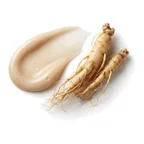 Concentrated Ginseng, Hydrolyzed Ginseng Saponins, Panax Ginseng Extract
 Niacinamide
 Retinol
Average
- AverageCombination Skin Fit
- AverageEffectiveness
- Low RiskSafety
Works for acne-prone skin; other serums fit it better.
This fit is calculated for the concerns frequently associated with acne-prone skin: breakouts, blackheads, and post-acne marks. For scores and recommendations based on your full skin profile, including your 12D face scan results and any goals or preferences you have, please use the Lovi app.
Updated How the Fit score works
Lovi Assistant explains
- Offers moderate anti-aging benefits for your combination skin, with acetyl heptapeptide-4 and acetyl hexapeptide-8 working to minimize fine lines and wrinkles, while Panax Ginseng Seed Oil and Retinol provide some emollient and desquamation regulation.
- While Glycerin and Betaine offer general hydration, the formula lacks targeted ingredients to effectively address your acne, blemishes, and breakouts.
- The product is generally safe for combination skin, though the presence of Retinol and Alcohol carries some risk of irritation.
Buy online

Prices checked 20 Nov 2026
The Lovi Fit is the same in every country; only the stores and prices differ, and the ones here are for India.
How to apply
- Use your serum as part of your PM routine and start 3x/week before working up to daily use.
- Apply this treatment after cleansing and toner, and before your moisturizer.
- Gently press 2-3 drops of the serum into your skin and let it absorb for a minute.
- Apply the product on clean, dry skin to help manage your breakouts safely.
- Avoid the eye area and do a patch test before your first use.
People Say
★4.2Overall rating based on 500+ reviewsUsers with aging, dry, or dull skin consistently report that this serum delivers visible improvements in firmness, elasticity, and overall radiance. While the herbal scent is polarizing, the majority of reviewers describe it as a luxurious, lightweight addition to their routine that effectively smooths fine lines and deeply hydrates without leaving a sticky residue.
Highlights
Fast Absorption Mostly Mentioned
- “Absorbs almost instantly”
- “sinks deep into skin”
- “lightweight and non-greasy”
High Price Mostly Mentioned
- “Outrageously priced”
- “wallet hurts”
- “wish it was cheaper”
Deep Hydration Often Mentioned
- “Skin drinks it up”
- “baby soft skin”
- “deep and long-lasting hydration”
Radiant Glow Often Mentioned
- “100% glowier”
- “radiant glow”
- “face looks smooth and glowy”
Visible Firming Often Mentioned
- “Skin feels bouncier”
- “noticed firmness after usage”
- “tightens my skin”
Luxurious Scent Sometimes Noted
- “Smells like a spa”
- “love the ginseng scent”
- “very luxurious and herbal”
Strong Scent Sometimes Noted
- “Scent is quite intense”
- “unpleasant herbal smell”
- “too strong for me”
Skin Reactions Rarely Noted
- “Caused small CCs”
- “tiny blemishes popped up”
- “broke me out”
Small Quantity Rarely Noted
- “Finished too quickly”
- “expensive for the size”
- “wish bottle was bigger”
Sources: lovi.care, influenster.com, sephora.my, sephora.sg, sephora.com.au, reddit.com, and more
Questions and answers
How well does Sulwhasoo Concentrated Ginseng Renewing Serum work for acne-prone skin?
This serum works moderately well for acne-prone skin, though other products fit it better because it lacks targeted ingredients for breakouts and contains retinol and alcohol that may cause irritation. A treatment for this skin needs ingredients like niacinamide and zinc PCA to target blemishes while controlling oil without irritation.
Which ingredients make this serum a good fit for acne-prone skin?
This serum works for acne-prone skin because it contains retinol, though other products fit this skin better. An acne-prone skin type needs a product that includes targeted ingredients like niacinamide and zinc PCA to clear breakouts and control oiliness safely without irritation.
What does Panax Ginseng Extract do for acne-prone skin?
Panax ginseng extract helps acne-prone skin by reducing oxidized sebum, skin redness, and early to middle-stage acne symptoms. It also exhibits antibacterial activity against acne-causing bacteria and helps calm inflammation without causing irritation.
Phytotherapy Research, 2019Journal of Cosmetic Dermatology, 2025
What does Ginseng do for acne-prone skin?
Ginseng helps calm redness and balances oily skin by reducing excess oil and fighting acne-causing bacteria. It also helps restore the skin barrier to keep your face smooth and clear.
Journal of Cosmetic Dermatology, 2025Phytotherapy Research, 2019
Where does it go in a skincare routine for acne-prone skin?
This treatment goes in the evening routine after cleansing and before moisturizing, though it is only an average fit for acne-prone skin because it lacks targeted ingredients for breakouts. To properly care for acne-prone skin, this type of product needs blemish-clearing ingredients like niacinamide and salicylic acid.
Can I use this serum with vitamin C, and in what order?
Use vitamin C and this treatment apart: in different sessions of the same day or on different days. Because this product lacks targeted ingredients for breakouts, acne-prone skin needs a treatment with salicylic acid or benzoyl peroxide to clear blemishes.
How often should I use it?
This treatment works for your acne-prone skin, though other products fit it better and it lacks targeted blemish-clearing ingredients. You can safely use it in the evening as part of your routine, but a product of this type needs soothing and breakout-fighting ingredients to truly calm this skin.
Can this serum clog pores, cause breakouts or purging for acne-prone skin?
This serum may cause breakouts and irritation for acne-prone skin because it lacks targeted blemish-clearing ingredients and contains retinol. Acne-prone skin of this type needs lightweight hydrators and pore-clearing ingredients like salicylic acid instead.
Is it fragrance-free and alcohol-free?
It contains fragrance (parfum) and drying alcohol (alcohol).
What the research says
Treatment with cross-linked hyaluronic acid-based microneedle patches combined with acetyl hexapeptide-8 or epidermal growth factor significantly improved wrinkles and skin hydration compared to the patch alone in Korean females over 29 days.
Annals of Dermatology, 2019A single application of a moisturizing fluid containing hyaluronic acid 1%, glycerin 5%, and Centella asiatica stem cells extract significantly increased skin hydration by 29% and reduced transepidermal water loss at 24 hours compared to baseline and an untreated control site in twenty healthy women.
Clinical, Cosmetic and Investigational Dermatology, 2017Topical bakuchiol 0.5% applied twice daily compared with retinol 0.5% applied daily significantly decreased wrinkle surface area and hyperpigmentation with no statistical difference between the compounds in 44 patients over 12 weeks, while retinol users reported more facial skin scaling and stinging.
The British Journal of Dermatology, 2019Enzyme-modified ginseng extract cream significantly reduced the global photo-damage score and various roughness measures including total roughness, smoothness depth, and arithmetic roughness average compared to placebo in 23 human subjects.
Rejuvenation Research, 2015A red ginseng hydrogel formulation with 1,2-hexanediol promoted selective growth of Staphylococcus epidermidis and decreased Cutibacterium acnes in 20 female subjects.
Journal of Ginseng Research, 2022A cream containing 0.1% ginsenoside F1 demonstrated a skin-whitening effect on artificially tanned human skin after 8 weeks by enhancing interleukin-13 production from epidermal gamma-delta T cells, which subsequently suppressed tyrosinase and DCT expression and melanin synthesis in melanocytes.
Experimental Dermatology, 2014Topical nicotinamide prevented solar-simulated UV-induced immunosuppression in healthy volunteers, and men experienced immunosuppression at solar-simulated UV doses three times lower than those required for women.
The Journal of Investigative Dermatology, 2008Topical 5% niacinamide applied twice daily for 12 weeks reduced fine lines and wrinkles, hyperpigmented spots, red blotchiness, and skin sallowness, and improved skin elasticity compared to vehicle control in 50 female white subjects with facial photoaging.
Dermatologic Surgery, 2005Topical 2% niacinamide significantly decreased sebum excretion rate in Japanese individuals and casual sebum levels in Caucasian individuals compared to placebo or baseline.
Journal of Cosmetic and Laser Therapy, 2006Topical 0.3% and 1% retinol comparably improved biomarkers of cutaneous photoageing in photoaged volunteers, while 0.3% retinol demonstrated better tolerance with fewer and milder adverse events compared to 1% retinol in a daily escalation regimen.
International Journal of Cosmetic Science, 2022Daily application of 0.3% and 0.5% retinol serums in 37 volunteers over 12 weeks reduced skin hyperpigmentation, unevenness, and wrinkles on both sides of the face, with the 0.5% concentration causing more frequent and intense skin irritation.
Skin Pharmacology and Physiology, 2020Topical application of 0.1% retinol induced CRABP2 and HBEGF gene expression, increased keratinocyte proliferation and epidermal thickness ex vivo, and improved major skin aging signs without significant adverse reactions in 48 volunteers compared to placebo.
Skin Pharmacology and Physiology, 2009
Why other serums fit acne-prone skin better
- Retinol in this serum
Topical bakuchiol 0.5% applied twice daily compared with retinol 0.5% applied daily significantly decreased wrinkle surface area and hyperpigmentation with no statistical difference between the compounds in 44 patients over 12 weeks, while retinol users reported more facial skin scaling and stinging.
The British Journal of Dermatology, 2019 Topical UP256 cream containing 0.5% bakuchiol administered twice daily significantly reduced inflammatory lesions and improved acne-related post-inflammatory hyperpigmentation in 13 subjects with mild or moderate facial acne.
Journal of Drugs in Dermatology, 2021Co-delivery of paeonol and madecassoside via nanoemulsions improved transdermal delivery, promoted barrier repair proteins, inhibited inflammatory cytokine secretion in cellular and 3D models, and reduced transepidermal water loss and acne in human facial skin compared to free components.
Molecules, 2023
Ingredients
Water, Butylene Glycol, Glycerin, Limnanthes Alba Seed Oil, Methyl Gluceth-20, Betaine, Behenyl Alcohol, Methoxy Peg-114 Polyepsilon Caprolactone, Carbomer, Jojoba Esters, Tromethamine, Hydrolyzed Ginseng Saponins Enzyme-Treated Red Ginseng Saponins, Parfum, Glyceryl Caprylate, Phenoxyethanol, Ethylhexylglycerin, Disodium Edta, Dextrin, Theobroma Cacao Extract, Panax Ginseng Seed Oil, Panax Ginseng Stem Extract Leaf, Honey Mel Miel, Rehmannia Glutinosa Root Extract, Panax Ginseng Flower Extract, Paeonia Albiflora Root Extract, Lilium Candidum Bulb Extract, Polygonatum Odoratum Extract Rhizome, Retinol, Nelumbo Nucifera Flower Extract, Hydrogenated Lecithin, Alcohol, Glucose, Tocopherol, Caprylyl Glycol, Bht, Pentaerythrityl Tetra-Di-T-Butyl Hydroxyhydrocinnamate, Phytosphingosine, Sodium Polyaspartate, Sodium Methyl Stearoyl Taurate, Acetyl Heptapeptide-4, Sodium Hydroxide, Acetyl Hexapeptide-8, Acetyl Octapeptide-3
Behind this fit score
Lovi calculates every fit score from the full ingredient list with brand-independent rules our dermatologists and cosmetic chemists build and review, and personalizes every pick with AI trained on the real results of millions of users. Lovi trains its fit score models on a proprietary dataset built from more than 10,000 expert-labeled products and more than 100,000 simulated examples, following an internally consistent methodology presented at Cosmoprof, AMWC, and Skin of Color Update.
-

Co-founder, Medical Director
Cosmetic chemist, cosmetologist, aesthetic products developer
-

Co-founder, CEO and CTO
PhD in computer science, 3x US patent holder, ex-Google, ex-Yandex
-

Dr. Sofía Perea Pérez, MD, MSc
Medical Board
Aesthetic medicine practitioner, MSc in Longevity and Anti-Aging Medicine
-

Medical Board
Specialist dermatologist, MBBS, MD, IFAAD
-

Medical Board
Cosmetic chemist, SCS, IFSCC member
-

Medical Board, Medical Advisor
Dermatology MD
-

Elina Nazarenko, MD
Medical Board
Dermatology and diagnostic consultant
-

Victoria Derkova, MS
Medical Board
Cosmetic chemist, cosmetic development technologist


How does it fit your skin?
Scan your face, then any product: Lovi shows how well it fits you and what fits even better.