
Sulwhasoo Concentrated Ginseng Renewing Eye Cream for oily acne-prone skin

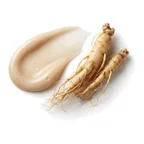 Hydrolyzed Ginseng Saponins, Panax Ginseng Root Extract
 Squalane
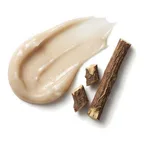 Licorice Root Extract
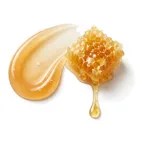 Honey
Average
- AverageOily Skin Fit
- AverageEffectiveness
- HighSafety
Works for oily acne-prone skin; other eye cares fit it better.
This fit is calculated for the concerns frequently associated with oily acne-prone skin: shine, breakouts, blemishes, and enlarged pores. For scores and recommendations based on your full skin profile, including your 12D face scan results and any goals or preferences you have, please use the Lovi app.
Updated How the Fit score works
Lovi Assistant explains
- Offers moderate plumping for the eye area due to Panax Ginseng Root Extract and Hydrolyzed Ginseng Saponins, which improve elasticity, but lacks targeted ingredients for your acne, blemishes, and breakouts.
- While Squalane and Glycerin provide hydration suitable for oily skin, the formula does not contain sufficient seboregulating ingredients to optimally manage oiliness.
- The product is safe for your oily skin, with honey and licorice root extract offering soothing benefits and no harsh ingredients.
Buy online

Prices checked 20 Nov 2026
The Lovi Fit is the same in every country; only the stores and prices differ, and the ones here are for India.
People Say
★4.6Overall rating based on 100+ reviewsBased on limited data, users consistently praise this luxurious eye cream for its rich, buttery texture that deeply hydrates and plumps the delicate undereye area, often citing visible improvements in fine lines and puffiness. While the herbal ginseng scent is a favorite for many, the product is frequently noted as a significant investment, best suited for those seeking a high-end preventative anti-aging treatment.
Highlights
Rich, buttery texture Mostly Mentioned
- “glides on like satin”
- “thick but absorbs”
- “melts into skin”
- “non-greasy finish”
High price point Mostly Mentioned
- “outrageously expensive”
- “paid in blood”
- “splurge item”
- “hard to justify”
Deep hydration Often Mentioned
- “plumps undereye area”
- “super hydrated”
- “eliminates dryness”
- “dewy finish”
Luxurious scent Sometimes Noted
- “herbal spa ritual”
- “calming ginseng smell”
- “earthy and grounding”
- “sophisticated fragrance”
Visible anti-aging Sometimes Noted
- “softens fine lines”
- “reduced puffiness”
- “eyes look awakened”
- “improves elasticity”
Premium packaging Rarely Noted
- “beautiful golden jar”
- “cooling metal applicator”
- “heavy luxurious glass”
- “comes with spatula”
Jar packaging Rarely Noted
- “unhygienic dipping”
- “heavy to travel”
- “prefer pump bottle”
- “spatula is flimsy”
Polarizing scent Rarely Noted
- “strong herbal smell”
- “medicinal odor”
- “overpowering fragrance”
- “dislike the ginseng”
Potential for milia Rarely Noted
- “too rich for some”
- “caused small bumps”
- “heavy for oily skin”
- “clogged pores”
Subtle results Rarely Noted
- “no miracle cure”
- “preventative only”
- “dark circles remained”
- “slow progress”
Sources: lovi.care, influenster.com, sephora.com.au, reddit.com, nordstrom.com, pickyskincare.com, and more
Questions and answers
How well does Sulwhasoo Concentrated Ginseng Renewing Eye Cream work for oily acne-prone skin?
This eye cream works moderately well for oily acne-prone skin, offering gentle hydration and soothing benefits from honey and licorice root extract without clogging pores. However, it lacks targeted ingredients to actively manage excess oiliness, breakouts, and blemishes. Eye care for this skin type needs powerful soothing ingredients, lightweight hydration that does not trigger acne, and oil-balancing components.
Journal of Ethnopharmacology, 2007European Journal of Pharmacology, 2009
Which ingredients make this cream a good fit for oily acne-prone skin?
Squalane and glycerin make this cream a fit by providing light moisture, while honey and licorice root extract help calm the skin. To work best for oily acne-prone skin, this type of product needs ingredients that control oil and target breakouts.
What does Ginseng Root Extract do for oily acne-prone skin?
Ginseng Root Extract helps calm oily, acne-prone skin by reducing redness and oxidized sebum. It supports clearer skin by improving early to middle-stage acne symptoms over a few weeks of use.
What do Ginseng Saponins do for oily acne-prone skin?
Ginseng saponins help calm oily, acne-prone skin by reducing skin redness and oxidized sebum while improving early to middle-stage breakouts. This ingredient is unlikely to cause irritation and supports a clear, balanced complexion with regular use.
Phytotherapy Research, 2019European Journal of Pharmacology, 2009
Where does this cream go in a skincare routine for oily acne-prone skin?
This eye cream goes into the eye area during your daily routine, but because it is an average fit for oily acne-prone skin, this skin type needs a product that also provides oil control and targeted blemish ingredients.
Can I use this cream with retinol, and in what order?
You can use this eye cream with retinol, applying the cream after your retinol has absorbed. This product is safe for your skin and provides soothing benefits, but an eye cream for oily, acne-prone skin needs ingredients that help balance oil and target breakouts.
How often should I use this cream?
This eye cream can be used daily in both your morning and evening routines to help keep the eye area feeling soft and smooth. It is unlikely to irritate oily skin, but to better fit acne-prone skin, an eye product of this type needs targeted acne-fighting ingredients and oil-balancing ingredients.
Can this cream clog pores, cause breakouts or purging for oily acne-prone skin?
This cream is unlikely to clog pores or cause breakouts on oily acne-prone skin because it has a safe formula with soothing ingredients, though a product of this type needs targeted blemish-fighting ingredients and oil-balancing agents to truly fit this skin.
What the research says
Panax ginseng root extract induced Type I procollagen synthesis and COL1A2 promoter activity through Smad2 phosphorylation in human dermal fibroblast cells.
Journal of Ethnopharmacology, 2007Topical application of total ginseng saponins and ginsenoside Rb(1) inhibited UVB-induced increases in skin thickness, wrinkle formation, apoptosis, and cellular damage while preventing the reduction in skin elasticity and collagen fiber disruption in hairless mice.
European Journal of Pharmacology, 2009A mixture of Panax ginseng and Crataegus pinnatifida prevented skin aging by improving procollagen type I expression, diminishing matrix metalloproteinase-1 secretion, reducing skin roughness and photodamage scores, and decreasing loss of skin moisture in human dermal fibroblasts and healthy human skin.
Journal of Ginseng Research, 2017Romanian honey varieties rich in phenolics exhibited anti- and pro-inflammatory effects, dose-dependent pro-proliferative effects, stimulated collagen synthesis, and enhanced cell migration in macrophage-like, fibroblast, and keratinocyte cell lines.
Life, 2024Enzyme-modified ginseng extract cream significantly reduced the global photo-damage score and various roughness measures including total roughness, smoothness depth, and arithmetic roughness average compared to placebo in 23 human subjects.
Rejuvenation Research, 2015A red ginseng hydrogel formulation with 1,2-hexanediol promoted selective growth of Staphylococcus epidermidis and decreased Cutibacterium acnes in 20 female subjects.
Journal of Ginseng Research, 2022A cream containing 0.1% ginsenoside F1 demonstrated a skin-whitening effect on artificially tanned human skin after 8 weeks by enhancing interleukin-13 production from epidermal gamma-delta T cells, which subsequently suppressed tyrosinase and DCT expression and melanin synthesis in melanocytes.
Experimental Dermatology, 2014Application of fullerene-C60 dissolved in squalane cream twice daily for 8 weeks significantly enhanced skin moisture and reduced wrinkle formation compared to placebo in 23 Japanese women without severe side effects.
Journal of Nanoscience and Nanotechnology, 2010Squalane at 0.005-0.015% counteracts UVA-induced oxidative stress, inflammation, and collagen metabolism inhibition while stimulating fibroblast migration in human dermal fibroblasts.
Molecules, 2025Plant-derived squalane protected human dermal fibroblasts against UVA-induced damage by counteracting ROS formation, suppressing apoptosis-related proteins p53, caspase-3, caspase-9, and PARP, and restoring the pro-survival p-Akt/mTOR pathway.
Antioxidants, 2025Combining 755 nm alexandrite laser with topical licorice gel significantly reduces terminal hair counts compared to alexandrite laser with placebo in women with idiopathic hirsutism.
Evidence-based Complementary and Alternative Medicine, 2015Licochalcone A activated Nrf2 signaling, elevated cytoprotective enzymes, increased the reduced-to-oxidized glutathione ratio, and decreased reactive oxygen species in human fibroblasts and neutrophils, while a LicA-rich licorice extract lowered UVA-induced oxidative processes in vivo.
Experimental Dermatology, 2015Mesoporous silica nanoparticles entrapping licorice polysaccharide and coated with polydopamine showed 76% entrapment efficiency, 89% in vitro release at pH 5, increased sebocytes' cellular uptake, and mediated inflammatory response by inhibiting pro-inflammatory cytokines and regulating anti-inflammatory cytokines.
Carbohydrate Polymers, 2024Topical application of a honey, olive oil, and beeswax mixture three times daily for up to 4 weeks resulted in clinical responses in 86% of patients with pityriasis versicolor, 78% with tinea cruris, and 75% with tinea corporis.
Complementary Therapies in Medicine, 2004Topical application of Melipona marginata honey extract (1.0 mg/ear) reduced 12-O-tetradecanoylphorbol-13-acetate-induced ear edema by 54%, myeloperoxidase activity by 75%, and reactive oxygen species production by 55% in mice compared to the induced model.
Journal of Medicinal Food, 2014A dermopharmaceutical emulsion formulated with a self-emulsifying excipient and rosemary honey provided a high degree of moisturizing and emollient power while remaining physically and structurally stable.
Bollettino Chimico Farmaceutico, 1999
Why other eye cares fit oily acne-prone skin better
Topical UP256 cream containing 0.5% bakuchiol administered twice daily significantly reduced inflammatory lesions and improved acne-related post-inflammatory hyperpigmentation in 13 subjects with mild or moderate facial acne.
Journal of Drugs in Dermatology, 2021Sodium ascorbyl phosphate provides effective antimicrobial action, prevents sebum oxidation, and demonstrates superior clinical efficacy compared to a standard acne treatment in patients with acne vulgaris.
International Journal of Cosmetic Science, 2005Co-delivery of paeonol and madecassoside via nanoemulsions improved transdermal delivery, promoted barrier repair proteins, inhibited inflammatory cytokine secretion in cellular and 3D models, and reduced transepidermal water loss and acne in human facial skin compared to free components.
Molecules, 2023
Ingredients
Water, Butylene Glycol, Squalane, Glycerin, Propanediol, Behenyl Alcohol, Diisostearyl Malate, Dimethicone, Polyglyceryl-3 Methylglucose Distearate, Hydrogenated Castor Isostearate Oil, Phytosteryl Isostearyl Dimer Dilinoleate, Butyrospermum Parkii Butter Shea Butter, Phytosteryl Behenyl Octyldodecyl Lauroyl Glutamate, Stearic Acid, Glyceryl Stearate, Peg-100 Stearate, 1,2-Hexanediol, Methoxy Peg-114 Polyepsilon Caprolactone, Polyacrylate-13, Phenoxyethanol, Panax Ginseng Root Extract, Polyisobutene, Hydrolyzed Ginseng Saponins Enzyme-Treated Red Ginseng Saponins, Caffeine, Honey Mel Miel, Alcohol, Parfum, Nelumbo Nucifera Flower Extract, Polygonatum Officinale Root Extract Rhizome, Rehmannia Glutinosa Root Extract, Paeonia Albiflora Root Extract, Lilium Candidum Bulb Extract, Ethylhexylglycerin, Polysorbate 20, Sorbitan Isostearate, Disodium Edta, Sodium Polyacrylate, Theobroma Cacao Extract, Dextrin, Glycyrrhiza Glabra Root Extract Licorice Root Extract, Alpha-Isomethyl Ionone, Limonene, Hydrogenated Lecithin, Linalool, Panax Ginseng Flower Extract, Hydroxyisohexyl 3-Cyclohexene Carboxaldehyde, Hexyl Cinnamal, Phytosphingosine, Sodium Polyaspartate, Tocopherol, Sodium Methyl Stearoyl Taurate
Behind this fit score
Lovi calculates every fit score from the full ingredient list with brand-independent rules our dermatologists and cosmetic chemists build and review, and personalizes every pick with AI trained on the real results of millions of users. Lovi trains its fit score models on a proprietary dataset built from more than 10,000 expert-labeled products and more than 100,000 simulated examples, following an internally consistent methodology presented at Cosmoprof, AMWC, and Skin of Color Update.
-

Co-founder, Medical Director
Cosmetic chemist, cosmetologist, aesthetic products developer
-

Co-founder, CEO and CTO
PhD in computer science, 3x US patent holder, ex-Google, ex-Yandex
-

Dr. Sofía Perea Pérez, MD, MSc
Medical Board
Aesthetic medicine practitioner, MSc in Longevity and Anti-Aging Medicine
-

Medical Board
Specialist dermatologist, MBBS, MD, IFAAD
-

Medical Board
Cosmetic chemist, SCS, IFSCC member
-

Medical Board, Medical Advisor
Dermatology MD
-

Elina Nazarenko, MD
Medical Board
Dermatology and diagnostic consultant
-

Victoria Derkova, MS
Medical Board
Cosmetic chemist, cosmetic development technologist


How does it fit your skin?
Scan your face, then any product: Lovi shows how well it fits you and what fits even better.