
Sonage Gommage Exfoliating Gel for acne-prone skin

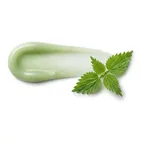 Urtica Dioica Extract
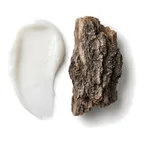 Camphor Oil Bark
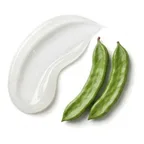 Ceratonia Siliqua Gum Locust Bean Gum
 Glycerin
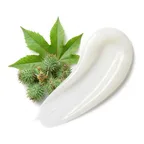 Hydrogenated Castor Oil
Average
- HighCombination Skin Fit
- AverageEffectiveness
- HighSafety
Works for acne-prone skin; other products fit it better.
This fit is calculated for the concerns frequently associated with acne-prone skin: breakouts, blackheads, and post-acne marks. For scores and recommendations based on your full skin profile, including your 12D face scan results and any goals or preferences you have, please use the Lovi app.
Updated How the Fit score works
Lovi Assistant explains
- Offers moderate exfoliation suitable for combination skin, as Urtica Dioica Extract and Camphor Oil Bark provide seboregulation and anti-inflammatory action, which can help smooth texture.
- While it offers general hydration and cleansing benefits, the formula lacks targeted ingredients like salicylic acid or benzoyl peroxide to effectively address your acne, blemishes, and breakouts.
- The safety profile is good, with no risks of irritation for your acne-prone skin due to the absence of harsh ingredients and the presence of soothing components.
How to apply
- Use this exfoliant PM once a week to start, and gradually increase if your combination skin tolerates it well. Always apply SPF the next morning to protect your clear skin.
- Apply the exfoliant after cleansing and toning, but right before your moisturizer step. This ensures the treatment targets blemishes effectively.
- Gently press 2-3 drops of the exfoliant into your skin without rubbing. Let it absorb for a minute before moving to the next step.
- Apply the exfoliant on clean, dry skin to help control breakouts safely. Since your skin is not sensitive, this dry application method ensures good product absorption.
- Avoid the sensitive eye area and do a patch test before your first use. Do not mix this exfoliant with other strong acids in the same routine.
People Say
★4.8Overall rating based on 100+ reviewsThis exfoliating gel is highly praised for its gentle, enzymatic peeling action that effectively removes dead skin cells and unclogs pores without causing irritation. Users with sensitive and acne-prone skin frequently report improved skin tone, reduced inflammation, and a smoother, more radiant complexion after consistent use.
Highlights
Extremely gentle Mostly Mentioned
- “Perfect for sensitive skin”
- “No irritation”
- “Gentle peeling action”
Non-abrasive Often Mentioned
- “No harsh scrubbing”
- “Microbead-free”
- “Doesn't thin skin”
Smooths texture Often Mentioned
- “Skin feels soft”
- “Improved skin texture”
- “Erases dead skin”
Brightens complexion Sometimes Noted
- “Leaves skin glowing”
- “Enhanced radiance”
- “Brighter skin tone”
Requires technique Sometimes Noted
- “Takes time to dry”
- “Needs proper massage”
High price Rarely Noted
- “A bit expensive”
- “Premium pricing”
Mild exfoliation Rarely Noted
- “Too mild for some”
- “Not for deep scrubbing”
Strong scent Rarely Noted
- “Strong botanical smell”
- “Scent is noticeable”
Sources: lovi.care, sonage.com, whowhatwear.com, ewg.org, and more
Questions and answers
How well does Sonage Gommage work for acne-prone skin?
This exfoliant works moderately well for acne-prone skin because it offers gentle texture smoothing, but it lacks targeted ingredients like salicylic acid to effectively address breakouts. It is unlikely to cause irritation due to its soothing components and safe profile. For better results, an acne-prone skin type needs products with targeted ingredients like niacinamide, propolis, or zinc PCA that treat blemishes while balancing oil and hydration.
Which ingredients make this exfoliant a good fit for acne-prone skin?
Urtica Dioica Extract and Camphor Oil Bark make this exfoliant a good fit for acne-prone skin because they provide seboregulation and anti-inflammatory action that helps smooth texture. However, because it lacks ingredients like salicylic acid or benzoyl peroxide to effectively address breakouts, acne-prone skin needs products containing ingredients like niacinamide, propolis, and zinc PCA for better benefits.
What does Nettle Extract do for acne-prone skin?
Nettle extract helps clear acne-prone skin by fighting blemish-causing bacteria and calming redness and swelling. It may also soothe irritation and protect skin cells from daily stress thanks to its strong antioxidant properties.
What does Camphor Oil do for acne-prone skin?
Camphor oil helps calm acne-prone skin by reducing swelling and fighting bacteria that cause breakouts. While it is often used for clearing skin, some people may find it irritating, so it should be used with care.
Where does it go in a skincare routine for acne-prone skin?
This exfoliant treatment goes in the evening routine, starting at once a week before moving up if your skin tolerates it well. It offers moderate exfoliation and soothing benefits that help smooth texture, but acne-prone skin needs targeted ingredients like salicylic acid or benzoyl peroxide to effectively address breakouts.
Can I use this exfoliant with retinol, and in what order?
You can use this exfoliant in your routine, but because it is an average fit for your acne-prone skin, it is better to use it on nights you do not use retinol to avoid irritation. An acne-prone skin routine needs targeted ingredients like salicylic acid or benzoyl peroxide to effectively address breakouts.
How often should I use it?
Start using this treatment once a week in your evening routine, and if your skin tolerates it well without irritation, you may carefully use it more often. Acne-prone skin requires targeted ingredients like salicylic acid or benzoyl peroxide to effectively address breakouts and blemishes.
Can this exfoliant clog pores, cause breakouts or purging for acne-prone skin?
This exfoliant is unlikely to cause irritation for your acne-prone skin, but it may not stop breakouts since it lacks targeted blemish-fighting ingredients. An effective product for this skin needs powerful blemish-clearing ingredients like salicylic acid or benzoyl peroxide.
Is it fragrance-free and alcohol-free?
Yes, it has no fragrance and no drying alcohol.
What the research says
Polyphenolic fractions from Urtica dioica leaves and flowers exhibited strong antioxidant and anti-inflammatory activities by reducing intracellular ROS, enhancing antioxidant enzymes, attenuating lipid peroxidation, and decreasing pro-inflammatory cytokine secretion in human skin cells.
Molecules, 2025Topical application of a methyl salicylate gel with turpentine essence, camphor, and menthol achieved skin penetration and significantly reduced pro-inflammatory gene expression compared to untreated controls in human skin explants.
Farmaceuticos Comunitarios, 2024Detergent containing castor wax beads caused significantly lower transepidermal water loss and erythema compared with walnut shell powder while providing comparably superior cleaning to detergent alone in 30 healthy volunteers.
The British Journal of Dermatology, 2010Camphor oil treatment achieved complete cure of human facial demodicidosis at concentrations of 100%, 75%, and 50%, and an incomplete cure with a marked drop in infestation density at 25-20% concentrations.
Journal of the Egyptian Society of Parasitology, 2002Camphor induced human primary dermal fibroblast proliferation and collagen expression while reducing UV-induced MMP1 expression and wrinkle formation in mouse skin.
Phytotherapy Research, 2015A single application of a moisturizing fluid containing hyaluronic acid 1%, glycerin 5%, and Centella asiatica stem cells extract significantly increased skin hydration by 29% and reduced transepidermal water loss at 24 hours compared to baseline and an untreated control site in twenty healthy women.
Clinical, Cosmetic and Investigational Dermatology, 2017The emollient V0034CR significantly reduced TEWL compared to vehicle and vehicle plus glycerol, and significantly increased corneometry scores compared to vehicle and vehicle plus petrolatum in healthy volunteers with dry skin, demonstrating combined barrier function improvement from petrolatum and hydration improvement from glycerol.
Journal of Cosmetic Dermatology, 2020Ten days of treatment with a cream containing 20% glycerin significantly increased skin hydration measured by corneometer values in 17 healthy volunteers compared to a placebo cream, but showed no influence on transepidermal water loss or skin sensitivity to an irritating surfactant.
International Journal of Cosmetic Science, 2001Resveratrol microemulsion gel significantly increased drug penetration, skin retention, and inhibition of tyrosinase activity and melanin production compared to suspension, with no side effects observed in 15 volunteers.
Drug Development and Industrial Pharmacy, 2023Emulsions formulated with Buriti oil, Sorbitan Monooleate, PEG-40 castor oil, and panthenol reduced radiation-induced damage in keratinocytes and fibroblasts compared to non-treated cells, whereas formulations with ethoxylated fatty alcohols and alpha-tocopherol caused phototoxic damage.
Food and Chemical Toxicology, 2010Castor oil absorbs ultraviolet and near infrared light effectively among the tested oil matrix raw materials, which enhances the sun-screening effect in skin care products.
Guang Pu Xue Yu Guang Pu Fen Xi = Guang Pu, 2005
Why other products fit acne-prone skin better
Topical benzoyl peroxide 5% gel treatment improved acne severity, sebum, stratum corneum hydration, and transepidermal water loss, while significantly reducing microbial diversity and the prevalence of Cutibacterium in 33 patients with acne vulgaris.
Dermatologic Therapy, 2022Topical benzoyl peroxide may improve acne more effectively than placebo or no treatment, while showing little to no difference compared with adapalene or clindamycin, but with an increased risk of treatment discontinuation due to adverse effects compared to placebo.
The Cochrane Database of Systematic Reviews, 2020Co-delivery of paeonol and madecassoside via nanoemulsions improved transdermal delivery, promoted barrier repair proteins, inhibited inflammatory cytokine secretion in cellular and 3D models, and reduced transepidermal water loss and acne in human facial skin compared to free components.
Molecules, 2023
Ingredients
Water, Glycerin, Sorbitan Oleate Decylglucoside Crosspolymer, Hydrogenated Castor Oil, Ceratonia Siliqua Gum Locust Bean Gum, Camphor Oil Bark, Urtica Dioica Extract, Citrus Aurantifolia Oil Leaf, Magnesium Chloride, Disodium Salt, Sodium Chloride, Phenoxyethanol, Ethylhexylglycerin
Behind this fit score
Lovi calculates every fit score from the full ingredient list with brand-independent rules our dermatologists and cosmetic chemists build and review, and personalizes every pick with AI trained on the real results of millions of users. Lovi trains its fit score models on a proprietary dataset built from more than 10,000 expert-labeled products and more than 100,000 simulated examples, following an internally consistent methodology presented at Cosmoprof, AMWC, and Skin of Color Update.
-

Co-founder, Medical Director
Cosmetic chemist, cosmetologist, aesthetic products developer
-

Co-founder, CEO and CTO
PhD in computer science, 3x US patent holder, ex-Google, ex-Yandex
-

Dr. Sofía Perea Pérez, MD, MSc
Medical Board
Aesthetic medicine practitioner, MSc in Longevity and Anti-Aging Medicine
-

Medical Board
Specialist dermatologist, MBBS, MD, IFAAD
-

Medical Board
Cosmetic chemist, SCS, IFSCC member
-

Medical Board, Medical Advisor
Dermatology MD
-

Elina Nazarenko, MD
Medical Board
Dermatology and diagnostic consultant
-

Victoria Derkova, MS
Medical Board
Cosmetic chemist, cosmetic development technologist


How does it fit your skin?
Scan your face, then any product: Lovi shows how well it fits you and what fits even better.