
Some By Mi V10 Hyal Air Fit Sunscreen for combination skin

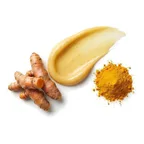 Curcuma Longa
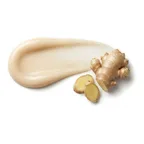 Zingiber Officinale
 Vitamin E
 Ascorbic Acid
 Niacinamide
High
- HighCombination Skin Fit
- HighEffectiveness
- HighSafety
A great choice for combination skin; a few sunscreens fit it even better.
This fit is calculated for the concerns frequently associated with combination skin: an oily T-zone, enlarged pores, and dry cheeks. For scores and recommendations based on your full skin profile, including your 12D face scan results and any goals or preferences you have, please use the Lovi app.
Updated How the Fit score works
Lovi Assistant explains
- This sunscreen offers high compatibility with your combination skin, as niacinamide and Melaleuca Alternifolia Tree Leaf Extract help regulate sebum production and reduce inflammation, addressing your oily shine concerns.
- The formulation also includes Centella Asiatica Extract, which further soothes and calms the skin, enhancing its suitability for your skin type.
- It provides excellent broad-spectrum sun protection with a blend of UV filters and is formulated without harsh ingredients, making it safe for your skin.
Buy online

Prices checked 20 Nov 2026
The Lovi Fit is the same in every country; only the stores and prices differ, and the ones here are for India.
How to apply
- Apply this moisturizing sunscreen AM daily to protect your skin and control shine. Reapply as needed throughout the day.
- Use it as the final step of your morning routine after applying your moisturizer. It combines hydration and sun protection in one.
- Gently smooth a nickel-sized amount evenly over your face, avoiding harsh rubbing. Let it absorb fully before putting on makeup.
- Apply it directly to clean, dry skin for the best oil-controlling finish. Ensure your face is completely dry so the product sets properly.
- Avoid the immediate eye area during application. Do a patch test before your first use to check for any sensitivity.
People Say
★4.6Overall rating based on 400+ reviewsThis lightweight chemical sunscreen is highly praised for its moisturizing properties and invisible finish, making it suitable for dry and sensitive skin types. However, users with oily or combination skin frequently report a greasy residue, and the strong citrus scent is a common complaint.
Highlights
No white cast Mostly Mentioned
- “leaves behind no white cast”
- “completely invisible finish”
- “zero white cast on brown skin”
Lightweight texture Often Mentioned
- “light-as-air consistency”
- “spreads on really nicely”
- “absorbs effortlessly”
Greasy finish Often Mentioned
- “leaves face really greasy”
- “too shiny for combo skin”
- “looks oily after a few hours”
Strong fragrance Often Mentioned
- “overwhelming citrus fragrance”
- “smells like soap”
- “scent is too potent”
Hydrating formula Sometimes Noted
- “leaves skin soft and silky”
- “great for dry skin”
- “feels like a moisturizer”
Makeup compatibility Sometimes Noted
- “sits fine under makeup”
- “creates a seamless base”
- “no pilling with foundation”
Eye irritation Sometimes Noted
- “stings my eyes”
- “burns if applied too close”
- “causes tearing”
Slow absorption Rarely Noted
- “takes a while to rub in”
- “feels tacky at first”
- “stays wet for minutes”
Sources: lovi.care, iherb.com, sokoglam.com, gopicky.com, stylekorean.com, yesstyle.com, and more
Questions and answers
What makes SOME BY MI V10 Hyal Air Fit Sunscreen a great fit for combination skin?
This sunscreen is a great fit because niacinamide and tea tree leaf extract help balance oily shine while calming redness. Centella asiatica extract further soothes the skin and helps keep it moisturized.
Indian Journal of Pharmaceutical Sciences, 2016Indian Journal of Dermatology, Venereology and Leprology, 2007
Which ingredients make this sunscreen a good fit for combination skin?
This sunscreen is a great fit for your combination skin because niacinamide and tea tree leaf extract help balance oil and calm redness, while Centella Asiatica extract further soothes and keeps skin comfortable. It also provides reliable broad-spectrum sun protection without harsh ingredients.
Indian Journal of Pharmaceutical Sciences, 2016Indian Journal of Dermatology, Venereology and Leprology, 2007
What does Turmeric do for combination skin?
Turmeric helps calm combination skin by reducing redness and inflammation while balancing oil and dryness. It provides antioxidants that protect against skin aging and irritation, though it may occasionally act as a contact allergen for some people.
Journal of Cellular Physiology, 2019The Journal of Clinical and Aesthetic Dermatology, 2015
What does Ginger Root Extract do for combination skin?
Ginger Root Extract helps calm redness and protects combination skin from daily stress and irritation. It supports a smooth, balanced feel while fighting early signs of aging caused by the sun.
Journal of Photochemistry and Photobiology. B, Biology, 2019Archives of Dermatological Research, 2008
Where does this sunscreen go in a skincare routine for combination skin?
This sunscreen is applied as the final step in your morning routine, right after your moisturizer. It offers a great fit for your combination skin because ingredients like niacinamide and tea tree leaf extract help balance oil and calm redness.
International Journal of Cosmetic Science, 2020Indian Journal of Dermatology, Venereology and Leprology, 2007
Can I use this sunscreen with retinol, and in what order?
You can use this sunscreen in the morning as the final step before sun exposure, which works well after applying a retinol product in your evening routine. Using a gentle moisturizing sunscreen helps protect sensitive skin while keeping it calm and comfortable throughout the day.
How often should I use this sunscreen?
Apply this sunscreen every morning as the final step in your daytime routine, and reapply throughout the day when exposed to the sun. Daily use helps protect your skin from UV rays while keeping excess oil and irritation under control.
Can this sunscreen clog pores, cause breakouts or purging for combination skin?
This sunscreen is unlikely to clog pores or cause breakouts on combination skin because it includes ingredients that help control oily shine and calm the skin. However, some reviewers do mention a greasy finish, which is something to keep in mind if your skin tends to clog easily.
Indian Journal of Pharmaceutical Sciences, 2016Indian Journal of Dermatology, Venereology and Leprology, 2007
What the research says
Topical 5% tea tree oil gel significantly improved total acne lesions and acne severity index compared to placebo in 60 patients with mild to moderate acne vulgaris, showing 3.55 times and 5.75 times greater efficacy respectively.
Indian Journal of Dermatology, Venereology and Leprology, 2007A cream combining propolis, tea tree oil, and Aloe vera reduced erythema scars, acne severity index, and total lesion count better than erythromycin cream in sixty patients with mild to moderate acne vulgaris compared to placebo.
Clinical Pharmacology, 2018Cosmetic formulations containing 5% Centella asiatica extract showed the best efficacy in improving skin moisture and decreasing transepidermal water loss, while also exhibiting antiinflammatory properties in 25 volunteers compared to baseline measurements.
Indian Journal of Pharmaceutical Sciences, 2016Co-delivery of paeonol and madecassoside via nanoemulsions improved transdermal delivery, promoted barrier repair proteins, inhibited inflammatory cytokine secretion in cellular and 3D models, and reduced transepidermal water loss and acne in human facial skin compared to free components.
Molecules, 2023Topical application of curcumin or turmeric treats various skin conditions by leveraging antioxidant, anti-inflammatory, and antimicrobial properties.
Skin Pharmacology and Physiology, 2023A curcumin-loaded spanlastic anti-aging gel utilizing formula F5 incorporated into 2% HPMC E50 demonstrated sustained release action, compatibility, and the ability to penetrate skin layers to a depth of about 112.5 um without signs of irritation.
Saudi Pharmaceutical Journal, 2024A 1-year clinical study on human facial skin demonstrated that Zingiber officinale (L.) Rose extract inhibits the UV-induced decrease in skin elasticity and prevents or improves wrinkle formation around the eye.
Archives of Dermatological Research, 2008Acetyl zingerone improves extracellular matrix integrity and exerts retinoid-like effects on differentiation and inflammation in reconstituted human epidermis compared to zingerone.
The Journal of Investigative Dermatology, 2020Treatment with 6-shogaol prevents UVB-mediated inflammation, oxidative stress, MAPK overexpression, and apoptosis in human epidermal keratinocytes compared to untreated cells exposed to UVB.
Journal of Photochemistry and Photobiology. B, Biology, 2019Topical application of an antioxidant serum containing 15% ascorbic acid, 0.5% ferulic acid, and 1% tocopherol prevented particulate matter-induced degradation of extracellular matrix components, inflammation, and oxidative stress in the skin of 15 female volunteers compared to untreated controls.
Journal of Cosmetic Dermatology, 2025Dermatological products containing d-alpha tocopheryl acetate showed non-comedogenic potential with less than a 50% increase in microcomedones in 12 healthy male subjects compared to octyl palmitate.
Contemporary Clinical Trials Communications, 2021Topical application of an antioxidant mix containing 15% ascorbic acid, 0.5% ferulic acid, and 1% tocopherol prevented PM and UV-induced skin barrier perturbation, lipid peroxidation, inflammatory markers, MMP9 activation, and Type I collagen loss in 15 healthy females compared to untreated exposed skin.
Journal of Cosmetic Dermatology, 2024Topical application of 5% vitamin C cream significantly improved global clinical scores, increased skin microrelief density, and induced elastic tissue repair in photoaged skin compared to excipient control in healthy female volunteers.
Experimental Dermatology, 2003Topical application of VC-IP cream twice daily for 8 weeks reduces periorbital wrinkles in female subjects compared to a placebo cream.
Journal of Cosmetic Dermatology, 2022Topical treatment with 5% vitamin C and 0.1% madecassoside significantly improved clinical scores for wrinkles, suppleness, firmness, roughness, and skin hydration, along with functional and structural remodeling of the elastic fiber network in 20 female volunteers with photoaged skin after 6 months compared to baseline.
Experimental Dermatology, 2008Topical nicotinamide prevented solar-simulated UV-induced immunosuppression in healthy volunteers, and men experienced immunosuppression at solar-simulated UV doses three times lower than those required for women.
The Journal of Investigative Dermatology, 2008Topical 5% niacinamide applied twice daily for 12 weeks reduced fine lines and wrinkles, hyperpigmented spots, red blotchiness, and skin sallowness, and improved skin elasticity compared to vehicle control in 50 female white subjects with facial photoaging.
Dermatologic Surgery, 2005Topical 2% niacinamide significantly decreased sebum excretion rate in Japanese individuals and casual sebum levels in Caucasian individuals compared to placebo or baseline.
Journal of Cosmetic and Laser Therapy, 2006
Ingredients
Water, Homosalate, Octocrylene, Octisalate, Avobenzone, Butyloctyl Salicylate, Dicaprylyl Carbonate, Cetearyl Alcohol, Dipropylene Glycol, Cetearyl Glucoside, Poly C10-30 Alkyl Acrylate, Sorbitan Olivate, Polymethylsilsesquioxane, Niacinamide, Benzyl Glycol, Glyceryl Stearate Se, Butylene Glycol, Panthenol, Arginine, Carbomer, Brassica Oleracea Italica Extract, Melaleuca Alternifolia Tree Leaf Extract, Hydroxypropyl Methylcellulose Stearoxy Ether, Centella Asiatica Extract, Camellia Sinensis Leaf Water, Tocopherol, Disodium Edta, Ethylhexylglycerin, Xanthan Gum, Adenosine, 1,2-Hexanediol, Bambusa Vulgaris Leaf Extract, Oldenlandia Diffusa Extract, Lonicera Caprifolium Extract Honeysuckle Extract, Yeast Extract, Limonia Acidissima Extract, Sodium Hyaluronate, Propanediol, Sodium Hyaluronate Crosspolymer, Ascorbyl Propyl Hyaluronate, Hydrolyzed Glycosaminoglycans, Glycerin, Madecassic Acid, Asiaticoside, Asiatic Acid, Caprylyl Glycol, Sodium Ascorbyl Phosphate, Hydrolyzed Hyaluronic Acid, Biotin, Cyanocobalamin, Ascorbic Acid, Folic Acid, Thiamine Hcl, Riboflavin, Pyridoxine, Citral, Benzyl Salicylate, Linalool, Limonene
Behind this fit score
Lovi calculates every fit score from the full ingredient list with brand-independent rules our dermatologists and cosmetic chemists build and review, and personalizes every pick with AI trained on the real results of millions of users. Lovi trains its fit score models on a proprietary dataset built from more than 10,000 expert-labeled products and more than 100,000 simulated examples, following an internally consistent methodology presented at Cosmoprof, AMWC, and Skin of Color Update.
-

Co-founder, Medical Director
Cosmetic chemist, cosmetologist, aesthetic products developer
-

Co-founder, CEO and CTO
PhD in computer science, 3x US patent holder, ex-Google, ex-Yandex
-

Dr. Sofía Perea Pérez, MD, MSc
Medical Board
Aesthetic medicine practitioner, MSc in Longevity and Anti-Aging Medicine
-

Medical Board
Specialist dermatologist, MBBS, MD, IFAAD
-

Medical Board
Cosmetic chemist, SCS, IFSCC member
-

Medical Board, Medical Advisor
Dermatology MD
-

Elina Nazarenko, MD
Medical Board
Dermatology and diagnostic consultant
-

Victoria Derkova, MS
Medical Board
Cosmetic chemist, cosmetic development technologist


How does it fit your skin?
Scan your face, then any product: Lovi shows how well it fits you and what fits even better.