
SkinCeuticals Redness Neutralizer for oily acne-prone skin

 Squalane
 Glycerin
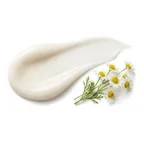 Bisabolol
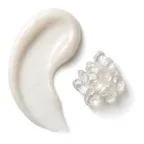 Palmitoyl Tripeptide-8
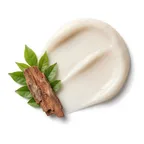 Eperua Falcata Bark Extract
Average
- HighOily Skin Fit
- AverageEffectiveness
- HighSafety
Works for oily acne-prone skin; other serums fit it better.
This fit is calculated for the concerns frequently associated with oily acne-prone skin: shine, breakouts, blemishes, and enlarged pores. For scores and recommendations based on your full skin profile, including your 12D face scan results and any goals or preferences you have, please use the Lovi app.
Updated How the Fit score works
Lovi Assistant explains
- Offers moderate redness reduction for your oily skin due to bisabolol and palmitoyl tripeptide-8, which calm and soothe inflammation, while zinc gluconate helps regulate oil production.
- While the formula provides general hydration and soothing benefits, it lacks targeted ingredients like salicylic acid to effectively manage your acne, blemishes, and breakouts.
- The product is safe for your oily skin, with no risks of irritation from harsh or prohibited ingredients.
How to apply
- Could be used as part of your PM routine. Start 3 times a week and build up to daily use if your skin tolerates it well.
- Apply your serum after cleansing and toning, but before putting on your moisturizer.
- Gently press 2 to 3 drops of the serum into your skin and let it absorb for a minute.
- Apply the serum on clean, dry skin to help manage your blemishes safely.
- Do a patch test before your first use and avoid the delicate eye area.
People Say
★4.3Overall rating based on 400+ reviewsWhile the majority report a calmer, more even complexion, a small subset of users found it ineffective for their specific condition or experienced minor breakouts.
Highlights
Reduces redness Mostly Mentioned
- “reduced redness tremendously”
- “magic for red nose”
- “visibly reduced redness”
- “less reactive over time”
Instantly soothing Often Mentioned
- “instant soothing effect”
- “calms irritation”
- “nice cooling sensation”
- “relieves burning feeling”
Lightweight texture Often Mentioned
- “absorbs quickly”
- “not greasy or heavy”
- “light in texture”
- “does not pill”
Hydrates & softens Sometimes Noted
- “skin feels hydrated”
- “leaves face soft”
- “smooths texture”
- “improves radiance”
High price point Sometimes Noted
- “reasonably expensive”
- “not worth the price”
- “expensive for the amount”
- “pricey investment”
Caused breakouts Rarely Noted
- “caused breakouts”
- “more pimples than usual”
- “random pustules”
- “clogged pores”
Ineffective for some Rarely Noted
- “did absolutely nothing”
- “no change in redness”
- “skip on this product”
- “saw no results”
Not moisturizing enough Rarely Noted
- “not hydrating enough”
- “skin felt tight”
- “need extra moisturizer”
- “left skin oily”
Sources: lovi.care, dermstore.com, lovelyskin.com, bluemercury.com, skinceuticals.com.au, walmart.com, and more
Questions and answers
How well does SkinCeuticals Redness Neutralizer work for oily acne-prone skin?
SkinCeuticals Redness Neutralizer is an average fit for oily acne-prone skin, helping calm redness and soothe irritation while providing general hydration without irritation. However, because it lacks ingredients like salicylic acid to target breakouts, treatments for this skin need ingredients such as niacinamide, propolis, benzoyl peroxide, or Vitamin C to properly manage acne.
Clinical, Cosmetic and Investigational Dermatology, 2017Journal of Cosmetic Dermatology, 2026
Which ingredients make this cream a good fit for oily acne-prone skin?
This cream helps calm redness on oily acne-prone skin using bisabolol, palmitoyl tripeptide-8, and zinc gluconate. However, it lacks targeted ingredients like salicylic acid to effectively manage breakouts. A treatment for this skin needs ingredients like niacinamide, propolis, or benzoyl peroxide to control oil and treat acne.
Journal of Cosmetic Dermatology, 2026Clinical, Cosmetic and Investigational Dermatology, 2023
What does Squalane do for oily acne-prone skin?
Squalane helps keep oily and acne-prone skin soft and smooth without feeling heavy, but it is important to choose pure, stable versions since damaged or oxidized oils may cause irritation. This ingredient also protects skin cells from sun damage and everyday stress while supporting a healthy moisture barrier.
The Journal of Investigative Dermatology, 2006Antioxidants, 2025
What does Glycerin do for oily acne-prone skin?
Glycerin helps keep oily acne-prone skin hydrated without feeling heavy. It draws moisture into the skin while supporting the skin barrier so it stays soft and balanced.
The British Journal of Dermatology, 2008Clinical, Cosmetic and Investigational Dermatology, 2017
Where does it go in a skincare routine for oily acne-prone skin?
This treatment goes in the evening routine after cleansing and before your moisturizer. Oily acne-prone skin also needs targeted ingredients like salicylic acid to help manage blemishes and breakouts.
Can I use this cream with retinol, and in what order?
You can use this cream alongside retinol by applying the retinol first and following with this treatment to help calm and soothe your skin. It is safe for oily skin and is unlikely to cause irritation, though it lacks targeted ingredients like salicylic acid that this skin type needs to manage breakouts.
How often should I use it?
Use this treatment in the evening as part of your routine. It is unlikely to irritate oily skin, but it needs ingredients like salicylic acid to properly manage acne and breakouts.
Can this cream clog pores, cause breakouts or purging for oily acne-prone skin?
This cream is unlikely to irritate your skin, but it may cause breakouts for some people since it lacks ingredients like salicylic acid to properly manage acne. Oily acne-prone skin typically needs targeted blemish-clearing ingredients to stay clear.
Is it fragrance-free and alcohol-free?
It has no drying alcohol and contains fragrance (farnesol). Cetyl alcohol is a fatty alcohol, which soften the skin.
What the research says
A dermocosmetic cream containing Punica granatum Pericarp extract, Salicylic acid, Niacinamide, Zinc gluconate, and Aqua Posae Filiformis significantly decreased inflammatory, non-inflammatory, and total lesion counts in subjects with mild to moderate acne compared to untreated hemi-faces after 15 days.
Journal of Cosmetic Dermatology, 2026Daily use of a deep cleansing gel containing salicylic acid 2%, zinc gluconate 0.2% and lipohydroxy acid 0.05% significantly reduced total lesion count by 56.3% after 84 days in 35 subjects with mild to moderate truncal acne.
Clinical, Cosmetic and Investigational Dermatology, 2023A single application of a moisturizing fluid containing hyaluronic acid 1%, glycerin 5%, and Centella asiatica stem cells extract significantly increased skin hydration by 29% and reduced transepidermal water loss at 24 hours compared to baseline and an untreated control site in twenty healthy women.
Clinical, Cosmetic and Investigational Dermatology, 2017Application of fullerene-C60 dissolved in squalane cream twice daily for 8 weeks significantly enhanced skin moisture and reduced wrinkle formation compared to placebo in 23 Japanese women without severe side effects.
Journal of Nanoscience and Nanotechnology, 2010Squalane at 0.005-0.015% counteracts UVA-induced oxidative stress, inflammation, and collagen metabolism inhibition while stimulating fibroblast migration in human dermal fibroblasts.
Molecules, 2025Plant-derived squalane protected human dermal fibroblasts against UVA-induced damage by counteracting ROS formation, suppressing apoptosis-related proteins p53, caspase-3, caspase-9, and PARP, and restoring the pro-survival p-Akt/mTOR pathway.
Antioxidants, 2025The emollient V0034CR significantly reduced TEWL compared to vehicle and vehicle plus glycerol, and significantly increased corneometry scores compared to vehicle and vehicle plus petrolatum in healthy volunteers with dry skin, demonstrating combined barrier function improvement from petrolatum and hydration improvement from glycerol.
Journal of Cosmetic Dermatology, 2020Ten days of treatment with a cream containing 20% glycerin significantly increased skin hydration measured by corneometer values in 17 healthy volunteers compared to a placebo cream, but showed no influence on transepidermal water loss or skin sensitivity to an irritating surfactant.
International Journal of Cosmetic Science, 2001Niacinamide/glycerin body moisturizers provided better rapid and prolonged improvement of cosmetic xerosis through functional improvement of stratum corneum barrier function compared to no treatment and conventional moisturizers in female subjects.
Journal of Drugs in Dermatology, 2012Application of an alpha-bisabolol-containing cream produced a significant skin-lightening effect in pigmented skin compared to a vehicle control in the majority of female subjects after 8 weeks.
International Journal of Cosmetic Science, 2010The combination of allantoin, bisabolol, D-panthenol and dipotassium glycyrrhizinate reduces UVB-induced PGE2, inflammatory cytokines, and mitochondrial superoxide in human epidermal keratinocytes.
International Journal of Cosmetic Science, 2024
Why other serums fit oily acne-prone skin better
Topical benzoyl peroxide 5% gel treatment improved acne severity, sebum, stratum corneum hydration, and transepidermal water loss, while significantly reducing microbial diversity and the prevalence of Cutibacterium in 33 patients with acne vulgaris.
Dermatologic Therapy, 2022Co-delivery of paeonol and madecassoside via nanoemulsions improved transdermal delivery, promoted barrier repair proteins, inhibited inflammatory cytokine secretion in cellular and 3D models, and reduced transepidermal water loss and acne in human facial skin compared to free components.
Molecules, 2023A cream combining propolis, tea tree oil, and Aloe vera reduced erythema scars, acne severity index, and total lesion count better than erythromycin cream in sixty patients with mild to moderate acne vulgaris compared to placebo.
Clinical Pharmacology, 2018
Ingredients
Water, Squalane, Glycerin, Isopropyl Lauroyl Sarcosinate, Undecane, Butyrospermum Parkii Butter Shea Butter, Tridecane, Peg-100 Stearate, Glyceryl Stearate, Peg-20 Stearate, Ammonium Polyacryldimethyltauramide, Ammonium Polyacryloyldimethyl Taurate, Bisabolol, Butylene Glycol, Caffeine, Caprylyl Glycol, Carbomer, Cetyl Alcohol, Dextrin, Disodium Edta, Eperua Falcata Bark Extract, Farnesol, Palmitoyl Tripeptide-8, Panthenol, Pentaerythrityl Tetra-Di-T-Butyl Hydroxyhydrocinnamate, Sodium Benzoate, Tocopherol, Triethanolamine, Xanthan Gum, Zinc Gluconate
Behind this fit score
Lovi calculates every fit score from the full ingredient list with brand-independent rules our dermatologists and cosmetic chemists build and review, and personalizes every pick with AI trained on the real results of millions of users. Lovi trains its fit score models on a proprietary dataset built from more than 10,000 expert-labeled products and more than 100,000 simulated examples, following an internally consistent methodology presented at Cosmoprof, AMWC, and Skin of Color Update.
-

Co-founder, Medical Director
Cosmetic chemist, cosmetologist, aesthetic products developer
-

Co-founder, CEO and CTO
PhD in computer science, 3x US patent holder, ex-Google, ex-Yandex
-

Dr. Sofía Perea Pérez, MD, MSc
Medical Board
Aesthetic medicine practitioner, MSc in Longevity and Anti-Aging Medicine
-

Medical Board
Specialist dermatologist, MBBS, MD, IFAAD
-

Medical Board
Cosmetic chemist, SCS, IFSCC member
-

Medical Board, Medical Advisor
Dermatology MD
-

Elina Nazarenko, MD
Medical Board
Dermatology and diagnostic consultant
-

Victoria Derkova, MS
Medical Board
Cosmetic chemist, cosmetic development technologist


How does it fit your skin?
Scan your face, then any product: Lovi shows how well it fits you and what fits even better.