
Shangpree Pore Tightening Mask for skin with dark spots

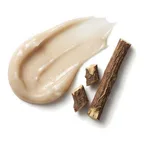 Glycyrrhiza Glabra Root Extract Licorice Root Extract
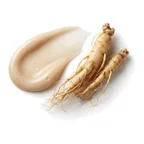 Panax Ginseng Root Extract
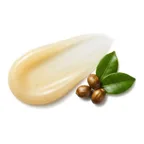 Camellia Japonica Seed Oil
 Sodium Hyaluronate
 Aloe Barbadensis Leaf Juice
High
- HighNormal Skin Fit
- HighEffectiveness
- ExcellentSafety
A great choice for skin with dark spots; a few cleansing masks fit it even better.
This fit is calculated for the concerns frequently associated with dark spots: hyperpigmentation, sun spots, and uneven skin tone. For scores and recommendations based on your full skin profile, including your 12D face scan results and any goals or preferences you have, please use the Lovi app.
Updated How the Fit score works
Lovi Assistant explains
- Highly suitable for your normal skin, this mask effectively addresses pigmentation with Glycyrrhiza Glabra Root Extract while kaolin and bentonite deeply cleanse pores by absorbing excess oil and impurities.
- Glycerin and Sodium Hyaluronate provide essential hydration, complementing the emollient properties of Camellia Japonica Seed Oil and Apricot Kernel Oil for balanced skin.
- The formula is safe for your skin, featuring soothing Aloe Barbadensis Leaf Juice and avoiding harsh ingredients.
How to apply
- Use this cleansing mask once a week to start, and increase frequency only if your skin feels fine.
- Apply the cleansing mask in your weekly routine after the cleanser and enzyme powder, but before the hydrating toner.
- Spread an even layer over your face while carefully avoiding the delicate eye area.
- Apply the cleansing mask to clean and dry skin for the best and most comfortable results.
- Always do a patch test before your first use and avoid combining it with strong acids.
People Say
★2.5Overall rating based on 100+ reviewsBased on limited data, the Shangpree Pore Tightening Mask receives a low overall rating. While some users with dry or combination skin found its texture hydrating and non-drying, a significant number reported that it was ineffective at clearing pores or reducing oil. Several reviewers experienced breakouts and felt the product was overpriced for its performance.
Highlights
Ineffective results Mostly Mentioned
- “Pores look the same”
- “Did not clear oil”
- “Nothing to write home about”
Non-drying formula Often Mentioned
- “Leaves skin feeling degunked and hydrated”
- “Doesn't dry like other clay masks”
- “Skin felt smooth but not tight”
Poor value Often Mentioned
- “Not worth the money”
- “Overrated product”
- “Aztec clay works better for less”
Easy application Sometimes Noted
- “No mess mixing up clay”
- “Easy to use”
- “Creamy and smooth texture”
Gentle pore maintenance Sometimes Noted
- “Visibly less blackheads”
- “Less shiny nose”
- “Keeps blackheads at bay”
Caused breakouts Sometimes Noted
- “Face broke out like crazy”
- “Caused acne”
- “Made my skin worse”
Good longevity Rarely Noted
- “Tube lasts 3-4 months”
- “Don't need a thick layer”
Questionable ingredients Rarely Noted
- “Don't like the perfume”
- “Contains DMDM hydantoin”
- “Benzyl alcohol in top four”
Sources: lovi.care, amazon.com, woot.com, natjtan.com, skinbliss.com, skinsort.com, and more
Questions and answers
What makes Shangpree Pore Tightening Mask a great fit for skin with dark spots?
This mask is a great fit because it contains Glycyrrhiza Glabra Root Extract to help fade dark spots while kaolin and bentonite deeply cleanse pores. It also includes glycerin, sodium hyaluronate, and Camellia Japonica Seed Oil to keep your skin balanced and hydrated without irritation.
Which ingredients make this mask a good fit for skin with dark spots?
Glycyrrhiza Glabra Root Extract is the key ingredient that makes this mask a great fit for skin with dark spots by helping to address pigmentation. It works alongside kaolin and bentonite to cleanse pores while glycerin and sodium hyaluronate keep your skin balanced and hydrated.
What does Licorice Root Extract do for skin with dark spots?
Licorice Root Extract helps fade dark spots and uneven tone by slowing down the pigment production in your skin. It also calms redness and protects against everyday skin stress, making it a great option for achieving a clearer, more even complexion with a very low risk of irritation.
What does Ginseng Root Extract do for skin with dark spots?
Ginseng Root Extract helps fade dark spots and uneven skin tone by slowing down the processes that create excess pigment. It is unlikely to irritate skin and may help keep your complexion looking clear and bright.
Where does this mask go in a skincare routine for skin with dark spots?
This mask goes in a weekly skincare routine for skin with dark spots, used as a nourishing mask step alongside a makeup remover, cleanser, enzyme powder, treatment, and moisturizer.
Can I use this mask with retinol, and in what order?
You can use this mask alongside retinol by applying the mask first as part of your cleansing routine, then following with your retinol treatment on separate nights or steps to avoid irritation. This mask helps clear pores and target dark spots with licorice root extract while keeping skin balanced, but check how your skin reacts when combining active ingredients.
How often should I use this mask?
This mask is a great fit for skin with dark spots, and you can use it as part of your weekly routine. It helps clear dark spots and excess oil while keeping your skin calm and balanced.
Can this mask clog pores, cause breakouts or purging for skin with dark spots?
This mask is a great fit and is unlikely to cause breakouts or clogged pores for skin with dark spots, as it features soothing aloe vera and avoids harsh ingredients. However, some reviewers do report moderate breakouts from use.
Is this mask fragrance-free and alcohol-free?
Yes, it has no fragrance and no drying alcohol. Cetearyl alcohol is a fatty alcohol, which soften the skin.
What the research says
A single application of a moisturizing fluid containing hyaluronic acid 1%, glycerin 5%, and Centella asiatica stem cells extract significantly increased skin hydration by 29% and reduced transepidermal water loss at 24 hours compared to baseline and an untreated control site in twenty healthy women.
Clinical, Cosmetic and Investigational Dermatology, 2017Camellia japonica oil activated the human COL1A2 promoter, induced type I procollagen synthesis, inhibited matrix metalloproteinase-1 activity, and reduced trans-epidermal water loss without inducing adverse reactions in human skin.
Journal of Ethnopharmacology, 2007Small extracellular vesicles derived from Aloe vera peels exhibited antioxidant activity, reduced intracellular ROS levels, enhanced human skin cell migration, and upregulated antioxidant-related gene expression in H2O2-treated human keratinocytes.
Tissue Engineering and Regenerative Medicine, 2021Combining 755 nm alexandrite laser with topical licorice gel significantly reduces terminal hair counts compared to alexandrite laser with placebo in women with idiopathic hirsutism.
Evidence-based Complementary and Alternative Medicine, 2015Licochalcone A activated Nrf2 signaling, elevated cytoprotective enzymes, increased the reduced-to-oxidized glutathione ratio, and decreased reactive oxygen species in human fibroblasts and neutrophils, while a LicA-rich licorice extract lowered UVA-induced oxidative processes in vivo.
Experimental Dermatology, 2015Mesoporous silica nanoparticles entrapping licorice polysaccharide and coated with polydopamine showed 76% entrapment efficiency, 89% in vitro release at pH 5, increased sebocytes' cellular uptake, and mediated inflammatory response by inhibiting pro-inflammatory cytokines and regulating anti-inflammatory cytokines.
Carbohydrate Polymers, 2024Enzyme-modified ginseng extract cream significantly reduced the global photo-damage score and various roughness measures including total roughness, smoothness depth, and arithmetic roughness average compared to placebo in 23 human subjects.
Rejuvenation Research, 2015A red ginseng hydrogel formulation with 1,2-hexanediol promoted selective growth of Staphylococcus epidermidis and decreased Cutibacterium acnes in 20 female subjects.
Journal of Ginseng Research, 2022A cream containing 0.1% ginsenoside F1 demonstrated a skin-whitening effect on artificially tanned human skin after 8 weeks by enhancing interleukin-13 production from epidermal gamma-delta T cells, which subsequently suppressed tyrosinase and DCT expression and melanin synthesis in melanocytes.
Experimental Dermatology, 2014Topical application of 0.1% hyaluronic acid formulations of different molecular weights led to significant improvements in skin hydration and elasticity, with low-molecular-weight formulations also significantly reducing wrinkle depth in seventy-six female subjects compared to a vehicle control.
Journal of Drugs in Dermatology, 2011Topical hyaluronic acid serum used twice daily by 40 females with facial photoaging produced an immediate 134% increase in skin hydration, a sustained 55% increase at week 6, and significant improvements in smoothness, plumping, fine lines, wrinkles, and global appearance without causing irritation.
Dermatology and Therapy, 2021A topical antioxidant serum significantly reduced air pollution-induced skin pigmentation and proinflammatory gene expression ex vivo, and improved skin aging signs in 40 healthy adult females after 90 days of daily use.
Journal of Cosmetic Dermatology, 2022A cream combining propolis, tea tree oil, and Aloe vera reduced erythema scars, acne severity index, and total lesion count better than erythromycin cream in sixty patients with mild to moderate acne vulgaris compared to placebo.
Clinical Pharmacology, 2018Formulations containing 0.10%, 0.25%, and 0.50% freeze-dried Aloe vera extract increased stratum corneum water content compared with the vehicle in 20 female subjects, while transepidermal water loss was not modified.
Skin Research and Technology, 2006Kombucha-mediated fermentation of aloe vera gel for 10 and 20 days enhanced its phenolic and flavonoid content, antioxidant capacity, cytoprotective effects, enzyme inhibition against collagenase, elastase, and hyaluronidase, and moisturizing properties compared to unfermented gel.
Molecules, 2025
Ingredients
Water, Kaolin, Glycerin, Dipropylene Glycol, Bentonite, Prunus Armeniaca Kernel Oil Apricot Kernel Oil, Camellia Japonica Seed Oil, Caprylic Capric Triglyceride, Cetearyl Alcohol, Glyceryl Stearate, Peg-100 Stearate, Polysorbate 60, Panax Ginseng Root Extract, Ophiopogon Japonicus Root Extract, Platycodon Grandiflorum Root Extract, Glycyrrhiza Glabra Root Extract Licorice Root Extract, Astragalus Membranaceus Root Extract, Zingiber Officinale Root Extract, Sodium Hyaluronate, Betaine, Aloe Barbadensis Leaf Juice, Sorbitan Sesquioleate, Dmdm Hydantoin, Tocopheryl Acetate, Disodium Edta
Behind this fit score
Lovi calculates every fit score from the full ingredient list with brand-independent rules our dermatologists and cosmetic chemists build and review, and personalizes every pick with AI trained on the real results of millions of users. Lovi trains its fit score models on a proprietary dataset built from more than 10,000 expert-labeled products and more than 100,000 simulated examples, following an internally consistent methodology presented at Cosmoprof, AMWC, and Skin of Color Update.
-

Co-founder, Medical Director
Cosmetic chemist, cosmetologist, aesthetic products developer
-

Co-founder, CEO and CTO
PhD in computer science, 3x US patent holder, ex-Google, ex-Yandex
-

Dr. Sofía Perea Pérez, MD, MSc
Medical Board
Aesthetic medicine practitioner, MSc in Longevity and Anti-Aging Medicine
-

Medical Board
Specialist dermatologist, MBBS, MD, IFAAD
-

Medical Board
Cosmetic chemist, SCS, IFSCC member
-

Medical Board, Medical Advisor
Dermatology MD
-

Elina Nazarenko, MD
Medical Board
Dermatology and diagnostic consultant
-

Victoria Derkova, MS
Medical Board
Cosmetic chemist, cosmetic development technologist


How does it fit your skin?
Scan your face, then any product: Lovi shows how well it fits you and what fits even better.