
Sephora Collection Supreme Cleansing Oil for oily skin

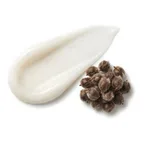 Gossypium Herbaceum Seed Oil
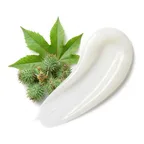 Ricinus Communis Seed Oil Castor Seed Oil
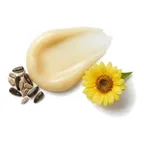 Helianthus Annuus Seed Oil Sunflower Seed Oil
 Tocopherol Vitamin E
 Retinyl Palmitate Vitamin A
Average
- AverageOily Skin Fit
- AverageEffectiveness
- HighSafety
Works for oily skin; other pre-cleansers fit it better.
This fit is calculated for the concerns frequently associated with oily skin: shine, enlarged pores, blackheads, and blemishes. For scores and recommendations based on your full skin profile, including your 12D face scan results and any goals or preferences you have, please use the Lovi app.
Updated How the Fit score works
Lovi Assistant explains
- Offers moderate suitability for your oily skin, as Gossypium Herbaceum Seed Oil and Crambe Abyssinica Seed Oil effectively dissolve makeup and impurities, though sunflower seed oil and jojoba seed oil provide general cleansing and hydration without specifically managing oily shine.
- Mineral oil and ethylhexyl stearate offer emollient action that is moderately suitable for oily skin, but may not be ideal for managing excess sebum.
- The product is safe for your oily skin with no risks of irritation due to the absence of prohibited or harsh ingredients.
How to apply
- Use this makeup remover PM as the first step of your evening routine. Start 3×/week and increase to daily use if your skin tolerates it well.
- Apply this makeup remover before your regular cleanser and toner. It prepares your skin by melting away excess oil and makeup.
- Gently press a small amount onto your dry skin using your fingertips. Massage softly and avoid harsh rubbing to protect your pores.
- Apply this product on dry skin to effectively break down heavy makeup and surface oil. Massage it gently before washing it off with water.
- Avoid the sensitive eye area during application. Do a patch test before your first use to ensure your skin feels comfortable.
People Say
★4.0Overall rating based on 100+ reviewsBased on limited data, users found this oil effective at removing stubborn makeup without drying out the skin, making it suitable for dry and sensitive types. Some users noted a waxy scent and a thin consistency, while others experienced temporary blurry vision. Availability issues were also mentioned.
Highlights
Effective makeup removal Often Mentioned
- “Melts waterproof mascara”
- “removes long-wear foundation”
- “dissolves everything instantly”
Non-drying/Hydrating Often Mentioned
- “Leaves skin soft”
- “no tight feeling”
- “good for dry skin”
Unpleasant scent Often Mentioned
- “Smells like old lipstick”
- “scent of crayons”
- “smells like avocado/banana”
Great value Sometimes Noted
- “Affordable price point”
- “cheaper than high-end”
- “worth every penny”
Rinses clean Sometimes Noted
- “No oily residue”
- “emulsifies well”
- “washes off completely”
Availability issues Sometimes Noted
- “Hard to find”
- “often out of stock”
- “discontinued”
Thin texture Sometimes Noted
- “Too runny”
- “leaks through fingers”
- “hard to control”
Eye clouding Rarely Noted
- “Blurry vision”
- “film on eyes”
- “cloudy eyes after rinsing”
Sources: lovi.care, influenster.com, makeupyourmind.ca, everimpractical.wordpress.com, reddit.com, allthingsbeautifulxo.com, and more
Questions and answers
How well does Sephora Collection Supreme Cleansing Oil work for oily skin?
Sephora Collection Supreme Cleansing Oil works moderately well for oily skin, as its oils effectively dissolve makeup and impurities without causing irritation. However, because it contains heavier oils and lacks oil-controlling ingredients, it may not manage excess shine as well as other options. Oily skin types need lightweight or oil-clearing ingredients that help balance sebum without adding extra richness.
Which ingredients make this cleanser a good fit for oily skin?
Gossypium herbaceum seed oil and crambe abyssinica seed oil help dissolve makeup and impurities on oily skin. Makeup removers for oily skin need lightweight, oil-controlling ingredients that cleanse effectively without rich, heavy oils that can lead to excess shine.
What does Cotton Seed Oil do for oily skin?
Cotton seed oil can help nourish oily skin, but it is relatively heavy and may feel too rich if your skin is prone to breakouts. Oily skin generally needs lightweight, non-greasy hydrators and balancing ingredients that keep pores clear without adding extra shine.
What does Ricinus Communis Seed Oil do for oily skin?
Ricinus Communis Seed Oil helps provide gentle cleaning for oily skin without causing irritation or leaving it dry. It works as an effective alternative to harsh scrubs to keep your skin feeling smooth and comfortable.
Where does this cleanser go in a skincare routine for oily skin?
This makeup remover goes in the evening routine before your regular cleanser, or as a weekly step before cleansing. It is unlikely to cause irritation due to the absence of harsh ingredients, though oily skin of this type needs ingredients that actively help manage excess shine.
Can I use this cleanser with retinol, and in what order?
You can use this makeup remover as the first step of your evening routine before applying your retinol treatment. It is unlikely to irritate your skin, but oily skin of this type needs ingredients that specifically target excess shine and regulate oil production.
How often should I use this cleanser?
You can use this makeup remover in the evening as the first step of your routine, or weekly when you need extra cleansing. It is safe for oily skin and is unlikely to cause irritation, but an oily skin routine often needs ingredients that specifically target excess shine and balance oil production.
Can this cleanser clog pores, cause breakouts or purging for oily skin?
This cleanser is unlikely to cause irritation on oily skin, but it may not help manage excess shine. Oily skin works best with lightweight ingredients that help control oil and keep pores clear.
Is this cleanser fragrance-free and alcohol-free?
Yes, it has no fragrance and no drying alcohol.
What the research says
Detergent containing castor wax beads caused significantly lower transepidermal water loss and erythema compared with walnut shell powder while providing comparably superior cleaning to detergent alone in 30 healthy volunteers.
The British Journal of Dermatology, 2010Clay jojoba oil facial masks reduced total skin lesions by a mean of 54% after 6 weeks in 133 participants with acne-prone, lesioned skin and mild acne compared to baseline.
Forschende Komplementarmedizin, 2012Topical application of jojoba wax reduced LPS-induced secretion of IL-6, IL-8, and TNFα by approximately 30% and increased the synthesis of pro-collagen III and hyaluronic acid compared to untreated skin in an ex-vivo human skin organ culture model.
Frontiers in Pharmacology, 2024Cottonseed oil provides skin barrier support and oxidative stability due to its linoleic to oleic acid ratio, phytosterols, and tocopherols, making it a lightweight emollient for personal care formulations.
Frontiers in Pharmacology, 2025Resveratrol microemulsion gel significantly increased drug penetration, skin retention, and inhibition of tyrosinase activity and melanin production compared to suspension, with no side effects observed in 15 volunteers.
Drug Development and Industrial Pharmacy, 2023Emulsions formulated with Buriti oil, Sorbitan Monooleate, PEG-40 castor oil, and panthenol reduced radiation-induced damage in keratinocytes and fibroblasts compared to non-treated cells, whereas formulations with ethoxylated fatty alcohols and alpha-tocopherol caused phototoxic damage.
Food and Chemical Toxicology, 2010Castor oil absorbs ultraviolet and near infrared light effectively among the tested oil matrix raw materials, which enhances the sun-screening effect in skin care products.
Guang Pu Xue Yu Guang Pu Fen Xi = Guang Pu, 2005Topical application of an antioxidant serum containing 15% ascorbic acid, 0.5% ferulic acid, and 1% tocopherol prevented particulate matter-induced degradation of extracellular matrix components, inflammation, and oxidative stress in the skin of 15 female volunteers compared to untreated controls.
Journal of Cosmetic Dermatology, 2025Dermatological products containing d-alpha tocopheryl acetate showed non-comedogenic potential with less than a 50% increase in microcomedones in 12 healthy male subjects compared to octyl palmitate.
Contemporary Clinical Trials Communications, 2021Topical application of an antioxidant mix containing 15% ascorbic acid, 0.5% ferulic acid, and 1% tocopherol prevented PM and UV-induced skin barrier perturbation, lipid peroxidation, inflammatory markers, MMP9 activation, and Type I collagen loss in 15 healthy females compared to untreated exposed skin.
Journal of Cosmetic Dermatology, 2024Topical bakuchiol 0.5% applied twice daily compared with retinol 0.5% applied daily significantly decreased wrinkle surface area and hyperpigmentation with no statistical difference between the compounds in 44 patients over 12 weeks, while retinol users reported more facial skin scaling and stinging.
The British Journal of Dermatology, 2019Topical 0.3% and 1% retinol comparably improved biomarkers of cutaneous photoageing in photoaged volunteers, while 0.3% retinol demonstrated better tolerance with fewer and milder adverse events compared to 1% retinol in a daily escalation regimen.
International Journal of Cosmetic Science, 2022Daily application of 0.3% and 0.5% retinol serums in 37 volunteers over 12 weeks reduced skin hyperpigmentation, unevenness, and wrinkles on both sides of the face, with the 0.5% concentration causing more frequent and intense skin irritation.
Skin Pharmacology and Physiology, 2020
Why other pre-cleansers fit oily skin better
Topical application of a water-in-oil emulsion containing 2% Muscat hamburg grape seed extract significantly improved melanin, elasticity, and sebum content compared to a placebo in human volunteers over 8 weeks, with no reported skin hypersensitivity.
International Journal of Cosmetic Science, 2015
Ingredients
Gossypium Herbaceum Seed Oil, Crambe Abyssinica Seed Oil, Helianthus Annuus Seed Oil Sunflower Seed Oil, Jojoba Seed Oil, Tocopherol Vitamin E, Retinyl Palmitate Vitamin A, Peg-6 Stearate, Bht, Mineral Oil, Ethylhexyl Stearate, Ricinus Communis Seed Oil Castor Seed Oil, Hexyldecyl Stearate, Peg-20 Glyceryl Triisostearate, Tridecyl Trimellitate, Peg-7 Glyceryl Cocoate, Phenoxyethanol
Behind this fit score
Lovi calculates every fit score from the full ingredient list with brand-independent rules our dermatologists and cosmetic chemists build and review, and personalizes every pick with AI trained on the real results of millions of users. Lovi trains its fit score models on a proprietary dataset built from more than 10,000 expert-labeled products and more than 100,000 simulated examples, following an internally consistent methodology presented at Cosmoprof, AMWC, and Skin of Color Update.
-

Co-founder, Medical Director
Cosmetic chemist, cosmetologist, aesthetic products developer
-

Co-founder, CEO and CTO
PhD in computer science, 3x US patent holder, ex-Google, ex-Yandex
-

Dr. Sofía Perea Pérez, MD, MSc
Medical Board
Aesthetic medicine practitioner, MSc in Longevity and Anti-Aging Medicine
-

Medical Board
Specialist dermatologist, MBBS, MD, IFAAD
-

Medical Board
Cosmetic chemist, SCS, IFSCC member
-

Medical Board, Medical Advisor
Dermatology MD
-

Elina Nazarenko, MD
Medical Board
Dermatology and diagnostic consultant
-

Victoria Derkova, MS
Medical Board
Cosmetic chemist, cosmetic development technologist


How does it fit your skin?
Scan your face, then any product: Lovi shows how well it fits you and what fits even better.