
Proactiv Blackhead Dissolving Gel for acne-prone skin

 Salicylic Acid
 Aloe Barbadensis Leaf Juice
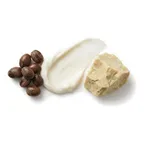 Butyrospermum Parkii Butter Shea Butter
 Camellia Sinensis Leaf Extract
 Lactic Acid
Average
- HighCombination Skin Fit
- AverageEffectiveness
- HighSafety
Works for acne-prone skin; other products fit it better.
This fit is calculated for the concerns frequently associated with acne-prone skin: breakouts, blackheads, and post-acne marks. For scores and recommendations based on your full skin profile, including your 12D face scan results and any goals or preferences you have, please use the Lovi app.
Updated How the Fit score works
Lovi Assistant explains
- Offers moderate exfoliation for your combination skin, as salicylic acid and lactic acid work to decongest pores and address blackheads. Glycerin and Aloe Barbadensis Leaf Juice provide general hydration and soothing benefits, which are supportive but not primary for your acne concerns.
- The formula is highly suitable for combination skin due to the keratolytic action of salicylic and lactic acids, balanced by the humectant properties of glycerin.
- The safety profile is excellent, with no risks of irritation for your combination skin due to the absence of prohibited or harsh ingredients.
Buy online

Prices checked 20 Nov 2026
The Lovi Fit is the same in every country; only the stores and prices differ, and the ones here are for India.
How to apply
- Use this exfoliant PM once a week to start, and gradually increase if your combination skin tolerates it well. Always apply SPF the next morning to protect your clear skin.
- Apply the exfoliant after cleansing and toning, but right before your moisturizer step. This ensures the treatment targets blemishes effectively.
- Gently press 2-3 drops of the exfoliant into your skin without rubbing. Let it absorb for a minute before moving to the next step.
- Apply the exfoliant on clean, dry skin to help control breakouts safely. Since your skin is not sensitive, this dry application method ensures good product absorption.
- Avoid the sensitive eye area and do a patch test before your first use. Do not mix this exfoliant with other strong acids in the same routine.
People Say
★3.2Overall rating based on 200+ reviewsThis gel is formulated for oily and acne-prone skin to dissolve blackheads and unclog pores. While some users report clearer and smoother skin, many others found it ineffective or not worth the cost and small quantity. The data is based on a limited number of reviews.
Highlights
Ineffective for many Often Mentioned
- “didn't do anything”
- “saw no difference”
- “blackheads still there”
- “waste of money”
Effective on blackheads Sometimes Noted
- “dissolved stubborn blackheads”
- “blackhead was gone overnight”
- “cleared deep embedded blackheads”
- “finally something that works”
Refines and unclogs pores Sometimes Noted
- “shrinks appearance of pores”
- “cleans out hard-to-get pores”
- “pores look smaller”
- “skin looks smoother”
Expensive for size Sometimes Noted
- “tiny tube for the price”
- “way too expensive”
- “bottle is very small”
- “not worth the cost”
Fast acting results Rarely Noted
- “noticed difference in one day”
- “saw results overnight”
- “worked after second use”
- “cleared skin quickly”
Gentle and non-irritating Rarely Noted
- “doesn't sting or burn”
- “gentle enough for sensitive skin”
- “didn't dry out my face”
- “feels nice when massaged”
Drying or irritating Rarely Noted
- “dried out my skin”
- “caused more breakouts”
- “skin felt tight”
- “left dry patches”
Sources: lovi.care, walmart.com, proactiv.com, influenster.com, skinsafeproducts.com, and more
Questions and answers
How well does Proactiv Blackhead Dissolving Gel work for acne-prone skin?
Proactiv Blackhead Dissolving Gel works moderately well for acne-prone skin, using salicylic acid and lactic acid to clear pores and blackheads. While it offers safe and gentle daily care, acne-prone skin generally needs products with ingredients like niacinamide, propolis, or zinc PCA to better target breakouts and control oiliness.
Journal of Cosmetic Dermatology, 2024Journal of Drugs in Dermatology, 2023
Which ingredients make this exfoliant a good fit for acne-prone skin?
Salicylic Acid and Lactic Acid make this exfoliant a good fit for acne-prone skin because they help clear out pores and tackle blackheads. For this skin type, a product needs effective ingredients like niacinamide and propolis that provide excellent skincare benefits for acne and breakouts, while ensuring no risk of irritation.
Journal of Cosmetic Dermatology, 2024Journal of Drugs in Dermatology, 2023
What does Salicylic Acid do for acne-prone skin?
Salicylic acid helps clear acne-prone skin by reducing pimples and calming redness. It works by diving deep into pores to clear out trapped oil and dead skin, making breakouts less likely to return.
Journal of Cosmetic Dermatology, 2024Journal of Drugs in Dermatology, 2023
What does Aloe Vera Leaf Juice do for acne-prone skin?
Aloe Vera Leaf Juice helps calm acne-prone skin and may reduce redness, bumps, and spots when used consistently. Studies show it helps clear breakouts and keeps skin smooth by fighting blemish-causing factors.
Clinical Pharmacology, 2018The Journal of Dermatological Treatment, 2014
Where does it go in a skincare routine for acne-prone skin?
This exfoliant treatment goes in the evening routine, starting at once a week and slowly increasing if your skin handles it well. Because it works for your acne-prone skin but is not the absolute best fit, this type of skin needs a product with stronger targeted blemish-clearing ingredients and oil-balancing benefits.
Can I use this exfoliant with retinol, and in what order?
You can use this exfoliant with retinol by alternating nights to avoid irritation, as combining strong acids directly may be too harsh for your acne-prone skin. Apply this treatment on its own at night after cleansing, and save your retinol for a different night.
How often should I use it?
Start by using this exfoliant treatment once a week in your evening routine, and if your acne-prone skin handles it well with good results, you can carefully use it more often. This product provides moderate pore-clearing benefits, but acne-prone skin also needs targeted blemish-fighting ingredients and oil control to work best.
Can this exfoliant clog pores, cause breakouts or purging for acne-prone skin?
This exfoliant is unlikely to cause breakouts or purging for acne-prone skin, and helps clear pores using salicylic acid and lactic acid. To work best for this skin, products of this type need stronger pore-clearing ingredients paired with soothing care to keep skin calm and smooth.
Journal of Cosmetic Dermatology, 2024Journal of Drugs in Dermatology, 2023
Is it fragrance-free and alcohol-free?
Yes, it has no fragrance and no drying alcohol.
What the research says
Twice daily application of a multitargeted dermocosmetic cream provided comparable efficacy to benzoyl peroxide 5% gel in reducing inflammatory, non-inflammatory, and total lesions in 150 Caucasian subjects with mild-to-moderate acne over 56 days, while demonstrating superior skin tolerability.
Journal of Cosmetic Dermatology, 2024The use of a salicylic acid-based dermocosmetic significantly reduces the needed quantity of benzoyl peroxide without impacting efficacy in mild to moderate acne, and as maintenance post-benzoyl peroxide allows a significant reduction of acne relapse compared to vehicle.
Journal of Drugs in Dermatology, 2023A moisturizer containing licochalcone A, 1,2-decanediol, L-carnitine, and salicylic acid significantly reduced noninflammatory, inflammatory, and total acne lesion counts compared to a vehicle control in Thai patients during a 12-week maintenance phase.
BioMed Research International, 2020Treatment with 45% mandelic acid peel showed nearly equal overall efficacy as 30% salicylic acid peel in patients with mild-to-moderate facial acne vulgaris, but with fewer adverse effects.
Journal of Cosmetic Dermatology, 2020Treatment with 2% supramolecular salicylic acid hydrogel resulted in a regression and markedly improvement rate of 51.01% compared to 43.10% for Adapaline gel in patients with mild to moderate facial acne vulgaris, showing no significant difference in efficacy.
Journal of Cosmetic Dermatology, 2024Topical 5% benzoyl peroxide plus salicylic acid achieved the greatest lesion reduction at early 2 to 4 week time points compared to benzoyl peroxide, clindamycin, and combination benzoyl peroxide/clindamycin, while 5% benzoyl peroxide plus salicylic acid and combination benzoyl peroxide/clindamycin showed similar efficacy at 10 to 12 weeks in acne patients.
Journal of the American Academy of Dermatology, 2010Post-peel application of either topical tretinoin (0.25%) or retinol (0.25%) after a 30% salicylic acid peel effectively improves signs of photodamage compared to baseline in female subjects, with tretinoin performing slightly better than retinol in texture, roughness, and overall appearance at week 4.
Journal of Drugs in Dermatology, 2016A cream combining propolis, tea tree oil, and Aloe vera reduced erythema scars, acne severity index, and total lesion count better than erythromycin cream in sixty patients with mild to moderate acne vulgaris compared to placebo.
Clinical Pharmacology, 2018Formulations containing 0.10%, 0.25%, and 0.50% freeze-dried Aloe vera extract increased stratum corneum water content compared with the vehicle in 20 female subjects, while transepidermal water loss was not modified.
Skin Research and Technology, 2006Kombucha-mediated fermentation of aloe vera gel for 10 and 20 days enhanced its phenolic and flavonoid content, antioxidant capacity, cytoprotective effects, enzyme inhibition against collagenase, elastase, and hyaluronidase, and moisturizing properties compared to unfermented gel.
Molecules, 2025A skin barrier restoring cream with shea butter, silkflo, and vitamin E increased type I procollagen synthesis, enhanced antioxidant enzyme activity, decreased reactive oxygen species generation, and promoted hyaluronic acid production in H2O2-stimulated human keratinocyte cells compared to untreated cells.
International Journal of Cosmetic Science, 2025Topically formulated tea polyphenols show some benefit in reducing sebum secretion and treating acne vulgaris compared to baseline or control.
Antioxidants, 2016Topical application of tannase-converted green tea extract (TGE) significantly improved skin wrinkle indices and self-assessed wrinkle reduction compared to normal green tea extract (NGE) in human subjects over 8 weeks.
Journal of Cosmetic Dermatology, 2013An anti-acne hydrogel containing Aloe barbadensis, Garcinia mangostana, and Camellia sinensis extracts showed superior antiacne and antiblotch activities compared to 1% clindamycin gel in sixty subjects with mild-moderate acne.
Clinical, Cosmetic and Investigational Dermatology, 2019Application of a cream containing lactic acid 12% and pramoxine HCl 1% significantly improved skin dryness, hydration, and itch compared with a nontreated control in 24 women with a history of dry itchy skin.
Cutis, 2004A lactic acid/ceramide lotion significantly improved skin moisturization and desquamation compared to no treatment in women with dry, rough skin on the anterior shins.
The Journal of Clinical and Aesthetic Dermatology, 2020Treatment with 12% lactic acid increased epidermal and dermal firmness and thickness and improved skin smoothness and wrinkles compared to baseline, whereas 5% lactic acid induced clinical and epidermal changes without dermal changes.
Journal of the American Academy of Dermatology, 1996
Ingredients
Water, Dimethicone, Cyclopentasiloxane, Glycereth-26, Glycerin, Cyclohexasiloxane, Peg-80 Sorbitan Laurate, Dimethiconol, Polyacrylate-13, Panthenol, Aloe Barbadensis Leaf Juice, Butyrospermum Parkii Butter Shea Butter, Camellia Sinensis Leaf Extract, Polyisobutene, Caprylyl Glycol, Ethylhexylglycerin, Hexylene Glycol, Bisabolol, Polysorbate 20, Ppg-26-Buteth-26, Peg-40 Hydrogenated Castor Oil, Butyl Methoxydibenzoylmethane, Ethylhexyl Methoxycinnamate, Ethylhexyl Salicylate, Lactic Acid, Phenoxyethanol, Salicylic Acid
Behind this fit score
Lovi calculates every fit score from the full ingredient list with brand-independent rules our dermatologists and cosmetic chemists build and review, and personalizes every pick with AI trained on the real results of millions of users. Lovi trains its fit score models on a proprietary dataset built from more than 10,000 expert-labeled products and more than 100,000 simulated examples, following an internally consistent methodology presented at Cosmoprof, AMWC, and Skin of Color Update.
-

Co-founder, Medical Director
Cosmetic chemist, cosmetologist, aesthetic products developer
-

Co-founder, CEO and CTO
PhD in computer science, 3x US patent holder, ex-Google, ex-Yandex
-

Dr. Sofía Perea Pérez, MD, MSc
Medical Board
Aesthetic medicine practitioner, MSc in Longevity and Anti-Aging Medicine
-

Medical Board
Specialist dermatologist, MBBS, MD, IFAAD
-

Medical Board
Cosmetic chemist, SCS, IFSCC member
-

Medical Board, Medical Advisor
Dermatology MD
-

Elina Nazarenko, MD
Medical Board
Dermatology and diagnostic consultant
-

Victoria Derkova, MS
Medical Board
Cosmetic chemist, cosmetic development technologist


How does it fit your skin?
Scan your face, then any product: Lovi shows how well it fits you and what fits even better.