
Peter Thomas Roth Retinol Fusion PM Night Serum for acne-prone skin

 Microencapsulated Retinol
 Vitamins C
 Squalane
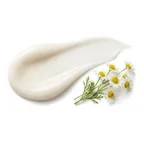 Bisabolol
 Cyclopentasiloxane
High
- HighCombination Skin Fit
- HighEffectiveness
- HighSafety
A great choice for acne-prone skin; a few serums fit it even better.
This fit is calculated for the concerns frequently associated with acne-prone skin: breakouts, blackheads, and post-acne marks. For scores and recommendations based on your full skin profile, including your 12D face scan results and any goals or preferences you have, please use the Lovi app.
Updated How the Fit score works
Lovi Assistant explains
- Highly suitable for your combination skin, this serum utilizes retinol to regulate desquamation and bisabolol for anti-inflammatory action, addressing your concerns with acne and blemishes by promoting cell turnover.
- The inclusion of squalane and tocopheryl acetate further supports skin renewal and provides antioxidant benefits, contributing to a smoother complexion.
- The product is safe for your skin, with no risks of irritation due to the absence of harsh ingredients and the presence of soothing components.
How to apply
- Use your serum as part of your PM routine and start 3x/week before working up to daily use.
- Apply this treatment after cleansing and toner, and before your moisturizer.
- Gently press 2-3 drops of the serum into your skin and let it absorb for a minute.
- Apply the product on clean, dry skin to help manage your breakouts safely.
- Avoid the eye area and do a patch test before your first use.
People Say
★4.5Overall rating based on 4.7k+ reviewsBased on a very large amount of data, this retinol serum is highly regarded for its anti-aging effects, including smoothing fine lines and improving skin texture, with most users experiencing a radiant and refined complexion without irritation. Some users reported a lack of visible results or found the thin consistency and premium price point to be drawbacks.
Highlights
Non-irritating formula Mostly Mentioned
- “Zero irritation”
- “gentle but effective”
- “no peeling or flaking”
Reduces fine lines Often Mentioned
- “Smile lines fading”
- “fine lines disappeared”
- “wrinkles nearly gone”
Smoother texture Often Mentioned
- “Skin is softer”
- “smoother complexion”
- “refined skin texture”
Absorbs quickly Sometimes Noted
- “Soaks in quickly”
- “dries quickly”
- “silky smooth application”
Radiant complexion Sometimes Noted
- “Face is brighter”
- “skin is radiant”
- “luminous appearance”
High price point Sometimes Noted
- “Not worth it”
- “very pricey”
- “expensive for the results”
Lack of results Sometimes Noted
- “No visible changes”
- “did absolutely nothing”
- “no change in skin”
Oily feel Rarely Noted
- “Feels oily”
- “greasy application”
- “leaves residue”
Thin consistency Rarely Noted
- “Very, very watery”
- “feels like dry oil”
- “too thin”
Sources: lovi.care, peterthomasroth.com, ulta.com, dermstore.com, lovelyskin.com, macys.com, and more
Questions and answers
What makes Peter Thomas Roth Retinol Fusion PM Night Serum a great fit for acne-prone skin?
This serum is a great fit because it uses retinol to speed up cell renewal and clear blemishes, alongside soothing ingredients that keep acne-prone skin calm and free from irritation. It also helps smooth your skin and protect it with antioxidants.
Which ingredients make this serum a good fit for acne-prone skin?
This serum is a great fit because it uses retinol to speed up cell turnover and bisabolol to calm inflammation. Squalane and tocopheryl acetate also help renew the skin while keeping it smooth.
Scientific Reports, 2025Journal of Cosmetic Dermatology, 2024
What does Microencapsulated Retinol do for acne-prone skin?
Microencapsulated retinol helps clear acne-prone skin while greatly reducing the redness and flaking often caused by standard retinoids. Encapsulation releases the ingredient slowly, making it much easier for sensitive or acne-prone skin to tolerate while maintaining its full strength.
Giornale Italiano Di Dermatologia E Venereologia, 2020Journal of Controlled Release, 2018
What does Vitamin C do for acne-prone skin?
Vitamin C helps protect acne-prone skin and calm redness while working to fade dark spots left behind by breakouts. It is unlikely to cause irritation and may improve overall skin tone when used consistently in your routine.
Where does this serum go in a skincare routine for acne-prone skin?
This serum goes in the evening routine after cleansing and before moisturizing. Putting it at night helps avoid extra sun sensitivity while clearing blemishes and smoothing the skin.
Can I use this serum with niacinamide, and in what order?
You can use this serum with niacinamide by applying niacinamide first and letting it absorb before putting on this treatment. Using them together helps smooth your complexion and manage breakouts while keeping your skin calm.
How often should I use this serum?
Use this serum in your evening routine, starting just once a week to let your skin adjust. If your skin feels comfortable and you see good results, you may carefully use it more often.
Can this serum clog pores, cause breakouts or purging for acne-prone skin?
This serum is unlikely to cause breakouts or clog pores on acne-prone skin because it uses soothing ingredients and a gentle, slow-releasing form of retinol to clear pores without harshness. It may cause temporary purging as it speeds up cell turnover to clear out blemishes, but it is considered safe and well-suited for your skin type.
Is this serum fragrance-free and alcohol-free?
It has no fragrance and contains drying alcohol (alcohol).
What the research says
Topical application of retinol and retinoic acid both increased epidermal thickness and upregulated collagen genes and proteins in human skin, with retinol producing similar histological and molecular changes to retinoic acid alongside a significant reduction in facial wrinkles after 12 weeks.
Journal of Cosmetic Dermatology, 2016Co-encapsulation of alpha-tocopherol and alpha-tocopheryl acetate in nanostructured lipid carrier gel formulations significantly enhanced moisture retention up to 68% and improved skin elasticity in human volunteers compared to a solution gel.
Scientific Reports, 2025Cyclomethicone and specific chain length cyclic siloxanes (n = 4-7) are safe in present practices of use and concentration, showing minimal percutaneous absorption, no skin irritation or sensitization, and unlikely significant systemic exposure from cosmetics.
International Journal of Toxicology, 2011Treatment with 2% PLG and 5% PLM significantly reduced retinol-induced skin erythema and inflammation compared to vehicle control in 18 Chinese participants, with PLG outperforming PLM, whereas 3% niacinamide offered no relief.
Journal of Cosmetic Dermatology, 2024Topical bakuchiol 0.5% applied twice daily compared with retinol 0.5% applied daily significantly decreased wrinkle surface area and hyperpigmentation with no statistical difference between the compounds in 44 patients over 12 weeks, while retinol users reported more facial skin scaling and stinging.
The British Journal of Dermatology, 2019Topical 0.3% and 1% retinol comparably improved biomarkers of cutaneous photoageing in photoaged volunteers, while 0.3% retinol demonstrated better tolerance with fewer and milder adverse events compared to 1% retinol in a daily escalation regimen.
International Journal of Cosmetic Science, 2022Daily application of 0.3% and 0.5% retinol serums in 37 volunteers over 12 weeks reduced skin hyperpigmentation, unevenness, and wrinkles on both sides of the face, with the 0.5% concentration causing more frequent and intense skin irritation.
Skin Pharmacology and Physiology, 2020Topical application of 5% vitamin C cream significantly improved global clinical scores, increased skin microrelief density, and induced elastic tissue repair in photoaged skin compared to excipient control in healthy female volunteers.
Experimental Dermatology, 2003Topical application of VC-IP cream twice daily for 8 weeks reduces periorbital wrinkles in female subjects compared to a placebo cream.
Journal of Cosmetic Dermatology, 2022Topical treatment with 5% vitamin C and 0.1% madecassoside significantly improved clinical scores for wrinkles, suppleness, firmness, roughness, and skin hydration, along with functional and structural remodeling of the elastic fiber network in 20 female volunteers with photoaged skin after 6 months compared to baseline.
Experimental Dermatology, 2008Application of fullerene-C60 dissolved in squalane cream twice daily for 8 weeks significantly enhanced skin moisture and reduced wrinkle formation compared to placebo in 23 Japanese women without severe side effects.
Journal of Nanoscience and Nanotechnology, 2010Squalane at 0.005-0.015% counteracts UVA-induced oxidative stress, inflammation, and collagen metabolism inhibition while stimulating fibroblast migration in human dermal fibroblasts.
Molecules, 2025Plant-derived squalane protected human dermal fibroblasts against UVA-induced damage by counteracting ROS formation, suppressing apoptosis-related proteins p53, caspase-3, caspase-9, and PARP, and restoring the pro-survival p-Akt/mTOR pathway.
Antioxidants, 2025Application of an alpha-bisabolol-containing cream produced a significant skin-lightening effect in pigmented skin compared to a vehicle control in the majority of female subjects after 8 weeks.
International Journal of Cosmetic Science, 2010The combination of allantoin, bisabolol, D-panthenol and dipotassium glycyrrhizinate reduces UVB-induced PGE2, inflammatory cytokines, and mitochondrial superoxide in human epidermal keratinocytes.
International Journal of Cosmetic Science, 2024
Ingredients
Cyclopentasiloxane, Squalane, Water, Retinol, Tocopheryl Acetate, Ascorbyl Palmitate, Bisabolol, Lecithin, Potassium Phosphate, Pentylene Glycol, Polysorbate-20, Alcohol
Behind this fit score
Lovi calculates every fit score from the full ingredient list with brand-independent rules our dermatologists and cosmetic chemists build and review, and personalizes every pick with AI trained on the real results of millions of users. Lovi trains its fit score models on a proprietary dataset built from more than 10,000 expert-labeled products and more than 100,000 simulated examples, following an internally consistent methodology presented at Cosmoprof, AMWC, and Skin of Color Update.
-

Co-founder, Medical Director
Cosmetic chemist, cosmetologist, aesthetic products developer
-

Co-founder, CEO and CTO
PhD in computer science, 3x US patent holder, ex-Google, ex-Yandex
-

Dr. Sofía Perea Pérez, MD, MSc
Medical Board
Aesthetic medicine practitioner, MSc in Longevity and Anti-Aging Medicine
-

Medical Board
Specialist dermatologist, MBBS, MD, IFAAD
-

Medical Board
Cosmetic chemist, SCS, IFSCC member
-

Medical Board, Medical Advisor
Dermatology MD
-

Elina Nazarenko, MD
Medical Board
Dermatology and diagnostic consultant
-

Victoria Derkova, MS
Medical Board
Cosmetic chemist, cosmetic development technologist


How does it fit your skin?
Scan your face, then any product: Lovi shows how well it fits you and what fits even better.