
Perricone MD Cold Plasma Plus+ Sub-D/Neck for acne-prone skin

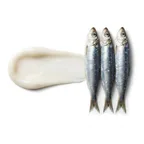 Dmae
 Niacinamide
 Tetrahexyldecyl Ascorbate
 Acetyl Tetrapeptide-9
 Glycerin
Average
- AverageCombination Skin Fit
- AverageEffectiveness
- ExcellentSafety
Works for acne-prone skin; other sunscreens fit it better.
- European Journal of Pharmaceutics and Biopharmaceutics, 2017
- Clinical and Experimental Dermatology, 2007
This fit is calculated for the concerns frequently associated with acne-prone skin: breakouts, blackheads, and post-acne marks. For scores and recommendations based on your full skin profile, including your 12D face scan results and any goals or preferences you have, please use the Lovi app.
Updated How the Fit score works
Lovi Assistant explains
- Offers moderate suitability for combination skin, as niacinamide helps regulate oil production and tetrahexyldecyl ascorbate provides antioxidant benefits, but it lacks specialized ingredients to effectively target your acne, blemishes, and breakouts.
- The formula provides excellent moisturization with glycerin and dimethicone, smoothing and hydrating your skin, though it does not offer sufficient ingredients for optimal results in all areas of your combination skin.
- The product is safe for your combination skin, with no risks of irritation due to the absence of harsh ingredients and the inclusion of soothing components like Bisabolol.
How to apply
- Apply this moisturizing sunscreen AM every morning as the final step of your daily routine.
- Layer the moisturizing sunscreen after your moisturizer has fully absorbed, right before heading out into the sun .
- Smooth a nickel-sized amount of the moisturizing sunscreen evenly over your face, avoiding harsh rubbing.
- Apply the moisturizing sunscreen onto clean, dry skin to ensure even coverage and protection.
- Perform a patch test before first use and avoid direct contact with the eyes.
People Say
★4.3Overall rating based on 2.2k+ reviewsBased on a very large amount of data, users frequently report visible improvements in skin texture and firmness along the jawline and neck, describing the skin as smoother and more hydrated. A significant number of reviewers consistently complain about a strong, unpleasant scent often compared to pickles or fish, and some experience issues with the product pilling under makeup.
Highlights
Unpleasant smell Mostly Mentioned
- “smells like pickles”
- “fishy odor”
- “scent is unbearable”
- “funky chemical smell”
Improves skin texture Often Mentioned
- “crepiness is gone”
- “skin feels smoother”
- “softens neck lines”
- “texture is refined”
Visibly tightens and firms Often Mentioned
- “jawline looks more defined”
- “helped with sagging skin”
- “tightened my turkey neck”
- “noticed firmness in weeks”
Hydrating formula Sometimes Noted
- “very moisturizing”
- “skin feels hydrated”
- “plumps the skin”
- “great for dry neck”
Lightweight and absorbent Sometimes Noted
- “absorbs quickly”
- “not greasy”
- “lightweight consistency”
- “sinks right in”
High price point Sometimes Noted
- “too expensive”
- “pricey for the amount”
- “not worth the money”
- “cost is prohibitive”
Caused irritation Rarely Noted
- “broke my neck out”
- “caused red rash”
- “skin felt burning”
- “itchy reaction”
Pilling or flaking Rarely Noted
- “rolls off skin”
- “flakes when touched”
- “pills under makeup”
- “residue rubs off”
Sources: lovi.care, perriconemd.com, nordstrom.com, macys.com, ulta.com, dermstore.com, and more
Questions and answers
How well does Perricone MD Cold Plasma Plus+ Sub-D/Neck work for acne-prone skin?
This product works moderately well for acne-prone skin, as niacinamide helps balance oil and glycerin provides deep hydration without causing irritation. However, it lacks specialized ingredients to effectively target breakouts. Products of this type that fit acne-prone skin best need effective soothing ingredients that address blemishes while providing reliable sun protection without clogging pores.
Which ingredients make this cream a good fit for acne-prone skin?
Niacinamide helps regulate oil production while tetrahexyldecyl ascorbate provides antioxidant benefits, making this cream an average fit for your skin. This type of skin needs a moisturizing spf with soothing ingredients that address acne and blemishes while providing sun protection without excess oiliness.
What does DMAE do for acne-prone skin?
DMAE may help firm the skin and improve overall texture, but it does not treat acne or breakouts. Acne-prone skin needs ingredients that clear pores and calm redness, such as salicylic acid or benzoyl peroxide.
What does Niacinamide do for acne-prone skin?
Niacinamide helps acne-prone skin by reducing both inflamed and uninflamed breakouts and calming redness. It is also very helpful for keeping oily skin balanced by cutting down on excess oil production, and it is well tolerated by most people.
Where does this cream go in a skincare routine for acne-prone skin?
This cream goes in the morning routine as your moisturizer before sunscreen. It keeps your skin soft and smooth with glycerin and dimethicone, while niacinamide helps control oil.
The Journal of Dermatological Treatment, 2022International Journal of Cosmetic Science, 2020
Can I use this cream with retinol, and in what order?
You can use this cream in the morning as your moisturizer and sun protection step, or at night after your retinol treatment. It is unlikely to irritate your skin because it contains soothing components like bisabolol and lacks harsh ingredients. Acne-prone skin needs specialized breakout-fighting ingredients alongside hydration for optimal results.
How often should I use this cream?
You can use this moisturizing spf daily in your morning routine, as it safely hydrates and smooths your skin while helping to control oil with niacinamide. This type of product needs specialized blemish-fighting ingredients to properly care for acne-prone skin.
Journal of Cosmetic Dermatology, 2020Health Science Reports, 2021
Can this cream clog pores, cause breakouts or purging for acne-prone skin?
This cream works for acne-prone skin, though other products fit it better because it lacks specialized ingredients to effectively target breakouts. A product of this type needs balancing ingredients like niacinamide and gentle, non-clogging hydrators to properly care for acne-prone skin.
Is this cream fragrance-free and alcohol-free?
It has no drying alcohol and contains fragrance (benzyl alcohol).
What the research says
Topical formulations containing ascorbyl tetraisopalmitate, coenzyme Q10, green tea polyphenols, and resveratrol reduced the release of inflammatory cytokines and attenuated inflammatory signs compared to untreated skin and vehicle in 25 Japanese volunteers exposed to sodium dodecyl sulfate.
European Journal of Pharmaceutics and Biopharmaceutics, 2017Treatment with a moisturizer containing dimethicone and glycerine increased epidermal thickness by 0.019 mm, improved barrier function by decreasing transepidermal water loss by 13%, decreased melanin intensity, and induced keratins 6 and 16 in fifteen women with moderately photoaged forearms.
Clinical and Experimental Dermatology, 2007A single application of a moisturizing fluid containing hyaluronic acid 1%, glycerin 5%, and Centella asiatica stem cells extract significantly increased skin hydration by 29% and reduced transepidermal water loss at 24 hours compared to baseline and an untreated control site in twenty healthy women.
Clinical, Cosmetic and Investigational Dermatology, 2017Daily application of 3% DMAE facial gel for 16 weeks safely and efficaciously mitigates forehead lines and periorbital fine wrinkles, improves lip shape and fullness and overall aging skin appearance, and increases skin firmness compared to placebo.
American Journal of Clinical Dermatology, 2005A gel containing 3% 2-dimethylaminoethanol (DMAE) increased skin firmness, demonstrated by increased shear wave velocity in 30 volunteers compared to a formulation without DMAE.
Skin Research and Technology, 2002A DMAE-based formulation increased dermal and collagen fiber thickness in hairless mice and enhanced stratum corneum water content in human forearm skin compared to control formulations, without significantly modifying mechanical properties.
Die Pharmazie, 2009Topical nicotinamide prevented solar-simulated UV-induced immunosuppression in healthy volunteers, and men experienced immunosuppression at solar-simulated UV doses three times lower than those required for women.
The Journal of Investigative Dermatology, 2008Topical 5% niacinamide applied twice daily for 12 weeks reduced fine lines and wrinkles, hyperpigmented spots, red blotchiness, and skin sallowness, and improved skin elasticity compared to vehicle control in 50 female white subjects with facial photoaging.
Dermatologic Surgery, 2005Topical 2% niacinamide significantly decreased sebum excretion rate in Japanese individuals and casual sebum levels in Caucasian individuals compared to placebo or baseline.
Journal of Cosmetic and Laser Therapy, 2006Topical application of 5% vitamin C cream significantly improved global clinical scores, increased skin microrelief density, and induced elastic tissue repair in photoaged skin compared to excipient control in healthy female volunteers.
Experimental Dermatology, 2003Topical application of VC-IP cream twice daily for 8 weeks reduces periorbital wrinkles in female subjects compared to a placebo cream.
Journal of Cosmetic Dermatology, 2022Topical treatment with 5% vitamin C and 0.1% madecassoside significantly improved clinical scores for wrinkles, suppleness, firmness, roughness, and skin hydration, along with functional and structural remodeling of the elastic fiber network in 20 female volunteers with photoaged skin after 6 months compared to baseline.
Experimental Dermatology, 2008The emollient V0034CR significantly reduced TEWL compared to vehicle and vehicle plus glycerol, and significantly increased corneometry scores compared to vehicle and vehicle plus petrolatum in healthy volunteers with dry skin, demonstrating combined barrier function improvement from petrolatum and hydration improvement from glycerol.
Journal of Cosmetic Dermatology, 2020Ten days of treatment with a cream containing 20% glycerin significantly increased skin hydration measured by corneometer values in 17 healthy volunteers compared to a placebo cream, but showed no influence on transepidermal water loss or skin sensitivity to an irritating surfactant.
International Journal of Cosmetic Science, 2001Niacinamide/glycerin body moisturizers provided better rapid and prolonged improvement of cosmetic xerosis through functional improvement of stratum corneum barrier function compared to no treatment and conventional moisturizers in female subjects.
Journal of Drugs in Dermatology, 2012
Why other sunscreens fit acne-prone skin better
Co-delivery of paeonol and madecassoside via nanoemulsions improved transdermal delivery, promoted barrier repair proteins, inhibited inflammatory cytokine secretion in cellular and 3D models, and reduced transepidermal water loss and acne in human facial skin compared to free components.
Molecules, 2023Application of a skin care formulation containing licochalcone A, l-carnitine and 1,2-decanediol twice daily for 8 weeks reduced total lesion count, papules, pustules, P. acnes colonization, and sebum levels while improving life quality in volunteers with mild to moderately severe acne compared to a vehicle control.
Journal of the European Academy of Dermatology and Venereology, 2013A daily regimen combining Licochalcone A, Salicylic acid, L-Carnitine, and Hydroxy-Complex 10% cream significantly reduced Global Acne Grading System scores, comedones and papules by 64% and 71% respectively, and sebum by 52% in 91 adult patients with mild acne over 8 weeks.
Clinical, Cosmetic and Investigational Dermatology, 2019
Ingredients
Water, Dimethicone, Cyclopentasiloxane, Glycerin, Niacinamide, Ethylhexyl Methoxycrylene, Pentylene Glycol, Hydroxyethyl Acrylate Sodium Acryloyldimethyl Taurate Copolymer, Polyester-8, Polyglyceryl-3 Polydimethylsiloxyethyl Dimethicone, Tetrahexyldecyl Ascorbate, Thioctic Acid, Acetyl Tetrapeptide-9, Diethylhexyl Syringylidenemalonate, Hydrogenated Lecithin, Bisabolol, Xanthan Gum, Hydrogenated Phosphatidylcholine, Mannitol, Benzyl Alcohol, Stearic Acid, Isohexadecane, Polysilicone-11, Polysorbate 60, Sorbitan Isostearate, Caprylic Capric Triglyceride, Phenoxyethanol, Potassium Sorbate, Sodium Benzoate, Aluminum Hydroxide
Behind this fit score
Lovi calculates every fit score from the full ingredient list with brand-independent rules our dermatologists and cosmetic chemists build and review, and personalizes every pick with AI trained on the real results of millions of users. Lovi trains its fit score models on a proprietary dataset built from more than 10,000 expert-labeled products and more than 100,000 simulated examples, following an internally consistent methodology presented at Cosmoprof, AMWC, and Skin of Color Update.
-

Co-founder, Medical Director
Cosmetic chemist, cosmetologist, aesthetic products developer
-

Co-founder, CEO and CTO
PhD in computer science, 3x US patent holder, ex-Google, ex-Yandex
-

Dr. Sofía Perea Pérez, MD, MSc
Medical Board
Aesthetic medicine practitioner, MSc in Longevity and Anti-Aging Medicine
-

Medical Board
Specialist dermatologist, MBBS, MD, IFAAD
-

Medical Board
Cosmetic chemist, SCS, IFSCC member
-

Medical Board, Medical Advisor
Dermatology MD
-

Elina Nazarenko, MD
Medical Board
Dermatology and diagnostic consultant
-

Victoria Derkova, MS
Medical Board
Cosmetic chemist, cosmetic development technologist


How does it fit your skin?
Scan your face, then any product: Lovi shows how well it fits you and what fits even better.