
Paula's Choice Skin Recovery Enriched Calming Toner for oily acne-prone skin

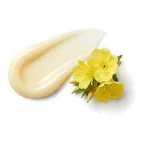 Oenothera Biennis Oil
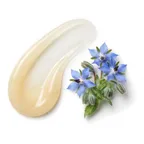 Borago Officinalis Seed Oil
 Sodium Hyaluronate
 Vitamin E
 Niacinamide
Average
- AverageOily Skin Fit
- AverageEffectiveness
- ExcellentSafety
Works for oily acne-prone skin; other toners fit it better.
- Clinical, Cosmetic and Investigational Dermatology, 2017
- American Journal of Clinical Dermatology, 2002
This fit is calculated for the concerns frequently associated with oily acne-prone skin: shine, breakouts, blemishes, and enlarged pores. For scores and recommendations based on your full skin profile, including your 12D face scan results and any goals or preferences you have, please use the Lovi app.
Updated How the Fit score works
Lovi Assistant explains
- Offers moderate suitability for your oily skin, as glycerin and sodium hyaluronate provide essential hydration without exacerbating oiliness, though it lacks specific sebum-regulating ingredients to fully address excess oil.
- While providing general skincare benefits like soothing and hydration with panthenol and allantoin, it does not offer targeted treatment for your acne and blemishes.
- The product is safe for your oily skin, with no risks of irritation due to the absence of harsh ingredients and the inclusion of soothing components like Vitamin E and niacinamide.
Buy online

Prices checked 20 Nov 2026
The Lovi Fit is the same in every country; only the stores and prices differ, and the ones here are for India.
How to apply
- Could be used as part of your AM or PM routine. Start using it 3 times a week and move to daily use if your skin feels fine.
- Apply your hydrating toner after cleansing and before putting on your moisturizer or SPF.
- Gently press 2-3 drops of the hydrating toner into your skin with your hands. Let it ⏱absorb for a minute before adding your next product.
- Applying the hydrating toner on slightly damp skin helps your face absorb it better. This keeps your oily skin balanced and hydrated.
- Be sure to avoid the eye area when applying. Do a patch test before your first use to check for any reaction.
People Say
★4.7Overall rating based on 300+ reviewsUsers frequently note its rich, milky texture provides immediate relief from flakiness and tightness, leaving skin feeling plump and soothed without heaviness.
Highlights
Deeply hydrating Mostly Mentioned
- “skin is so hydrated”
- “no longer dry/flaking”
- “milky and moisturizing texture”
- “relieves that tightness”
Calms redness Often Mentioned
- “cleared out 90% of the redness”
- “calms down any irritation”
- “soothes redness and sensitivity”
Gentle texture Sometimes Noted
- “milky texture”
- “absorbs quickly”
- “doesn't feel sticky”
- “feels like a liquid lotion”
Repairs skin barrier Sometimes Noted
- “repair their barrier”
- “skin feels instantly nourished”
- “restores comfort”
Caused breakouts Rarely Noted
- “broke me out”
- “texture on my forehead”
- “stinging burning sensation”
- “caused irritation”
High price point Rarely Noted
- “expensive”
- “pricey for a toner”
- “wish it was cheaper”
Not hydrating enough Rarely Noted
- “not hydrating enough”
- “thin toners don't work”
- “need more moisture”
- “still felt dry”
Packaging issues Rarely Noted
- “comes out very quickly”
- “spills easily”
- “hard to control amount”
- “messy bottle”
Sources: lovi.care, paulaschoice-eu.com, makeupalley.com, dermstore.com, influenster.com, skinsort.com, and more
Questions and answers
How well does Paula's Choice Skin Recovery Toner work for oily acne-prone skin?
This toner works reasonably well for oily, acne-prone skin because ingredients like glycerin and sodium hyaluronate provide essential hydration without making your skin oily. It is also safe and unlikely to cause irritation due to soothing components like vitamin E and niacinamide, though it lacks oil-controlling agents and targeted treatments for blemishes. A product of this type needs soothing and hydrating ingredients along with oil-controlling agents and acne-fighting components to properly balance and treat oily, acne-prone skin.
Journal of Cosmetic Dermatology, 2024Clinical, Cosmetic and Investigational Dermatology, 2017
Which ingredients make this toner a good fit for oily acne-prone skin?
Glycerin and sodium hyaluronate make this toner a moderate fit for oily skin because they provide essential hydration without adding extra oil. Oily acne-prone skin needs a product that also controls excess oil and treats blemishes with oil-controlling agents and targeted ingredients.
What does Evening Primrose Oil do for oily acne-prone skin?
Evening primrose oil is unlikely to be the best match for oily acne-prone skin on its own, as heavier oils can sometimes clog pores. Oily acne-prone skin typically needs lighter, balancing ingredients that clear pores and control excess shine without feeling heavy.
What does Borage Seed Oil do for oily acne-prone skin?
Borage seed oil is a rich source of gamma-linolenic acid, which helps calm inflamed skin and supports the skin barrier without feeling heavy. Plant oils of this type are beneficial for oily acne-prone skin when they include lightweight, soothing ingredients that balance moisture and reduce redness.
Where does this toner go in a skincare routine for oily acne-prone skin?
This hydrating toner goes right after your cleanser in the morning routine. An average fit for oily acne-prone skin needs ingredients that help hydrate without adding oil, along with targeted blemish treatments.
Can I use this toner with retinol, and in what order?
You can use this hydrating toner before your retinol to keep your skin calm and hydrated. A product of this type for oily acne-prone skin needs ingredients that control excess oil and target breakouts.
How often should I use this toner?
You can use this hydrating toner daily in your morning routine as it provides essential hydration without adding oil. Oily acne-prone skin needs a product of this type that also includes ingredients to balance oil and target breakouts.
Can this toner clog pores, cause breakouts or purging for oily acne-prone skin?
This toner is unlikely to clog pores or cause breakouts because it is free of harsh ingredients and includes soothing components like Vitamin E and niacinamide, though a few reviewers have experienced minor breakouts. A product of this type for oily acne-prone skin needs specific sebum-regulating ingredients to fully address excess oil and targeted treatment for acne and blemishes.
Is this toner fragrance-free and alcohol-free?
Yes, it has no fragrance and no drying alcohol.
What the research says
A single application of a moisturizing fluid containing hyaluronic acid 1%, glycerin 5%, and Centella asiatica stem cells extract significantly increased skin hydration by 29% and reduced transepidermal water loss at 24 hours compared to baseline and an untreated control site in twenty healthy women.
Clinical, Cosmetic and Investigational Dermatology, 2017Topical dexpanthenol acts as a moisturizer, improves stratum corneum hydration, accelerates wound healing and epidermal regeneration, reduces erythema, and improves symptoms of skin irritation compared to vehicle or no pretreatment.
American Journal of Clinical Dermatology, 2002A new topical panthenol-containing emollient significantly improved transepidermal water loss reduction, stratum corneum hydration, and intercellular lipid lamellae length compared with control in healthy subjects without negatively impacting bacterial viability.
The Journal of Dermatological Treatment, 2017Topical application of tocopherol succinate ethosomal gel decreased erythema, melanin, and sebum levels while improving moisture content and skin elasticity in 34 human women.
Journal of Cosmetic Dermatology, 2024Electrospun poly (vinyl butyral-co-vinyl alcohol-co-vinyl acetate) patches loaded with evening primrose oil applied to the forearm of volunteers for 6 hours increased skin moisture, with pore size, shape, and fiber diameter influencing oil transport.
Biomaterials Advances, 2022Combining poly(3-hydroxybutyrate-co-3-hydroxyvalerate) electrospun fibers with evening primrose oil into patches enhanced mechanical properties and increased skin hydration.
Journal of Materials Chemistry. B, 2022A topical preparation containing urea, sunflower oil, evening primrose oil, wheat germ oil, and sodium pyruvate led to clinical improvement after a month in diverse hyperkeratotic skin conditions except pityriasis lichenoides.
Medicina Cutanea Ibero-latino-americana, 1986Cutaneous application of linoleic and gamma-linolenic acid triglycerides reduced the high rate of transepidermal water loss in essential fatty acid-deficient rats, whereas other fatty acid triglycerides had no effect.
The British Journal of Dermatology, 1976Topical application of gamma-linolenic acid suppressed testosterone-induced growth of hamster flank organs by inhibiting 5alpha-reductase without affecting 5alpha-dihydrotestosterone-dependent growth or causing systemic effects.
The Journal of Investigative Dermatology, 1997Topical application of 0.1% hyaluronic acid formulations of different molecular weights led to significant improvements in skin hydration and elasticity, with low-molecular-weight formulations also significantly reducing wrinkle depth in seventy-six female subjects compared to a vehicle control.
Journal of Drugs in Dermatology, 2011Topical hyaluronic acid serum used twice daily by 40 females with facial photoaging produced an immediate 134% increase in skin hydration, a sustained 55% increase at week 6, and significant improvements in smoothness, plumping, fine lines, wrinkles, and global appearance without causing irritation.
Dermatology and Therapy, 2021A topical antioxidant serum significantly reduced air pollution-induced skin pigmentation and proinflammatory gene expression ex vivo, and improved skin aging signs in 40 healthy adult females after 90 days of daily use.
Journal of Cosmetic Dermatology, 2022Topical application of an antioxidant serum containing 15% ascorbic acid, 0.5% ferulic acid, and 1% tocopherol prevented particulate matter-induced degradation of extracellular matrix components, inflammation, and oxidative stress in the skin of 15 female volunteers compared to untreated controls.
Journal of Cosmetic Dermatology, 2025Dermatological products containing d-alpha tocopheryl acetate showed non-comedogenic potential with less than a 50% increase in microcomedones in 12 healthy male subjects compared to octyl palmitate.
Contemporary Clinical Trials Communications, 2021Topical application of an antioxidant mix containing 15% ascorbic acid, 0.5% ferulic acid, and 1% tocopherol prevented PM and UV-induced skin barrier perturbation, lipid peroxidation, inflammatory markers, MMP9 activation, and Type I collagen loss in 15 healthy females compared to untreated exposed skin.
Journal of Cosmetic Dermatology, 2024Topical nicotinamide prevented solar-simulated UV-induced immunosuppression in healthy volunteers, and men experienced immunosuppression at solar-simulated UV doses three times lower than those required for women.
The Journal of Investigative Dermatology, 2008Topical 5% niacinamide applied twice daily for 12 weeks reduced fine lines and wrinkles, hyperpigmented spots, red blotchiness, and skin sallowness, and improved skin elasticity compared to vehicle control in 50 female white subjects with facial photoaging.
Dermatologic Surgery, 2005Topical 2% niacinamide significantly decreased sebum excretion rate in Japanese individuals and casual sebum levels in Caucasian individuals compared to placebo or baseline.
Journal of Cosmetic and Laser Therapy, 2006
Why other toners fit oily acne-prone skin better
Co-delivery of paeonol and madecassoside via nanoemulsions improved transdermal delivery, promoted barrier repair proteins, inhibited inflammatory cytokine secretion in cellular and 3D models, and reduced transepidermal water loss and acne in human facial skin compared to free components.
Molecules, 2023A cream combining propolis, tea tree oil, and Aloe vera reduced erythema scars, acne severity index, and total lesion count better than erythromycin cream in sixty patients with mild to moderate acne vulgaris compared to placebo.
Clinical Pharmacology, 2018
Ingredients
Water, Cyclopentasiloxane, Butylene Glycol, Glycereth-26, Dimethiconol, Oenothera Biennis Oil, Borago Officinalis Seed Oil Oil, Sodium Hyaluronate, Tocopheryl Acetate Vitamin E, Tocopherol Vitamin E, Ascorbyl Palmitate Ascorbic Acid, Panthenol, Allantoin, Glycerin, Hydrogenated Lecithin, Caprylic Capric Triglyceride, Niacinamide, Superoxide Dismutase, Peg-40 Hydrogenated Castor Oil, Linoleamidopropyl Pg-Dimonium Chloride Phosphate, Laureth-4, Laureth-23, Disodium Edta, Sodium Benzoate, Chlorphenesin, Phenoxyethanol, Benzoic Acid, Sorbic Acid
Behind this fit score
Lovi calculates every fit score from the full ingredient list with brand-independent rules our dermatologists and cosmetic chemists build and review, and personalizes every pick with AI trained on the real results of millions of users. Lovi trains its fit score models on a proprietary dataset built from more than 10,000 expert-labeled products and more than 100,000 simulated examples, following an internally consistent methodology presented at Cosmoprof, AMWC, and Skin of Color Update.
-

Co-founder, Medical Director
Cosmetic chemist, cosmetologist, aesthetic products developer
-

Co-founder, CEO and CTO
PhD in computer science, 3x US patent holder, ex-Google, ex-Yandex
-

Dr. Sofía Perea Pérez, MD, MSc
Medical Board
Aesthetic medicine practitioner, MSc in Longevity and Anti-Aging Medicine
-

Medical Board
Specialist dermatologist, MBBS, MD, IFAAD
-

Medical Board
Cosmetic chemist, SCS, IFSCC member
-

Medical Board, Medical Advisor
Dermatology MD
-

Elina Nazarenko, MD
Medical Board
Dermatology and diagnostic consultant
-

Victoria Derkova, MS
Medical Board
Cosmetic chemist, cosmetic development technologist


How does it fit your skin?
Scan your face, then any product: Lovi shows how well it fits you and what fits even better.