
Paula's Choice RESIST Super Antioxidant Concentrate Serum for oily acne-prone skin

 Ascorbic acid, tetrahexyldecyl ascorbate
 Ceramide Np
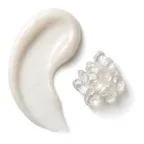 Palmitoyl Tripeptide-5
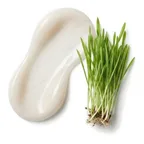 Superoxide Dismutase
High
- HighOily Skin Fit
- AverageEffectiveness
- ExcellentSafety
A great choice for oily acne-prone skin; a few serums fit it even better.
This fit is calculated for the concerns frequently associated with oily acne-prone skin: shine, breakouts, blemishes, and enlarged pores. For scores and recommendations based on your full skin profile, including your 12D face scan results and any goals or preferences you have, please use the Lovi app.
Updated How the Fit score works
Lovi Assistant explains
- Highly suitable for your oily skin, this serum offers excellent antioxidant protection and skin tone evening with tetrahexyldecyl ascorbate and ferulic acid, which also support overall skin health.
- While beneficial for general antioxidant support and hydration with ingredients like tocopherol and glycerin, it does not specifically target your acne, blemishes, and breakouts.
- The safety profile is excellent, with no risks of irritation for your oily skin due to the absence of harsh ingredients and the presence of soothing agents like beta-glucan and glycerin.
How to apply
- Could be used as part of your PM routine. Start 3 times a week and build up to daily use if your skin tolerates it well.
- Apply your serum after cleansing and toning, but before putting on your moisturizer.
- Gently press 2 to 3 drops of the serum into your skin and let it absorb for a minute.
- Apply the serum on clean, dry skin to help manage your blemishes safely.
- Do a patch test before your first use and avoid the delicate eye area.
People Say
★4.2Overall rating based on 100+ reviewsBased on limited data, users with dry, mature, or sensitive skin frequently praise this serum for its rich, hydrating texture that functions as a barrier against environmental stress, often noting a visible "glow" and improved plumpness. Users with combination or oily skin often find the silicone-heavy formula too occlusive, leading to a greasy finish or potential congestion.
Highlights
Deeply hydrating Often Mentioned
- “instantly makes my very dry skin feel supple”
- “skin looks more plump immediately after applying”
- “kept my skin hydrated in dry winter”
Greasy/shiny finish Often Mentioned
- “woke up with very shiny T-zone”
- “too oily and shiny for day use”
- “leaves a greasy film”
Improves texture Sometimes Noted
- “skin was noticeably brighter and smoother”
- “soft and smooth after absorption”
- “texture improvement after layering”
Soothes sensitive skin Sometimes Noted
- “soothes and repairs gently and efficiently”
- “does not irritate my sensitive skin”
Heavy silicone feel Sometimes Noted
- “feels like a layer of silicones”
- “pure silicone substance”
- “consistency is too thick and slippery”
Slow absorption Sometimes Noted
- “takes some time to soak in”
- “sits on top of the skin”
- “feels like a layer over your skin”
Protective packaging Rarely Noted
- “allows antioxidants to remain stable”
- “no product goes wasted”
- “love the airless pump design”
Causes breakouts Rarely Noted
- “caused a red itchy rash”
- “clogs your pores”
- “generated red bumps/pimples”
Sources: lovi.care, dermstore.com, paulaschoice.com, makeupalley.com, reddit.com, influenster.com, and more
Questions and answers
What makes Paula's Choice RESIST Super Antioxidant Concentrate Serum a great fit for oily acne-prone skin?
This serum is a great fit for your oily acne-prone skin because it offers excellent antioxidant protection and evens out skin tone without any risk of irritation. While it does not specifically target blemishes, its soothing ingredients help keep your skin calm while delivering helpful vitamins and hydration.
Journal of Cosmetic Dermatology, 2008Dermatologic Therapy, 2022
Which ingredients make this serum a good fit for oily acne-prone skin?
This serum is a great fit for your oily skin thanks to tetrahexyldecyl ascorbate and ferulic acid, which provide strong antioxidant protection and help even out your skin tone. It also has a very safe formula with soothing ingredients like beta-glucan and glycerin that are unlikely to cause any irritation.
Journal of Cosmetic Dermatology, 2008Dermatologic Therapy, 2022
What does Vitamin C do for oily acne-prone skin?
Vitamin C helps brighten skin and fade dark spots left by breakouts while smoothing out texture. It is a good fit for oily skin, though an average or weak fit product for this skin type also needs ingredients that control excess oil and soothe redness.
Journal of Cosmetic Dermatology, 2020Journal of Cosmetic Dermatology, 2023
Where does it go in a skincare routine for oily acne-prone skin?
This treatment goes in your evening routine, applied after cleansing and before your moisturizer. It is unlikely to cause irritation on your oily skin and provides great antioxidant protection, though it does not specifically target blemishes or breakouts.
Can I use this serum with retinol, and in what order?
Yes, you can use this serum with retinol by applying the serum first to give your oily skin antioxidant protection, followed by retinol once it absorbs. The gentle formula is unlikely to cause irritation when paired with retinol.
How often should I use it?
You can use this serum in the evening as part of your routine. It is very unlikely to cause irritation on your oily skin and helps protect against damage.
Facial Plastic Surgery, 2014Journal of Cosmetic Dermatology, 2008
Can this serum clog pores, cause breakouts or purging for oily acne-prone skin?
This serum is unlikely to cause breakouts for oily skin because it lacks harsh ingredients and contains soothing agents, though some reviewers do mention a greasy finish or slow absorption. It helps provide antioxidant protection and evening out skin tone, but it does not specifically target acne, blemishes, and breakouts.
Journal of Cosmetic Dermatology, 2008Dermatologic Therapy, 2022
Is it fragrance-free and alcohol-free?
Yes, it has no fragrance and no drying alcohol.
What the research says
Pretreatment with a topical antioxidant mixture of vitamin C, ferulic acid, and phloretin attenuated ultraviolet-induced sunburn cell formation, thymine dimer formation, matrix metalloproteinase-9 expression, p53 protein expression, and the suppression of CD1a-expressing Langerhans cells in human skin compared to vehicle control.
Journal of Cosmetic Dermatology, 2008Treatment with 14% ferulic acid and 12% l-ascorbic acid significantly reduced pigmentation and erythema while improving hydration and elasticity in 20 women with photoaged skin, with neither acid proving definitively more effective overall though ascorbic acid showed slightly greater skin lightening.
Dermatologic Therapy, 2022Topical formulations containing ascorbyl tetraisopalmitate, coenzyme Q10, green tea polyphenols, and resveratrol reduced the release of inflammatory cytokines and attenuated inflammatory signs compared to untreated skin and vehicle in 25 Japanese volunteers exposed to sodium dodecyl sulfate.
European Journal of Pharmaceutics and Biopharmaceutics, 2017A single application of a moisturizing fluid containing hyaluronic acid 1%, glycerin 5%, and Centella asiatica stem cells extract significantly increased skin hydration by 29% and reduced transepidermal water loss at 24 hours compared to baseline and an untreated control site in twenty healthy women.
Clinical, Cosmetic and Investigational Dermatology, 2017Topical application of 5% vitamin C cream significantly improved global clinical scores, increased skin microrelief density, and induced elastic tissue repair in photoaged skin compared to excipient control in healthy female volunteers.
Experimental Dermatology, 2003Topical application of VC-IP cream twice daily for 8 weeks reduces periorbital wrinkles in female subjects compared to a placebo cream.
Journal of Cosmetic Dermatology, 2022Topical treatment with 5% vitamin C and 0.1% madecassoside significantly improved clinical scores for wrinkles, suppleness, firmness, roughness, and skin hydration, along with functional and structural remodeling of the elastic fiber network in 20 female volunteers with photoaged skin after 6 months compared to baseline.
Experimental Dermatology, 2008Ceramide and niacinamide-containing moisturizer combined with anti-acne treatment significantly improved non-inflammatory, inflammatory, and total acne lesions compared to hydrophilic cream in 40 patients with mild to moderate acne vulgaris after 8 weeks.
Journal of Cosmetic Dermatology, 2024Topical application of a pseudo-ceramide-containing spray improved stratum corneum water content, transepidermal water loss, cell area, and scaling score, and normalized the ceramide profile in patients with dry and sensitive skin compared to a control spray.
Journal of Cosmetic Dermatology, 2025Supramolecular collagen nanoparticles composed of lactoferrin, recombinant human collagen, and palmitoyl tripeptide-5 improved transdermal efficiency by 69.90% and demonstrated moisturizing, whitening, wrinkle reduction, and firming effects.
Colloids and Surfaces. B, Biointerfaces, 2025Topical application of TAT-SOD significantly suppresses UVB-induced erythema formation, blood flow rise, and apoptotic sunburn cell formation in human volunteers compared to a vehicle control.
European Journal of Pharmaceutics and Biopharmaceutics, 2016Topical treatment with the synthetic SOD/catalase mimetic EUK-134 reduced lipid peroxide levels both at baseline on non-irradiated human skin and at the surface of UVA-exposed skin when applied before or after irradiation, compared to controls.
International Journal of Cosmetic Science, 2004Topical superoxide dismutase formulations maintained physical stability and enzymatic activity for 6 months at 4 and 30 degrees C, and effectively inhibited UVB-induced skin erythema for 48 hours, whereas formulations combined with alpha-tocopherol were unstable.
European Journal of Pharmaceutics and Biopharmaceutics, 2007
Ingredients
Cyclopentasiloxane, Dimethicone, Tetrahexyldecyl Ascorbate, Palmitoyl Tripeptide-5, Ceramide Np, Tocotrienols, Tocopherol, Ubiquinone, Thioctic Acid, Magnesium Ascorbyl Phosphate, Ferulic Acid, Beta-Glucan, Superoxide Dismutase, Epigallocatechin Gallate, Ergothioneine, Glutathione, Xanthophyll, Glycine Soja Seed Extract, Glycerin, Arctostaphylos Uva-Ursi Leaf Extract, Lupinus Albus Seed Extract, Curcuma Longa Root Extract, Palm Oil, Phenoxyethanol
Behind this fit score
Lovi calculates every fit score from the full ingredient list with brand-independent rules our dermatologists and cosmetic chemists build and review, and personalizes every pick with AI trained on the real results of millions of users. Lovi trains its fit score models on a proprietary dataset built from more than 10,000 expert-labeled products and more than 100,000 simulated examples, following an internally consistent methodology presented at Cosmoprof, AMWC, and Skin of Color Update.
-

Co-founder, Medical Director
Cosmetic chemist, cosmetologist, aesthetic products developer
-

Co-founder, CEO and CTO
PhD in computer science, 3x US patent holder, ex-Google, ex-Yandex
-

Dr. Sofía Perea Pérez, MD, MSc
Medical Board
Aesthetic medicine practitioner, MSc in Longevity and Anti-Aging Medicine
-

Medical Board
Specialist dermatologist, MBBS, MD, IFAAD
-

Medical Board
Cosmetic chemist, SCS, IFSCC member
-

Medical Board, Medical Advisor
Dermatology MD
-

Elina Nazarenko, MD
Medical Board
Dermatology and diagnostic consultant
-

Victoria Derkova, MS
Medical Board
Cosmetic chemist, cosmetic development technologist


How does it fit your skin?
Scan your face, then any product: Lovi shows how well it fits you and what fits even better.