
Paula's Choice Pore-Reducing Toner for dry skin

 Niacinamide
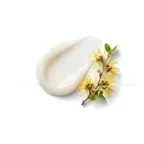 Witch Hazel
 Salicylic Acid
 Camellia Sinensis Extract
Warning
- LowDry Skin Fit
- SuperiorEffectiveness
- ConcerningSafety
A poor match for dry skin; the products alongside fit it better.
This fit is calculated for the concerns frequently associated with dry skin: flakiness, tightness, dehydration, fine lines, and wrinkles. For scores and recommendations based on your full skin profile, including your 12D face scan results and any goals or preferences you have, please use the Lovi app.
Updated How the Fit score works
Lovi Assistant explains
- Extremely low suitability for your dry skin due to the presence of salicylic acid, which has keratolytic action and may be too drying, and a lack of deeply hydrating or emollient ingredients to fully address dryness.
- While niacinamide and salicylic acid offer excellent pore-reducing effects by decongesting pores and smoothing texture, the formula lacks sufficient hydrating ingredients to fully address your dry or flaky skin concerns.
Buy online

Prices checked 20 Nov 2026
The Lovi Fit is the same in every country; only the stores and prices differ, and the ones here are for India.
How to apply
- Use this toner AM and PM every day to help with dry or flaky skin. Always pair with SPF in the morning.
- Apply this toner after cleansing and before your moisturizer to keep your skin soft.
- Gently press 2-3 drops of the toner into your skin and let it absorb. Avoid rubbing.
- Apply the toner on slightly damp skin to help with moisture absorption.
- Avoid the eye area and do a patch test before your first use.
People Say
★4.4Overall rating based on 10.8k+ reviewsBased on a very large amount of data, this toner is highly recommended by users with oily and combination skin for its ability to control excess oil and provide lightweight hydration without a heavy feel. Many users report improvements in skin texture and a visible reduction in pore size. Some users found it did not significantly minimize pores, and a small number experienced breakouts or felt the product was overpriced.
Highlights
Lightweight hydration Mostly Mentioned
- “absorbs instantly”
- “feels weightless”
- “adds light moisture”
- “non-sticky finish”
Balances oil Often Mentioned
- “controls excess oil”
- “face is less shiny”
- “helps manage grease”
- “balances my T-zone”
Minimizes pores Often Mentioned
- “pores look smaller”
- “refined skin texture”
- “pores are less visible”
- “helped with congestion”
Soothing and calming Sometimes Noted
- “reduces redness”
- “calms my skin”
- “soothing after cleansing”
- “gentle formula”
Ineffective for pores Sometimes Noted
- “no change in pores”
- “didn't minimize anything”
- “pores look the same”
- “limited impact”
Caused breakouts Rarely Noted
- “caused cystic acne”
- “broke me out”
- “tiny bumps appeared”
- “skin flared up”
Packaging issues Rarely Noted
- “leaked in box”
- “spilled inside packaging”
- “cap was loose”
- “bottle arrived empty”
Price vs. value Rarely Noted
- “overpriced for a toner”
- “not worth the money”
- “too expensive”
- “pricey for the size”
Sources: lovi.care, amazon.com, paulaschoice.com, paulaschoice-eu.com, sephora.sg, dermstore.com, and more
Questions and answers
Why does Lovi advise against the Pore-Reducing Toner for dry skin?
Lovi advises against using this toner on dry skin because it contains salicylic acid, which may be too drying, and lacks deeply hydrating or softening ingredients. A toner for dry skin needs rich hydrating and barrier-repairing ingredients like ceramides, sodium hyaluronate, and Centella Asiatica to maintain moisture and protect the skin barrier.
Which ingredients make this toner a poor fit for dry skin?
This toner is a poor fit for dry skin due to the presence of salicylic acid, which may be too drying, and a lack of deeply hydrating or nourishing ingredients to fully address dryness. A product for this skin needs rich hydrating and barrier-repairing ingredients like ceramides, hyaluronic acid, and soothing plant extracts.
What does Niacinamide do for dry skin?
Niacinamide helps dry skin by strengthening the skin barrier, increasing hydration, and reducing water loss. It supports ceramide production and helps keep the surface smooth and calm. This ingredient tends to be very well tolerated and is unlikely to irritate dry skin.
Journal of Cosmetic Dermatology, 2004Journal of Cosmetic Dermatology, 2026
What does Witch Hazel do for dry skin?
Witch hazel may not be the best fit for dry skin because some forms can strip away natural moisture, so dry skin needs gentle, rich ingredients that deeply hydrate and restore the skin barrier.
Where does this toner go in a skincare routine for dry skin?
This toner is a poor match for dry skin because its salicylic acid may be too drying, and this skin type needs soothing, deeply hydrating ingredients and rich moisturizers to stop flaking.
Can I use this toner with retinol, and in what order?
It is best to avoid using this toner on dry skin because salicylic acid may be too drying, and the formula lacks deeply hydrating or softening ingredients. To care for dry skin, a product of this type needs rich, moisture-locking ingredients like ceramides and hyaluronic acid to keep the skin barrier smooth and comfortable.
How often should I use this toner?
This toner is a poor match for your dry skin because salicylic acid may be too drying, and dry skin needs gentle exfoliating acids used just once a week alongside rich hydrating ingredients and moisturizers.
Can this toner clog pores, cause breakouts or purging for dry skin?
This toner is unlikely to clog pores or cause breakouts since it contains salicylic acid, which helps clear out pores and smooth texture, but it may dry out dry skin. A product for this skin needs rich hydrating ingredients and soft smoothing agents to comfort dry areas without stripping moisture.
Is this toner fragrance-free and alcohol-free?
Yes, it has no fragrance and no drying alcohol.
What the research says
A moisturizer containing licochalcone A, 1,2-decanediol, L-carnitine, and salicylic acid significantly reduced noninflammatory, inflammatory, and total acne lesion counts compared to a vehicle control in Thai patients during a 12-week maintenance phase.
BioMed Research International, 2020Treatment with 45% mandelic acid peel showed nearly equal overall efficacy as 30% salicylic acid peel in patients with mild-to-moderate facial acne vulgaris, but with fewer adverse effects.
Journal of Cosmetic Dermatology, 2020Twice daily application of a multitargeted dermocosmetic cream provided comparable efficacy to benzoyl peroxide 5% gel in reducing inflammatory, non-inflammatory, and total lesions in 150 Caucasian subjects with mild-to-moderate acne over 56 days, while demonstrating superior skin tolerability.
Journal of Cosmetic Dermatology, 2024Topical nicotinamide prevented solar-simulated UV-induced immunosuppression in healthy volunteers, and men experienced immunosuppression at solar-simulated UV doses three times lower than those required for women.
The Journal of Investigative Dermatology, 2008Topical 5% niacinamide applied twice daily for 12 weeks reduced fine lines and wrinkles, hyperpigmented spots, red blotchiness, and skin sallowness, and improved skin elasticity compared to vehicle control in 50 female white subjects with facial photoaging.
Dermatologic Surgery, 2005Topical 2% niacinamide significantly decreased sebum excretion rate in Japanese individuals and casual sebum levels in Caucasian individuals compared to placebo or baseline.
Journal of Cosmetic and Laser Therapy, 2006A Hamamelis virginiana leaf extract increased LOXL1 expression twofold, decreased elafin synthesis, restored functional elastic fibers, reduced nonfunctional elastin aggregates, decreased wrinkles, and improved skin firmness.
Journal of Cosmetic Science, 2018Hamamelis bark proanthocyanidins strongly increased the proliferation of cultured human keratinocytes and reduced transepidermal water loss and erythema formation in SLS-irritated skin, whereas the polysaccharide fraction had no effect.
Phytochemistry, 2001Hamamelis virginiana bark extract inhibited Cutibacterium acnes-induced IL-6 release and TNF-α-induced IL-8 release in human keratinocytes without showing antibacterial or antibiofilm activities.
Antioxidants, 2022Treatment with 2% supramolecular salicylic acid hydrogel resulted in a regression and markedly improvement rate of 51.01% compared to 43.10% for Adapaline gel in patients with mild to moderate facial acne vulgaris, showing no significant difference in efficacy.
Journal of Cosmetic Dermatology, 2024Topical 5% benzoyl peroxide plus salicylic acid achieved the greatest lesion reduction at early 2 to 4 week time points compared to benzoyl peroxide, clindamycin, and combination benzoyl peroxide/clindamycin, while 5% benzoyl peroxide plus salicylic acid and combination benzoyl peroxide/clindamycin showed similar efficacy at 10 to 12 weeks in acne patients.
Journal of the American Academy of Dermatology, 2010Post-peel application of either topical tretinoin (0.25%) or retinol (0.25%) after a 30% salicylic acid peel effectively improves signs of photodamage compared to baseline in female subjects, with tretinoin performing slightly better than retinol in texture, roughness, and overall appearance at week 4.
Journal of Drugs in Dermatology, 2016Topically formulated tea polyphenols show some benefit in reducing sebum secretion and treating acne vulgaris compared to baseline or control.
Antioxidants, 2016Topical application of tannase-converted green tea extract (TGE) significantly improved skin wrinkle indices and self-assessed wrinkle reduction compared to normal green tea extract (NGE) in human subjects over 8 weeks.
Journal of Cosmetic Dermatology, 2013An anti-acne hydrogel containing Aloe barbadensis, Garcinia mangostana, and Camellia sinensis extracts showed superior antiacne and antiblotch activities compared to 1% clindamycin gel in sixty subjects with mild-moderate acne.
Clinical, Cosmetic and Investigational Dermatology, 2019
Ingredients
Water, Niacinamide, Butylene Glycol, Witch Hazel Water, Glycereth-26, Peg-40 Hydrogenated Castor Oil, Sodium Hyaluronate, Panthenol, Allantoin, Salicylic Acid, Epigallocatechin Gallate Camellia Sinensis, Bisabolol, Sodium Hydroxide, Disodium Edta, Phenoxyethanol, Ethylhexylglycerin
Behind this fit score
Lovi calculates every fit score from the full ingredient list with brand-independent rules our dermatologists and cosmetic chemists build and review, and personalizes every pick with AI trained on the real results of millions of users. Lovi trains its fit score models on a proprietary dataset built from more than 10,000 expert-labeled products and more than 100,000 simulated examples, following an internally consistent methodology presented at Cosmoprof, AMWC, and Skin of Color Update.
-

Co-founder, Medical Director
Cosmetic chemist, cosmetologist, aesthetic products developer
-

Co-founder, CEO and CTO
PhD in computer science, 3x US patent holder, ex-Google, ex-Yandex
-

Dr. Sofía Perea Pérez, MD, MSc
Medical Board
Aesthetic medicine practitioner, MSc in Longevity and Anti-Aging Medicine
-

Medical Board
Specialist dermatologist, MBBS, MD, IFAAD
-

Medical Board
Cosmetic chemist, SCS, IFSCC member
-

Medical Board, Medical Advisor
Dermatology MD
-

Elina Nazarenko, MD
Medical Board
Dermatology and diagnostic consultant
-

Victoria Derkova, MS
Medical Board
Cosmetic chemist, cosmetic development technologist


How does it fit your skin?
Scan your face, then any product: Lovi shows how well it fits you and what fits even better.