
Origins Original Skin Retexturizing Mask with Rose Clay for oily acne-prone skin

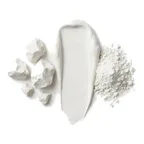 Rose Clay
 Glycerin
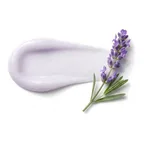 Lavender Oil
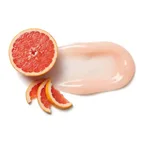 Grapefruit Peel Oil
 Sodium Hyaluronate
High
- HighOily Skin Fit
- HighEffectiveness
- HighSafety
A great choice for oily acne-prone skin; a few cleansing masks fit it even better.
This fit is calculated for the concerns frequently associated with oily acne-prone skin: shine, breakouts, blemishes, and enlarged pores. For scores and recommendations based on your full skin profile, including your 12D face scan results and any goals or preferences you have, please use the Lovi app.
Updated How the Fit score works
Lovi Assistant explains
- Highly suitable for your oily skin, this mask effectively addresses acne, blemishes, and breakouts by utilizing kaolin and bentonite clays to absorb excess oil and impurities, purifying your pores.
- The inclusion of lavender and chamomile oils offers a soothing effect, complementing the cleansing action and ensuring comfort for your skin.
- The product demonstrates a strong safety profile with no reported irritation risks for oily skin, thanks to its gentle formulation and absence of harsh ingredients.
How to apply
- Use your cleansing mask PM as part of your weekly routine. Start 1×/week and increase carefully if your oily skin tolerates it well.
- Apply this step after your enzyme powder and before your hydrating toner. Follow the standard weekly order to keep your skin balanced.
- Spread an even layer of the cleansing mask across your face while avoiding the eye area. Let it sit for the recommended time without rubbing .
- Apply the mask on clean and dry skin for the best purifying effect on your breakouts. Clean skin allows the formula to target blemishes directly.
- Always do a patch test before your first use to check for sensitivity. Avoid combining this mask with strong acids or retinoids in the same routine .
People Say
★4.5Overall rating based on 1.6k+ reviewsThis 2-in-1 mask is praised for its ability to gently exfoliate and deep clean pores, leaving skin smoother and more radiant. It is highly effective for retexturizing and minimizing pores on normal to oily skin. Some users with sensitive or dry skin experienced irritation, redness, or tightness.
Highlights
Smoother skin texture Mostly Mentioned
- “baby soft”
- “polished”
- “silky smooth”
Deep cleans pores Often Mentioned
- “pores appear smaller”
- “draws out impurities”
- “clean feeling”
Gentle exfoliation Sometimes Noted
- “jojoba beads”
- “gentle scrub”
- “not harsh”
Instant glow Sometimes Noted
- “radiant”
- “brightened”
- “rosy glow”
Pleasant scent Sometimes Noted
- “fresh rose scent”
- “relaxing”
- “amazing”
- “spa-like”
Difficult to rinse Sometimes Noted
- “beads get stuck”
- “hard to wash off”
Can be drying Rarely Noted
- “tight feeling”
- “dry patches”
- “need moisturizer immediately”
Price vs. quantity Rarely Noted
- “expensive for the size”
- “small tube runs out quickly”
Skin irritation Rarely Noted
- “burning sensation”
- “redness”
- “inflammation”
Strong fragrance Rarely Noted
- “overpowering”
- “too perfumey”
- “irritating”
Sources: lovi.care, influenster.com, ulta.com, origins.com, sephora.com, reallyree.com, and more
Questions and answers
What makes Origins Original Skin Retexturizing Mask with Rose Clay a great fit for oily acne-prone skin?
This mask is a great fit because its kaolin and bentonite clays help absorb excess oil and impurities to purify your pores and clear up breakouts. Lavender and chamomile oils provide a soothing effect to keep your skin comfortable, while the gentle formula has a very low risk of causing irritation.
Which ingredients make this mask a good fit for oily acne-prone skin?
This mask is a great fit because kaolin and bentonite clays absorb excess oil and impurities to purify pores, while lavender and chamomile oils soothe your skin. It is unlikely to cause irritation and helps keep your skin feeling calm and clean.
What does Rose Clay do for oily acne-prone skin?
Rose clay helps soak up extra oil and calms acne-prone skin while keeping it comfortable and reducing irritation. Using it regularly leaves skin feeling smooth and looking clearer, and it is unlikely to dry out your face when used as directed.
What does Glycerin do for oily acne-prone skin?
Glycerin helps keep oily acne-prone skin hydrated without feeling heavy. It draws moisture into the skin while supporting the skin barrier so it stays soft and balanced.
The British Journal of Dermatology, 2008Clinical, Cosmetic and Investigational Dermatology, 2017
Where does this mask go in a skincare routine for oily acne-prone skin?
This cleansing mask fits into a weekly skincare routine, used after a makeup remover, cleanser, and enzyme powder, and before a hydrating toner, treatment, and moisturizer.
Can I use this mask with retinol, and in what order?
You can use this mask in your routine, but you should avoid using it on the exact same nights you apply retinol to prevent dryness or irritation. Instead, use the mask on a separate evening once a week as part of your cleansing routine, ensuring your skin stays calm and clear.
How often should I use this mask?
Use this cleansing mask once a week as part of your weekly routine. Its clays help absorb excess oil and purify pores while remaining gentle and safe for oily skin.
Can this mask clog pores, cause breakouts or purging for oily acne-prone skin?
This mask is unlikely to clog pores or cause breakouts for oily acne-prone skin, as its clays absorb excess oil and impurities to purify pores. It has a gentle formulation with no reported irritation risks, though reviewers mention it can occasionally feel drying.
What the research says
Vectorization of high molecular weight hyaluronic acid with clay enabled its penetration into deeper skin layers and led to a significant clinical reduction in fine lines in the crow's feet area compared to placebo after 28 days.
Skin Research and Technology, 2024Twice-weekly use of a clay mask over 4 weeks in 75 adults with oily or combination skin improved acne-related outcomes, sebum content, skin evenness, hydration, and reduced dryness and irritation.
Skin Research and Technology, 2023Palygorskite clay as a nanocarrier for tea tree oil achieved efficient loading, reduced acute contact toxicity, targeted antimicrobial effects against dermal pathogens, and pronounced clinical efficacy in treating facial acne compared to unformulated oil.
International Journal of Pharmaceutics, 2022A single application of a moisturizing fluid containing hyaluronic acid 1%, glycerin 5%, and Centella asiatica stem cells extract significantly increased skin hydration by 29% and reduced transepidermal water loss at 24 hours compared to baseline and an untreated control site in twenty healthy women.
Clinical, Cosmetic and Investigational Dermatology, 2017The emollient V0034CR significantly reduced TEWL compared to vehicle and vehicle plus glycerol, and significantly increased corneometry scores compared to vehicle and vehicle plus petrolatum in healthy volunteers with dry skin, demonstrating combined barrier function improvement from petrolatum and hydration improvement from glycerol.
Journal of Cosmetic Dermatology, 2020Ten days of treatment with a cream containing 20% glycerin significantly increased skin hydration measured by corneometer values in 17 healthy volunteers compared to a placebo cream, but showed no influence on transepidermal water loss or skin sensitivity to an irritating surfactant.
International Journal of Cosmetic Science, 2001Polysaccharide-based O/W emulsions incorporated with lavender essential oil applied to cellulosic support are non-irritating, provide softness and moisturizing effects, and are safe for topical patch applications.
International Journal of Biological Macromolecules, 2021Treatment with 0.01% Taikong Blue Lavender Essential Oil significantly reduced oxidative stress markers and inflammatory cytokines in TNF-alpha-stimulated HaCaT cells compared to baseline stimulated levels.
Journal of Cosmetic Dermatology, 2026Alginate-based microcapsules crosslinked with zinc or calcium ions successfully encapsulated lavender essential oil with high efficiency, demonstrating improved oil retention, antibacterial activity, and anti-inflammatory effects for potential topical acne therapy.
European Journal of Pharmaceutics and Biopharmaceutics, 2026Grapefruit essential oil promoted HaCaT cell proliferation, reduced ROS production, inhibited IL-1 and COX-2 expression, and recovered LOR and FLG contents in a cell damage model of skin inflammation stimulated by S. aureus metabolites compared to lime essential oil.
Chemistry & Biodiversity, 2022Topical application of 0.1% hyaluronic acid formulations of different molecular weights led to significant improvements in skin hydration and elasticity, with low-molecular-weight formulations also significantly reducing wrinkle depth in seventy-six female subjects compared to a vehicle control.
Journal of Drugs in Dermatology, 2011Topical hyaluronic acid serum used twice daily by 40 females with facial photoaging produced an immediate 134% increase in skin hydration, a sustained 55% increase at week 6, and significant improvements in smoothness, plumping, fine lines, wrinkles, and global appearance without causing irritation.
Dermatology and Therapy, 2021A topical antioxidant serum significantly reduced air pollution-induced skin pigmentation and proinflammatory gene expression ex vivo, and improved skin aging signs in 40 healthy adult females after 90 days of daily use.
Journal of Cosmetic Dermatology, 2022
Ingredients
Water, Butylene Glycol, Kaolin, Montmorillonite, Polysorbate 20, Jojoba Esters, Peg-100 Stearate, Bentonite, Glycerin, Grapefruit Peel Oil, Lavandula Angustifolia Oil Lavender Oil, Pelargonium Graveolens Oil Flower, Amyris Balsamifera Oil Bark, Salvia Sclarea Oil, Anthemis Nobilis Oil Flower, Rosa Centifolia Flower Extract, Limonene, Linalool, Geraniol, Epilobium Angustifolium Stem Extract Flower Leaf, Chestnut Seed Extract, Albizia Julibrissin Bark Extract, Lecithin, Ethylhexylglycerin, Caprylyl Glycol, Propylene Glycol Laurate, Propylene Glycol Stearate, Peg-150 Distearate, Hypnea Musciformis Extract Algae Extract, Gellidiela Acerosa Extract Algae Extract, Simethicone, Sodium Hyaluronate, Sorbitan Laurate, Hexylene Glycol, Dehydroacetic Acid, Xanthan Gum, Trisodium Edta, Phenoxyethanol, Titanium Dioxide Ci 77891
Behind this fit score
Lovi calculates every fit score from the full ingredient list with brand-independent rules our dermatologists and cosmetic chemists build and review, and personalizes every pick with AI trained on the real results of millions of users. Lovi trains its fit score models on a proprietary dataset built from more than 10,000 expert-labeled products and more than 100,000 simulated examples, following an internally consistent methodology presented at Cosmoprof, AMWC, and Skin of Color Update.
-

Co-founder, Medical Director
Cosmetic chemist, cosmetologist, aesthetic products developer
-

Co-founder, CEO and CTO
PhD in computer science, 3x US patent holder, ex-Google, ex-Yandex
-

Dr. Sofía Perea Pérez, MD, MSc
Medical Board
Aesthetic medicine practitioner, MSc in Longevity and Anti-Aging Medicine
-

Medical Board
Specialist dermatologist, MBBS, MD, IFAAD
-

Medical Board
Cosmetic chemist, SCS, IFSCC member
-

Medical Board, Medical Advisor
Dermatology MD
-

Elina Nazarenko, MD
Medical Board
Dermatology and diagnostic consultant
-

Victoria Derkova, MS
Medical Board
Cosmetic chemist, cosmetic development technologist


How does it fit your skin?
Scan your face, then any product: Lovi shows how well it fits you and what fits even better.