
NIVEA Men Creme for acne-prone skin

 Glycerin
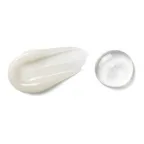 Mineral Oil
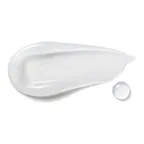 Dimethicone
 Tocopheryl Acetate
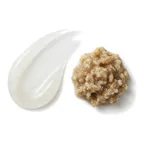 Alcohol Denat
Low
- AverageCombination Skin Fit
- AverageEffectiveness
- ConcerningSafety
A weak match for acne-prone skin; the moisturizers alongside fit it better.
This fit is calculated for the concerns frequently associated with acne-prone skin: breakouts, blackheads, and post-acne marks. For scores and recommendations based on your full skin profile, including your 12D face scan results and any goals or preferences you have, please use the Lovi app.
Updated How the Fit score works
Lovi Assistant explains
- Offers moderate moisturizing for your combination skin due to glycerin and dimethicone, which hydrate and smooth the skin, but lacks specialized ingredients to effectively address acne, blemishes, and breakouts.
- While it provides general hydration, the formula does not offer sufficient oil control for your oily areas, potentially posing risks of worsening these conditions.
How to apply
- Use your moisturizer twice a day in your AM and PM routines. Apply it daily to help keep breakouts under control.
- Apply after your cleanser and toner, and make sure to use your SPF right after in the morning.
- Gently spread a small amount of moisturizer over your face using soft motions. Let it absorb into the skin for a minute before getting dressed or applying makeup.
- Apply on slightly damp skin to help lock in extra moisture. This keeps your combination skin balanced without feeling heavy.
- Avoid the eye area and do a patch test before your first use. Stop using if you feel any irritation.
People Say
★4.6Overall rating based on 600+ reviewsUsers consistently praise this creme as a versatile, non-greasy solution for dry skin on the face, hands, and body, noting its ability to absorb rapidly without leaving a sticky residue. It is frequently cited as effective for soothing post-shave irritation and combating winter dryness, leaving skin matte and soft.
Highlights
Versatile application Mostly Mentioned
- “Great for face, body, and hands”
- “Use it after shaving”
- “One product for everything”
- “Perfect all-rounder for travel”
Effective hydration Often Mentioned
- “Heals dry hands quickly”
- “Keeps face soft all day”
- “Prevents winter flaking”
- “Leaves skin velvety smooth”
Fast absorption Often Mentioned
- “Soaks in fully within seconds”
- “No greasy overlay”
- “Absorbs quickly without residue”
- “Disappears into skin instantly”
Masculine scent Often Mentioned
- “Smells like fresh cologne”
- “Pleasant masculine-fresh scent”
- “Clean and subtle smell”
- “Nice manly fragrance”
Strong fragrance Sometimes Noted
- “Scent is too overpowering”
- “Smells too much like perfume”
- “Fragrance lingers too long”
- “Clashes with my cologne”
Insufficient moisture Rarely Noted
- “Not rich enough for very dry skin”
- “Lighter than original Nivea”
- “Need to reapply frequently”
- “Feels too thin for winter”
Packaging design Rarely Noted
- “Tin dents very easily”
- “Lid hard to open with slippery hands”
- “Container is too small for body use”
- “Screw top can be finicky”
Potential irritation Rarely Noted
- “Stung my sensitive skin”
- “Caused minor breakout”
- “Alcohol content dried me out”
Sources: lovi.care, boots.com, walmart.com, influenster.com, chemistwarehouse.com.au, hometesterclub.com, and more
Questions and answers
Why is NIVEA Men Creme a weak match for acne-prone skin?
NIVEA Men Creme is a weak match for acne-prone skin because it lacks specialized ingredients to effectively address breakouts and does not offer sufficient oil control for oily areas, potentially worsening these conditions. Moisturizers for acne-prone skin need effective ingredients that target blemishes, provide oil control, and soothe the skin without causing irritation.
Clinical and Experimental Dermatology, 2007Clinical, Cosmetic and Investigational Dermatology, 2017
Which ingredients make this cream a poor fit for acne-prone skin?
This cream is a weak match for acne-prone skin because it lacks specialized ingredients to effectively target blemishes and breakouts while failing to control excess oil in oily areas. Moisturizers that fit this skin type best need effective ingredients for acne and blemishes, soothing extracts, and peptides that hydrate and repair without irritation.
What does Glycerin do for acne-prone skin?
Glycerin helps keep acne-prone skin hydrated and calm without clogging pores or feeling heavy. It supports the skin barrier so it stays soft and smooth while handling everyday treatments.
The British Journal of Dermatology, 2008International Journal of Toxicology, 2019
What does Mineral Oil do for acne-prone skin?
Mineral oil helps keep skin soft and holds in moisture by creating a protective layer on the surface. Because it has a very low risk of clogging pores, it is generally safe to use on skin that tends to get breakouts.
International Journal of Cosmetic Science, 2012Journal of the American Academy of Dermatology, 2024
Where does this cream go in a skincare routine for acne-prone skin?
This cream goes as the third step in your morning routine after a cleanser and hydrating toner, and as the last step in the evening after your treatment. Because it is a weak match for your skin, acne-prone skin needs a moisturizer with oil control and blemish-fighting ingredients instead.
Can I use this cream with retinol, and in what order?
You can use this cream alongside retinol by applying the retinol first, letting it dry, and then smoothing on the cream. This helps keep your skin soft while managing dryness, though acne-prone skin needs a moisturizer with oil control and targeted blemish-fighting ingredients.
How often should I use this cream?
This cream is a weak match for acne-prone skin because it lacks specialized ingredients to handle breakouts and does not control oil well in shiny areas, which may lead to worsened blemishes. Acne-prone skin needs a lightweight moisturizer with oil-controlling ingredients and blemish-fighting additions.
Can this cream clog pores, cause breakouts or purging for acne-prone skin?
This cream is a weak match for acne-prone skin because it lacks oil control and specialized ingredients to fight breakouts, which may worsen these conditions. To properly care for acne-prone skin, a moisturizer needs oil-controlling ingredients and blemish-fighting additions like salicylic acid or niacinamide.
Can I use this cream around the eyes or on my body?
This cream is generally safe to use on the body and around the eyes, where the skin is particularly thin, as it provides basic moisture with ingredients like glycerin and dimethicone. However, because it is formulated for general use rather than targeted eye or body care, products of this type used in those areas need nourishing oils and barrier-supporting ingredients to properly protect delicate or thicker skin.
Surgical and Radiologic Anatomy, 2002Clinical and Experimental Dermatology, 2007
Is this cream fragrance-free and alcohol-free?
It contains fragrance (geraniol and parfum) and drying alcohol (alcohol denat).
What the research says
Treatment with a moisturizer containing dimethicone and glycerine increased epidermal thickness by 0.019 mm, improved barrier function by decreasing transepidermal water loss by 13%, decreased melanin intensity, and induced keratins 6 and 16 in fifteen women with moderately photoaged forearms.
Clinical and Experimental Dermatology, 2007A single application of a moisturizing fluid containing hyaluronic acid 1%, glycerin 5%, and Centella asiatica stem cells extract significantly increased skin hydration by 29% and reduced transepidermal water loss at 24 hours compared to baseline and an untreated control site in twenty healthy women.
Clinical, Cosmetic and Investigational Dermatology, 2017The emollient V0034CR significantly reduced TEWL compared to vehicle and vehicle plus glycerol, and significantly increased corneometry scores compared to vehicle and vehicle plus petrolatum in healthy volunteers with dry skin, demonstrating combined barrier function improvement from petrolatum and hydration improvement from glycerol.
Journal of Cosmetic Dermatology, 2020Ten days of treatment with a cream containing 20% glycerin significantly increased skin hydration measured by corneometer values in 17 healthy volunteers compared to a placebo cream, but showed no influence on transepidermal water loss or skin sensitivity to an irritating surfactant.
International Journal of Cosmetic Science, 2001Niacinamide/glycerin body moisturizers provided better rapid and prolonged improvement of cosmetic xerosis through functional improvement of stratum corneum barrier function compared to no treatment and conventional moisturizers in female subjects.
Journal of Drugs in Dermatology, 2012Repetitive wiping with lotioned disposable handkerchiefs containing fatty alcohols and mineral oils significantly improved skin barrier recovery compared to non-lotioned control handkerchiefs on tape-stripped forearm skin of 40 subjects over a three-day protocol.
Skin Research and Technology, 2008Daily bathing with an emulsified lanolin and mineral oil bath additive significantly reduced dry skin severity on the lower legs of patients compared to usual bath soap over 17 days.
Cutis, 1981A lubricant mixture of 20 wt% beeswax, 40 wt% olive oil, and 40 wt% mineral oil reduced the instantaneous and 4-hour coefficient of friction by 87% and 59%, respectively, compared to unlubricated skin in seven participants.
Scientific Reports, 2021Wearing an N95 mask alone compared to using dimethicone cream or hydrocolloid dressing caused more adverse skin reactions among 73 military health care workers, with no significant differences in fit test failure rates between groups.
Military Medicine, 2024Petrolatum-based skin protectants demonstrated protection against irritants and maceration while providing skin hydration, whereas dimethicone and zinc oxide products showed varying or limited performance across parameters among 18 healthy volunteers compared to positive and negative controls.
Ostomy/wound Management, 2005Topical dimethicone combined with animal and environmental interventions effectively controlled tungiasis, resulting in only three active lesion cases and no soil infestation detected from the 6-month follow-up onward among 562 indigenous people and 81 domestic dogs.
Tropical Medicine and Infectious Disease, 2023Topical application of an antioxidant serum containing 15% ascorbic acid, 0.5% ferulic acid, and 1% tocopherol prevented particulate matter-induced degradation of extracellular matrix components, inflammation, and oxidative stress in the skin of 15 female volunteers compared to untreated controls.
Journal of Cosmetic Dermatology, 2025Dermatological products containing d-alpha tocopheryl acetate showed non-comedogenic potential with less than a 50% increase in microcomedones in 12 healthy male subjects compared to octyl palmitate.
Contemporary Clinical Trials Communications, 2021Topical application of an antioxidant mix containing 15% ascorbic acid, 0.5% ferulic acid, and 1% tocopherol prevented PM and UV-induced skin barrier perturbation, lipid peroxidation, inflammatory markers, MMP9 activation, and Type I collagen loss in 15 healthy females compared to untreated exposed skin.
Journal of Cosmetic Dermatology, 2024Topical cyproterone acetate alcohol lotion at 0.5% and 1% reduced total acne lesions and acne severity index significantly more than placebo in female patients with mild to moderate acne vulgaris.
Dermatology Online Journal, 2006Topical patchouli alcohol significantly accelerated the recovery of UV-induced skin lesions in mice through antioxidant and anti-inflammatory actions and down-regulation of MMP-1 and MMP-3 expression compared to vehicle.
European Journal of Pharmaceutical Sciences, 2014
Why other moisturizers fit acne-prone skin better
Co-delivery of paeonol and madecassoside via nanoemulsions improved transdermal delivery, promoted barrier repair proteins, inhibited inflammatory cytokine secretion in cellular and 3D models, and reduced transepidermal water loss and acne in human facial skin compared to free components.
Molecules, 2023A facial serum containing snail secretion filtrate, Calendula officinalis, and Glycyrrhiza glabra root extract significantly reduced inflammatory acne lesions compared to placebo in 66 participants with mild-to-moderate maskne over 12 weeks.
Journal of Cosmetic Dermatology, 2022
Ingredients
Water, Glycerin, Paraffinum Liquidum, Alcohol Denat, Cetyl Alcohol, Glyceryl Stearate, Hydrogenated Coco-Glycerides, Stearyl Alcohol, Microcristallina Cera, Palmitic Acid, Stearic Acid, Tocopheryl Acetate, Sodium Carbomer, Myristic Acid, Arachidic Acid, Oleic Acid, Dimethicone, Phenoxyethanol, Methylparaben, Geraniol, Parfum
Behind this fit score
Lovi calculates every fit score from the full ingredient list with brand-independent rules our dermatologists and cosmetic chemists build and review, and personalizes every pick with AI trained on the real results of millions of users. Lovi trains its fit score models on a proprietary dataset built from more than 10,000 expert-labeled products and more than 100,000 simulated examples, following an internally consistent methodology presented at Cosmoprof, AMWC, and Skin of Color Update.
-

Co-founder, Medical Director
Cosmetic chemist, cosmetologist, aesthetic products developer
-

Co-founder, CEO and CTO
PhD in computer science, 3x US patent holder, ex-Google, ex-Yandex
-

Dr. Sofía Perea Pérez, MD, MSc
Medical Board
Aesthetic medicine practitioner, MSc in Longevity and Anti-Aging Medicine
-

Medical Board
Specialist dermatologist, MBBS, MD, IFAAD
-

Medical Board
Cosmetic chemist, SCS, IFSCC member
-

Medical Board, Medical Advisor
Dermatology MD
-

Elina Nazarenko, MD
Medical Board
Dermatology and diagnostic consultant
-

Victoria Derkova, MS
Medical Board
Cosmetic chemist, cosmetic development technologist


How does it fit your skin?
Scan your face, then any product: Lovi shows how well it fits you and what fits even better.