
Neutrogena Triple Age Repair Moisturizer SPF 25 for sensitive skin

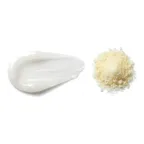 Avobenzone
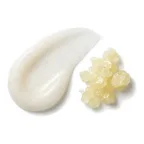 Homosalate
 Octisalate
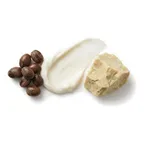 Butyrospermum Parkii Butter Shea Butter
 Hexylresorcinol
Average
- AverageNormal Skin Fit
- AverageEffectiveness
- HighSafety
Works for sensitive skin; other sunscreens fit it better.
- Clinical, Cosmetic and Investigational Dermatology, 2017
- Journal of the American Academy of Dermatology, 1987
This fit is calculated for the concerns frequently associated with sensitive skin: redness, stinging, and reactions to new products. For scores and recommendations based on your full skin profile, including your 12D face scan results and any goals or preferences you have, please use the Lovi app.
Updated How the Fit score works
Lovi Assistant explains
- Offers moderate moisturizing and sun protection for your normal skin, as glycerin provides hydration and UV filters offer defense, while Bisabolol soothes redness and irritation. Ascorbyl Glucoside and Hexylresorcinol further support skin brightening and even tone, complementing your primary concerns.
- The formulation is generally safe for your sensitive skin, avoiding harsh ingredients and including Bisabolol to minimize potential irritation.
- This product provides supportive benefits for redness and irritation, with a moderate moisturizing and sun protection capacity suitable for normal skin.
How to apply
- Apply this moisturizing sunscreen AM daily as the final step of your morning routine. Always reapply every two hours when exposed to the sun.
- Apply after your regular moisturizer and before makeup. This product combines hydration and sun protection in one easy step.
- Gently smooth a nickel-sized amount evenly across your face and neck. Avoid rubbing harshly to keep sensitive skin calm.
- Apply the moisturizing sunscreen to clean , dry skin for the best protection. Let it absorb ⏱ fully before stepping outside.
- Avoid direct contact with your eyes. Do a patch test before your first use since your skin is sensitive.
People Say
★4.1Overall rating based on 300+ reviewsUsers find this moisturizer to be deeply hydrating and effective at improving skin texture, leaving it soft and smooth. Many also note its ability to absorb quickly without a greasy feel and its compatibility with makeup. Some individuals with sensitive skin have reported experiencing irritation, and a few users mentioned concerns about the jar packaging and the SPF level not being sufficient for extended sun exposure.
Highlights
Deep hydration Often Mentioned
- “Keeps my skin feeling soft and moist.”
- “Hydrating power... deeply hydrated throughout the day.”
- “My skin seems to drink it in.”
Improved texture Often Mentioned
- “Visibly softer, smoother skin.”
- “Made my skin feel soft and supple.”
- “Face feels smooth... even hours later.”
Makeup friendly Sometimes Noted
- “Layered well under makeup.”
- “Works well under makeup without pilling.”
- “Use under my makeup for its advertised... benefits.”
Non-greasy absorption Sometimes Noted
- “Absorbed within a few minutes.”
- “No greasy residue.”
- “Quickly absorbed.”
Low SPF Sometimes Noted
- “SPF of this moisturizer is not high enough.”
- “Wouldn't skip a dedicated sunscreen if you're spending extended time outdoors.”
Heavy in humidity Rarely Noted
- “On particularly humid days, I felt it sat on my skin a tad longer.”
- “Sat on my skin a tad longer than I'd like.”
Jar packaging Rarely Noted
- “Wish it came with a pump for hygiene reasons.”
- “Jar design... make me wish it came with a pump.”
Skin irritation Rarely Noted
- “Woke up with a swollen itchy face.”
- “Sensitive skin felt slightly irritated.”
- “Rash is only on my face where I used the product.”
Sources: lovi.care, neutrogena.com, reddit.com, walmart.com, whatsinmyjar.com, and more
Questions and answers
How well does Neutrogena Triple Age Repair work for sensitive skin?
Neutrogena Triple Age Repair Moisturizer SPF 25 is an average fit for sensitive skin because, while it provides basic hydration and sun protection, it contains chemical UV filters and preservatives that may occasionally cause mild irritation. To work well for sensitive skin, this type of product needs deeply soothing ingredients that calm redness and reinforce the skin barrier without using potential irritants or heavy fragrances.
Which ingredients make this cream a good fit for sensitive skin?
Bisabolol makes this cream a good fit by helping soothe redness and irritation, while glycerin provides gentle hydration. To work best for sensitive skin, a product of this type needs ingredients that offer deep hydration and calming soothing properties without any risk of irritation.
What does Avobenzone do for sensitive skin?
Avobenzone provides effective UV protection for sensitive skin, but because it may cause photo-allergy or irritation for some, it is often paired with gentle ingredients or microencapsulation to ensure safety. Chemical sunscreens containing avobenzone generally show minimal risks of irritation when formulated properly, though individual sensitivities still vary.
What does Homosalate do for sensitive skin?
Homosalate acts as a chemical UV filter in sunscreens to help protect skin from harmful sun rays. When used on sensitive skin, chemical sunscreens containing ingredients like homosalate are unlikely to cause irritation or allergic reactions.
Where does this cream go in a skincare routine for sensitive skin?
This moisturizing SPF goes in the morning routine after a cleanser and soothing toner. Sensitive skin needs a product of this type that provides gentle hydration with glycerin and soothing ingredients like bisabolol to help calm redness without causing irritation.
The Journal of Dermatological Treatment, 2022Clinical, Cosmetic and Investigational Dermatology, 2017
Can I use this cream with retinol, and in what order?
You can use this moisturizing SPF in your morning routine after cleansing and a soothing toner, while keeping your retinol for the evening. This product helps calm redness with bisabolol, but sensitive skin needs a gentler, fragrance-free formula with barrier-supporting ingredients when using strong treatments like retinol.
How often should I use this cream?
This moisturizing SPF is designed for morning use as the final step of your daytime routine. Because it has a moderate formula for sensitive skin, an alternative for this skin needs gentle hydration, reliable sun protection, and calming ingredients like bisabolol to keep skin comfortable.
Can this cream clog pores, cause breakouts or purging for sensitive skin?
This cream is unlikely to clog pores or cause breakouts for sensitive skin because its formula avoids heavy, pore-clogging ingredients. However, sensitive skin needs a lightweight, fragrance-free formula with gentle hydrators and calming ingredients to keep pores clear and skin comfortable.
Is this cream fragrance-free and alcohol-free?
Yes, it has no fragrance and no drying alcohol. Behenyl alcohol is a fatty alcohol, which soften the skin.
What the research says
A single application of a moisturizing fluid containing hyaluronic acid 1%, glycerin 5%, and Centella asiatica stem cells extract significantly increased skin hydration by 29% and reduced transepidermal water loss at 24 hours compared to baseline and an untreated control site in twenty healthy women.
Clinical, Cosmetic and Investigational Dermatology, 2017Parsol 1789 and Eusolex 8020 provided slightly better photoprotection than oxybenzone in both normal and sensitized human skin when assessed using pigmentation end points, whereas all three sunscreens performed similarly against UVA-induced erythema.
Journal of the American Academy of Dermatology, 1987Methoxy-monobenzoylmethane protects human skin against UV-induced damage by converting to avobenzone under UVB light irradiation and demonstrating antioxidant and radical scavenging properties in vitro and in cell assays.
Molecules, 2021Encapsulation of ethylhexyl methoxycinnamate and butyl methoxydibenzoylmethane in lipid microparticles significantly reduced their in vivo human skin penetration compared to nonencapsulated filters.
Skin Pharmacology and Physiology, 2011Microencapsulation of the BMDBM/HP-beta-CD complex in lipid microparticles significantly decreased the percutaneous penetration of the UV filter into the stratum corneum of human volunteers compared to the non-encapsulated sunscreen agent.
Journal of Pharmaceutical and Biomedical Analysis, 2011Dermal application of a sunscreen containing 10% homosalate in four volunteers resulted in delayed elimination with terminal half-times around 24 h and a bioavailability of cis-homosalate a factor of 2 lower than trans-homosalate, while metabolite ratios supported using oral-route urinary excretion fractions for dermal exposure assessments.
Archives of Toxicology, 2024Chemical sunscreens containing avobenzone, octocrylene, homosalate, and octisalate showed no to minimal risks of dermal irritation, sensitization, photo-allergy, and photo-irritation in human subjects.
Journal of Drugs in Dermatology, 2025Homosalate exhibited the highest permeation among tested filters with a relative permeability rate of 4.2% and a depth of 60 um, and specific thickeners and emulsifiers successfully reduced its permeation without inhibiting the skin permeation of niacinamide.
Photodermatology, Photoimmunology & Photomedicine, 2026Simulated real-life dermal sunscreen exposure in twenty human volunteers leads to the systemic bioavailability and urinary excretion of the UV filter 2-ethylhexyl salicylate and its metabolite, reaching concentration peaks at 7 to 8 hours with 70-80% of overall excretion within 24 hours.
Archives of Toxicology, 2019The application of a sunscreen formulation containing ethylhexyl methoxycinnamate, ethylhexyl salicylate, methyl anthranilate, and octocrylene does not significantly affect critical acne-related species such as Cutibacterium acnes and Staphylococcus epidermidis, refuting the induction of facial dysbiosis in men.
Archives of Dermatological Research, 2024Controlled single dermal exposure to an EHS-containing sunscreen in three volunteers resulted in delayed systemic resorption with elimination half-lives between 6.6 and 9.7 hours, where the parent compound EHS occurred as the dominant urinary parameter.
Archives of Toxicology, 2024A skin barrier restoring cream with shea butter, silkflo, and vitamin E increased type I procollagen synthesis, enhanced antioxidant enzyme activity, decreased reactive oxygen species generation, and promoted hyaluronic acid production in H2O2-stimulated human keratinocyte cells compared to untreated cells.
International Journal of Cosmetic Science, 2025A formulation combining 4-hexylresorcinol and niacinamide significantly improved hyperpigmentation, skin tone, fine lines, wrinkles, and firmness compared to niacinamide alone in Chinese subjects without adverse events.
International Journal of Cosmetic Science, 2022Topical 1% hexylresorcinol is equivalent to 2% hydroquinone in significantly reducing the appearance of facial and hand pigmentation in healthy female participants over 12 weeks, with both treatments showing no adverse effects.
Archives of Dermatological Research, 2023A novel triple-active cosmetic formulation containing 4-hexylresorcinol, retinyl propionate, and niacinamide improved the visual appearance of photoageing similarly to 0.02% tretinoin and reversed a consensus gene signature associated with ageing in female adults while causing less skin irritation.
International Journal of Cosmetic Science, 2024
Ingredients
Avobenzone, Homosalate, Octisalate, Octocrylene, Water, Propylene Glycol, Glycerin, Dimethicone, Steareth-2, Ethylhexyl Palmitate, Isononyl Isononanoate, Butyrospermum Parkii Butter Shea Butter, Styrene Acrylates Copolymer, Methyl Methacrylate Crosspolymer, Steareth-21, Hexylresorcinol, Behenyl Alcohol, Bisabolol, Ascorbyl Glucoside, Anhydroxylitol, Xylitol, Xylitylglucoside, Dimethicone Crosspolymer, Caprylyl Glycol, Ammonium Acryloyldimethyltaurate Vp Copolymer, Sclerotium Gum, Disodium Edta, Sodium Hydroxide, Mica, Titanium Dioxide, Methylparaben, Propylparaben, Ethylparaben, Phenoxyethanol
Behind this fit score
Lovi calculates every fit score from the full ingredient list with brand-independent rules our dermatologists and cosmetic chemists build and review, and personalizes every pick with AI trained on the real results of millions of users. Lovi trains its fit score models on a proprietary dataset built from more than 10,000 expert-labeled products and more than 100,000 simulated examples, following an internally consistent methodology presented at Cosmoprof, AMWC, and Skin of Color Update.
-

Co-founder, Medical Director
Cosmetic chemist, cosmetologist, aesthetic products developer
-

Co-founder, CEO and CTO
PhD in computer science, 3x US patent holder, ex-Google, ex-Yandex
-

Dr. Sofía Perea Pérez, MD, MSc
Medical Board
Aesthetic medicine practitioner, MSc in Longevity and Anti-Aging Medicine
-

Medical Board
Specialist dermatologist, MBBS, MD, IFAAD
-

Medical Board
Cosmetic chemist, SCS, IFSCC member
-

Medical Board, Medical Advisor
Dermatology MD
-

Elina Nazarenko, MD
Medical Board
Dermatology and diagnostic consultant
-

Victoria Derkova, MS
Medical Board
Cosmetic chemist, cosmetic development technologist


How does it fit your skin?
Scan your face, then any product: Lovi shows how well it fits you and what fits even better.